You see a tumbled stone labeled "jasper" at a shop. It's nice, earthy, maybe reddish-brown. It feels solid. But if that's your whole idea of jasper, you're missing out on one of the most visually dramatic and collectible chapters in the crystal world. Jasper isn't just one stone; it's a vast family of opaque, microcrystalline quartz, each member with a unique personality forged by specific minerals and geological drama. From landscapes frozen in stone to orbs that look like planets, exploring jasper varieties is like collecting natural art. Let's move past the generic label and get into the real stuff—how to tell them apart, what they're actually good for, and how to avoid overpaying for a pretty rock.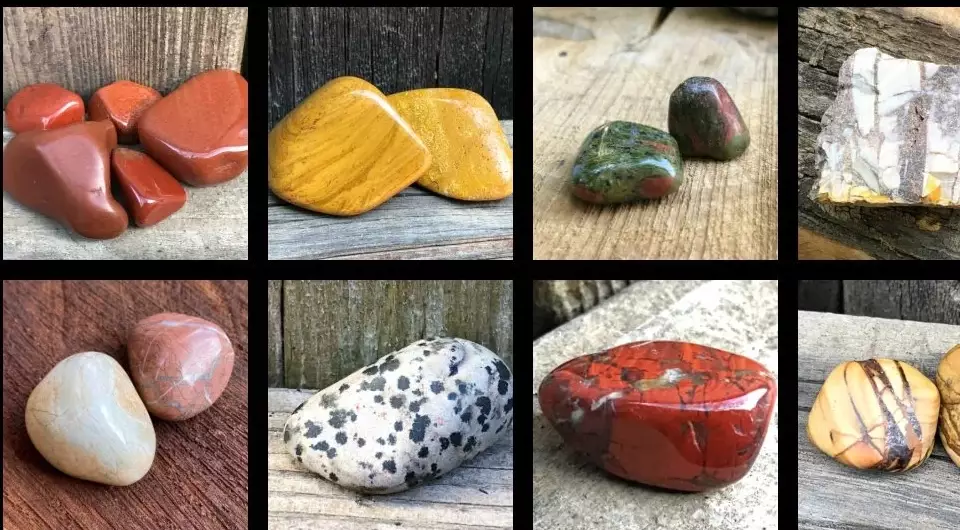
Your Jasper Journey Starts Here
What Exactly Is Jasper? (The Short Version)
Forget the textbook definition for a second. In practice, jasper is quartz that got messy. While clear quartz forms in pristine conditions, jasper forms when silica-rich gels or ash seep into cracks and cavities, picking up a cocktail of impurities—iron oxides (for reds, yellows), chlorite (greens), manganese, clay, you name it. These impurities create the colors and, crucially, the patterns. It's almost always opaque and takes a great polish, which is why it's been used in seals, ornaments, and jewelry for millennia.
Key Takeaway: The name "jasper" often comes from its pattern or place of origin, not just its color. "Picture jasper" tells you it looks like a scene. "Mookaite jasper" tells you it's from Mooka Creek, Australia. This is the first step in understanding the varieties.
5 Must-Know Jasper Varieties and Their Secrets
Here’s where we get to the good part. I’ve handled thousands of pieces, and these are the ones that consistently spark interest and questions. This isn't just a list; it's what you need to know before you buy.
| Variety | Key Identifying Features | Common Colors | What It's Known For (Practically) |
|---|---|---|---|
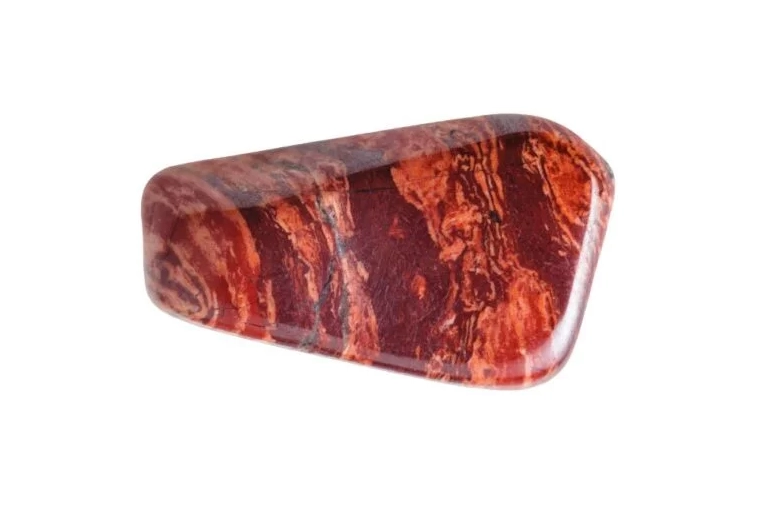
| Red Jasper | Solid, deep brick-red to rusty brown. Often uniform, sometimes banded. Dense and heavily colored by iron. | Deep reds, brownish-reds. | The ultimate stabilizer. It's the "slow and steady" stone. People are drawn to it during burnout or when starting a long-term physical project (like training or gardening). It's common, so a large, well-polished palm stone shouldn't cost more than $15-$25. |
| Picture Jasper | Landscape patterns! Looks like desert mesas, rolling hills, or skies. Patterns are formed by dendritic inclusions or sediment layers. | Beige, brown, tan, cream, black. | Connection to story and place. It's a meditation aid for visualizing goals. Quality varies wildly. A vague, blurry pattern is cheap. A piece with a clear, scenic "picture" can be priced as a mineral specimen. Check for detail and contrast. |
| Ocean Jasper | Orbicular patterns (little circles or orbs) in clusters. Exclusive to a (now depleted) deposit in Madagascar. The orbs can be different colors. | Greens, pinks, whites, creams, yellows. | Joy and community energy. Its rarity drives price. Genuine ocean jasper is never truly cheap now. Beware of "lookalikes" sold under the same name. Real pieces have a distinctive, sugary texture around the orbs. |
| Dalmatian Jasper | White to beige base with solid black spots. The spots are often tourmaline or iron oxides. It's unmistakable. | White/cream with black spots. | Playfulness and lightening mood. It's popular for worry stones and kids' jewelry because it's friendly and approachable. Very affordable. A polished sphere is a great desk piece. |
| Bumblebee Jasper | Vibrant bands of yellow, orange, black, and sometimes white. Not a true jasper (it's a calcite-based stone), but the trade name stuck. It's softer than quartz jasper. | Bright yellow, orange, black. | Pure, vibrant energy boost. Handle with care—it's sensitive to water and acids due to its sulfur content. Don't soak it. Great as a statement pendant worn occasionally. |
After a table like that, the instinct is to just pick the prettiest one. But here's the expert nuance most guides miss: the pattern consistency matters more than size for value in varieties like picture or ocean jasper. A small cabochon with a perfect, centered landscape can be worth more than a large palm stone with a muddy pattern. Always look at the artwork.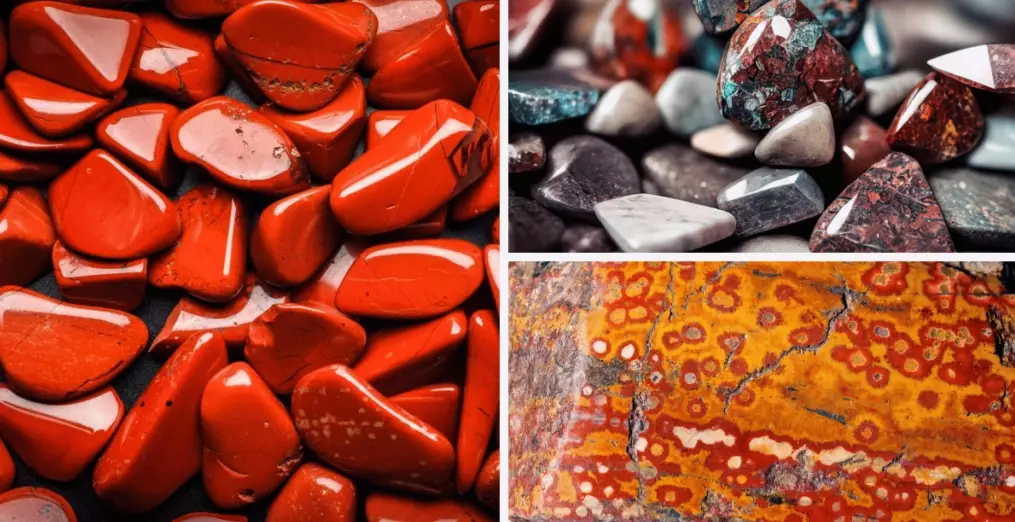
How to Spot Real Jasper vs. Fakes & Lookalikes
This is where new collectors get tripped up. You won't find much outright plastic fake jasper—it's too cheap to fake broadly. The real issue is mislabeling and enhancement.
Dyed Stones: How can you tell? The color is often too uniform, too vibrant in an unnatural way (think neon green or bright blue jasper—extremely rare in nature). Look at cracks and pits. If the color is concentrated there, it's likely dye. A reputable seller like The Gemological Institute of America's public resources will tell you that dyed agate is often sold as "fancy jasper."
Resin or Reconstituted Material: Sometimes, jasper dust and chips are mixed with resin and molded. These pieces feel oddly light or warm to the touch, lack the cool, dense feel of real stone, and the patterns might repeat or look blurry under a loupe.
The Hardness Test: Real jasper is hard (around 6.5-7). It should easily scratch glass. If a steel knife (hardness 5.5) can scratch it, it's not jasper—it might be softer calcite or howlite that's been dyed. Keep a small piece of quartz (hardness 7) in your kit; real jasper and quartz should scratch each other equally.
Bringing Jasper Home: Practical Uses in Decor & Life
So you've bought a piece. Now what? Beyond carrying it in your pocket, jasper's durability and beauty make it perfect for functional decor.
In Your Space: A large, polished slice of picture jasper or a bookend made of red jasper adds a grounding, earthy element. Place it in your home office or living room. It's a conversation starter that isn't as flashy as an amethyst geode. I have a bowl of mixed jasper tumbles on my coffee table. Guests love to sift through them.
In Jewelry: Jasper's opacity means it works in bold, simple settings. Bezel-set pendants and cuff bracelets show it off best. For daily wear rings, choose a harder variety like red or picture jasper. Avoid wearing bumblebee "jasper" rings for manual work—it will scratch. A common mistake is setting a beautiful, patterned jasper in an overly ornate setting—it fights the stone's natural art. Let the stone be the star.
The Personal Practice: This isn't about magic. It's about tactile focus. Holding a smooth jasper palm stone during a stressful call can ground you. Using a specific variety as a visual marker for a goal (green jasper for growth on your desk, for example) creates a personal anchor. The value is in the ritual you create, not an inherent property of the rock.
Your Jasper Questions, Answered
 Which jasper variety is considered the rarest or most valuable?
Related Articles
How to Use Malachite for Healing: A Complete Safety & Practice Guide
What Does Quartz Protect Against? A Complete Guide to Its Powers
Sodalite Crystal: Ultimate Guide to Meaning, Uses & How to Spot Fakes
Green Jade Crystal Benefits: Healing, Protection & How to Use