Quick Navigation
Let's be real for a second. The crystal world is full of hype. You see these stunning pictures online, claims of life-changing energy, and you're left wondering what's actually genuine. I remember buying my first piece of sodalite years ago because I loved the color. It was a rough chunk from a local shop, and honestly, I had no clue what I was doing with it. It sat on my shelf looking pretty for months.
That changed when I started digging deeper. Not into the mystical claims first, but into the stone itself. What is it made of? Where does it come from? Why is it blue? Turns out, understanding the real sodalite crystal, the physical, geological thing, makes all the other stuff—the meaning, the uses—make so much more sense. It grounds the conversation. So that's what we're doing here. We're starting with the rock and moving outwards.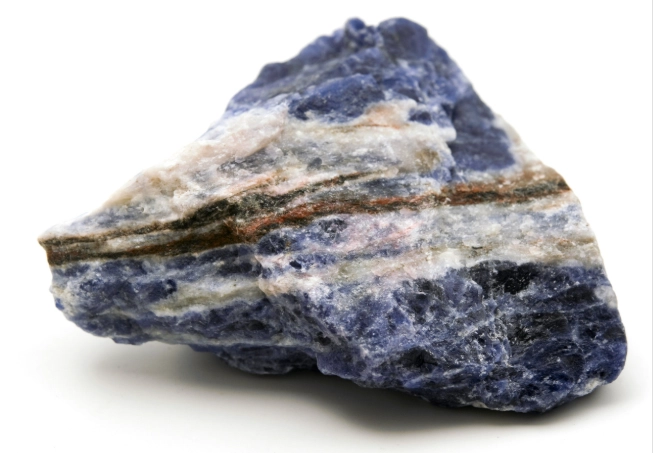
If you're looking for a quick fix or magical thinking, this might not be your page. But if you want a solid, no-nonsense guide that treats you like an intelligent person curious about a fascinating mineral, you're in the right place. We'll cover how to spot a fake sodalite stone (way more common than you think), what people actually do with it, and whether its famous "properties" have any basis you might connect with.
The Core Takeaway: Sodalite is a rich blue mineral, often with white calcite veins, prized as both a decorative stone and a staple in metaphysical practices. Its signature color comes from tiny sulfur compounds trapped in its structure. It's not a rare gemstone, but high-quality, deeply colored material is always in demand.
What Exactly Is Sodalite? Breaking Down the Science
Before we talk about energy or chakras, let's get our facts straight. Scientifically speaking, sodalite is a member of the feldspathoid mineral group. That's a fancy term for minerals that look a bit like feldspar but have different chemistry and form in silica-poor environments. Its chemical formula is Na8Al6Si6O24Cl2, which basically means it's built from sodium, aluminum, silicon, oxygen, and chlorine. The chlorine part is interesting—it's what makes it a "sodalite-group" mineral.
Now, the blue. This is the big one. Pure sodalite is actually white or gray. The mesmerizing royal blue, navy, and violet-blue hues come from color centers. These are tiny defects in the crystal lattice, often caused by the presence of sulfur atoms or exposure to natural radiation over millions of years. It's a similar trick of the light that makes some diamonds yellow or smoky quartz brown. You can read a more technical breakdown of this color phenomenon from the Gemological Institute of America.
It's mostly opaque, with a vitreous to greasy luster. You won't get a transparent sodalite crystal for faceting—it just doesn't form that way. It's a rock-forming mineral, commonly found in masses. The classic look is that deep blue background webbed with white, gray, or sometimes yellow veins. Those veins are usually calcite or other minerals that grew alongside it.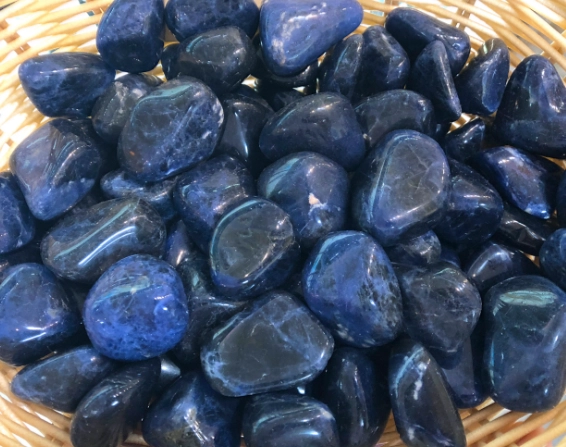
The Main Types of Sodalite You'll Encounter
Not all sodalite is created equal. The market has a few distinct varieties, and knowing them helps you buy smarter.
| Type Name | Key Characteristics | Common Sources & Notes |
|---|---|---|
| Classic Blue Sodalite | Deep navy to violet-blue with prominent white calcite veining. The most common and iconic form. | Primarily from Brazil, Canada (Ontario), Namibia, and Russia. The material from Bancroft, Ontario, is famous. |
| Hackmanite | A rare variety of sodalite that exhibits tenebrescence (reversible photochromism). It can change color under UV light or sunlight. | Found in Greenland, Afghanistan, Myanmar. A collector's favorite due to its "chameleon" effect. |
| Royal Blue Sodalite | A higher-grade material with more intense, uniform blue color and minimal veining. Often more expensive. | Less common. Prized for cabochons and higher-end carvings where a clean look is desired. |
| Sodalite Syenite ("Blue Pearl" Granite) | Actually a rock, not a pure mineral. Sodalite crystals are embedded in a host rock (like nepheline syenite), creating a speckled blue appearance. | Used as a decorative building stone. The "Blue Pearl" variety from Norway is a well-known example. |
I have a small piece of Hackmanite, and it's genuinely cool. Leave it in the sun and it pales; put it in a dark drawer for a day and it deepens again. It's a neat party trick that reminds you these are dynamic, physical objects, not just static decor.
Why Are People So Drawn to Sodalite? Meaning and Uses
Okay, science class is over. This is where most people's curiosity kicks in. The sodalite crystal has accumulated a mountain of meaning over the years, particularly in spiritual and alternative wellness circles. Is it all wishful thinking? Maybe. But the patterns in how people use it are consistent and tell us something about what they're looking for.
It's overwhelmingly dubbed the "Stone of Logic" or the "Poet's Stone." There's a perceived tension there—logic versus expression. I think the connection is clarity. Logic requires clear thinking, and honest self-expression requires clarity of emotion. The deep blue color is often associated with the throat and third eye chakras, centers linked to communication and intuition. So the use of a sodalite crystal often revolves around untangling mental knots and finding your authentic voice.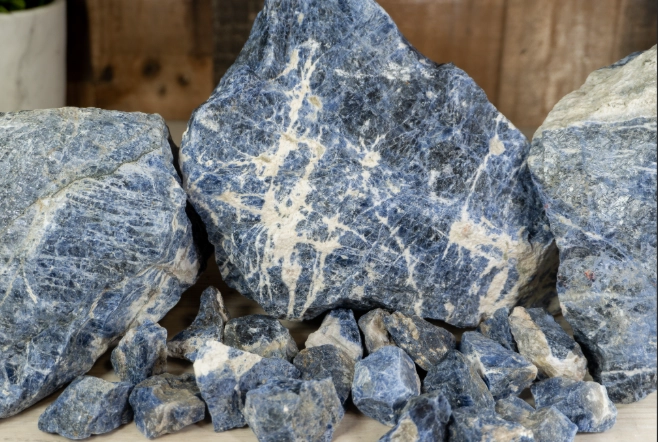
Here’s a breakdown of how people actually integrate sodalite into their lives, beyond just placing it on a shelf:
For the Mind (The Practical Stuff)
- Meditation Aid: Holding a tumbled stone or placing it nearby during meditation. The focus is often on the third eye (forehead) to encourage inner vision or the throat for releasing unspoken truths.
- Desk Companion: A small sphere or palm stone on a work desk, intended as a tactile reminder to stay calm and rational during stressful projects or meetings.
- Sleep Support: Some place it on a nightstand, believing its calming energy can quiet anxiety and promote more restful sleep. (No scientific proof, but a calming ritual can be effective in itself.)
For the Space (The Decorative Stuff)
- Statement Pieces: Large, polished bowls, spheres, or bookends. The blue and white contrast makes it a striking natural art piece.
- Jewelry: Beads for bracelets and necklaces, or cabochons set in silver. Worn as a personal talisman for confidence and clear communication throughout the day.
- Gridding: Used in crystal grids with other stones, often placed in positions representing communication or mental clarity.
My personal take?
I keep a small, polished sodalite crystal on my writing desk. Do I think it's magically making my prose better? No. But I do find that fidgeting with its cool, smooth surface helps pull me out of procrastination loops. It's a physical anchor. The blue is calming. That's a real, psychological effect—color psychology is a thing. So whether the effect is "energetic" or psychological becomes a bit of a moot point if the result is the same: you feel a bit more centered.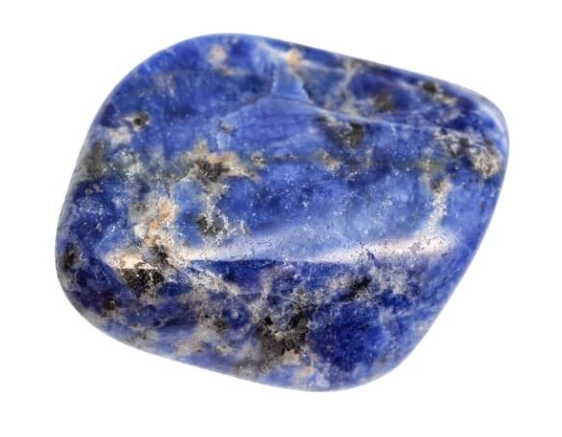
A Reality Check: It's crucial to state that there is zero credible scientific evidence that crystals like sodalite can heal physical illnesses, alter your biochemistry, or manipulate a measurable "energy field" around you. Any claims of curing diseases should be met with extreme skepticism and are a major red flag. Their value is in their potential for mindfulness, intention-setting, and their undeniable beauty as natural objects.
The Buyer's Guide: How to Pick a Genuine, Quality Sodalite
This is where you can save money and avoid disappointment. The market is flooded with dyed howlite and magnesite masquerading as sodalite. I've been burnt before, buying a cheap "sodalite" bracelet that left blue dye on my wrist after a sweaty day. Not cool.
Here’s your checklist for spotting the real deal:
- Check the Veining: Real sodalite typically has white or gray veining (calcite). If the veins are a stark, web-like black, it's almost certainly dyed howlite. Howlite has a natural web-like pattern that takes dye perfectly.
- Examine the Color Uniformity: Natural sodalite crystal color can be uneven—patches of lighter and darker blue. A piece that is a perfectly uniform, bright royal blue is suspicious. Look for subtle color zoning.
- The Scratch Test (Carefully!): Sodalite has a Mohs hardness of 5.5-6. It can be scratched by a steel knife (hardness ~5.5) with some pressure. Glass (hardness 5.5) is a close call. If it's absurdly soft and easily scratched, it might be something else.
- Look for Inclusions: Genuine stones often have tiny imperfections, other mineral inclusions, or a slightly granular look in certain lights. Fake glass or resin imitations will look too perfect, with bubbles or a plastic-like sheen.
- Ask for the Source: Reputable sellers will often know where their material is from. Brazilian or Canadian origin is a good sign.
For geological verification of mineral properties, I always cross-reference with a trusted source like Mindat.org, the definitive mineralogical database. It's an invaluable resource.
Price point is also a clue.
Genuine tumbled sodalite stones are not terribly expensive. If a palm-sized piece is priced like a rare gem, walk away. Conversely, if a large, deeply colored carving is dirt cheap, it's probably fake. Trust your gut.
Caring for Your Sodalite Crystal
You've got a real piece. Now how do you keep it looking good? Sodalite is decently durable but has some vulnerabilities.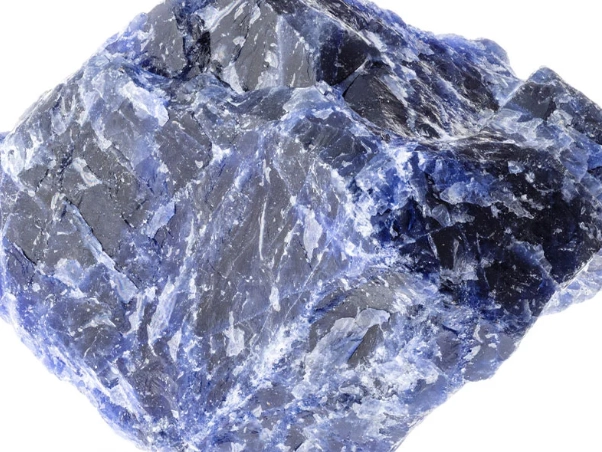
Do: Clean it with mild soap, lukewarm water, and a soft cloth. Dry it thoroughly. Store it separately in a soft pouch to prevent scratches from harder stones like quartz or topaz.
Don't: Use ultrasonic or steam cleaners. The vibrations and sudden heat can cause fractures, especially if the stone has internal veining or flaws. Avoid prolonged soaking and harsh chemicals. Keep it out of direct, harsh sunlight for extended periods to prevent potential fading (though this is slow, it's best to be safe).
Your Sodalite Questions, Answered
Let's tackle some of the specific things people type into Google. These are the real, granular questions that other guides often gloss over.
Final Thoughts: Is Sodalite Right for You?
Look, the world of crystals can feel overwhelming. Sodalite stands out because it bridges a gap. It's scientific enough to be interesting to rockhounds and beautiful enough for interior designers. It has a centuries-long history of use in carvings and architecture (look up the Prince of Wales's sodalite-lined room in Buckingham Palace). And it has developed a modern following for its purported mental and emotional benefits.
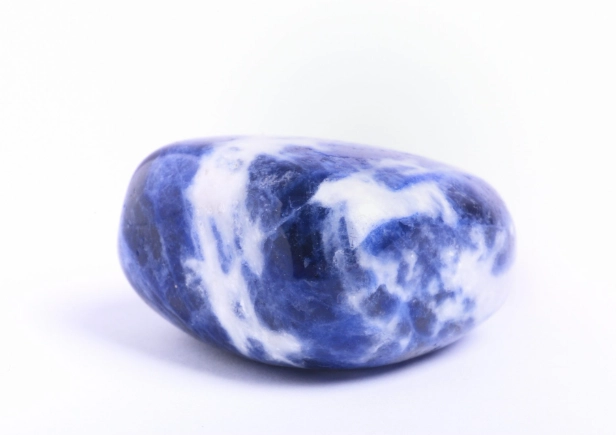
My advice? Don't buy into the hype blindly. Buy it first because you're drawn to its beauty. A deep blue sodalite crystal with swirling white veins is a piece of the Earth's art. Then, if you're inclined, explore its uses with a curious but critical mind. Use it as a focus point for your own intentions—for clearer thinking, for more honest conversations. The ritual itself has power, regardless of the object.
Start small. A single tumbled stone is affordable and lets you get a feel for it. Learn to identify it. Appreciate its geology. From that place of grounded knowledge, anything else you experience with it becomes more personal and more meaningful. And you'll definitely be able to spot a fake from a mile away, which is a satisfying skill in itself.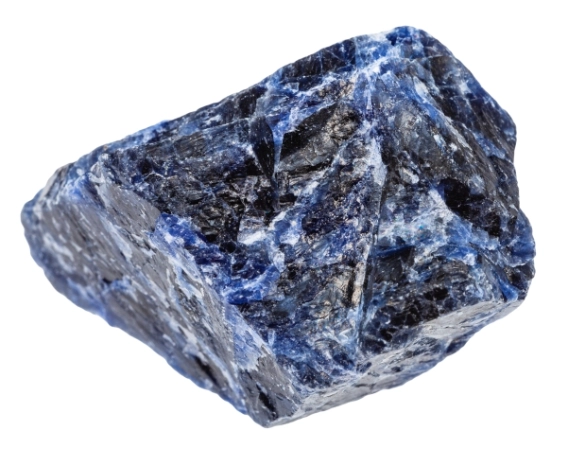
Just remember: no crystal is a substitute for professional medical advice, therapy, or good old-fashioned hard work. But as a tool for mindfulness, a beautiful object of contemplation, and a fascinating natural mineral, sodalite has earned its place on the shelf.
Related Articles
Kyanite Meaning Explained: Healing, Geology & How to Use It
Moonstone Meaning & Uses: The Ultimate Guide to This Magical Gem

Black Jade: The Ultimate Guide to Meaning, Uses & Identification
Unlock the Power: Black Onyx Benefits for Women Explained
What is the Spirituality of Citrine? A Complete Guide