Your Guide at a Glance
Let's talk about blue fluorite. You've probably seen it online, in crystal shops, or maybe a friend has a piece. It's that stunning crystal with colors ranging from a soft, hazy sky blue to a deep, almost oceanic teal. It catches the light in a way that's just... calming. But what's the real deal with it? Is it just another pretty stone, or is there more going on? I've been collecting and studying crystals for years, and I've seen a lot of hype come and go. Blue fluorite, though, has stuck around for good reasons, and also some that might surprise you.
This guide isn't about throwing spiritual jargon at you. We're going to dig into what blue fluorite actually is—its science, its sources, the claims people make about it, and most importantly, how you can navigate the often-confusing world of buying it. I'll share some things I like about it, and a few drawbacks I've personally experienced that most blogs won't tell you. By the end, you'll know exactly what to look for, what to avoid, and whether a piece of blue fluorite is right for you.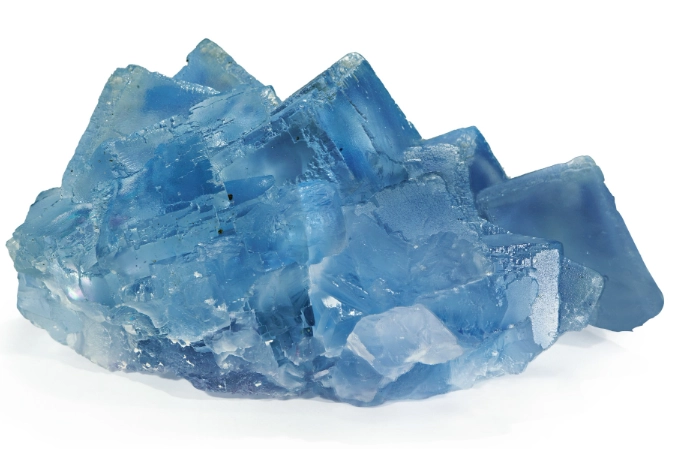
Quick Take: Blue fluorite is a specific color variety of the mineral fluorite (calcium fluoride). It's known for its cubic crystals, stunning clarity, and colors caused by trace elements or radiation exposure. Beyond its geology, it's hugely popular in metaphysical circles for promoting calm and clear communication.
What Exactly Is Blue Fluorite?
First things first, let's strip away the mystery. Fluorite is a real mineral, not something made up for the crystal trade. Its chemical name is calcium fluoride (CaF₂). It forms in cubic or octahedral crystals, and you can often see perfect right-angle cleavage lines. That means it breaks cleanly along those planes, which is why you see so many tumbled stones or carved shapes—it's relatively easy to work with.
The blue color in fluorite is a bit of a geological puzzle. Pure fluorite is colorless. The blue hues come from something messing with its perfect structure. Sometimes it's trace amounts of rare earth elements. Other times, believe it or not, it's due to natural radiation exposure deep in the earth over millions of years. This radiation knocks electrons around in the crystal lattice, creating "color centers" that absorb specific light wavelengths and let the blue shine through. You can read more about this fascinating process in mineralogy on the Mindat.org fluorite page, a fantastic non-commercial mineral database.
So when you hold a piece of blue fluorite, you're holding a piece of ancient geological history.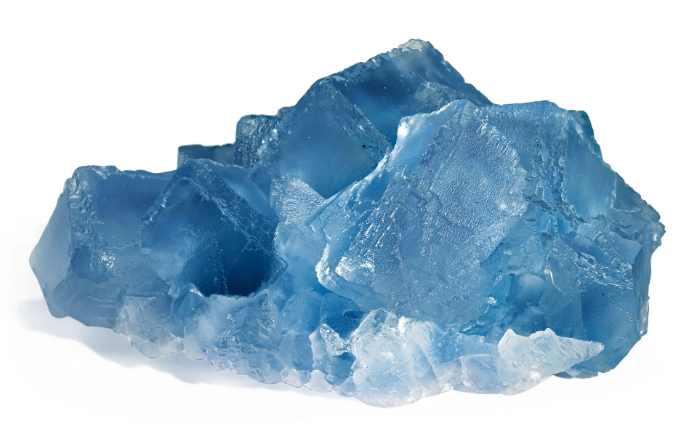
It's also famously fluorescent under ultraviolet light—that's where the name comes from! Although, a heads up: not all fluorite fluoresces strongly, and the blue varieties can be hit or miss. I've had pieces that glow a faint violet and others that do nothing. Don't buy it solely for the glow effect; you might be disappointed.
The Different Shades of Blue: From Sky to Sea
Not all blue fluorite is created equal. The color can tell you a bit about its origin and even its quality.
- Pale Sky Blue: Often the most common shade you'll find. It can be very clear and glassy. Sometimes this lighter color is associated with certain deposits in places like China.
- Deep Royal Blue: Richer and more saturated. This is often what people picture when they think of a high-quality blue fluorite. Pieces from Derbyshire, England, can have this classic look.
- Greenish-Blue (Teal): This is where it gets interesting. Many stones marketed as blue fluorite have a distinct green undertone. It's still beautiful, but purists might argue it's not "true" blue. I personally love these variations.
- Banded Blue & Purple: Fluorite is famous for zoning. You might find a cube with layers of blue and purple, or even blue and clear white. These are spectacular and show how the mineral's forming conditions changed over time.
My first piece was a small, tumbled teal-blue stone. I thought it was just blue, but under different lights, the green really popped out. I was almost annoyed at first—I wanted pure blue!—but now it's one of my favorites for its uniqueness. It taught me to appreciate the natural variation.
Where in the World Does Blue Fluorite Come From?
Knowing the source matters. It affects price, availability, and sometimes even the energy people attribute to it (if you're into that). The global market for fluorite is massive, mostly for industrial use in making steel and chemicals, but gem and specimen quality comes from specific spots.
Here’s a breakdown of the major sources for collector and healing-grade blue fluorite crystals: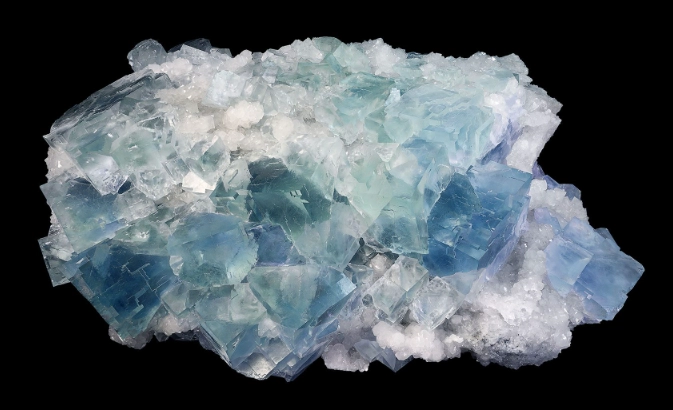
| Location | Typical Color & Form | What's Special & What to Watch For |
|---|---|---|
| China (Hunan, Zhejiang provinces) | Often pale to medium blue, sometimes with purple zoning. Comes as large, often etched or carved clusters, towers, and hearts. | This is the most common source in shops today. The material can be abundant and affordable. Quality varies wildly—from exquisite, transparent cubes to heavily included, milky masses. Much of it is treated or enhanced for shape. |
| England (Derbyshire, Weardale) | Classic deep blue, often in distinct cubic crystals, sometimes on a matrix. Also famous for "Blue John" banded purple and yellow fluorite. | The classic locale. Specimens from here are highly prized by collectors. Authentic, high-quality Derbyshire blue fluorite commands a premium price. Be wary of fakes or mislabeled stones. |
| Germany (Erzgebirge region) | Can produce beautiful, gemmy blue cubes, often associated with silver ores. | Less common in mainstream crystal shops, more in specialist mineral dealers. Known for excellent crystal form and clarity. |
| USA (Illinois, Kentucky) | Typically purple, green, or yellow. True blue is very rare from these famous fluorite districts. | If someone is selling "Illinois blue fluorite," be extremely skeptical. It's almost certainly mislabeled or from elsewhere. The famous US fluorite is rarely blue. |
| Namibia (Okorusu) | Can produce stunning, gem-quality blue-green fluorite in complex crystals. | High-end material. You'll see this in fine mineral collections. The color can be exceptional and vibrant. |
Why does origin matter? Well, if you're paying top dollar for a "rare Derbyshire specimen," you should probably make sure it's genuine. A lot of Chinese material gets sold without proper locality tags. There's nothing wrong with Chinese fluorite—I have several great pieces—but you shouldn't pay an English price for it.
A Reality Check: The vast, vast majority of blue fluorite on Etsy, in healing shops, and at general gem shows is from China. That's not bad, it's just the market reality. The key is buying based on the piece's own beauty and quality, not a potentially fictional backstory.
So, What's It *Supposed* to Do? Meanings and Uses
Alright, here's the part people search for the most: the metaphysical properties. I'll lay out the common beliefs, and you can take what resonates. Remember, this isn't proven science; it's based on tradition, anecdote, and personal experience. The International Crystal Association (ICA) provides overviews of these commonly accepted uses in crystal healing practices.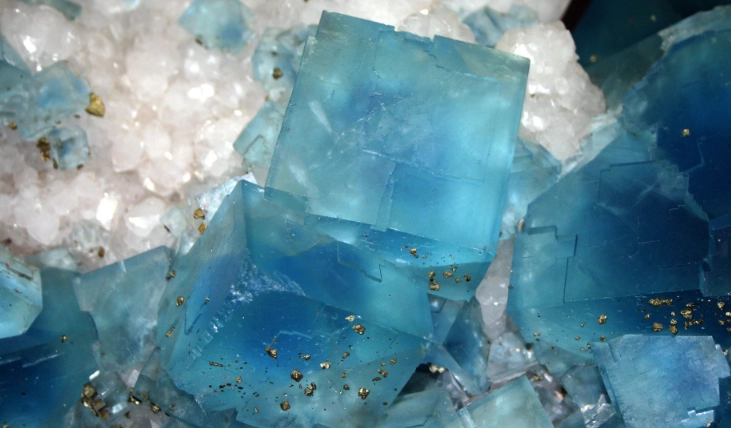
The Throat Charma and Communication Stone
This is blue fluorite's biggest claim to fame. Associated with the Throat Chakra (Vishuddha), it's said to be a crystal of clear communication. The idea is that it helps you organize scattered thoughts and speak your truth with clarity and calm, not anger or anxiety.
Think of it this way: have you ever been in an argument and your mind goes blank, or you can't find the right words? Or maybe you're preparing for a big presentation and your thoughts are all jumbled? Proponents say keeping a piece of blue fluorite nearby can help settle that mental static. I keep a small cube on my desk when I write. Does it magically make me a better writer? No. But it serves as a physical reminder to slow down and articulate clearly. The placebo effect is a powerful thing.
Calm for a Busy Mind (The Antidote to Anxiety?)
Closely tied to communication is its reputation for calming. The blue color is inherently soothing, like looking at a calm sea or a clear sky. In crystal healing, it's often recommended for easing anxiety, quieting a racing mind, and promoting peaceful sleep.
Many users report placing it under their pillow or holding it during meditation. The key here is intentionality. Using the stone as a focal point for breathing and centering yourself can be genuinely effective, regardless of any "energy" it may or may not have.
A Focus Tool for Students and Creatives
This is a practical extension of its "mental clarity" property. Because fluorite is said to absorb and neutralize negative energies and mental chaos, students sometimes use it while studying to improve concentration. Creatives might use it to break through mental blocks.
Is it a substitute for good study habits or creative discipline? Absolutely not.
But as a tactile object to fidget with instead of your phone, or as a visual anchor on your desk to remind you to focus, it can have a real, practical benefit. I know an artist who keeps a cluster in her studio simply because she finds the color inspiring.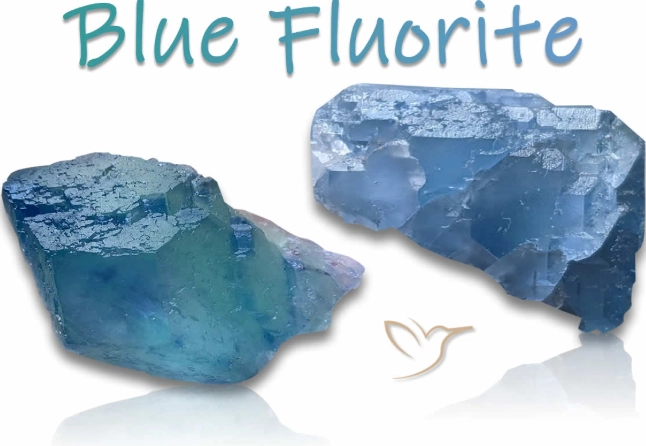
How to Pick a *Good* Piece of Blue Fluorite: A Buyer's Guide
This is where most guides fall short. They tell you all the wonderful things but don't help you navigate the minefield of buying one. Let's get practical. Here’s what I look for, after buying some duds over the years.
Top 3 Things to Prioritize
- Color and Saturation: Do you love the color? This is personal. Some prefer the pale, ethereal blues, others the deep, vivid ones. Look for a color that speaks to you. Avoid stones that look dull, grayish, or washed out unless that's specifically your vibe.
- Clarity and Luster: Good blue fluorite has a vitreous (glassy) luster. It should look clean and bright, not chalky or waxy on the surface. Internal clarity is a bonus—seeing into the crystal is beautiful. But remember, inclusions (internal features) are natural and not necessarily a flaw.
- Form and Craftsmanship: If it's a natural crystal point or cluster, check for intact terminations (the natural pointy ends). If it's tumbled or carved, are the edges smooth? Is the shape pleasing? A poorly carved heart with jagged edges feels cheap.
The Big Watch-Outs (My Personal Pet Peeves)
- The Softness Problem: Fluorite is a 4 on the Mohs hardness scale. That means it's soft. A steel knife (5.5) can scratch it. It's not great for everyday-wear rings or bracelets that will knock against things. I learned this the hard way with a beautiful blue fluorite ring that got scratched in a matter of weeks. Reserve it for pendants or earrings, or keep it as a display/meditation piece.
- Fakes and Imitations: Be aware of glass or resin imitations. Real fluorite feels cool to the touch, has natural variations in color, and may have tiny internal fractures or inclusions. Glass often feels warmer, has bubbles or swirls, and is too perfect. If a "cluster" looks like it was poured from a mold, it probably was.
- Dye Jobs: Pale fluorite is sometimes dyed a bright, unnatural blue. The dye often collects in cracks. If you see intense blue concentrated in fractures on an otherwise pale stone, be suspicious. A drop of acetone on a cotton swab rubbed on an inconspicuous spot might reveal dye (seller permission pending!).
- Heat Treatment: Some less-desirable brown or green fluorite is heat-treated to turn it blue. This is harder to detect, but the color can sometimes look a bit flat or uniform compared to natural blue fluorite. Reputable dealers should disclose this.
When in doubt, buy from a reputable seller who provides good photos and is willing to answer questions about treatment and origin. Don't be shy to ask, "Is this color natural?" or "Has this been treated in any way?"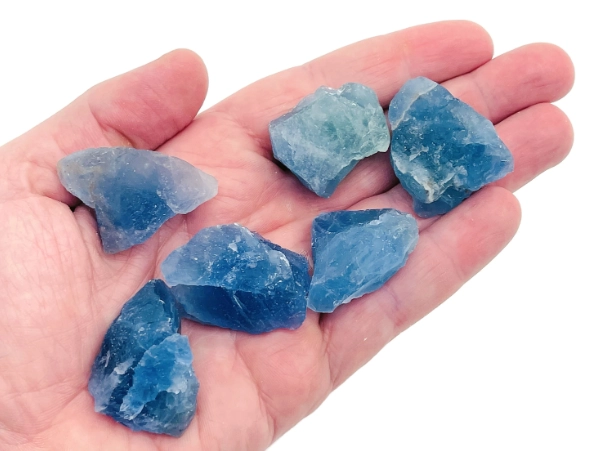
Caring for Your Blue Fluorite
You've got a beautiful piece. Now, keep it that way.
- Keep it Dry: Prolonged exposure to water can damage the surface or seep into tiny cracks. Quick rinses are okay, but don't soak it. Definitely don't put it in salt water.
- Sunlight Fading: This is a big one. Like many colored stones, blue fluorite can fade in direct, strong sunlight over time. Don't leave it on a windowsill for months. Display it in indirect light.
- Storage: Because it's soft, store it separately from harder crystals like quartz, amethyst, or topaz. A soft pouch or a separate compartment in your box will prevent scratches.
- Cleansing (Energetic): If you use it for metaphysical purposes, popular cleansing methods include smudging with sage, placing it on a selenite plate, or using sound (a singing bowl or bell). Avoid water and salt for the reasons above.
Final Thoughts: Is Blue Fluorite Right for You?
Look, the world of crystals can be overwhelming. So here's my straight take.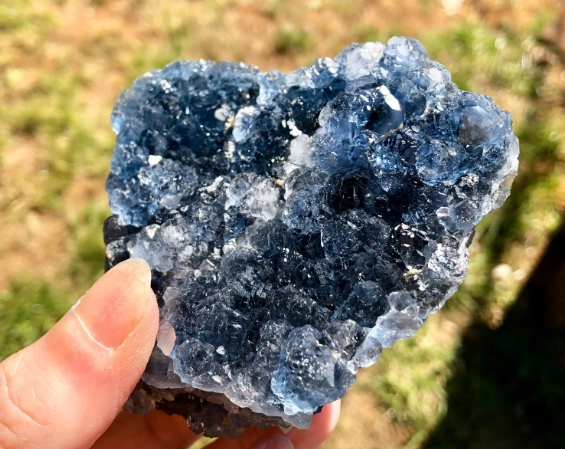
If you're drawn to the color blue, if you need a physical reminder to breathe and speak clearly, or if you just want a beautiful piece of the natural world on your shelf, then yes, blue fluorite is a fantastic choice. It's accessible, has a rich geological story, and its purported benefits are all about positive, practical things like calm and communication.
But go in with your eyes open. Know it's a soft stone. Don't overpay for a fake backstory. Judge each piece on its own visual merits—the color that makes you pause, the clarity that draws you in. Forget the hype for a second and ask yourself: do I simply like looking at this?
That's the best reason to bring any crystal, including blue fluorite, into your life. It starts with a genuine appreciation for the object itself. Everything else—the calm, the focus, the connection—flows from that. At least, that's what I've found after all these years. Happy hunting.
Related Articles
Pure Jasper Stone: What It Looks Like & How to Identify Real Jasper
Is Dalmatian Jasper Rare? The Truth About This Spotted Stone
The peak battle of the three giants in wafer foundry
Why Blue Kyanite Costs So Much: The Real Reasons
Garnet Properties: More Than Just a Pretty Gemstone