Navigate This Guide
- First Things First: What Even Is Rhodonite?
- The Core Benefits: What Does Rhodonite Actually Do?
- The Clear-Cut Answer: Who Should Wear Rhodonite?
- Who Might Want to Think Twice?
- How to Wear and Use It: Making It Work For You
- Rhodonite vs. The Look-Alikes: Don't Get Confused
- Your Rhodonite Questions, Answered (FAQ)
- Final Thoughts: Listening to Your Own Heart
So, you're wondering who should wear Rhodonite? Let's cut right to the chase. If you've ever felt like your heart is carrying a weight it wasn't designed for, or you find yourself constantly pouring into others until your own cup is bone dry, this pink and black stone might be whispering your name. It's not just another pretty crystal for your Instagram shelf. Rhodonite has a job, a specific purpose, and it resonates deeply with a certain kind of person. I've worn a piece for years, not every day, but always when life feels a bit too sharp around the edges. It's less of a magic fix and more of a gentle, persistent reminder.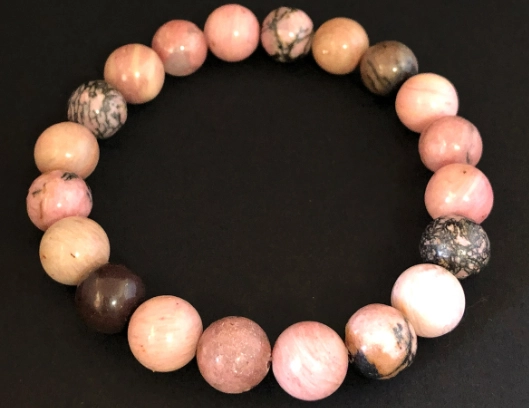
This guide isn't about vague, flowery crystal descriptions you can find anywhere. We're going to get practical. We'll look at the real mineralogy behind it (because knowing it's a manganese inosilicate actually matters), the historical context that gives it weight, and most importantly, the very specific human experiences and personalities it seems to align with. By the end, you'll have a clear, no-nonsense answer to whether you, or someone you know, is the ideal candidate for Rhodonite's unique energy.
First Things First: What Even Is Rhodonite?
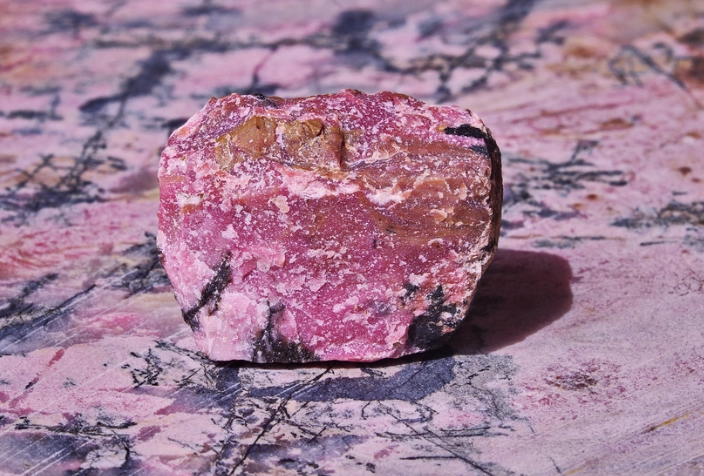
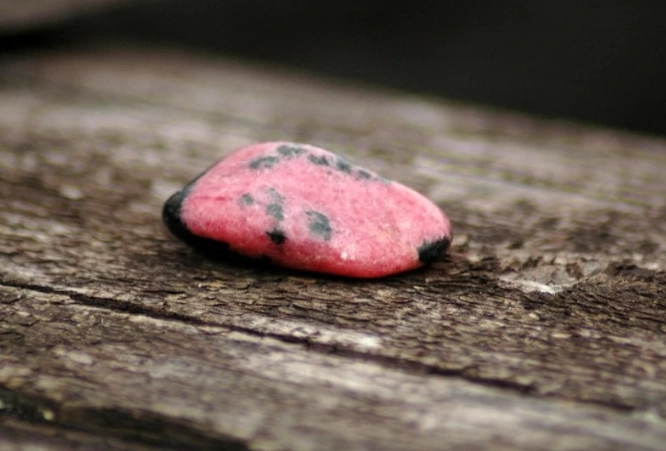
Before we decide who should wear it, let's know what "it" is. Rhodonite is a stunning mineral, typically a rosy pink to deep red, almost always veined or patterned with black manganese oxide. That black isn't a flaw—it's a key part of its character. The pink speaks of compassion, love, emotional healing. The black? That's grounding, protection, and dealing with the root of emotional scars. It's a stone that acknowledges the beautiful and the bruised parts of the heart simultaneously.
Geologically, it's found in places like Russia, Australia, Sweden, and parts of the US. The quality varies wildly. Some pieces are a pale, almost translucent pink, while others are a deep, raspberry jam red. The composition is primarily manganese, silicon, and oxygen. You can dive into the precise crystallography and localities on Mindat.org's Rhodonite page, a trusted mineralogical database, if you're into the hard science. I like knowing that stuff—it grounds the ethereal talk in something tangible.
The Core Benefits: What Does Rhodonite Actually Do?
This is where we separate the hype from the consistent, reported experiences. Rhodonite's reputation isn't built on one thing, but a cluster of interconnected themes centered on emotional intelligence and resilience.
- Emotional Healing from Old Wounds: This is its big one. It's famously known as a stone of compassion, but specifically for self-compassion. It's said to help you look at past hurts, not with fresh pain, but with understanding, allowing you to integrate the experience and move on. It doesn't erase the memory; it softens its sharp edges.
- Calming Emotional Chaos: For those who feel things intensely—anxiety, panic, overwhelming grief—Rhodonite is often described as a balm. It doesn't sedate; it's said to bring a sense of order and calm to internal turmoil. Think of it as an emotional anchor.
- Encouraging Unconditional Love & Forgiveness: The love it promotes isn't just romantic. It's about fostering forgiveness (towards yourself and others), empathy, and patience. It's for when you're holding a grudge that's burning your own hands.
- Grounding Spiritual Energy: This is where the black veining comes in. While it opens the heart, it's also believed to keep you grounded. It's not a stone that sends you floating off into the cosmos; it helps you bring spiritual or emotional insights down into practical, daily life.
The Clear-Cut Answer: Who Should Wear Rhodonite?
Based on its properties, here are the people who might find a true partner in this stone. This isn't an exhaustive list, but if you see yourself here, pay attention.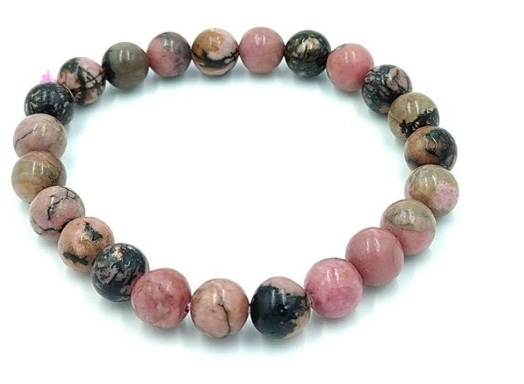
The Emotional Caretaker & The Empath
You know who you are. You're the friend everyone calls at 2 AM. You absorb the stress and pain of people around you—your family, your coworkers, even strangers on the news. You give and give until you have nothing left for yourself. Who should wear Rhodonite? You should. It's touted as a shield for empaths, helping to establish healthy emotional boundaries. It's like a filter that lets compassion flow out but helps block the toxic stress from soaking in. It reminds you that your own heart needs tending first. I've found it useful after long days of intense people-work; it helps me shed that accumulated weight.
Anyone Working Through Past Trauma or Grief
This is a sensitive one, and let me be perfectly clear: a crystal is not therapy. It is not a replacement for professional help. But as a supportive companion on a healing journey? Many swear by it. Rhodonite's energy is said to be gentle yet persistent, encouraging you to face painful memories with courage and self-love rather than avoidance or re-traumatization. It's for the person who is actively doing the work and needs a tool for self-soothing and integration.
The Perpetually Self-Critical & Those Struggling with Self-Love
If your inner voice is a harsh critic, constantly listing your flaws and failures, Rhodonite might help turn the volume down. Its association with self-compassion is powerful. Wearing it is a physical reminder to treat yourself with the same kindness you'd offer your best friend. It's for the overachiever who never feels good enough, the person who apologizes for existing. It encourages you to see your own worth, pink veins softening the black-and-white judgment.
Caregivers in All Professions
Nurses, doctors, therapists, teachers, social workers, parents of young children—anyone in a sustained caregiving role. These jobs are heart-centered but incredibly draining. Rhodonite is believed to help prevent compassion fatigue, renewing your capacity for empathy while protecting your own emotional reserves. It supports the heart so it doesn't burn out.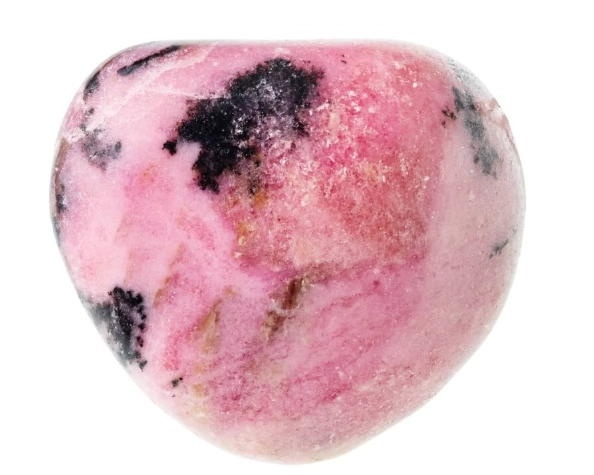
Creatives Blocked by Emotional Baggage
Creative work often flows from the heart space. If you're a writer, artist, musician, or any kind of creator feeling blocked, that blockage can sometimes be rooted in unprocessed emotions or a fear of vulnerability. Rhodonite's heart-opening properties are said to help clear that channel, allowing creative expression to flow from a place of authentic feeling rather than fear.
Who Might Want to Think Twice?
Let's be balanced. Not every stone is for every person. Who should wear Rhodonite? Maybe not someone who is actively avoiding their feelings and prefers stones that are purely uplifting or energizing. Rhodonite will gently guide you inward. If you're not in a place to do that, it might feel irritating or overly somber. Some also find its energy a bit too "soft" if they're looking for strong motivational or protective vibes (for pure protection, many lean towards Black Tourmaline or Obsidian).
Frankly, if you're new to crystals and just want something easy and pleasant, maybe start with Rose Quartz. Rhodonite can go deeper, and sometimes that depth requires a bit of readiness.
How to Wear and Use It: Making It Work For You
Okay, so you think you're a candidate. How do you actually use it? This is where practicality meets practice.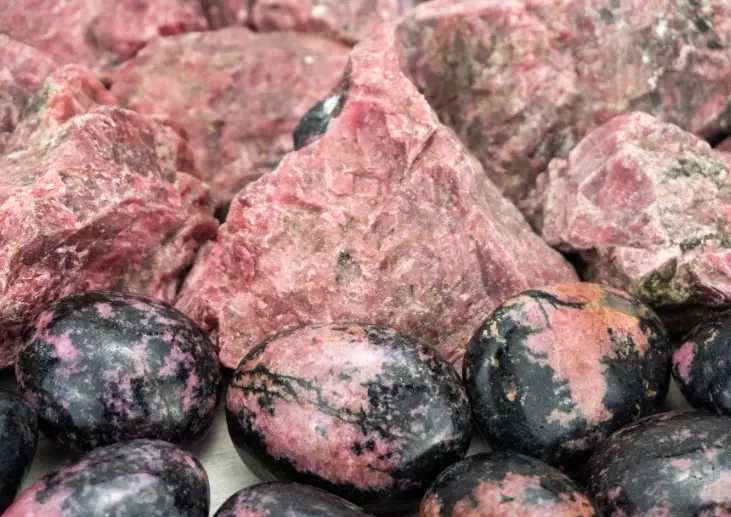
| Method | How-To & Purpose | Best For... |
|---|---|---|
| Jewelry (Pendant) | Worn over the heart center. Keeps the stone's energy in your auric field constantly, promoting all-day emotional balance and heart opening. | Empaths, caregivers, anyone wanting sustained heart-centered support. |
| Jewelry (Bracelet/Ring) | Worn on the hands/wrists. Good for a more subtle connection, reminding you of self-love throughout the day as you use your hands. | Those working on self-compassion, creatives using their hands. |
| Meditation | Hold in your hand or place over your heart during meditation. Focus on breathing love into areas of emotional pain. | Deep emotional healing work, processing specific past events. |
| Pocket Stone | Carry a tumbled piece in your pocket. A tangible touchstone during moments of stress or anxiety. | Managing daily anxiety, on-the-go emotional grounding. |
| Placement in Space | Place a piece in your bedroom (for emotional rest) or living room (to promote loving communication). | Creating a harmonious home environment, aiding relationship dynamics. |
A note on care: Rhodonite is reasonably durable (around 5.5-6.5 on the Mohs scale) but can be scratched. Clean it gently with lukewarm water and mild soap. Avoid harsh chemicals, ultrasonic cleaners, and prolonged sunlight which can fade its color. Energetically, many like to cleanse it under running water, with smoke (like sage), or by placing it on a bed of Selenite.
Rhodonite vs. The Look-Alikes: Don't Get Confused
People often mix up pink stones. Here’s the quick breakdown so you know what you’re really getting.
- Rhodonite vs. Rose Quartz: This is the big one. Rose Quartz is pure, soft pink, known as the stone of universal love. It's gentle, nurturing, and open-hearted. Rhodonite, with its black veins, is the stone of compassionate healing. It's more about dealing with scars and fostering forgiveness. Rose Quartz is like a warm hug; Rhodonite is like a supportive friend who sits with you through the tough memories.
- Rhodonite vs. Rhodochrosite: Rhodochrosite is often a brighter, banded pink/white. It's also for emotional healing but is more closely tied to healing childhood wounds and stimulating joy. Rhodonite feels more mature, dealing with complex adult emotional patterns.
- Rhodonite vs. Pink Opal: Pink Opal is much softer and more fragile. Its energy is also calming and heart-centered but is often described as more soothing for recent, acute emotional upset rather than deep-seated trauma.
The Smithsonian has a great mineral gallery where you can see high-quality specimens of these and other minerals to visually appreciate the differences.
Your Rhodonite Questions, Answered (FAQ)
Final Thoughts: Listening to Your Own Heart
So, who should wear Rhodonite? The answer is personal. Look back at the profiles. Do you see your reflection in the emotional caretaker, the healing heart, the self-critical mind, the weary caregiver, or the blocked creative? If you do, this stone might be a worthy companion on your journey.
The best advice I can give is this: hold a piece. Don't overthink it. Just see how it feels in your hand. Does it feel comforting? Heavy with meaning? Or does it feel inert and uninteresting? Your own intuition is the final arbiter. All the guides (including this one) are just maps. You have to walk the territory yourself.
Rhodonite’s magic, if we can call it that, lies in its quiet partnership. It won’t shout. It won’t perform miracles. But for the right person—the one ready to mend, to forgive, to protect their tender heart while keeping it open—it can be a small, steadfast light in the sometimes-dark work of being human. And really, isn't that what we're all looking for? A little support that feels real.
Related Articles
White Sapphire: The Smart Diamond Alternative Guide & Buying Tips
Dalmation Jasper: Healing Properties, Uses, and Expert Guide
What Does Jasper Crystal Do Spiritually? A Complete Guide to Meaning & Uses
Dalmatian Jasper: Meanings, Healing Uses & How to Spot Fakes
Carnelian Properties: Meaning, Benefits, and How to Use