That first time you see chrysocolla, it stops you. It's not a flat, solid blue. It's like someone captured the shallow Caribbean sea, mixed it with mossy riverbanks, and swirled in streaks of earthy brown. It feels ancient and calming. But beyond its looks, this stone has a reputation. People call it the "wise stone," the "teaching stone," a healer for anxious hearts and tangled words. I've worked with crystals for over a decade, and chrysocolla is one I keep coming back to, not just on my shelf, but in my pocket. Let's cut past the vague spiritual jargon and talk about what chrysocolla really is, how to spot a good piece, and most importantly, how to actually use it.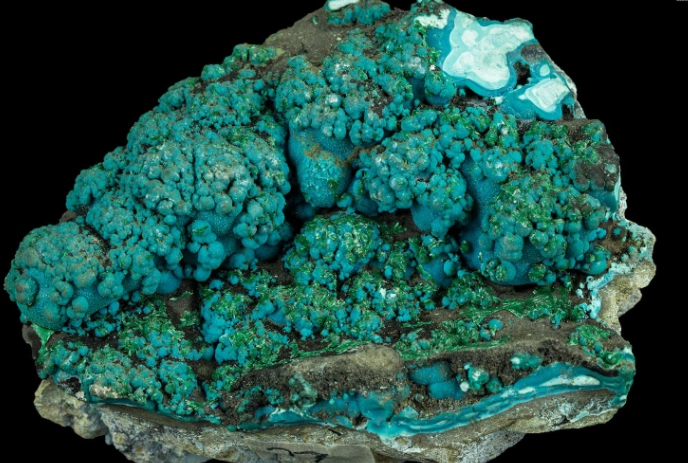
In This Guide: What You'll Learn
- What is Chrysocolla? A Quick Mineral Profile
- Chrysocolla's Healing Properties and Spiritual Meaning
- How to Identify and Test Chrysocolla
- Chrysocolla vs. Similar Stones: Don't Get Confused
- Three Powerful Ways to Use Chrysocolla
- How to Care for Your Chrysocolla (It's Delicate!)
- Your Chrysocolla Questions Answered
What is Chrysocolla? A Quick Mineral Profile
First things first, let's get the science straight. Chrysocolla is a hydrous copper silicate mineral (CuSiO₃·nH₂O). The copper is what gives it that stunning blue-green color, while the silica and water content affect its structure. Here’s the key thing most blogs gloss over: pure chrysocolla is quite soft and fragile, with a Mohs hardness of only 2.5 to 3.5. That means a fingernail or a copper coin can scratch it.
So why do you see tough, polished chrysocolla cabochons in jewelry? They're almost never pure. Chrysocolla frequently mixes with, or forms a crust around, harder minerals like quartz, chalcedony, or even turquoise. When it's mixed with quartz, it's often sold as "gem silica" or "chrysocolla chalcedony"—this is the more durable, jewelry-grade material. The best deposits, in my experience, come from Arizona, Peru, and the Democratic Republic of Congo.
Quick Fact: The name comes from the Greek words "chrysos" (gold) and "kolla" (glue), because ancient miners supposedly used it as a flux to solder gold. A practical start for such a spiritual stone.
Chrysocolla's Healing Properties and Spiritual Meaning
Alright, let's talk about the energy stuff. This is where chrysocolla shines, but also where misinformation spreads. I’ll break down the common beliefs and then give you my grounded perspective.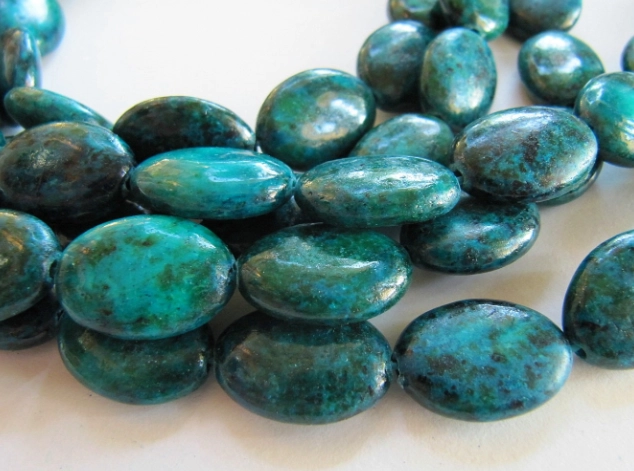
The Emotional and Energetic Profile
Universally, chrysocolla is linked to calm, communication, and feminine wisdom. It's not a fiery, motivational stone. It's a cooling, soothing one. Think of it for moments of:
- Anxiety and Overwhelm: Its energy is often described as a gentle, maternal hug. It's my go-to when my mind is racing with "what-ifs." I keep a tumbled stone by my desk.
- Communication: Not for boosting loud confidence, but for fostering clear, compassionate, and truthful expression. It’s for those difficult conversations where you need to speak from the heart without accusation.
- Spiritual Connection: Associated with the throat and heart chakras, it’s said to help bridge the gap between feeling and articulating those feelings. Some connect it deeply with goddess energy and earth wisdom.
But here’s my non-consensus take: chrysocolla isn't a quick fix. Its energy is subtle and integrative. You don't wave it and feel instant peace. It works more by creating a sustained, gentle field that makes it easier to access your own calm over time. It's a companion, not a magician.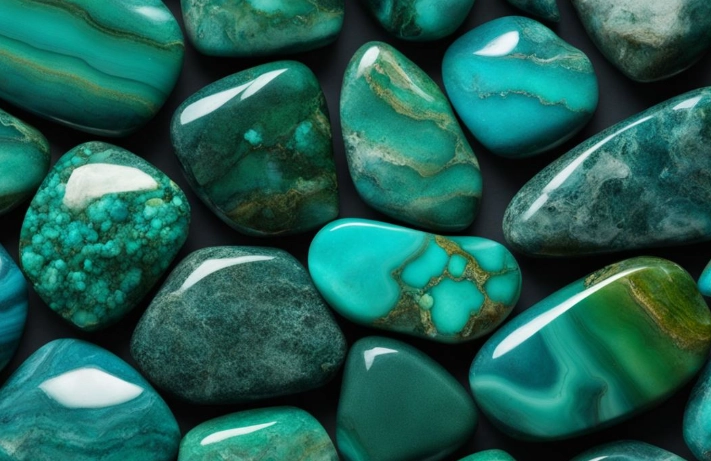
A Quick Note on "Science" vs. Belief
No credible scientific study proves crystals heal physical ailments. The benefits are anecdotal and rooted in mindfulness, placebo, and intentionality. The real "power" comes from using the stone as a tangible focus for your own intentions. Knowing that helps you avoid scams and use it more effectively.
How to Identify and Test Chrysocolla
This is crucial. The market is full of dyed howlite, magnesite, or even plastic masquerading as chrysocolla. Here’s how to not get duped.
- The Hardness Test (Gentle!): Remember, pure chrysocolla is soft. If you have a loose stone, try scratching an inconspicuous spot with a copper penny (hardness 3). If it scratches easily, it could be genuine but will be fragile. If it doesn't scratch, it's likely chrysocolla mixed with quartz (much better for jewelry). A steel knife (hardness 5.5) will scratch pure chrysocolla but not quartz-rich material.
- Look at the Patterns: Real chrysocolla has organic, flowing, almost painterly patterns of blue, green, and brown. It rarely has perfectly uniform color or sharp, geometric lines. Fakes often look too perfect, too uniformly turquoise, or have obvious dye concentrations in cracks.
- Weight and Temperature: Real stone feels denser and cooler to the touch than plastic or resin. Hold it in your hand; it should take a moment to warm up.
- Price is a Clue: Large, deep blue, solid-looking cabochons sold for $10 are almost certainly fake. Real, good-quality chrysocolla or gem silica has a higher price point due to its scarcity and workability.
A personal story: I once bought a "chrysocolla" pendant online that looked gorgeous. It arrived light as a feather and warm from the mail truck. It was resin. A hard lesson learned—now I always ask about material composition.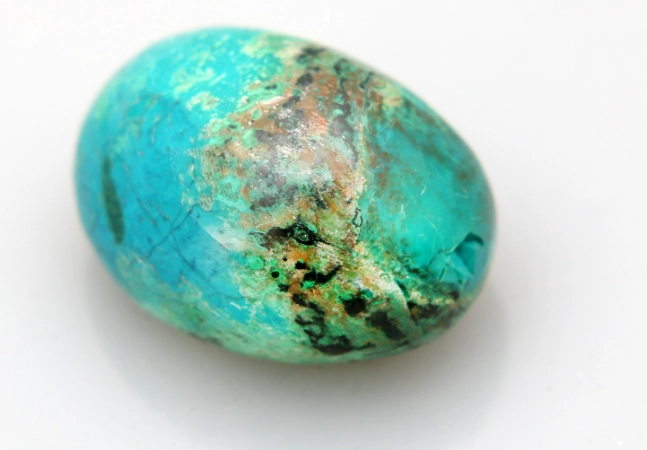
Chrysocolla vs. Similar Stones: Don't Get Confused
It's easy to mix these up. They're all beautiful blue-greens, but their properties and care differ.
| Stone | Key Differences | Best For | Care Level |
|---|---|---|---|
| Chrysocolla | Softer (2.5-3.5), painterly swirls of blue/green/brown, often mixed with quartz for stability. | Calming anxiety, compassionate communication, gentle wisdom. | High - avoid water, chemicals, hard knocks. |
| Turquoise | Harder (5-6), often has a distinctive matrix (web-like lines), opaque color is more uniform. | Protection, friendship, strength. A more "grounded" and traditional energy. | Medium - can be porous, avoid oils and lotions. |
| Malachite | Much harder (3.5-4), bold, concentric banding in dark and light green, no blue tones. | Transformation, breaking old patterns, absorbing negativity (requires frequent cleansing). | Medium - avoid acids and prolonged water. |
Three Powerful Ways to Use Chrysocolla
Forget just putting it on a shelf. To get the value, you need to interact with it. Here are three methods I've found most effective.
1. As Jewelry (The Most Personal Method)
Wearing it keeps its energy in your aura all day. But choose wisely.
- Necklaces or Pendants: Positioned near the throat and heart, perfect for communication and emotional balance. This is my top recommendation.
- Bracelets: Good for a constant, subtle reminder of calm. Ensure it's a quartz-mix variety for durability.
- Rings (Be Careful): Honestly, chrysocolla is a poor choice for rings unless it's a very protected setting. It will scratch and degrade quickly with daily hand use.
Pro Tip: When you put it on, take a breath and set a simple intention. "Today, I speak with clarity and kindness" or "I carry calm with me." It programs the stone to your purpose.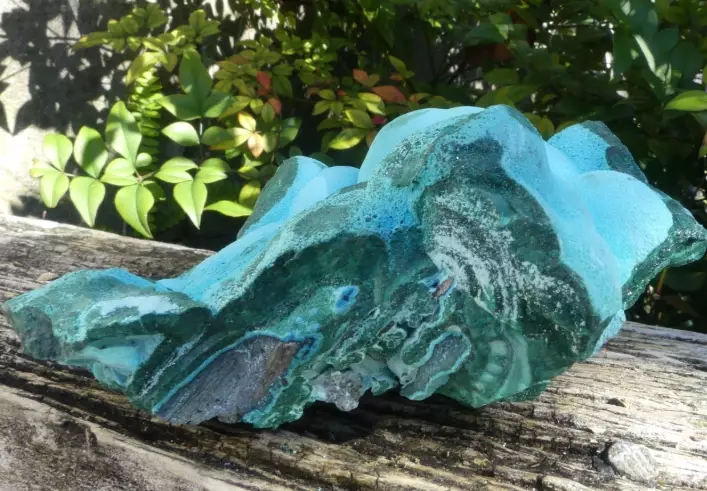
2. In Meditation or Breathwork
Hold a tumbled stone in your non-dominant hand (your receptive hand) during meditation. Focus on its cool, smooth surface. If your mind wanders to an anxious thought, gently bring your attention back to the weight and feel of the stone. It's a physical anchor. I know several breathwork coaches who place a large piece in the center of the room to help set a serene atmosphere.
3. As a Home or Office Decor Piece
Place a larger specimen in areas where communication happens or stress builds.
- Living Room: To promote harmonious family conversations.
- Home Office: On your desk to mitigate work frustration and help you articulate emails clearly.
- Bedside Table: To soothe the mind before sleep and encourage peaceful dreams.
A friend of mine, a therapist, keeps a beautiful chrysocolla slab on a small table between her and her clients. She says it subtly helps hold a space of non-judgmental listening.
How to Care for Your Chrysocolla (It's Delicate!)
This is where most beginners ruin their stone. Chrysocolla is water-sensitive and soft.
Cleaning: Never soak it in water or use ultrasonic cleaners. The water can seep in, weaken the structure, and cause cracks or cloudiness. Instead, use a dry, soft cloth. For a deeper energetic cleanse, use indirect methods: smudge with sage smoke, place it on a selenite charging plate, or surround it with dry rice overnight.
Storage: Keep it separate from harder crystals like quartz or amethyst to prevent scratches. A soft pouch or a dedicated compartment in a jewelry box is ideal.
Recharging: Moonlight is safe and effective. Place it on a windowsill during a full moon. Avoid prolonged direct sunlight, as the colors can fade over many years.
Your Chrysocolla Questions Answered
Chrysocolla is a journey, not a destination. It won't shout its presence. It whispers. Start with a single, genuine tumbled stone. Hold it during a tense moment. Notice if your breath gets a little deeper. That's where the real magic begins—not in the stone, but in the mindful space it helps you create for yourself.
Related Articles
This technology used by Apple's chip has great potential!
Garnet Properties: More Than Just a Pretty Gemstone

What lessons were left after the chip shortage?
Lapis Lazuli Crystal: Beyond Beauty to Deep Healing & Practical Use
Adamite Mineral Guide: Properties, Localities & Value for Collectors