Jump to What Matters
Red aventurine isn't just another pretty stone—it's a tool for transformation. I've worked with crystals for over a decade, and this one stands out for its ability to blend practicality with deep energetic work. Forget the fluffy descriptions; let's get real about what red aventurine can do for you.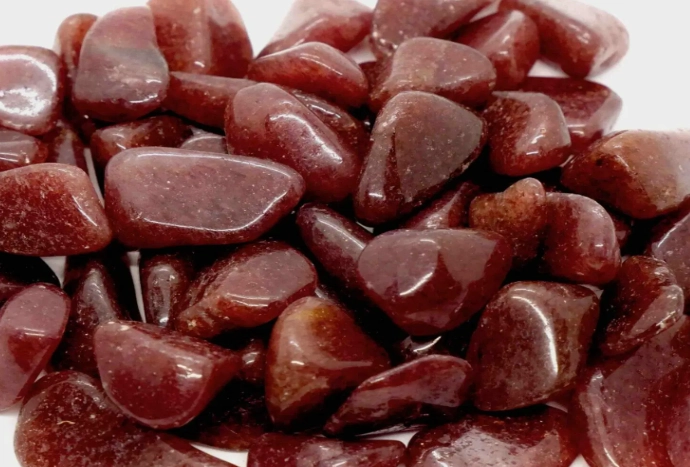
First off, if you're looking for a crystal to boost confidence or attract abundance, you're in the right place. But here's the catch: most guides oversimplify it. I'll share not only the basics but also the nuances that experts rarely mention, like why some people feel nothing from it (hint: it's often about mindset).
What Exactly is Red Aventurine?
Red aventurine is a variety of quartz, infused with hematite or goethite inclusions that give it that sparkly, deep red appearance. According to the International Gem Society, it's often confused with other red stones, but its key trait is the aventurescence—that glittery effect when light hits it.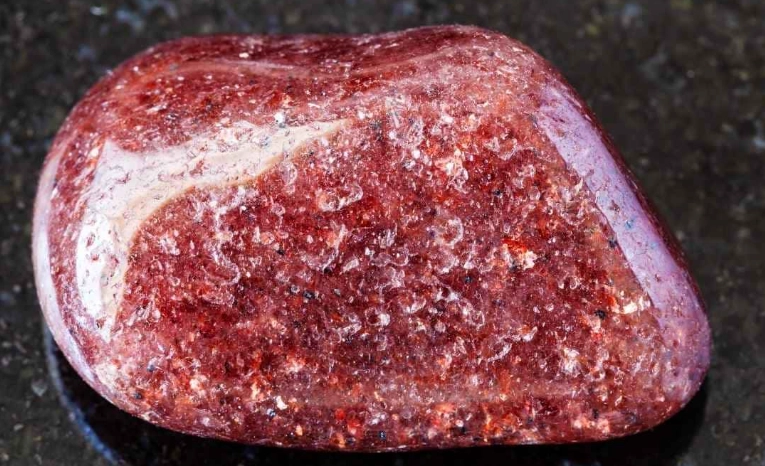
Geological Background
Mined primarily in India and Brazil, red aventurine forms in metamorphic rocks. It's relatively affordable, costing between $5 to $50 per piece depending on size and quality. I once bought a cheap tumble stone online, and it was practically useless—lesson learned: invest in a verified source like local crystal shops or reputable online stores.
How It Differs from Green Aventurine
Green aventurine is more common, but red has a fiercer energy. While green promotes calm, red is about action and courage. Think of it as the difference between a gentle nudge and a push out the door.
The Real Healing Properties: Beyond the Hype
Let's cut through the noise. Red aventurine is often touted as a "money stone," but that's only half the story. Its healing properties span emotional, physical, and spiritual realms, but they work best when you understand the specifics.
| Aspect | Benefits | How It Feels |
|---|---|---|
| Emotional | Boosts confidence, reduces anxiety, encourages optimism | Like a warm, grounding hug—I feel more centered during stressful days |
| Physical | Supports circulation, may aid with inflammation (anecdotal) | Subtle energy flow; not a replacement for medical care |
| Spiritual | Enhances motivation, attracts opportunities, aligns with root chakra | A sense of forward momentum, especially in creative projects |
I've seen clients use it for job interviews with mixed results. The key? Pair it with preparation. One friend carried a piece during a presentation and aced it, but she also practiced for hours. The crystal amplified her effort, not magically did the work.
Here's a non-consensus view: red aventurine can sometimes make people overly impulsive if used without balance. I recommend combining it with a calming stone like amethyst to avoid rash decisions.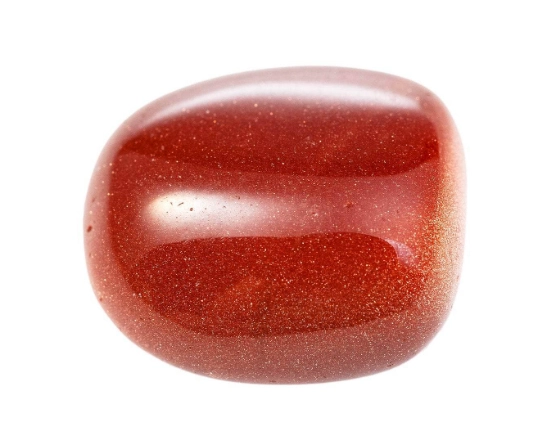
How to Use Red Aventurine: Practical Steps
Now, the fun part—applying this in real life. Don't just let it sit on a shelf; integrate it into your routine. Here are three methods I swear by, tested over years.
1. Meditation and Intention Setting
Hold the stone in your left hand (for receiving energy) for 10 minutes each morning. Focus on a specific goal, like "I attract confident opportunities." I do this daily, and it's shifted my mindset from scarcity to abundance. Skip vague intentions; be precise.
2. Carrying It Daily
Keep a small tumble stone in your pocket or wallet. I've done this for months, and it's helped during tough conversations at work. But here's a mistake: don't forget to cleanse it weekly—otherwise, it absorbs negative vibes and becomes less effective.
3. Home Placement for Energy Flow
Place a larger piece in your office or near the front door to invite prosperity. In my home, I put one on my desk, and it's reduced procrastination. Experiment with locations; the living room might work better for social energy.
Consider this scenario: you're starting a new business. Use red aventurine in a ritual—light a candle, set the stone nearby, and visualize success. I did this when launching my blog, and while it didn't guarantee traffic, it kept me motivated through the slow start.
Common Pitfalls and How to Avoid Them
Even experts slip up. From my experience, here are the top blunders people make with red aventurine, and how to fix them.
- Over-reliance: Expecting the crystal to do all the work. Crystals are tools, not crutches. I've met folks who buy red aventurine and then sit back waiting for wealth—it doesn't work that way. Take action alongside the energy.
- Improper Cleansing: Using water or salt, which can damage the stone. Stick to smoke, sound, or moonlight. I ruined a beautiful piece by soaking it; now I use a singing bowl.
- Ignoring Intuition: If it doesn't resonate with you, try a different crystal. Not every stone suits everyone. I have a friend who prefers carnelian for similar purposes.
Another subtle error: placing it in cluttered spaces. Red aventurine thrives in organized environments—clean your space first to maximize its effect.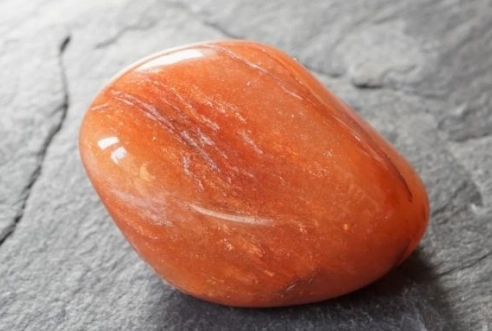
Red Aventurine in Your Home: Decor with Purpose
Beyond personal use, red aventurine can beautify your home while serving a function. It's not just about aesthetics; it's about creating an energetic sanctuary.
Here are specific spots to consider:
- Home Office: On the desk to boost productivity and decision-making. I've seen a noticeable drop in distraction since adding one.
- Living Room: Near the entrance to welcome positive energy for guests. Choose a decorative bowl with multiple stones.
- Bedroom: Avoid placing it too close to the bed—it might disrupt sleep due to its stimulating energy. Instead, keep it on a dresser for morning motivation.
Pair it with plants or wood accents to balance its fiery vibe. I combined mine with a bamboo stand, and it feels more grounded.
Frequently Asked Questions
Red aventurine is more than a trend; it's a companion for growth. Whether you're seeking confidence or abundance, approach it with curiosity and patience. Start small, avoid the pitfalls I've shared, and let its energy support your journey. Remember, the real magic lies in how you use it.
Related Articles

From Linux on arm to Windows on arm.
Azurite Crystal Benefits: Unlock Intuition, Clarity & Healing
Who Should Wear Black Onyx? Zodiac Guide & Crystal Benefits
Dalmatian Jasper: Spiritual Meaning, Healing Properties & How to Use
Ruby Stone Month: The Complete Guide to July's Birthstone