In This Deep Dive
- First Things First: What Is Kyanite, Really? (The Science Bit)
- Why Does the Kyanite Meaning Matter to People? (The Energy & Healing Angle)
- How to Actually Use Kyanite: Making the Meaning Work for You
- Buying Kyanite: How to Spot the Real Deal and Avoid Junk
- Your Kyanite Questions, Answered (The Stuff You Actually Google)
- Wrapping Up: The Layered Meaning of Kyanite
You've probably seen it—those stunning blades of blue, sometimes looking like they were carved from a frozen sky. That's kyanite. It pops up all over crystal shops and Instagram feeds. But what's the actual deal with it? The kyanite meaning goes way beyond just being a pretty stone. It's a weird one, geologically speaking, and people swear by its energy. I got curious about it a few years back after a friend kept raving about her blue kyanite pendant. "It just... aligns things," she said, which sounded pretty vague to me at the time.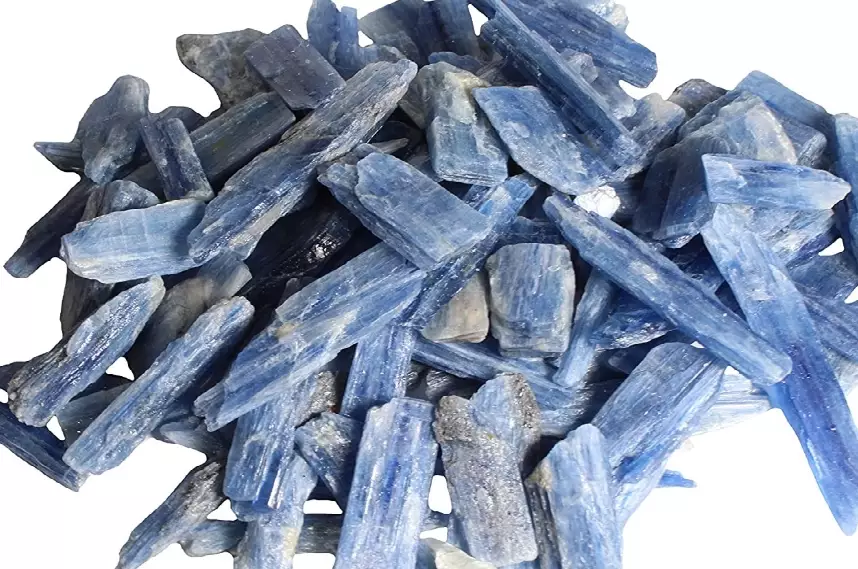
So I started looking into it. I mean, really looking. Not just the spiritual stuff you find on every blog, but the hard science too. Turns out, the meaning of kyanite is this fascinating mash-up of earthly formation and metaphysical belief. It's not your average quartz. It has physical properties that make mineral collectors geek out, and a reputation in healing circles that makes it a top-tier tool. This guide is what I wish I had found back then—a no-nonsense, deep dive that doesn't shy away from the geology or the spirituality.
Quick Take: If you're in a hurry, here's the core of the kyanite meaning. It's primarily known as a stone of alignment and communication. It's said to quickly balance energy, calm a chaotic mind, and help you speak your truth. Geologically, it's an aluminum silicate mineral that forms in long, bladed crystals, famous for having different hardness depending on which direction you try to scratch it. Cool, right?
First Things First: What Is Kyanite, Really? (The Science Bit)
Let's get the textbook stuff out of the way. Otherwise, we're just talking about a pretty rock without understanding why it's special. Kyanite is a mineral, part of the aluminosilicate family. Its name comes from the Greek word 'kyanos', which means deep blue, which is its most famous color. But that's just the start.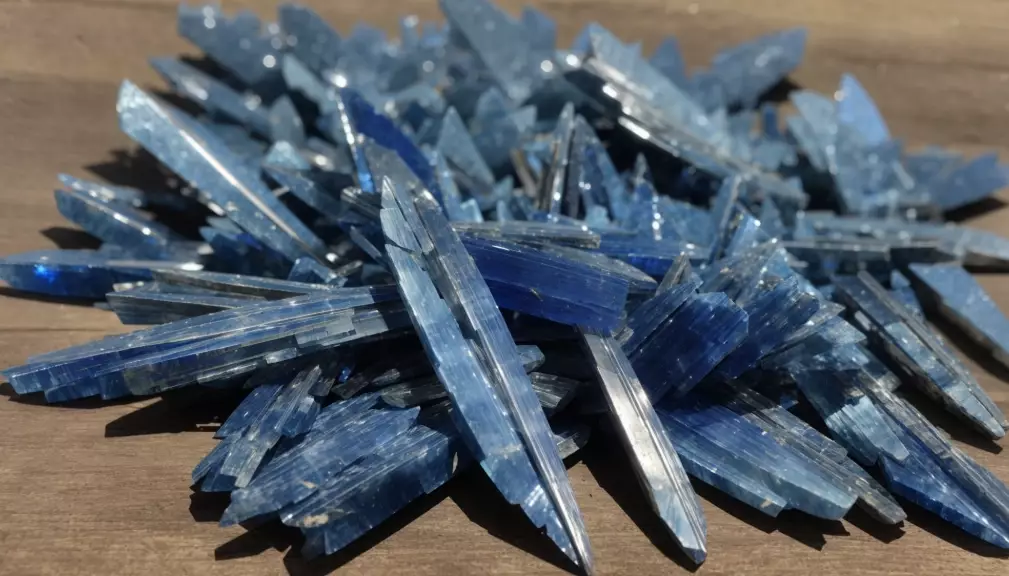
It forms under high-pressure conditions, often in metamorphic rocks like schist or gneiss. Think of it as being forged deep in the earth's crust under immense pressure. This origin story is a big part of its symbolic kyanite stone meaning—resilience, transformation under pressure, and emerging with a clear structure.
Here's the quirky part that makes mineralogists love it.
Kyanite is anisotropic. That's a fancy way of saying its physical properties change with direction. Its hardness is 4.5 to 5 parallel to the long crystal axis, but a much harder 6.5 to 7 across the axis. You can literally feel the difference if you try to scratch it. This unique trait feeds directly into its metaphysical meaning of navigating different "directions" in life and finding balance between softness and strength.
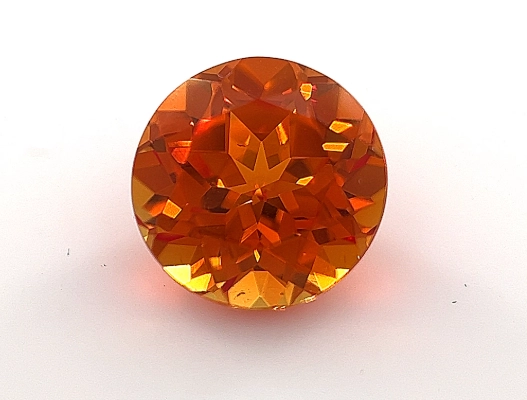
Common colors include that iconic sapphire blue, but also green, black, orange (rare!), and even colorless. The blue is usually from trace amounts of iron. The meaning of blue kyanite is most associated with throat and third eye chakras—communication and intuition.
Kyanite vs. Similar Blue Stones: Don't Get Fooled
It's easy to mix up. Sodalite is more opaque and often has white calcite veins. Lapis lazuli has those distinctive pyrite flecks (little gold specks). Dumortierite is also fibrous but often has a more violet-gray hue. Aquamarine is a beryl, much harder and typically more transparent. Knowing these differences is part of understanding the true kyanite crystal meaning—it's in a league of its own with its bladed habit and unique feel.
For solid, scientific classification and data on kyanite as a mineral, the Mindat database is an incredible resource run by the Hudson Institute of Mineralogy. It's where serious collectors go for info.
Why Does the Kyanite Meaning Matter to People? (The Energy & Healing Angle)
Okay, science class is over. This is where most people's curiosity kicks in. The metaphysical kyanite meaning is huge in crystal healing communities. I was skeptical at first, I'll admit. But after talking to dozens of long-time users and trying it myself, patterns emerge. People aren't just making this up. They feel something.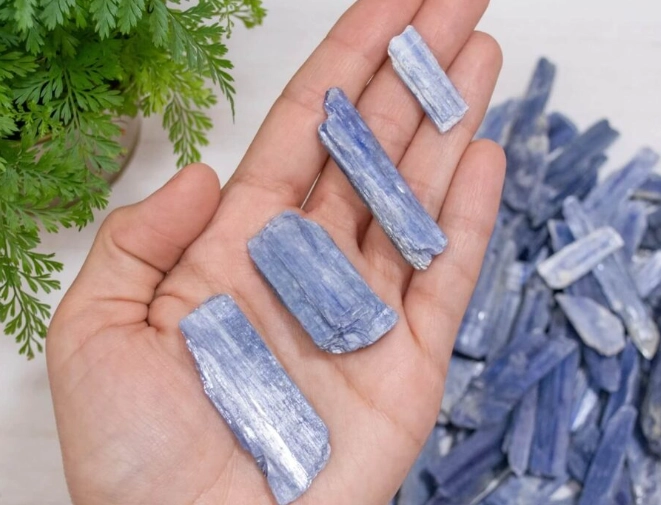
The core themes are alignment, communication, and calm. Many describe it as a "fast-acting" stone. You don't need to meditate with it for weeks to notice an effect, they say. Just holding a piece can feel like a mental reset.
My Experience: I kept a small, raw piece of blue kyanite on my desk during a hectic work period. Was it a placebo? Maybe. But I found myself pausing to touch it when overwhelmed, and it genuinely felt like a circuit breaker for my anxiety. It didn't magically solve my deadlines, but it helped quiet the internal noise. That, to me, is a practical kyanite meaning.
Let's break down the purported benefits, which explain why the meaning of kyanite resonates so deeply:
- Throat Chakra Champion: It's the go-to stone for anyone who struggles to speak up, needs to have a difficult conversation, or works in communication (writers, teachers, speakers). The kyanite meaning for communication is arguably its strongest association.
- Energetic Tune-Up: It's said to align all the chakras spontaneously without needing to be programmed or cleansed. This is a big one—many crystals need regular cleansing, but kyanite is believed to cleanse itself and other stones. Pretty low-maintenance.
- Psychic & Dream Work: Placed on the third eye (forehead), it's used to enhance intuition, access past life memories (so they say), and promote vivid, insightful dreams. The blue kyanite meaning is particularly tied to these higher-frequency uses.
- Emotional Storm Calmer: It's recommended for soothing anger, frustration, and fear. It doesn't sedate you, but is thought to bring a logical, clear-headed perspective to emotional chaos.
"Kyanite doesn't add energy; it organizes it. It's like a librarian for your soul's chaos—it doesn't write the books, it just puts them all on the right shelf so you can find what you need."
— A sentiment I've heard repeated by several crystal practitioners.
Different Colors, Different Vibes? A Quick Guide
While blue is king, other colors carry their own nuances in the broader kyanite stone meaning spectrum.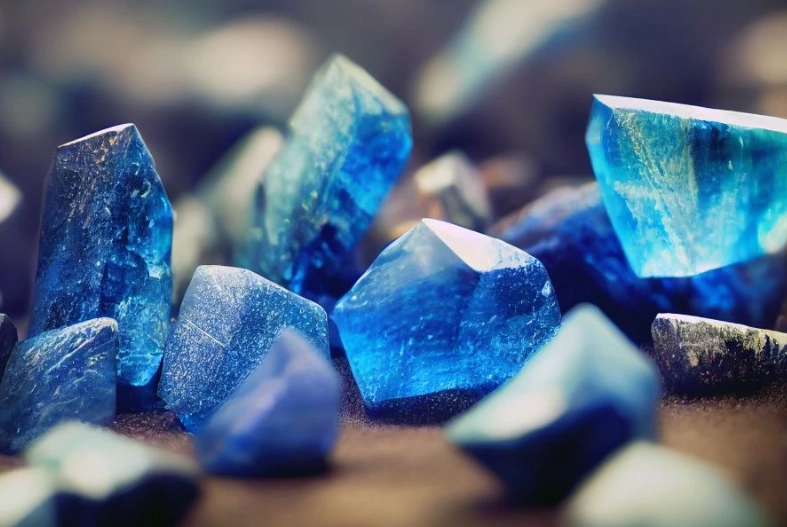
| Color | Common Name | Focus of Its Meaning | My Take on Rarity & Use |
|---|---|---|---|
| Sapphire Blue | Blue Kyanite | Communication, Truth, Psychic Ability, Calm | The classic. Most sought-after. Great all-rounder. |
| Green | Green Kyanite | Heart Chakra, Emotional Healing, Compassion | Harder to find. Feels gentler than blue, good for grief. |
| Black | Black Kyanite | Grounding, Protection, Absorbing Negativity | Powerful protector. Blades look dramatic. Not for subtle work. |
| Orange | Orange Kyanite | Creativity, Sacral Chakra, Joy | Extremely rare. I've only seen it in photos. Pricey. |
| Colorless/White | Clear Kyanite | Purification, Connecting to Higher Self | Like a clear channel. Subtle but powerful for meditation. |
How to Actually Use Kyanite: Making the Meaning Work for You
Understanding the kyanite meaning is one thing. Applying it is another. Here’s where we get practical. You don't need a PhD in crystallography to benefit from it.
Wearing It
Jewelry is the easiest way to keep its energy close. A pendant near the throat? Obvious connection to the kyanite meaning for communication. Bracelets or rings work too. Just be careful—those beautiful blades can be brittle! Don't wear it for heavy manual work. I learned this the hard way when a lovely pendant chip got knocked against a doorframe.
Meditation & Placement
Hold a piece in your hand or place it on the relevant chakra (throat for speaking, third eye for intuition, over the heart for emotional balance). Many people report feeling a slight tingling or cool sensation. For dream work, try tucking a small piece under your pillow. It sounds silly, but I've had some incredibly detailed and strange dreams on nights I've done this. Coincidence? Who knows.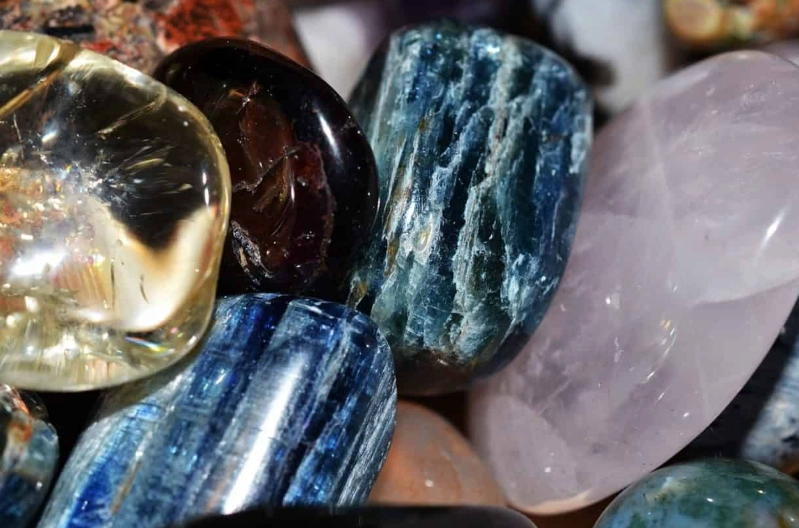
In Your Space
Place a cluster or a single blade on your desk, bedside table, or in your living room. It's said to harmonize the environment and reduce electronic smog (the energetic clutter from Wi-Fi and devices). I have one near my router. Does it work? Can't prove it, but my internet hasn't crashed lately. (Kidding... sort of.)
A crucial point about care.
Unlike many crystals, kyanite is generally considered self-cleansing. It doesn't absorb negative energy, so it doesn't need the regular rinsing, smudging, or moonlight baths that others do. This is a major practical perk. However, physically, treat it gently. Clean it with mild soap and water, but avoid ultrasonic cleaners, steam, and harsh chemicals. Its perfect cleavage means it can split along its blades.
Buying Kyanite: How to Spot the Real Deal and Avoid Junk
The market is flooded with fakes and mislabeled stones. Knowing the true kyanite meaning includes knowing how to identify the real mineral. Here's a blunt list of what to look for and what to avoid.
- Look for the Blades: Genuine kyanite almost always forms in those characteristic long, flat, bladed crystals. They might be in a cluster or a single blade. If it's a perfectly round, tumbled blue stone with no structure, it's probably not kyanite (maybe sodalite or dyed howlite).
- Check the Color & Transparency: Color is often uneven—darker at the center of a blade, lighter at the edges. It's often translucent, not fully transparent. A uniform, cheap-looking bright blue is a red flag.
- Feel the Hardness (Gently!): Remember the anisotropic property? If you very carefully try to scratch along the length of a blade with a steel knife (5.5 hardness), it might leave a mark. Try scratching across the width, and it should resist. A reputable seller won't mind you asking about this property.
- Beware of "Green Kyanite" that's Actually Apatite or Serpentine: This is a common mix-up. Real green kyanite is more gray-green and still bladed.
- Price is a Clue: Large, deep blue, pristine blades are expensive. If a huge "blue kyanite" piece is being sold for $10, it's fake. Good quality, small tumbled stones or raw chips are affordable, but be realistic.
For geological context and mining data, the U.S. Geological Survey (USGS) provides reports on kyanite as an industrial mineral. It reminds you this isn't just a New Age item—it's used in refractories and ceramics too.
Your Kyanite Questions, Answered (The Stuff You Actually Google)
I've spent hours reading forum threads and Q&A sites. Here are the real questions people have after they grasp the basic kyanite meaning.
Does kyanite need to be cleansed or charged?
This is the #1 question. The prevailing belief is no, it does not. It's said to cleanse itself and even other stones. However, if it feels physically dirty or you just want to set an intention with it, rinsing under lukewarm water or placing it in sunlight for a short while (not too long, color can fade) is fine. I don't charge mine, personally.
What's the difference between kyanite and sapphire?
Totally different minerals! Both can be blue, but sapphire (corundum) is one of the hardest minerals on Earth (9 on the Mohs scale), used in high-end jewelry. Kyanite is much softer (4.5-7), more brittle, and bladed. Their kyanite meaning vs. sapphire meaning is different too—sapphire is about wisdom and royalty, kyanite is about alignment and direct communication.
Can I sleep with kyanite?
Many people do, especially for dream work. It's generally considered safe and non-disruptive. However, if you're very energy-sensitive, its clarifying effect might make your mind too active. Try it and see. Start by placing it on your nightstand, not under your pillow.
Is black kyanite's meaning different?
Yes, significantly. While blue is about opening and communicating, black is about protecting and grounding. It's like a spiritual lightning rod, meant to divert negative energy. It's less about subtle communication and more about creating a strong, safe boundary.
How do I know if my kyanite is real?
Refer to the buying guide above. The blade structure is the biggest giveaway. If you're still unsure, a local rock shop or gemologist can ID it. Fake "kyanite" is often just molded blue glass or resin—it will feel too light, too uniform, and lack any internal texture or cleavage.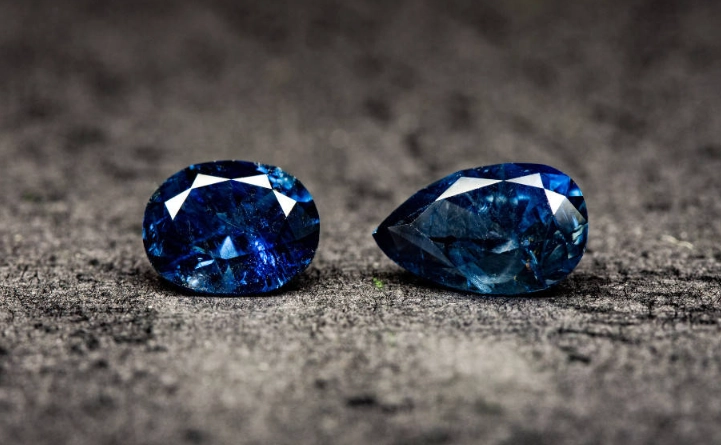
Wrapping Up: The Layered Meaning of Kyanite
So, what's the final word on the kyanite meaning? It's multifaceted.
From a scientific standpoint, it's a fascinating mineral with unique anisotropic properties, born from intense pressure. It tells a story of the Earth's power. From a practical, human perspective, its meaning centers on bringing order—calming mental storms, helping find the right words, and aligning our scattered energies. Whether you view that as metaphor or metaphysics is up to you.
The beauty of kyanite is that it doesn't demand belief. You can appreciate it as a stunning natural formation, or you can explore its reputed energetic qualities. Its self-cleansing lore makes it a low-fuss crystal to have around, which I appreciate. No weekly moonlight rituals required.
My advice? Get a small, genuine piece. Don't spend a fortune. Hold it. See what, if anything, you feel. Read up on its geology on a site like Geology.com to appreciate its physical story. Then, maybe let it sit on your desk during a stressful week. The real meaning of kyanite might just be what you discover for yourself when you bridge that gap between the earth it came from and the life you're living now.
It's more than a blue stone. It's a conversation between geology and spirit, and you're invited to listen.
Related Articles
Selenite Crystal Meaning: Spiritual Uses, Healing & How to Avoid Fakes
Selenite Spiritual Meaning: A Complete Guide to Its Energy & Uses
Crazy Lace Agate: The Complete Guide to Mexico's Lively Gemstone

SiC and GaN, the battle has just begun.