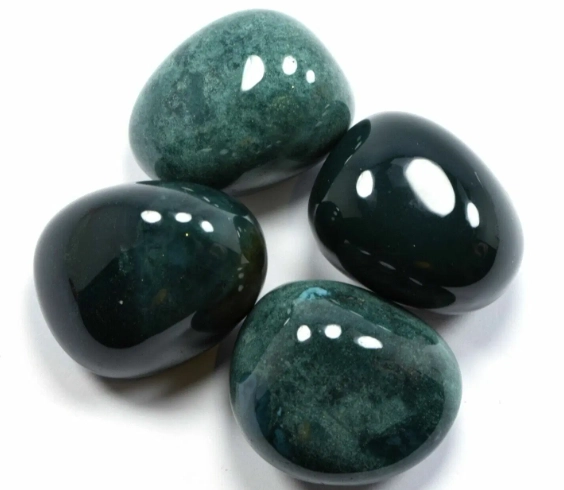
Let's cut through the mystic fog. You've probably heard obsidian is a "protection stone" or a "psychic vacuum cleaner." That's nice, but what does it actually do? And more importantly, is the piece you're holding—or thinking of buying—even real? After years of collecting, selling, and frankly, making a few costly mistakes myself, I've learned that obsidian's true power isn't in vague magic. It's in its brutal, beautiful honesty and its tangible, geologic reality.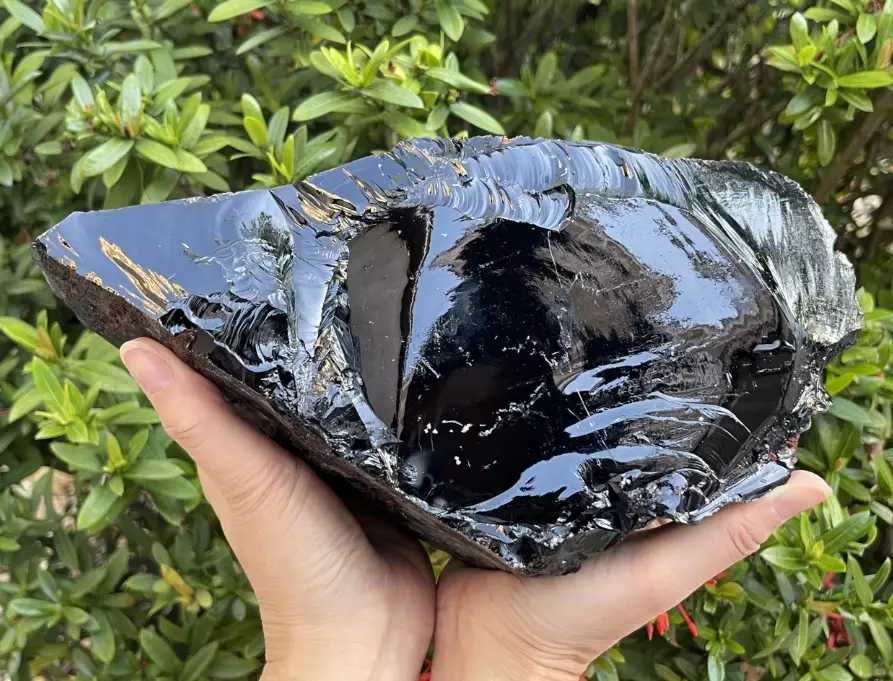
This isn't just another list of properties. We're going deep on what makes this volcanic glass unique, how to spot a fake from across the room, and practical, non-woo ways to make it work in your daily life.
What's Inside This Guide
What is Obsidian Crystal?
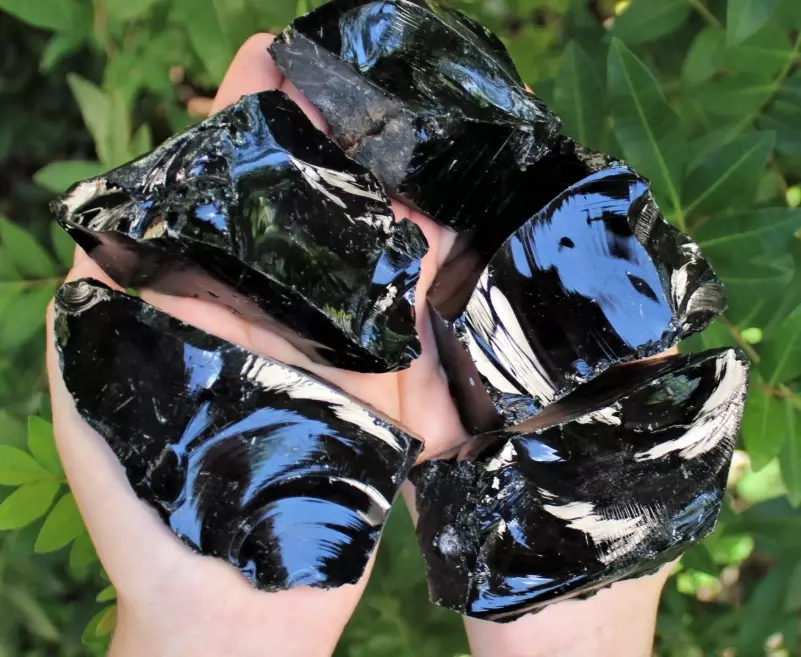
First, let's be precise. Obsidian isn't a "crystal" in the mineralogical sense—it lacks a crystalline structure. It's a natural volcanic glass. Think of it as nature's pottery. When silica-rich lava (rhyolite) cools instantly, atoms don't have time to arrange into crystals. They freeze in a chaotic, amorphous state, creating this glossy, often razor-sharp material. The U.S. Geological Survey classifies it as an igneous rock. This origin story is key. Born from fire and rapid transformation, its energy is about cutting through chaos and revealing solid truth.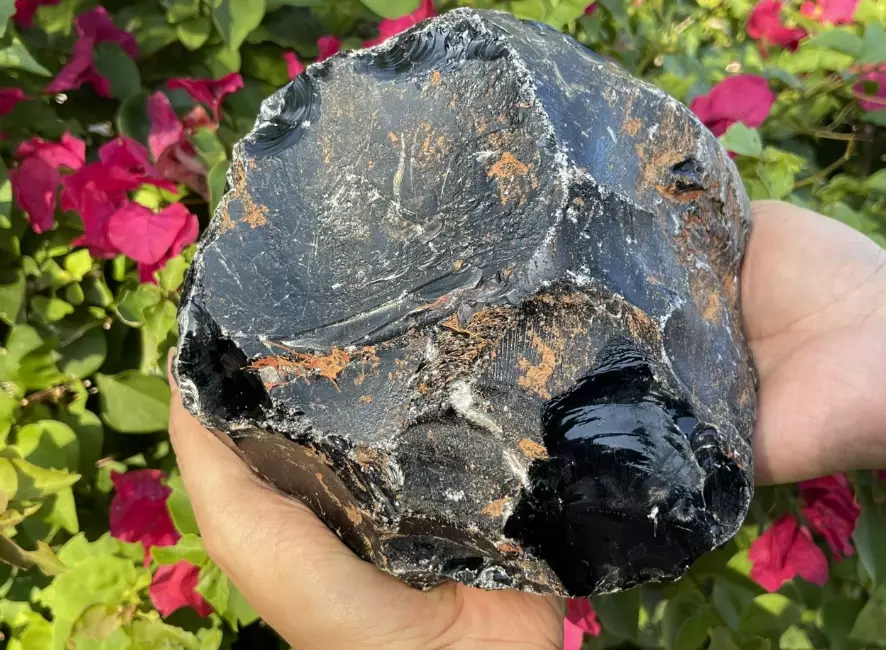
Types & Colors of Obsidian: More Than Just Black
Pure obsidian is typically jet black due to iron and magnesium impurities. But variations in the lava's composition and cooling process create stunning varieties. Here are the ones you'll actually encounter.
Rainbow Obsidian
This is the showstopper. Under direct light, it reveals a breathtaking sheen of iridescent colors—blues, greens, golds, purples. The cause? Nanometer-thin layers of trapped gas bubbles diffract light, like oil on water. It's not a surface treatment; it's locked inside the stone. A common mistake is confusing this with "aurora borealis" or coated glass. Genuine rainbow obsidian's colors shift and play as you move it. Major sources include La Revoltosa Mine in Mexico.
Snowflake Obsidon
Black glass sprinkled with white, grey, or light brown "snowflakes." These are cristobalite spherulites—clusters of a crystalline mineral that formed as the glass cooled slightly slower in spots. It's a beautiful reminder of the boundary between glass and crystal. Many find its energy gentler than pure black obsidian, symbolizing light emerging from darkness.
Mahogany Obsidian & Sheen Obsidian
Mahogany obsidian blends black with rich brown or red patches (from iron oxide). Gold or silver sheen obsidian has a metallic, shimmering luster caused by aligned, minute gas bubbles. Each has a unique visual texture, moving obsidian from pure utility into the realm of collectible art.
Why Obsidian? Spiritual & Decorative Appeal
People are drawn to obsidian for two main reasons: what it supposedly does, and how it looks.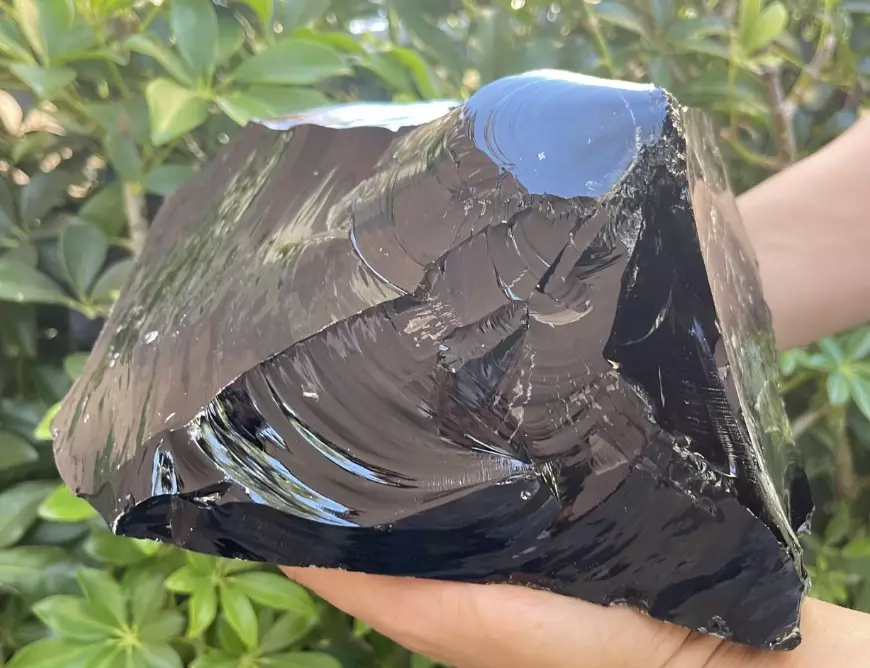
The Metaphysical Angle (Without the Fluff)
Across cultures, from ancient Mesoamerica (where it was used for mirrors and weapons) to modern crystal shops, obsidian is consistently linked to protection, grounding, and truth-seeking. The logic is straightforward: it's a mirror. It doesn't absorb; it reflects. In practice, this means it's often used to:
- Ground scattered energy: Feeling anxious or "in your head"? Holding a piece can feel like an anchor, pulling that frantic energy down into the earth.
- Reveal blind spots: It's called a stone of truth because it's believed to help you see personal patterns or situations clearly, even if it's uncomfortable. No sugar-coating.
- Create energetic boundaries: Placed near an entryway, it's thought to act as a filter for external negativity, not by being a shield, but by not allowing certain frequencies to resonate within its space.
My personal take? Whether you believe in energy work or not, the act of using an object as a focus for intention—like holding obsidian to remind yourself to stay grounded—has a tangible psychological effect. The stone becomes a tool for your mind.
Obsidian as Stunning Decor
Beyond any spiritual use, polished obsidian is simply gorgeous. A large, polished black obsidian sphere is a dramatic, sophisticated centerpiece. Tumbled stones in a bowl catch the light. Obsidian beads make striking jewelry with a primal edge. Its aesthetic is minimalist, powerful, and pairs well with both modern and rustic decor. You don't need a "reason" to own it beyond liking how it looks.
How to Tell if Your Obsidian is Real
This is where most beginner guides fail you. The market is flooded with dyed glass and resin passed off as obsidian, especially online. Here’s how to play detective.
Look at the Texture and Inclusions: Real obsidian often has tiny bubbles, subtle streaks of color, or minor imperfections inside. It's rarely perfectly uniform. If it's jet black with zero character under a bright light, be suspicious. Snowflake obsidian's "snowflakes" should look embedded, not painted on.
Check the Weight: It should feel appropriately heavy for its size—denser than common glass. Resin fakes feel light and cheap.
Examine the Edges (if raw): Real obsidian fractures with sharp, conchoidal (shell-like) edges that can be sharper than surgical steel. A fake might have molded or rounded edges.
I bought a "rainbow obsidian" tower once that failed the temperature test miserably. It was just glass with a cheap iridescent coating that scratched off. Lesson learned. Trust physical properties over a seller's description.
How to Use Obsidian Crystal in Daily Life
Forget complicated rituals. Integrate it simply.
For Personal Grounding & Meditation
Keep a tumbled stone in your pocket. When stressed, hold it and focus on its weight and coolness. Imagine any mental static draining down through your body and into the stone. It's a five-second reset button. During meditation, place it in front of you or hold it to anchor your practice in the present moment.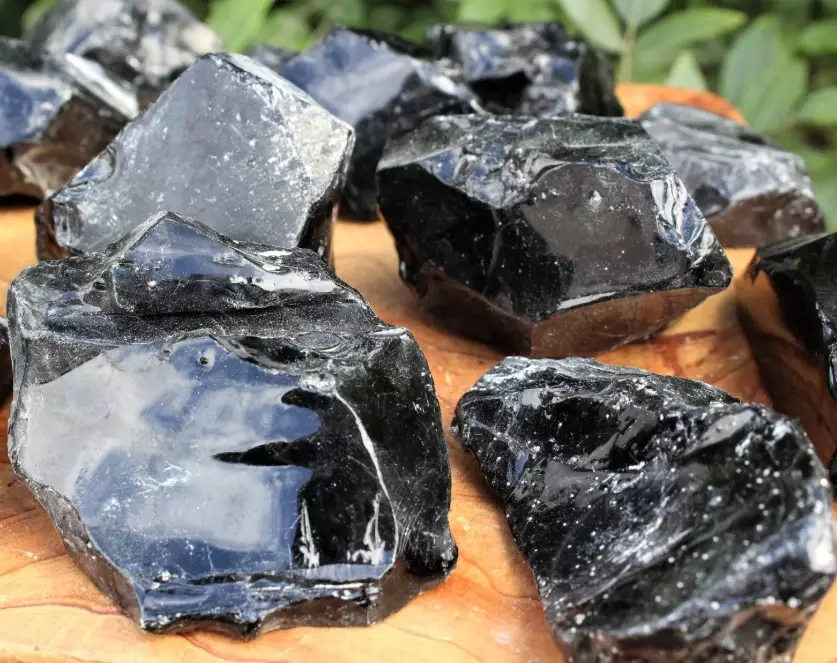
In Your Home Space
By the front door: A medium-sized piece on an entryway table is a classic placement for setting a protective, grounding tone for your home.
On your work desk: Place a small piece near your computer. The idea is it helps filter mental clutter and the draining effect of screens. I keep a mahogany obsidian palm stone next to my keyboard. It's a visual reminder to take a breath.
As a decorative focal point: A large specimen on a bookshelf or mantelpiece adds depth and a touch of the elemental.
For Jewelry
Wearing obsidian as a pendant or bracelet keeps its grounding influence close all day. A common concern: "Will it absorb negative energy from others?". Remember, it's a mirror and a grounder. I personally believe it's more about discharging your own built-up stress than absorbing from others. Clean it occasionally if it feels "heavy" to you.
A Note on Cleansing & Care
Here's my non-consensus tip: obsidian is tough. It formed in a volcano. You don't need to baby it. Rinse it under running water (visualizing the water clearing any stagnant energy). You can leave it in moonlight or sunlight—unlike many crystals, sun won't fade it. Some even bury it in earth overnight for a powerful recharge. Avoid harsh chemicals, but don't overthink it. Its care is as straightforward as the stone itself.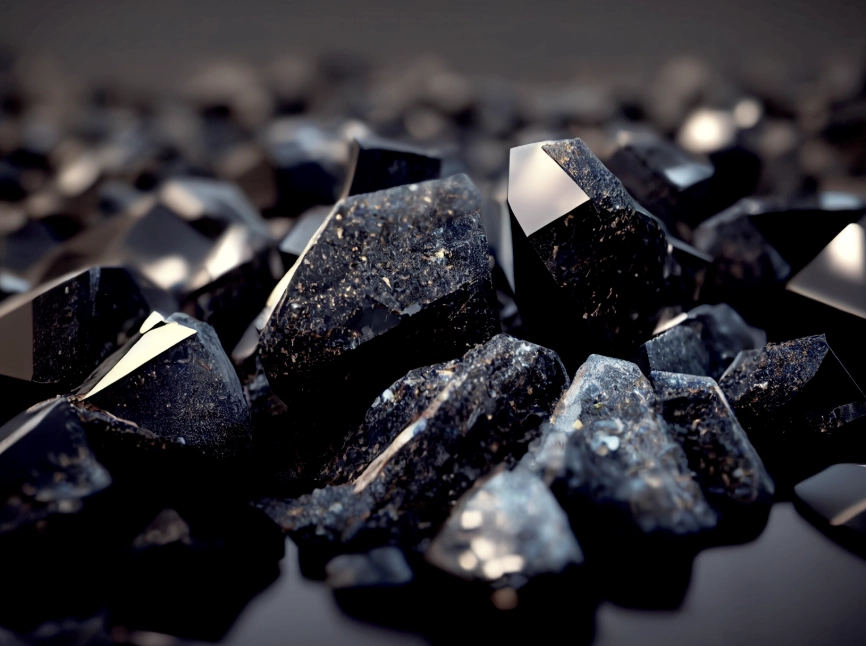
Your Obsidian Questions, Answered
How can I tell if my black obsidian is real or just glass?
Does obsidian need to be cleansed or charged like other crystals?
 What's the best way to use obsidian for anxiety or feeling scattered?
Is rainbow obsidian natural or man-made?
Related Articles

Advanced packaging, playing an important role!
Opal Slang Meaning Explained: From Jewelry to Modern Slang
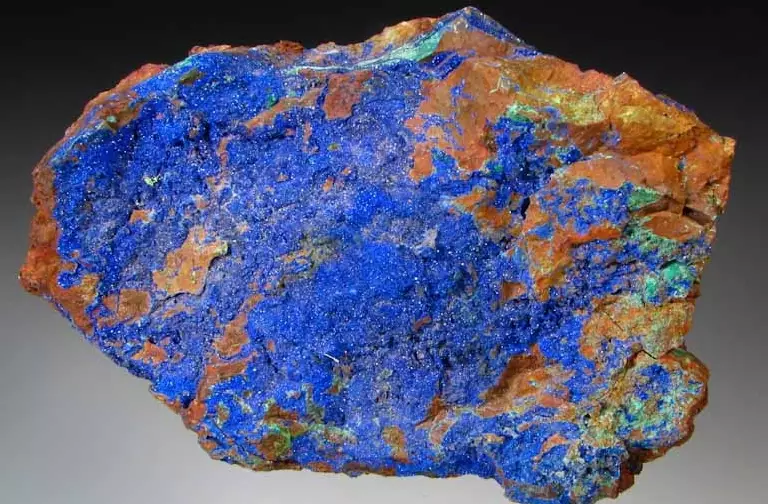
Azurite Mineral Guide: Properties, Value & How to Identify Genuine Stones
Sodalite Crystal: Benefits, Uses & How to Tell If It's Real
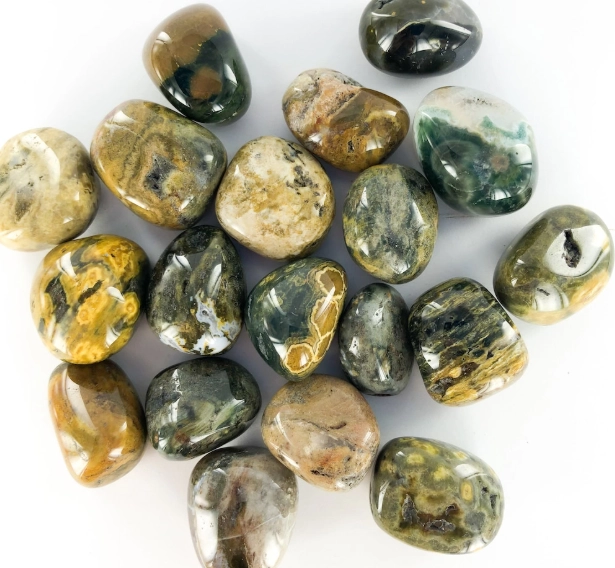
Ocean Jasper Benefits: Healing Properties & How to Use It