In This Guide
- What Exactly Is Tiger's Eye? Let's Start with the Science
- A Stone with a Past: History and Cultural Meaning
- The Big Question: What Are the Real "Benefits" of Tiger's Eye?
- How to Spot a Fake Tiger's Eye: A Buyer's Survival Guide
- Okay, I Have One. How Do I Actually Use Tiger's Eye?
- Cleaning and Caring for Your Tiger's Eye
- The Final Word: Is Tiger's Eye Right for You?
Okay, let's talk about tiger's eye. You've probably seen it everywhere – in jewelry stores, on Instagram feeds, maybe even on your friend's wrist. It's got that unmistakable golden-brown shimmer with bands that seem to move when you tilt it. Pretty cool, right? But beyond looking nice, what's the real deal with this stone? Is it just a pretty rock, or is there more to it?
I remember the first piece I bought. It was a small, polished tumble stone from a street market. The vendor went on and on about its "power" to bring wealth and courage. I was skeptical, to be honest. But I liked how it looked, so I bought it anyway. That was years ago, and since then, I've dug way deeper – talking to geologists, reading old texts, and handling more pieces than I can count. I've also seen a ton of misinformation online, which is frustrating.
What Exactly Is Tiger's Eye? Let's Start with the Science
First things first, tiger's eye is a mineral, specifically a variety of quartz. But it's not your average, clear quartz crystal. Its magic (well, its science) lies in its structure. It's what we call a pseudomorph. That's a fancy word for a mineral that has replaced another mineral but kept the original's shape.
Here's how it forms, and I find this process genuinely mind-blowing. It starts with crocidolite, a blue asbestos fiber. Over millions of years, silica-rich groundwater seeps through these fibrous layers. The silica (which becomes quartz) slowly replaces the crocidolite, molecule by molecule. But – and this is the key part – it preserves the fibrous, parallel structure of the original asbestos.
That fibrous structure is why tiger's eye has chatoyancy. Chatoyancy comes from the French "chat" for cat – think "cat's eye." It's that silky, luminous band of light that seems to glide across the surface when you move the stone. It's not magic; it's physics. Light reflects off those parallel, microscopic quartz fibers. If the fibers are straight, you get a sharp band of light. If they're a bit wavy or interwoven, the effect is softer.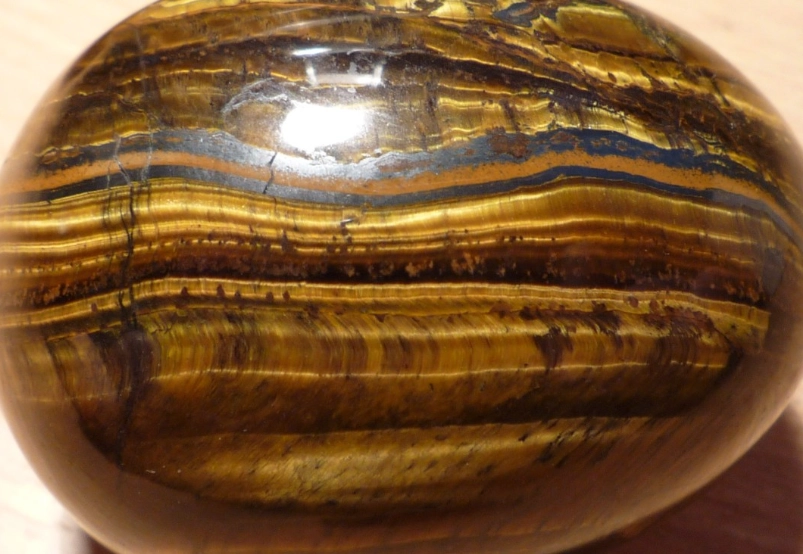
Quick Geology Fact: The official mineral classification for tiger's eye is a "fibrous, chatoyant variety of macrocrystalline quartz." Its chemical formula is SiO₂ (silicon dioxide), just like amethyst or citrine, but its structure makes it unique. You can read more about quartz varieties from authoritative sources like the U.S. Geological Survey.
The classic color is golden brown to reddish-brown. That color comes from iron oxide (rust, essentially) that stains the quartz during its formation. But you know what's interesting? The original crocidolite was blue. Sometimes, the replacement isn't complete, and you get a stone with both blue and gold bands. That's called "hawk's eye" or "falcon's eye." It's like seeing two stages of the process in one stone.
The Colors and Varieties You Might Not Know About
Most people think of the classic gold. But tiger's eye comes in a surprising range, and the color depends on the staining minerals present.
| Variety Name | Color | What Causes the Color | Common Associations & Notes |
|---|---|---|---|
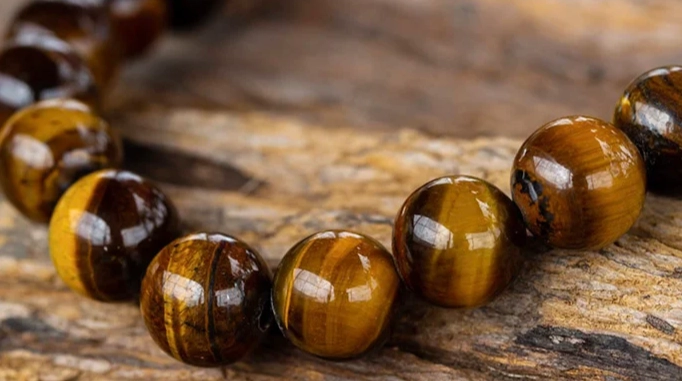
| Classic Tiger's Eye | Golden brown, honey yellow, reddish-brown | Iron oxide (Fe₂O₃) | The most common. Linked to confidence, grounding, and prosperity. |
| Red Tiger's Eye | Deep red, maroon, burgundy | Higher concentrations of iron oxide (hematite) | Sometimes called "Ox Eye." Has a deeper, more intense energy vibe related to passion and vitality. |
| Blue Tiger's Eye (Hawk's Eye) | Silvery-blue, gray-blue, bluish-green | Incomplete replacement of blue crocidolite fibers | Retains more of the original mineral structure. Associated with calm, clarity, and perspective. |
| Green Tiger's Eye | Olive green, yellow-green | Presence of crocidolite and/or iron in a different state | Rarer. Often connected to growth, balance, and heart-centered energy. Some are heat-treated. |
| Multi-colored/Tumbled Mix | Mixed golds, reds, and browns | Natural variations in one deposit | Popular in tumbled stones for variety. Offers a blend of the properties people talk about. |
A word on the green variety – there's some debate. Some natural green tiger's eye exists, but a lot on the market is actually heat-treated golden tiger's eye. The heat alters the iron oxides, changing the color from gold to a reddish or sometimes greenish hue. Is it "fake"? Not exactly, it's still real tiger's eye, just altered. But sellers should be transparent about it, and many aren't. I personally prefer the natural colors.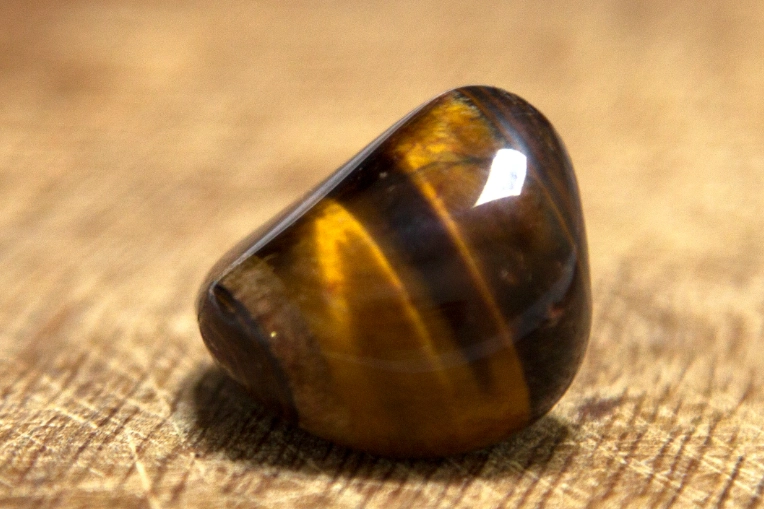
A Stone with a Past: History and Cultural Meaning
The history of tiger's eye is where things get really compelling, and it adds a layer of depth you don't get from a simple crystal shop description.
Its use dates back millennia. Roman soldiers were said to carry tiger's eye into battle. They didn't call it that, of course. They valued it as a protective talisman, believing it would deflect weapons and give them the keen sight and courage of a tiger. Think about it – the stone's shifting bands could resemble a predator's fur in motion. It makes symbolic sense.
In Eastern cultures, particularly in China, tiger's eye has long been associated with wealth and good fortune. The golden color mirrored that of gold coins. Merchants would place it in their cash boxes or wear it to attract prosperity and make shrewd business decisions. This connection to practicality and money is still one of its biggest draws today.
During the Victorian era, tiger's eye experienced a huge surge in popularity after massive deposits were discovered in South Africa in the late 1800s. It became a staple for men's jewelry – cufflinks, signet rings, watch fobs. It was seen as a stylish, masculine stone. You can see beautiful examples of this period in the mineralogy collections of museums like the British Museum.
This historical context is important. It shows that the appeal of tiger's eye isn't some New Age fad. Its links to protection, courage, clarity, and prosperity are woven through different cultures for solid, symbolic reasons. The modern "crystal healing" meanings are often just reinterpretations of these ancient themes.
The Big Question: What Are the Real "Benefits" of Tiger's Eye?
Alright, let's tackle the elephant in the room (or the tiger, I suppose). What can this stone actually *do*? I'll break this down into two buckets: the documented, psychological/placebo effects that many people report, and the metaphysical claims that are harder to pin down.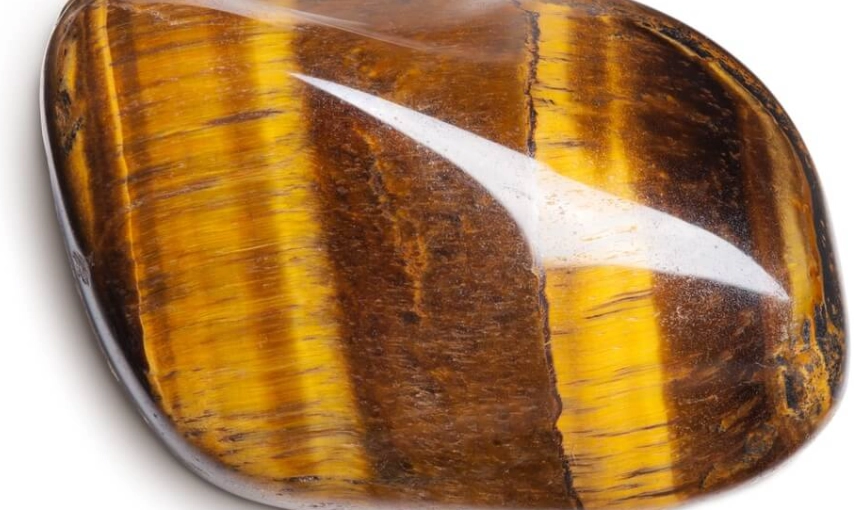
Reported Psychological & Practical Effects
This is where I think tiger's eye genuinely has value, even for the biggest skeptic. Think of it as a tangible focus object.
- A Focus for Intentions: Holding a piece of tiger's eye and consciously thinking about a goal – like staying confident before a presentation or being prudent with money – can help anchor that intention in your mind. The stone becomes a physical reminder. I've used mine this way when I need a boost of mental clarity, and it works simply because it makes me pause and focus.
- The Placebo Effect is Real (and Valid): If you believe carrying a "stone of courage" makes you feel braver, then you *will* feel braver. Your perception shapes your reality. There's real power in that. Wearing a tiger's eye bracelet might subtly change your posture, your mindset, and how you interact with the world.
- Grounding and Reducing Anxiety: Its warm, earthy colors and heavy, substantial feel (it's a dense stone) can have a calming, grounding effect for some people. It's not going to cure an anxiety disorder, but as a soothing tactile object, it can be part of a mindfulness practice.
A Necessary Reality Check: Tiger's eye is not medicine. It will not cure illness, directly change your financial situation, or magically solve your problems. Any seller claiming it has miraculous healing powers is overselling it. Its true benefit is as a tool for mindfulness, intention-setting, and personal reflection.
Common Metaphysical Associations
In crystal lore, tiger's eye is consistently linked to a few key themes. Whether you "believe" in this energy stuff or not, understanding these associations helps you see why people are drawn to it.
- The Solar Plexus Chakra: This is the energy center associated with personal power, will, and self-esteem. Tiger's eye is said to energize and balance this area.
- Protection & Grounding: A classic attribute, believed to shield against negative energy or "the evil eye" and keep you rooted in reality.
- Courage & Confidence: That warrior legacy lives on. It's called a stone for taking action and overcoming fear.
- Prosperity & Practicality: The merchant's stone. It's linked to attracting wealth, but with an emphasis on *practical* gains – good deals, clear business decisions, seeing opportunities.
My personal view? The meanings that resonate most are the ones tied to its history and appearance. The golden light speaks of clarity and insight. The fibrous structure suggests focus and direction. It makes intuitive sense, which is probably why these associations have stuck for centuries.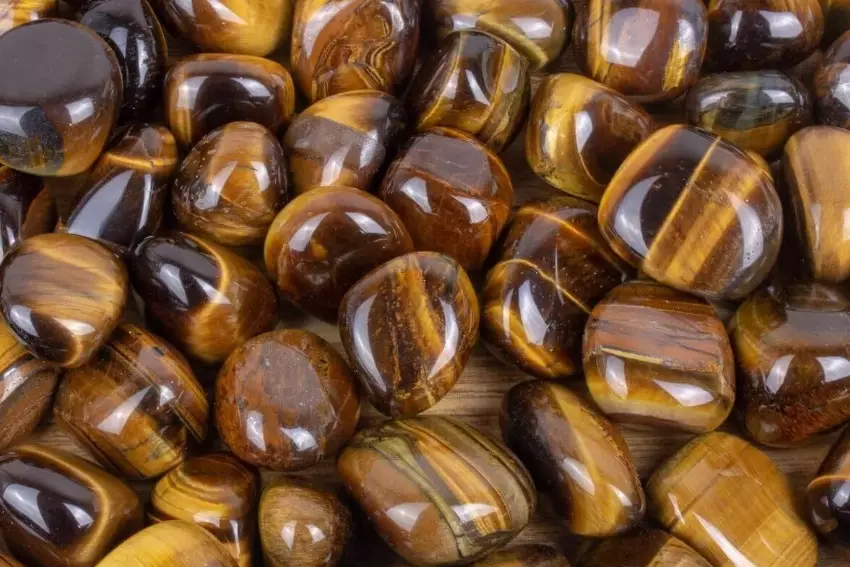
How to Spot a Fake Tiger's Eye: A Buyer's Survival Guide
This is crucial. The market is flooded with imitations, especially online. Fake tiger's eye is usually glass or plastic with stripes painted on. They look awful up close and have none of the stone's properties. Here’s how to protect yourself.
- The Chatoyancy Test: This is the number one giveaway. Real tiger's eye has that moving silky band of light. Tilt it under a lamp. The band should glide smoothly. A fake will have painted stripes that don't move or reflect light. The shine will be flat and superficial.
- Temperature and Weight: Real stone feels cool to the touch and is relatively heavy for its size. Plastic feels warm and light. Glass might feel cool but often has a different, more uniform texture.
- Look at the Details: Use a magnifying glass if you can. Real tiger's eye has fibrous texture within the bands. The color transitions are natural and blended. Fakes often have perfectly sharp, printed lines. You might even see brush strokes or air bubbles in glass imitations.
- The Scratch Test (Carefully!): Real quartz (hardness 7 on the Mohs scale) cannot be scratched by a steel knife (hardness 5.5). Glass and plastic can be. Test on an inconspicuous area if you must.
- Trust Reputable Sellers: Buy from established rock shops, gem shows, or reputable online mineral dealers who provide information about the source. Be wary of prices that seem too good to be true on mass-market sites.
I once bought a "tiger's eye" sphere online that arrived and was clearly resin. It was light, the stripes were printed on, and it even had a weird chemical smell. A total waste. Learning these checks saved me from making that mistake again.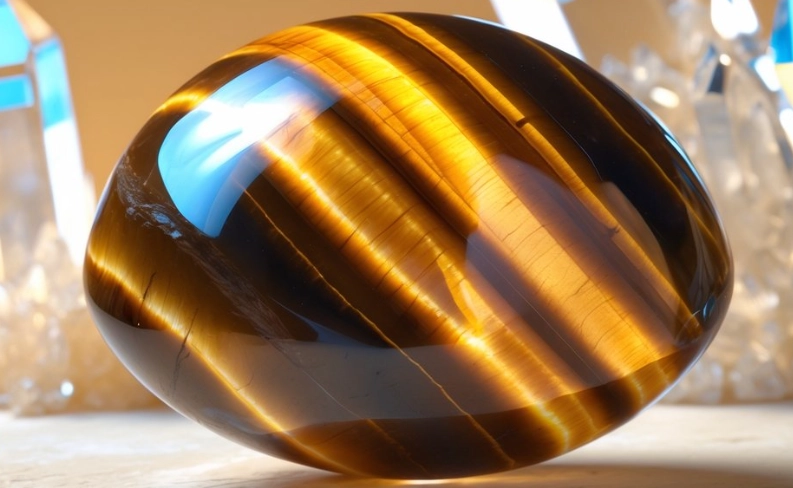
Okay, I Have One. How Do I Actually Use Tiger's Eye?
This is the practical part. You don't need to perform elaborate rituals. Here are simple, effective ways to incorporate tiger's eye into your life.
As Jewelry (The Easiest Way)
Wearing it keeps it in your personal energy field, as the saying goes. More simply, it's a constant visual and tactile reminder.
- Bracelets or Rings: Great for an intention related to action or confidence (right hand is often for giving/projecting).
- Pendants: Worn near the heart or solar plexus, for matters of personal power or protection.
- Worry Stones: A small, polished piece to carry in your pocket. Rub it when you're feeling anxious or need to focus.
In Your Home or Workspace
- Wealth Corner: In Feng Shui, the far left corner of your room (from the entrance) is the wealth area. Placing a piece of tiger's eye there is believed to attract abundance.
- On Your Desk: A small sphere or tower on your work desk can serve as a focus object for clarity, decision-making, and prosperous business energy.
- By the Front Door: As a traditional protective stone, placing it near the entrance is thought to guard the home.
In Meditation or Energy Work
Hold a piece in your hand or place it on your solar plexus (upper abdomen) during meditation. Focus on feelings of confidence, stability, or visualizing your goals clearly. The stone provides a physical anchor for your practice.
 The best way to use it is the way that feels right and meaningful to *you*.
Cleaning and Caring for Your Tiger's Eye
It's a durable stone (hardness 7), but it's not indestructible. To keep it looking its best:
- Cleaning: Use warm, soapy water and a soft cloth. Avoid harsh chemicals, ultrasonic cleaners, or steam cleaners.
- Recharging (Energetic Care): If you subscribe to the idea that stones need their energy cleared, tiger's eye loves sunlight. A few hours in gentle morning sun is perfect. You can also place it on a bed of selenite or among clear quartz points. Moonlight works too. Avoid prolonged, harsh midday sun which *might* fade the color over many years.
- Storage: Wrap it in a soft cloth or keep it in a fabric-lined box to prevent scratches from harder stones.
The Final Word: Is Tiger's Eye Right for You?
Look, tiger's eye isn't a magical solution. But it is a remarkably beautiful stone with a rich history and a tangible, grounding presence. If you're drawn to its looks, or if the ideas of clarity, courage, and practical action resonate with you, it's absolutely worth getting a piece.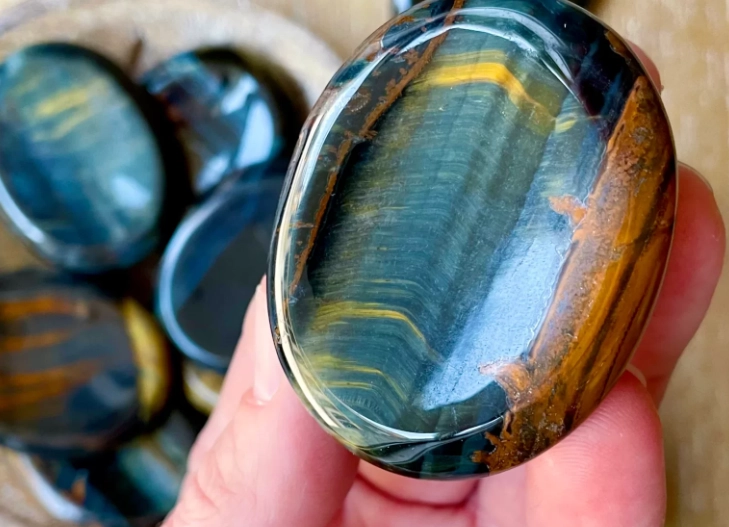
Start small. Get a genuine, tumbled stone from a reputable dealer. Hold it. Feel its weight. Watch the light play across its surface. Use it as a focus point when you need to make a decision or when you're feeling unsure.
At the very least, you'll own a fascinating piece of the natural world—a snapshot of a millions-of-years geological process. At best, it might become a meaningful tool for personal reflection and a reminder of your own strength and potential. And honestly, in today's world, who couldn't use a little more of that?
Just remember the golden rule: buy real, manage your expectations, and let your own experience be your guide. Forget the hype and see what the stone, a genuine piece of tiger's eye, actually says to you.
Related Articles
Tiger's Eye: Your Complete Guide to Meaning, Uses, and Benefits
Obsidian Benefits: Transform Your Note-Taking and Knowledge Management
Spiritual Obsidian: Unlocking Its Mystical Powers for Protection & Healing
Moss Agate Benefits: Healing, Beauty, and Practical Uses
Larimar Zodiac Guide: Best & Worst Signs for the Atlantis Stone
