You've probably seen it–that rich, wine-red gem that looks like it holds a piece of a deep winter night. That's almandine garnet, the most common variety of the garnet family, and frankly, the most misunderstood. Most people think it's just a January birthstone for jewelry. They're missing the whole story. I remember picking up a rough piece in a dusty antique shop years ago, drawn to its weight and somber color. It felt solid, serious. That's almandine. It's not here to sparkle and dazzle like a diamond. It's here to ground you, to connect you, to offer a kind of energetic stability that's hard to find in our flickering-screen world. This guide is for anyone who's looked at that deep red and wondered what it's really about.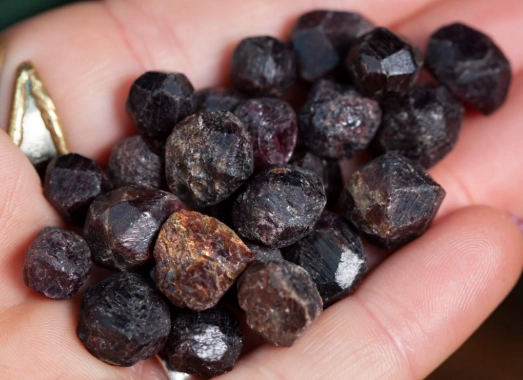
What You’ll Discover in This Guide
From Earth to Energy: What Almandine Garnet Really Is
Let's start with the basics, because getting this wrong leads to bad purchases. Almandine is an iron-aluminum silicate. It forms under the intense heat and pressure of metamorphic rocks like schist and gneiss, or sometimes in igneous rocks. You'll find it all over–from the Adirondack Mountains in New York to India, Brazil, and Madagascar. That deep red? It comes from iron. More iron usually means a darker, browner red. Sometimes it mixes with another garnet, pyrope, creating rhodolite, which has a prettier purple-pink hue.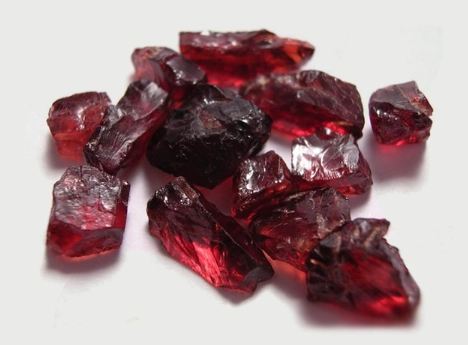
Now, here's where it gets interesting for energy workers and spiritual folks. For centuries, almandine has been tied to the root chakra. The association isn't random. Its formation deep in the earth, its elemental iron (the same stuff in our blood that carries oxygen), and its heavy, enduring feel all point to themes of survival, stability, and physical vitality. Medieval warriors carried it for protection. It was thought to guard against injury and poison. Today, that translates to a sense of being grounded, secure, and resilient in the face of life's chaos.
A Non-Consensus View: Many crystal blogs will tell you almandine is all about passion and love. I find that's more applicable to pyrope or rhodolite garnet. Pure almandine's energy feels less fiery and more steadfast. It's less about igniting new romance and more about securing the foundation of what you already have–your home, your body, your most basic sense of safety. Confusing the two can lead you to pick the wrong stone for your needs.
A Physical Properties Breakdown: Hardness, Color, and Clarity
If you're going to use or wear this stone, you need to know what you're handling. Let's break it down in a way that actually helps you.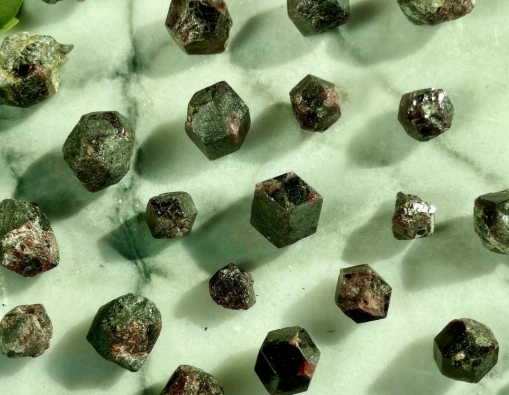
| Property | Specification | What It Means For You |
|---|---|---|
| Hardness (Mohs Scale) | 7 - 7.5 | Durable for rings, but can be scratched by harder materials like topaz or diamond. Don't toss it loose in a bag with other jewelry. |
| Color | Deep red, brownish-red, violet-red | The classic "garnet red." Lighter, more vibrant reds are often called "precious garnet" and may be more valuable. Near-black stones are common and powerful for grounding. |
| Clarity | Type II (Usually included) | Expect visible inclusions like needles (rutile), crystals, or fingerprints. Eye-clean stones are rarer and pricier. Inclusions are a sign of natural growth, not a flaw. |
| Cleavage | None (but brittle) | It doesn't split along flat planes easily, but a sharp knock can cause a conchoidal fracture (like broken glass). Handle with care during setting. |
| Luster | Vitreous (glass-like) | When polished well, it has a beautiful glassy shine. A dull polish is a sign of poor craftsmanship. |
That "brittle" note is crucial. I've seen a beautifully cut almandine cabochon chip because someone knocked it off a table onto a tile floor. It's tough, but not invincible. The inclusions? Don't let a seller convince you a completely clean, cheap stone is natural almandine. It might be glass or a synthetic. Garnets, especially almandine, are famous for their inclusions. The Gemological Institute of America (GIA) has extensive resources on garnet inclusions that can help with identification.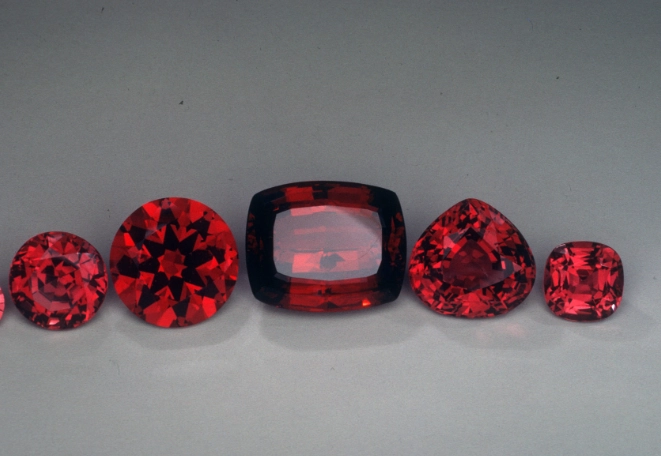
Practical Uses Beyond the Jewelry Box
Sure, you can set it in a ring. But if that's all you do, you're using a fraction of its potential.
For Energy Work and Meditation
Hold a piece in your left hand (receptive hand) during meditation. Focus on the feeling of weight and density. Visualize its energy as a deep red root growing from the base of your spine down into the earth. It's excellent for people who feel spacey, anxious, or disconnected from their bodies. I keep a rough chunk on my desk. When my thoughts are racing, I'll pause and hold it for a minute. The mental noise doesn't vanish, but it settles, like sediment in a pond.
In Your Living Space
Place a larger specimen in the corner of a room that feels chaotic or unstable–maybe a home office or a frequently argued-in living room. Its grounding energy can subtly shift the atmosphere. Think of it as an energetic anchor. A friend of mine, a real estate agent, keeps a small tumbled stone in her car. She says it helps her stay centered and present between showing houses to demanding clients.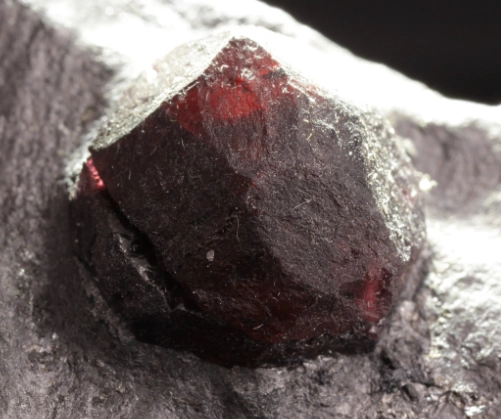
As a Personal Anchor
Carry a small, tumbled stone in your pocket during stressful situations–a difficult meeting, a family gathering, travel. It's a tangible reminder of stability you can touch. This isn't magic; it's tactile psychology. The simple act of reaching for something solid can interrupt a spiral of anxiety.
How to Choose Your Stone: A Buyer's Reality Check
Buying almandine garnet can be confusing. Prices range from a few dollars for a tumbled stone to hundreds for a fine faceted gem. Here’s how to navigate it.
First, decide on your purpose. Are you buying for jewelry, for a collection, or for energy work? Your goal dictates your criteria.
For Jewelry: Look for a well-cut stone with good polish. Color is personal, but ensure it's pleasing to you. Check the setting–is it secure? For rings, bezel or semi-bezel settings protect the girdle (the thin edge) from chips. Ask if the stone has been treated. Almandine is rarely treated, but it's always good to ask.
For Energy Work/Collection: You have more freedom. A raw, uncut crystal might offer a more "raw" energy connection. Inclusions become fascinating landscapes. Weight and feel in your hand matter more than perfect clarity. Does it feel right? Trust that more than a textbook description.
The Big Mistake to Avoid: Buying based on a pretty online photo under perfect lighting. A stone that looks like a vibrant crimson online might arrive a dark, opaque brownish-red. Reputable dealers (like those on platforms that vet sellers, or established mineral shows) will describe color accurately, using terms like "very dark" or "brownish undertones." Read descriptions carefully, not just look at pictures.
Caring for Your Garnet: The Right (and Wrong) Way
This is simple but often done wrong. Don't use an ultrasonic cleaner. The vibrations can aggravate existing fractures or inclusions, potentially cracking the stone. Steam cleaners are also a no-go; the sudden temperature change can cause damage.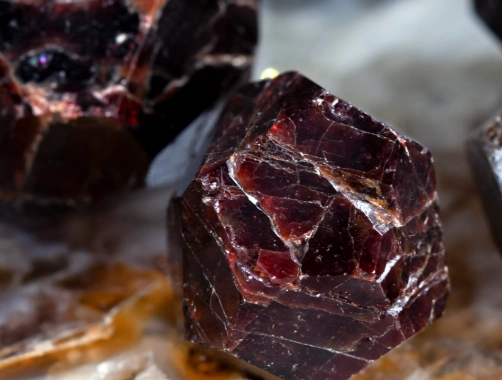
The safe method is lukewarm water, a tiny bit of mild dish soap, and a soft toothbrush. Gently scrub, especially behind the stone in jewelry where grime collects. Rinse well and dry with a soft cloth. For energetic cleansing, I prefer running it under cool, natural water (a stream is ideal, a tap works) or letting it sit on a bed of dry sea salt. Some people use smoke, but I find water and salt more aligned with almandine's earthy nature.
Store it separately from harder gems to prevent scratches. A soft pouch or a separate compartment in a jewelry box is perfect.
Your Questions Answered
Can I wear an almandine garnet ring every day?
What's the biggest mistake people make when buying rough almandine garnet for energy work?
My almandine garnet jewelry gets dusty and dull quickly. How do I clean it properly?
Is a darker, almost blackish almandine garnet less valuable than a bright red one?
Related Articles
Unveiling Green Onyx Properties: A Deep Dive into Its Meaning, Uses & Care
Ocean Jasper Benefits: Healing Properties & How to Use It
Mookaite Australia: Complete Guide to Healing Jasper Properties & Uses
Selenite Uses: From Healing to Home Decor (The Ultimate Guide)
Tigers Eye Protection: Unlock Its Power for Safety and Clarity