Let's cut through the noise. When someone asks you to define onyx, they're usually picturing that sleek, pure black stone used in signet rings and cameos. But here's the first twist: pure black onyx is almost always dyed. The natural stone is defined by its parallel bands of color, typically black and white. It's a variety of chalcedony, a type of quartz, and its name comes from the Greek word for "claw" or "fingernail." Maybe because its layers can be as thin as a nail. For centuries, it's been carved, polished, and revered across cultures, from ancient Rome to modern metaphysics. But what does that mean for you today? Whether you're drawn to its look, its purported energy, or just want a stunning piece of decor, understanding what onyx truly is will save you money and disappointment.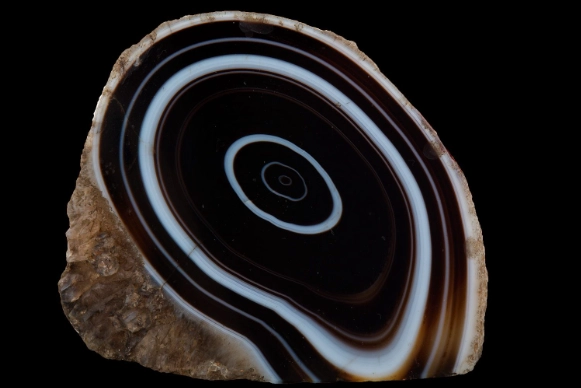
What's Inside This Guide
What Is Onyx? Clearing Up the Confusion
The most common mistake is confusing onyx with agate. Both are banded chalcedony. The distinction, according to gemological authorities like the Gemological Institute of America (GIA), comes down to the bands. Agate has curved, concentric bands that often form eye-like patterns. Onyx has straight, parallel bands. Think of it like tree rings (agate) versus layers of sedimentary rock (onyx).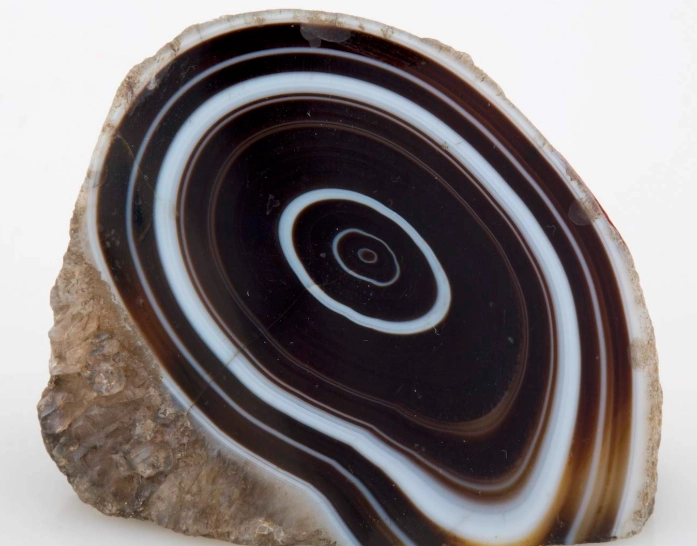
Then there's the color issue. The classic banded onyx is black and white. Sardonyx is a popular variant with reddish-brown (sard) and white bands. But walk into any jewelry store and you'll see jet-black cabochons and beads sold as "black onyx." 99% of the time, this material is gray chalcedony or agate that has been soaked in a sugar solution and then treated with sulfuric acid to carbonize the sugar, creating an intense, uniform black color. The industry accepts this as standard practice, but as a buyer, you should know.
Onyx Properties: Physical and Metaphysical
Let's break down what this stone is made of and what people believe it can do.
Physical & Chemical Properties
Onyx is a silicate mineral. Its hardness is 7 on the Mohs scale, making it durable enough for daily-wear jewelry but still susceptible to scratches from harder materials like diamonds or sapphires. It has a waxy to vitreous luster and, crucially, those parallel bands. This structure makes it excellent for carving intricate details without flaking—the reason it's been a favorite for cameos for over 2,000 years.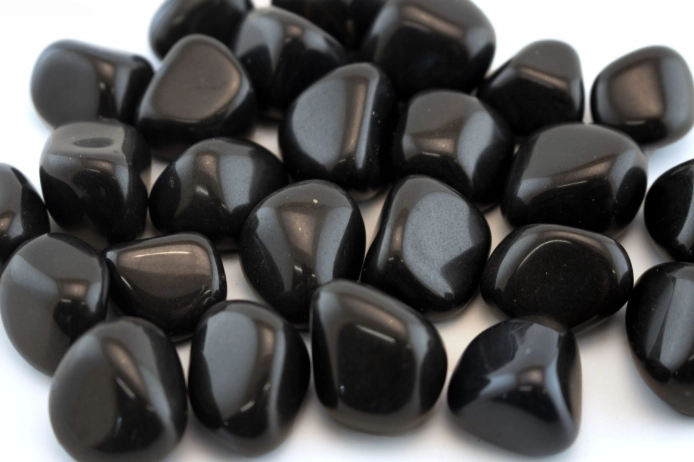
Metaphysical Properties & Modern Belief
In crystal healing circles, black onyx is touted as a grounding and protective stone. It's said to absorb and transform negative energy, strengthen determination, and promote emotional stability. I've spoken to practitioners who use it as a "psychic vacuum cleaner," placing it in corners of a room after arguments.
Here's a non-consensus view I've developed after years of collecting: the power of onyx isn't in some mystical energy field, but in its physical presence and historical weight. Holding a cool, heavy piece of carved Roman onyx connects you to an ancient artisan. Wearing a black onyx ring can feel like a tangible reminder of personal resolve. The "energy" might just be the psychological effect of focusing your intent on a beautiful, ancient object. That, in my opinion, is real enough.
Practical Uses of Onyx: From Jewelry to Your Home
Onyx isn't just for crystal grids. Its utility is vast and tactile.
1. Jewelry and Adornment
Men's signet rings, women's statement pendants, elegant cameo brooches—onyx is a jewelry staple. Its opacity provides a perfect dark canvas that makes metal settings (especially silver or white gold) pop. For everyday wear, it's robust. Pair a black onyx pendant with a simple chain for a look that's both classic and edgy. Banded onyx beads make for stunning, conversation-starting bracelets.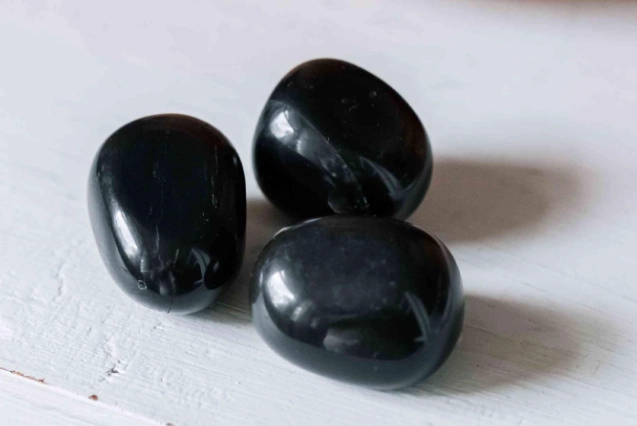
2. Home Decor and Architecture
This is where onyx shines, literally. Thin slabs of onyx are semi-translucent. Backlit, they glow with a warm, honeyed light. You see this in luxury hotels and homes: onyx tile inlays in bathrooms, onyx bar tops, or stunning backlit onyx wall panels behind a bar. A friend installed a small backlit onyx shelf in her meditation nook, and the ambient light it creates is genuinely transformative. It's not cheap—quality slabs can run hundreds per square foot—but the effect is unmatched by any synthetic material.
3. Spiritual and Wellness Practice
Beyond just holding it, people use onyx in specific ways. Placing a stone at the front door as a symbolic protective barrier. Using a smooth palm stone during meditation to anchor wandering thoughts. Some reiki practitioners place small stones on the body's root chakra points during sessions. The key is intentionality. Don't just buy it and leave it in a drawer. Decide what you want it to represent—resilience, focus, calm—and incorporate it into a daily ritual, even if that's just glancing at it on your desk when you need a mental reset.
How to Identify Real Onyx (And Avoid Fakes)
This is the practical knowledge gap most guides don't fill. You're not a gemologist, so what can you actually do?
Look for the Bands: This is the number one identifier. Tilt the stone under good light. Do you see any straight, parallel lines? Even in dyed black onyx, you can sometimes see faint, grayish bands under magnification. If it's perfectly uniform and jet black, assume it's treated.
The Temperature Test: Real stone feels cool to the touch and takes a moment to warm up in your hand. Plastic or glass imitations will feel closer to room temperature faster. It's not foolproof, but it's a good first clue.
Check the Weight: Genuine mineral onyx has a satisfying heft. Resin or plastic fakes feel suspiciously light.
Scratch Test (With Caution): Onyx (hardness 7) can scratch glass (hardness ~5.5). You can carefully try to scratch the bottom of a glass bottle with an inconspicuous part of the stone. A real one will leave a faint mark. Don't do this on a finished jewelry piece without permission!
Price Point Reality Check: A large, deep black, perfectly flawless "onyx" sphere for $25 is almost certainly dyed howlite or resin. Real, high-quality banded onyx or substantial carved pieces command higher prices. If a deal seems too good to be true, it probably is.
The biggest pitfall I see is buying "green onyx" or "blue onyx." These terms are often misapplied to banded calcite or other minerals, which are much softer and less durable than true quartz onyx. Ask the seller, "Is this quartz onyx or calcite onyx?" Their answer will tell you a lot about their knowledge.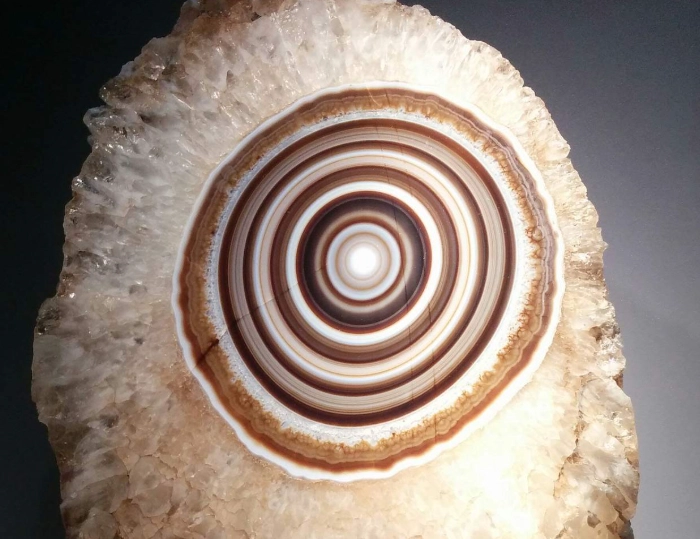
Your Onyx Questions, Answered
Can I wear black onyx every day?
Physically, yes. Its hardness makes it suitable for daily wear in rings or pendants. Energetically, some practitioners warn that its strong grounding vibe might be overstimulating for some if worn constantly. My advice? Try it. If you feel unusually fatigued or heavy after a few days of constant wear, take it off for a while. Listen to your body, not just the dogma.
How do I clean and care for my onyx jewelry or decor?
Avoid ultrasonic cleaners and steamers, especially for treated stones, as the dye can destabilize. Don't use harsh chemicals. Warm soapy water, a soft brush, and a thorough rinse are best. Dry immediately with a soft cloth. For backlit onyx panels, use only a damp cloth to avoid damaging the translucent surface. Store jewelry separately to prevent scratches.
What's the difference between onyx and obsidian?
A huge one. Obsidian is a natural volcanic glass, not a crystalline quartz. It's usually black but can be found in other colors, and it fractures with a sharp, conchoidal (shell-like) pattern. It's often smoother and shinier than onyx and lacks the banding. Metaphysically, obsidian is considered a deeper, faster-acting truth-teller and psychic mirror, while onyx is seen as a slower, more stabilizing force.
Is onyx associated with bad luck?
This is an old superstition, largely stemming from its use in Victorian mourning jewelry. Some cultures associated its black color with negativity. The modern crystal perspective flips this: it doesn't attract bad luck, it's said to absorb and neutralize negative energy from around you, thus acting as a shield. I find superstitions like this often say more about cultural fear of darkness than the stone itself.
Where is the best place to buy genuine onyx?
Reputable gem and mineral shows are excellent because you can examine pieces closely and talk to knowledgeable dealers. For jewelry, established local jewelers or online specialists with clear policies on treatments are safer than mass-market fast-fashion sites. Always ask: "Is this naturally banded, or is it treated for color?" A trustworthy seller will be transparent.
Related Articles
Blue Crystals Guide: Names, Meanings & How to Choose
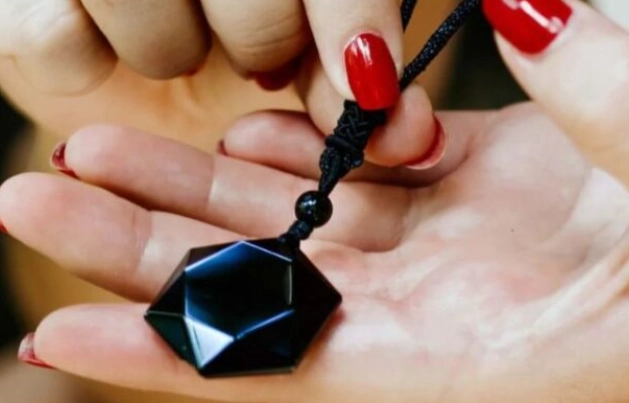
Wearing Obsidian Benefits: Spiritual, Emotional & Physical Perks Explained
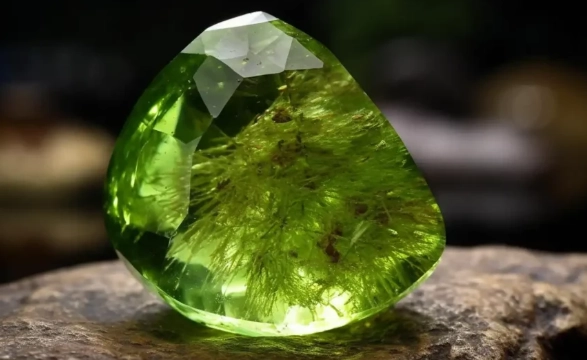
Peridot Meaning: Your Guide to the Healing Stone of Light
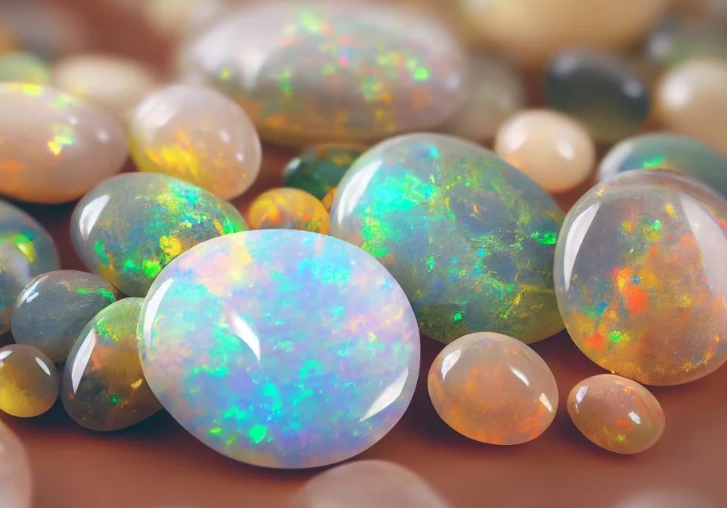
Opal Spiritual Meaning: More Than Just a Pretty Stone

Agate Spiritual Meaning: A Complete Guide to Healing & Grounding