What You'll Discover in This Guide
Sunstone isn't just another pretty crystal—it's a feldspar mineral with a unique sparkle that catches the light and, some say, your mood. If you're like me, you might have stumbled upon it in a shop and wondered what the fuss is about. I've been collecting crystals for over a decade, and sunstone stands out for its warmth and versatility. In this guide, I'll break down everything from its geological basics to how you can use it daily, based on my own trials and errors. Let's cut through the hype and get practical.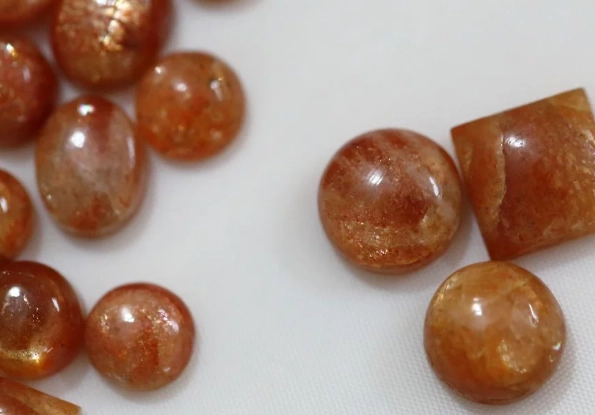
What is Sunstone?
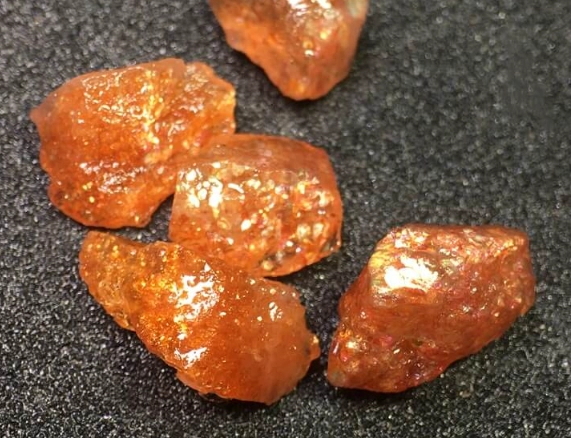
Sunstone is a type of feldspar, often from the plagioclase family, known for its aventurescence—that's the technical term for its glittery effect. It forms in igneous rocks and gets its name from the tiny platelets of hematite or goethite inside that reflect light like sunbeams. Major sources include India, Norway, and the United States (Oregon has a famous variety). According to the International Gem Society, sunstone ranges from pale yellow to deep red, with orange being most common. It's not as hard as quartz, sitting around 6-6.5 on the Mohs scale, so it's durable but needs care.
I remember my first sunstone: a small, tumbled piece from a market in Rajasthan. The seller claimed it was "high quality," but it lacked that signature shimmer. Turns out, many beginners assume all sunstone sparkles brightly, but higher-quality stones can have a subtler glow. That's a nuance often missed online. Sunstone isn't just for collectors; it's used in jewelry, carvings, and even tech applications for its optical properties, though that's a niche area.
How to Identify Genuine Sunstone
Spotting real sunstone versus fakes is crucial, especially with the rise of synthetic crystals. Here's a quick table to compare key traits:
| Feature | Genuine Sunstone | Fake/Imitations |
|---|---|---|
| Schiller Effect | Sparkly platelets inside, uneven distribution | Uniform sparkles (often glued glitter) |
| Color | Reddish, orange, or gold hues; may have streaks | Overly bright or dyed colors |
| Weight | Feels substantial for its size | Lightweight (plastic or glass) |
| Temperature | Cool to touch initially | Warms up quickly |
| Price | $10-$100 per carat for decent quality | Extremely cheap (under $5) |
Beyond the table, use a loupe to check for natural inclusions—real sunstone has tiny, reflective bits that look like gold dust. Fake versions might be quartz coated with metallic paint. A common mistake is relying solely on sparkle; I've seen dyed glass sold as "premium sunstone" that fades in sunlight. Always ask for origin details; reputable sellers, like those on Mindat.org, provide locality info. If it's too perfect, be skeptical.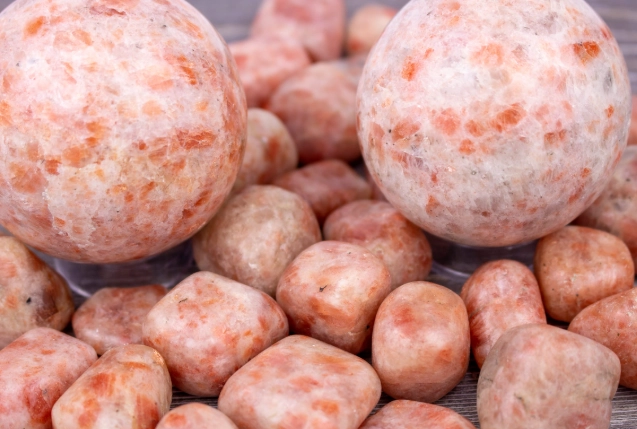
Pro tip: Rub the stone gently on ceramic—real sunstone won't leave a mark, but fakes might scratch or show color residue. This saved me from a bad purchase last year.
The Healing Properties of Sunstone: Fact or Fiction?
Sunstone is often touted for healing properties, like boosting energy, confidence, and creativity. But let's be real: there's no scientific proof, and many crystal enthusiasts, including myself, see it as a tool for mindfulness rather than magic. It's linked to the solar plexus chakra, which governs personal power. I use it during meditation to combat procrastination—holding a piece while setting intentions helps me focus.
However, a non-consensus view: some experts argue that sunstone's effects are overstated for marketing. In my experience, its real value lies in the placebo effect and symbolic meaning. For example, placing it on your desk as a visual cue can remind you to stay motivated. I've had clients who felt more energized after carrying sunstone, but it's often tied to their mindset. If you're new to crystals, don't expect miracles; think of it as a supplement to practices like journaling or therapy.
Consider this scenario: you're feeling stuck in a creative project. Keep a sunstone nearby, and when you glance at it, take a deep breath and refocus. It's about creating rituals, not relying on the stone alone. I've found that pairing it with citrine amplifies the effect, but that's personal preference.
Using Sunstone in Home Decor and Lifestyle
Sunstone isn't just for pockets or jewelry—it can brighten up your space. Here are practical ways to incorporate it:
- Living room: Place a large raw piece on a coffee table to catch light; it adds a warm, inviting vibe. I have one from Oregon that sparkles in the afternoon sun, and guests always comment on it.
- Workspace: Keep a tumbled stone on your desk to combat afternoon slumps. It's less distracting than a phone notification.
- Bedroom: Use sunstone in a small dish on a nightstand for a calming yet energizing atmosphere. Avoid direct sunlight exposure to prevent fading.
For lifestyle, sunstone jewelry like pendants or bracelets can be worn daily. I prefer simple wire-wrapped pieces because they're durable. A friend of mine swears by a sunstone ring for job interviews—she says it boosts her confidence. But honestly, it's more about the personal connection than any inherent power.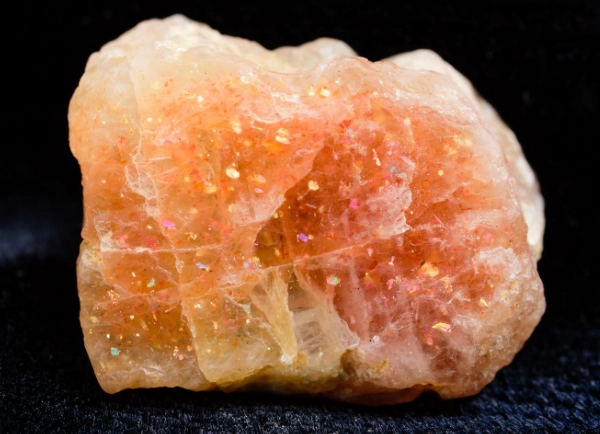
Decor-wise, mix sunstone with plants or wood accents for a natural look. Prices vary: raw chunks cost $20-$50, while polished spheres run $30-$100. I'd avoid cheap mass-produced items; they often lack character and may be fake.
Where to Buy Sunstone and What to Look For
Buying sunstone can be tricky, but here's a breakdown based on my years of sourcing:
- Local crystal shops: Visit stores with good reviews; ask about origin. Expect to pay $15-$80 for small pieces. Inspect for that schiller effect under light.
- Online retailers: Sites like Etsy or specialized gem shops offer variety. Look for sellers with return policies and detailed photos. I recommend checking the International Gem Society for trusted vendors.
- Gem shows: Great for bargaining, but beware of fakes. Prices range from $10-$200 depending on quality.
Key things to avoid: deals that seem too good to be true (like "sunstone" for $2), vague descriptions, and sellers who can't provide locality info. I once bought a "Norwegian sunstone" online that turned out to be dyed calcite—it was a lesson in asking for certificates or sourcing details. For beginners, start with a small, tumbled stone under $30 to test the waters.
If you're into DIY, sunstone can be used in crafts, but handle gently due to its moderate hardness. I've seen people embed it in resin coasters, but it's a niche hobby.
Caring for Your Sunstone: A Practical Guide
Sunstone doesn't need babying, but a little care goes a long way. Here's a simple routine:
- Cleaning: Rinse under lukewarm water every few weeks. Use a soft cloth—no harsh chemicals. I add a drop of mild soap for dirtier stones.
- Charging: Place it in moonlight overnight or on a windowsill during a full moon. Avoid direct sun for hours; it can fade the color.
- Storage: Keep it in a soft pouch away from harder crystals like quartz to prevent scratches.
A common error is using salt water for cleansing; sunstone's feldspar composition can react poorly, leading to surface damage. I learned this after a stone developed tiny pits. For energetic resets, sound cleansing with a bell works well, or simply hold it and set an intention. Some people bury it in earth, but that's messy and unnecessary for sunstone.
If your sunstone loses its sparkle, a gentle polish with a jewelry cloth can help, but don't overdo it. Over time, handling adds a patina that many collectors appreciate.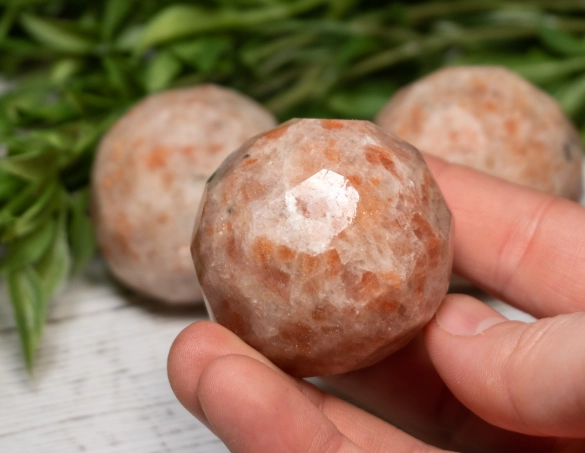
FAQ: Your Sunstone Questions Answered
Sunstone is more than a trend; it's a versatile crystal with a rich history and practical uses. Whether you're drawn to its sparkle or potential benefits, start small, stay curious, and trust your instincts. Over the years, I've seen it bring joy to many, not through magic, but through mindful engagement. Give it a try—you might find it brightens your day in unexpected ways.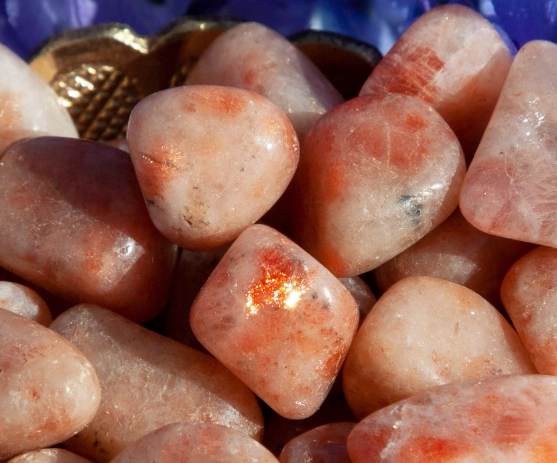
Related Articles
Jade Stone Meaning: Healing, Luck & How to Use It
Blue-Green Fluorite Benefits: A Deep Dive into Emotional & Mental Healing
Indigo Gabbro Meaning Explained: Mystical, Healing & Geological Facts

The three giants of MCU, three choices
Moonstone White: Healing Properties, Uses, and Expert Buying Tips