Let's talk about tigerseye. You've probably seen it—that stone with bands of gold, brown, and amber that seems to shift and gleam when you move it. It's not just pretty. For centuries, people have turned to it as a touchstone for confidence, focus, and protection. But beyond the common descriptions of "grounding" and "willpower," there's a depth to this crystal that most guides skip. I've worked with stones for over a decade, and I've seen how tigerseye is often misunderstood or used ineffectively. This guide cuts through the fluff. We'll cover what it actually does, how to pick a good one (and avoid the overpriced duds), the specific ways to use it, and how to spot a fake. Think of this as your no-nonsense manual.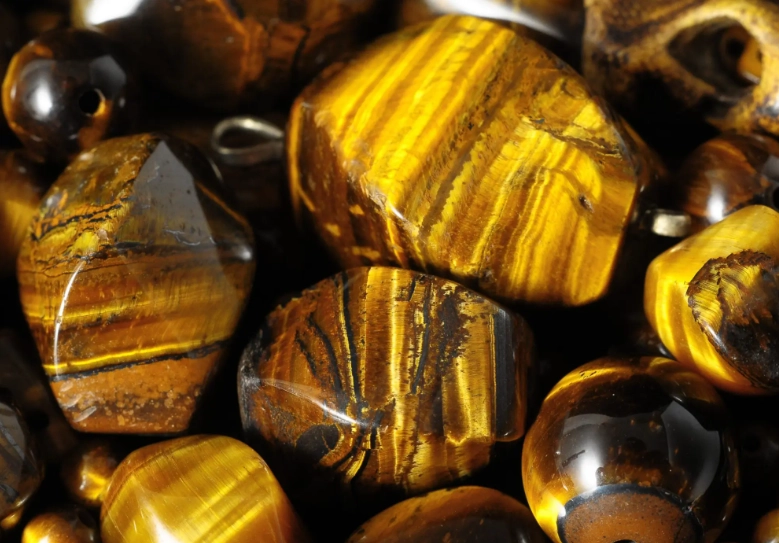
What's Inside?
- More Than a Pretty Stone: The Meaning & History of Tigerseye
- Gold, Red, Blue & More: The Different Types and Their Unique Properties
- How to Choose Your Tigerseye: A Buyer's Guide to Quality & Value
- From Pocket to Desk: Practical Ways to Use Tigerseye Daily
- Is It Real? How to Spot Fake or Treated Tigerseye
- Your Tigerseye Questions, Answered
More Than a Pretty Stone: The Meaning & History of Tigerseye
That cat's-eye effect you see is called chatoyancy. It happens because the stone is formed from parallel fibers of quartz that have replaced crocidolite (a type of asbestos). Light reflects off these fibers, creating a moving silky band. Geologically, it's a member of the quartz family, which the Gemological Institute of America (GIA) notes for its durability and abundance.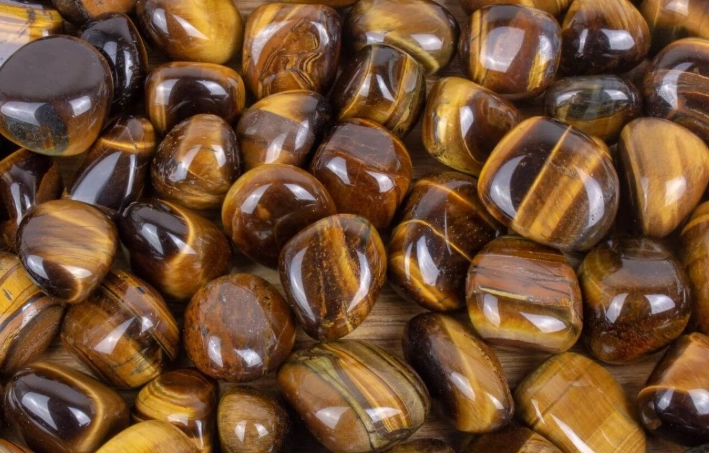
Historically, Roman soldiers carried it into battle as a talisman for protection and courage—they believed it literally held the vision of a tiger. Ancient Egyptian artisans used it for the eyes in deity statues, believing it conveyed piercing sight and divine perception.
The core meaning today centers on the solar plexus and sacral chakras. It's not a "zen" stone. It's an action stone. Its energy is about getting things done, standing your ground, and seeing through illusions—especially self-imposed ones like "I'm not good enough" or "I can't handle this." A common mistake is using it for general relaxation; it can actually be too stimulating before bed for some people.
Gold, Red, Blue & More: The Different Types and Their Unique Properties
Not all tigerseye is the classic golden brown. The variations aren't just cosmetic; they shift the stone's energetic focus.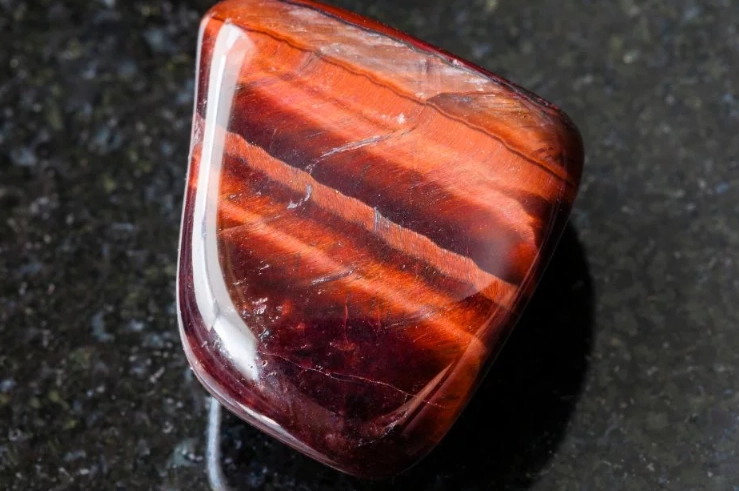
Golden Tigerseye is the classic. It's your all-rounder for confidence, practical decision-making, and wealth attraction tied to effort. It's the most common and affordable.
Red Tigerseye (sometimes called Oxeye or Dragon's Eye) is heated, turning the iron oxides within to a deep red. This process amplifies its connection to the root chakra. It's fiercely grounding. If you feel scattered, anxious, or unrooted in life, this is the one. It's less about ambition and more about stable foundation.
Blue Tigerseye (Hawk's Eye or Falcon's Eye) is the unoxidized precursor. Its cool, blue-grey bands offer a different flavor. It's linked to the throat and third eye chakras. Think calm communication, piercing intuition, and seeing the bigger picture without emotional interference. It's excellent for writers or anyone needing to speak their truth calmly.
Green and Pietersite are rarer. Green tigerseye is associated with heart-centered action and prosperity. Pietersite is a chaotic, beautiful mix of blue, gold, and red fibers, often called the "Tempest Stone." It's for embracing sudden change and finding courage in chaos.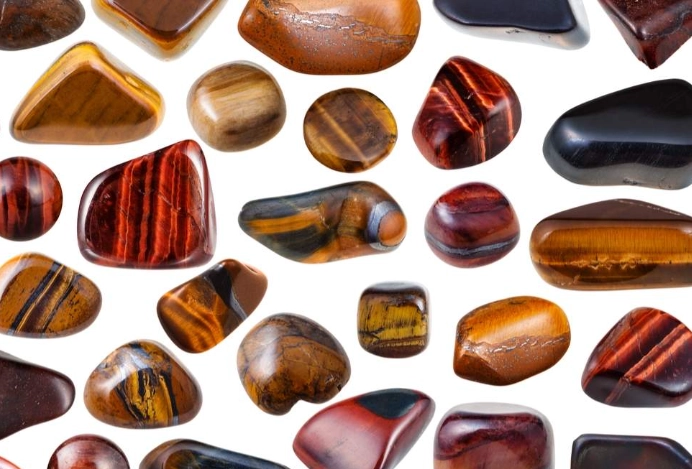
How to Choose Your Tigerseye: A Buyer's Guide to Quality & Value
Walk into any crystal shop or browse online, and the price range is wild. A tumble stone can be $5, a bracelet $30, and a carved sphere $200. What are you actually paying for?
First, know that tigerseye is not a rare gem. High prices are usually for artistry (intricate carving, premium jewelry settings) or exceptional chatoyancy. The value is in the silky band's sharpness and movement. A high-quality piece will have a bright, distinct band that slides dramatically across the surface when rotated under light. A lower-grade piece will look dull, with a muddy or barely visible band.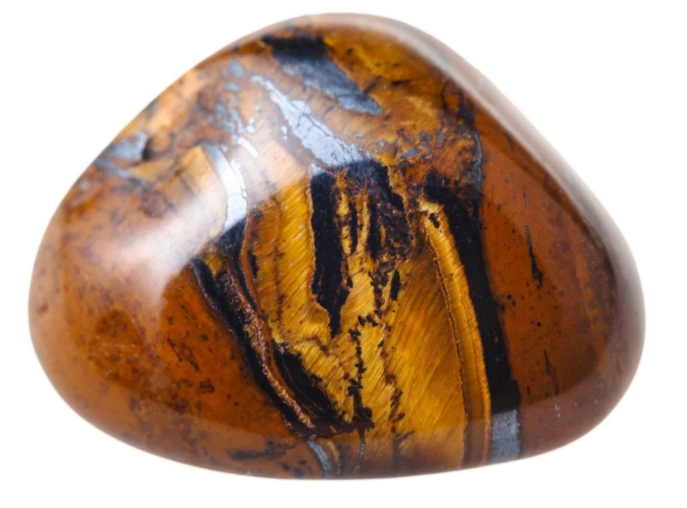
Here’s a quick reference to manage expectations:
>$15 - $50>$80 - $250+>$30 - $100+| Type & Form | What to Look For | Typical Price Range (USD) |
|---|---|---|
| Golden Tigerseye Tumble | Good color contrast, visible banding. Your basic starter piece. | $3 - $12 |
| Red Tigerseye Palm Stone | Rich, even red color. Should feel substantial and smooth. | $10 - $25 |
| Blue Tigerseye (Hawk's Eye) Cabochon | Sharp, bright blue silky band. Often set in silver. | |
| High-Quality Carved Sphere (Golden) | Exceptional chatoyancy from all angles, flawless polish. | |
| Pietersite Specimen | Vibrant mix of colors, dramatic fibrous patterns. |
My personal rule? Don't buy tigerseye online from photos that don't show the stone moving in a video. That chatoyancy is everything. A static image can hide a completely lifeless stone.
From Pocket to Desk: Practical Ways to Use Tigerseye Daily
This is where theory meets practice. How do you actually make this stone work for you?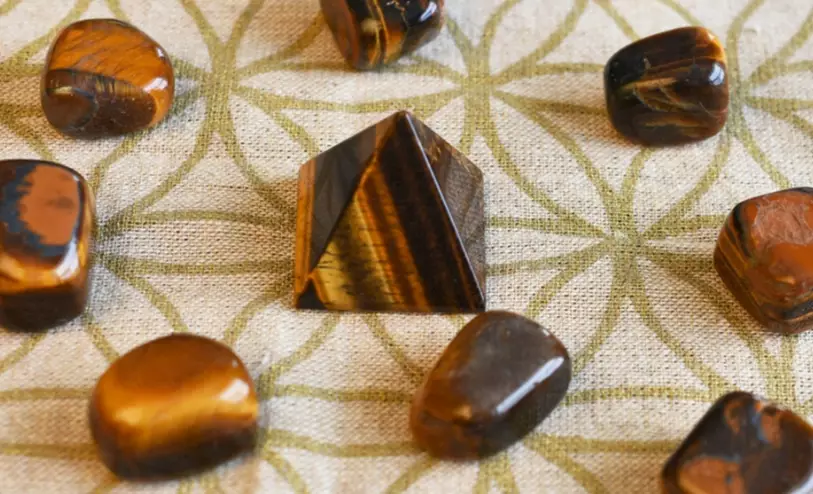
For Focus and Willpower
Keep a piece on your desk or workspace. Hold it for a minute before starting a daunting task. It's not magic. It's a tactile reminder of your own capability. The stone’s energy is often described as aligning your will with practical action.
For Protection and Grounding
Wear it as jewelry, especially when traveling, attending large meetings, or navigating stressful social situations. A simple tigerseye bead bracelet on your left wrist (receptive side) can act as a filter for chaotic or negative energy. Many feel it helps return their energy to them, preventing that "drained" feeling after long interactions.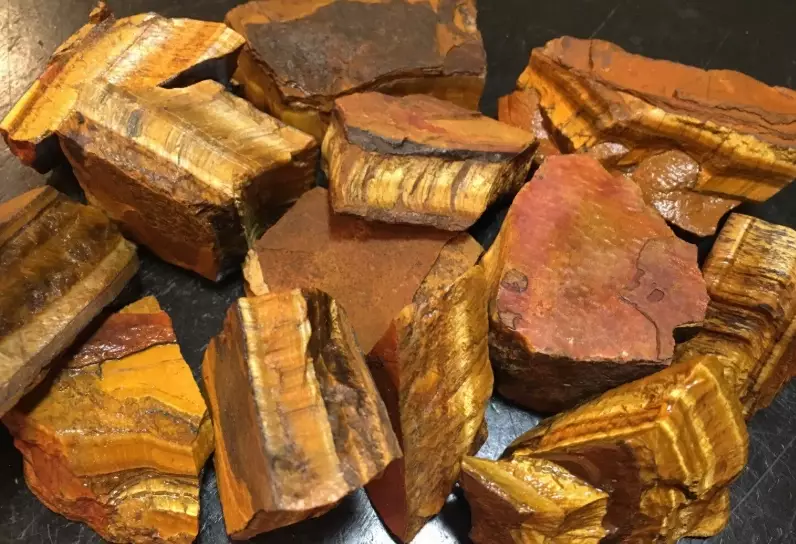
For Financial Clarity
Place a stone near your wallet, cash box, or financial planning documents. Its association with wealth is tied to practical effort and seeing opportunities, not luck. It's said to help cut through financial confusion and promote clear, confident money decisions.
Can you combine it with other stones? Absolutely. Pair it with Black Tourmaline for intense grounding and shielding. Combine it with Carnelian for a massive boost of creative action and motivation. But avoid pairing it with high-vibration stones like Celestite or high-grade Selenite for the same purpose—their energies can clash, leading to a muddled feel.
Is It Real? How to Spot Fake or Treated Tigerseye
Good news: tigerseye is common enough that outright plastic fakes are less common than for, say, Moldavite. The bigger issues are mislabeling and enhancement.
1. The Glass Imposter: Some "gold sheen" glass can mimic chatoyancy. Real tigerseye is a form of quartz and will be cooler to the touch initially and harder than glass. It won't scratch easily with a steel knife.
2. The Dye Job: Cheap, low-contrast golden tigerseye is sometimes dyed to enhance its bands. Rub it with a cotton swab dipped in acetone (nail polish remover). If color comes off, it's dyed. Red tigerseye is supposed to be heat-treated, so the red color is stable—this is an accepted enhancement.
3. The Mislabeled Stone: "Blue Goldstone" is often mistakenly sold as Blue Tigerseye or Hawk's Eye. Goldstone is man-made glass with copper flecks—it sparkles, but lacks the silky, parallel banding. Know the difference.
4. The Plastic "Healing Wand": Be wary of perfectly colored, lightweight wands or pyramids sold cheaply in tourist shops. They're often resin or plastic. Real stone has a certain heft and coldness.
The simplest test? Trust your eyes and the price. That $5 "giant tigerseye sphere" on a discount site is almost certainly fake.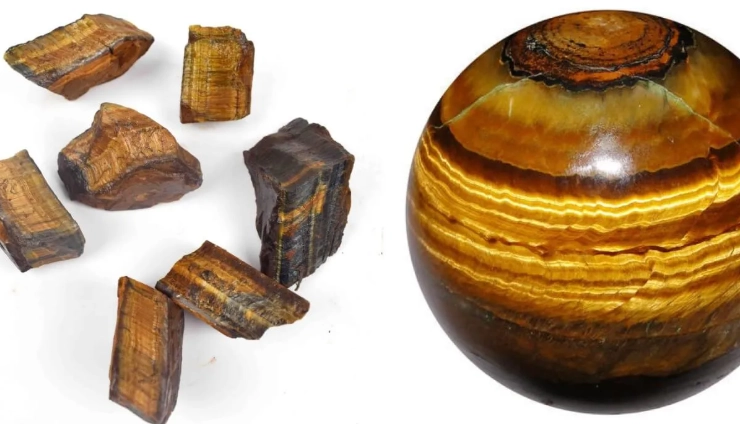
Your Tigerseye Questions, Answered
Related Articles
Mookaite Jasper Benefits: More Than Just a Pretty Stone
Green Kyanite Crystal Meaning: Healing, Properties & How to Use Guide

Black Onyx Spiritual Meaning: A Complete Guide to Its Power & Uses

Moonstone Benefits for Women: Emotional Balance & Feminine Energy Guide

Antares and Star Meaning: Unraveling the Heart of the Scorpion