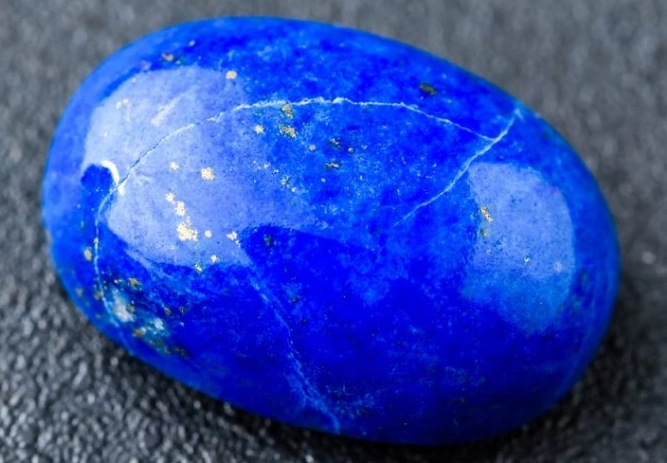
Let's talk about lapis lazuli. You've probably seen it – that deep, celestial blue stone speckled with golden pyrite, like a midnight sky full of tiny stars. It's stunning, sure. But for thousands of years, from the pharaohs of Egypt to the Renaissance masters, people haven't just admired it for its looks. They've sought it out for its power. Today, that search continues. If you're wondering what the real lapis lazuli benefits are beyond the jewelry store display, you're in the right place. This isn't about vague promises; it's a practical look at how this ancient stone can be a modern tool for clarity, calm, and speaking your truth.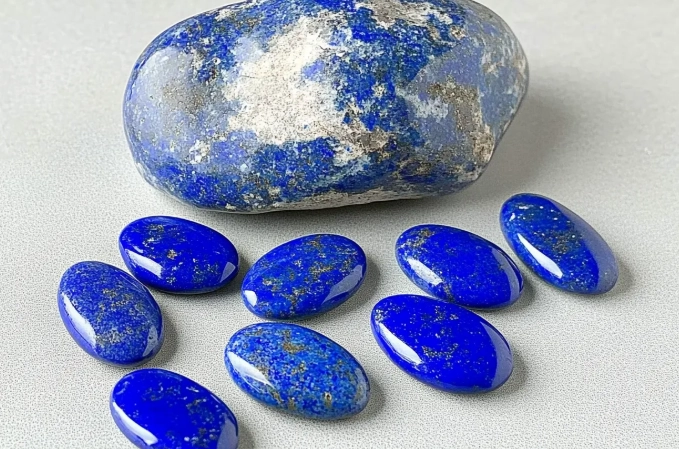
Your Quick Guide to Lapis Lazuli
What Makes Lapis So Special? A Stone of History & Truth
First, a bit of background because it matters. Lapis lazuli isn't a simple mineral. It's a rock, primarily composed of lazurite, which gives it that iconic blue, along with calcite (white streaks) and pyrite (the gold flecks). This complexity is a good metaphor for its benefits – it works on multiple levels.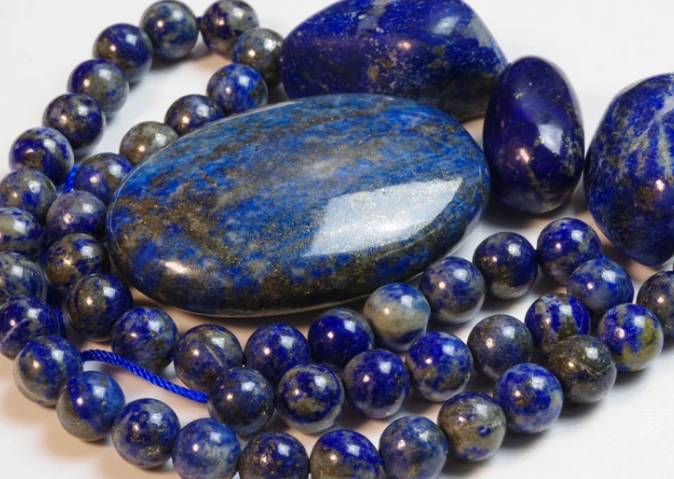
Its history is incredible. Cleopatra used ground lapis as eyeshadow. Ultramarine pigment, made from genuine lapis, was more expensive than gold in the Middle Ages and reserved for painting the robes of the Virgin Mary. Why? Because it symbolized truth, wisdom, and the heavens. This historical context isn't just trivia; it shows the deep-seated human intuition about this stone's connection to higher thought and honest expression.
The Core Idea: Across cultures and millennia, lapis lazuli has been consistently linked to two things: accessing inner wisdom (the deep blue of intuition) and expressing it clearly (the gold flecks of clarity and confidence). This is the foundation of all its modern healing properties.
The Top Mental & Emotional Benefits: Finding Your Voice
This is where lapis truly shines. Most people come to it feeling blocked in some way. Here’s how it can help.
1. Cutting Through Mental Fog & Boosting Objectivity
Ever have one of those days where your thoughts are just… muddy? You're overwhelmed, can't prioritize, or stuck in emotional reasoning. Lapis is known as a stone for clear thinking. It doesn't necessarily make you think faster, but it can help you think clearer. It's like having a wise, calm friend who helps you step back and see the situation for what it is, separating facts from feelings. This makes it incredibly useful for decision-making, studying, or any task requiring focus.
2. The "Throat Chakra" Champion: Authentic Communication
This is arguably its most famous benefit. In crystal healing, lapis is the ultimate stone for the throat chakra, the energy center related to communication. But let's get specific. It's not just about talking more. It's about:
- Speaking your truth when you're scared of the consequences.
- Setting boundaries clearly and kindly, without guilt.
- Articulating complex ideas in a way others can understand (great for writers, teachers, presenters).
- Having difficult conversations from a place of honesty rather than anger or fear.
If you often leave conversations thinking, "Why didn't I say what I meant?" keeping a piece of lapis on you (or wearing it as a necklace near the throat) can serve as a powerful physical reminder to access your authentic voice.
3. Easing Anxiety & Unveiling Self-Awareness
The deep blue of lapis has a naturally calming effect. It's associated with inner peace. But here's the non-consensus part: its way of easing anxiety isn't always about pure sedation. Sometimes, it works by bringing the source of your anxiety to light. It might prompt a moment of self-realization like, "Oh, I'm not actually anxious about this work project; I'm afraid of being judged as incompetent." That revelation, while uncomfortable, is the first step to actually addressing the problem. Lapis encourages deep, sometimes challenging self-reflection, which is ultimately more healing than just covering up the symptom.
Physical Uses & The Modern Myth
You'll find many lists claiming lapis helps with specific physical ailments. It's crucial to approach this with a critical mind. There is no robust scientific evidence that lapis lazuli can cure diseases. However, within holistic frameworks, it's often associated with areas linked to its blue color and throat connection: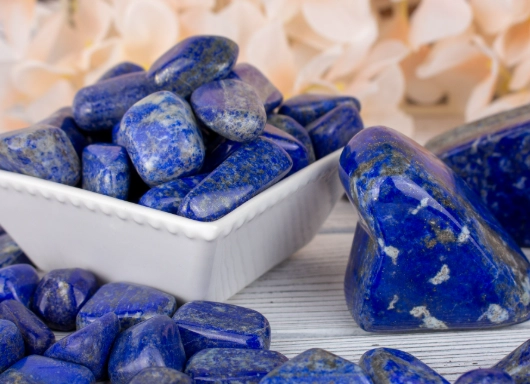
| Associated Area | Traditional Belief | Practical, Modern Perspective |
|---|---|---|
| Throat & Neck | Soothes sore throats, thyroid issues. | Its use is symbolic. Wearing it may encourage you to speak up about health concerns or express stress held as tension in the neck. |
| Nervous System | Calms overactive nerves, relieves tension. | The act of holding a cool, smooth stone can be a mindful, grounding practice that reduces stress, which benefits the entire body. |
| Sleep | Combats insomnia, brings peaceful dreams. | Placing it by your bedside can be part of a calming pre-sleep ritual, signaling to your mind that it's time to quiet down. |
The key takeaway? View any physical lapis lazuli benefits as supportive to overall well-being, not as a replacement for medical advice. Its real power is in addressing the mental and emotional stress that can manifest physically.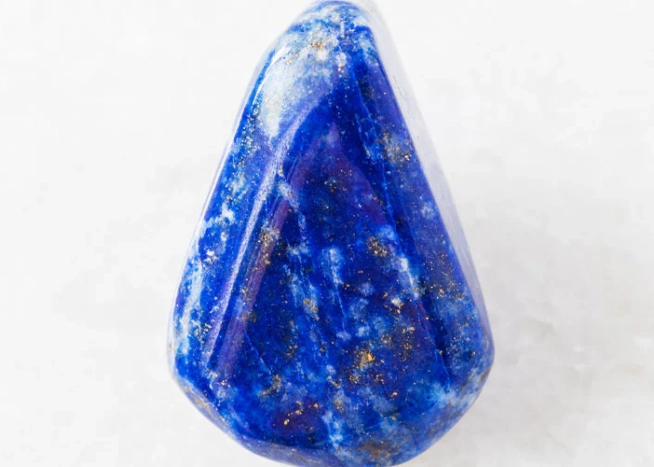
How to Actually Use Lapis Lazuli in Your Daily Life
Theory is great, but how do you make it work? Here are concrete, actionable ways.
- As Jewelry: A necklace or pendant keeps its energy close to your throat chakra all day. A ring or bracelet serves as a constant touchstone. This is the easiest, most effective method for ongoing support.
- Meditation Hold: Sit quietly with a palm stone. Feel its weight and temperature. Focus on its blue color. Ask for clarity on a specific issue or simply visualize a blue light of truth filling your throat and mind.
- On Your Desk: Place a small piece on your workspace to encourage clear thinking and honest communication during calls and emails.
- Under Your Pillow: For insights through dreams or a more peaceful sleep atmosphere.
- In Your Pocket: A simple tumble stone is perfect. Reach for it during stressful moments, meetings, or before a difficult conversation to center yourself.
A Quick Care Note: Lapis is softer and more porous than many stones. Avoid harsh chemicals, ultrasonic cleaners, and prolonged sunlight. Cleanse it gently under lukewarm running water or by smudging with sage. Its color can fade or its surface can become dull if treated roughly.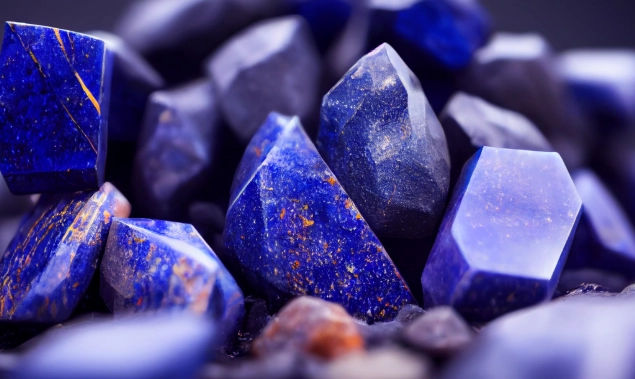
Common Mistakes to Avoid with Lapis
After years of working with stones, I see the same errors crop up. Avoiding these will save you disappointment.
1. Expecting Immediate, Miraculous Change. Crystals are tools, not magic wands. Think of lapis as a tuning fork. It holds a frequency of truth and clarity. By carrying it and setting intentions, you're trying to tune yourself to that frequency. It's a subtle, consistent practice, not an instant fix.
2. Buying the Cheapest, Most Vivid Blue Piece. Here's a big one. That intensely bright, uniformly blue, cheap "lapis" from mass retailers is often dyed howlite or magnesite. Real lapis has variations – white calcite veins and brassy pyrite flecks are part of its character, not flaws. Genuine stone has a different energy. Seek out reputable sellers who specify natural lapis lazuli. A smaller, real piece is more powerful than a large fake one.
3. Using It Without Cleansing or Setting Intentions. You wouldn't use a coffee mug without washing it. Similarly, cleanse your lapis when you first get it (to clear any previous energy) and periodically afterwards. More importantly, hold it and tell it what you want help with. "Help me speak clearly in my presentation today." "Bring me clarity on this decision." This programs the stone with your purpose.
Your Lapis Lazuli Questions Answered
This is one of its best applications. Keep a tumbled stone in your pocket or wear a lapis pendant on days with big meetings. Before you walk in, take a moment, hold the stone, and take a few deep breaths. Set a simple intention like, "I am clear, calm, and articulate." The stone acts as an anchor. When you feel anxiety rising, discreetly touching it can ground you and remind you of that intention, helping to shift your focus from fear back to your message.
Great question. They're both blue stones good for communication, but with different energies. Sodalite is usually a more uniform, royal blue with white veins, but no gold pyrite flecks. It's an excellent team stone, fostering logic, order, and group harmony. Lapis, with its gold, is more about personal power, inner truth, and spiritual insight. Think of sodalite as the project manager (structured communication) and lapis as the visionary leader (inspired truth-telling). Choose lapis when you need to access and express your own deep convictions.
Look for the pyrite. Those little gold or brassy specks are a hallmark of genuine lapis. If the blue is too perfect and uniform, be suspicious. Do a streak test on unglazed ceramic: real lapis leaves a pale blue streak, while dyed howlite leaves a white streak. Feel the weight; resin fakes feel lighter. And consider the price – real, quality lapis isn't dirt cheap. Buying from a specialized crystal shop or trusted online mineral dealer is your safest bet.
I strongly advise against it. Lapis contains pyrite (iron sulfide) and calcite, both of which can degrade in water over time, potentially releasing unwanted minerals into the water. It can also dull the stone's polish. For an elixir, use the indirect method: place your cleansed lapis stone in a glass bowl, then place a smaller glass of drinking water inside that bowl, covering it so the stone and water don't touch. Leave it in sunlight or moonlight for several hours. The energy transfers without physical contact, keeping your stone and your water safe.
Related Articles
Natural Properties of Clear Quartz: Ultimate Guide to Meaning & Uses
What Does Tourmaline Do Spiritually? A Complete Guide to Its Healing Powers
Smoky Quartz Properties: A Complete Guide to Its Healing & Practical Uses
Jasper Stone Meaning: Unlocking Its Spiritual & Healing Powers
First Quarter Moon: Your Guide to Meaning, Photography & Rituals