Moonstone is everywhere these days—jewelry stores, online shops, even Instagram feeds. People love it for its dreamy glow and supposed calming effects. But here's a question that doesn't get enough attention: who should not wear moonstone? I've been working with crystals for over a decade, and I've seen clients experience unexpected side effects from this stone. It's not all rainbows and intuition boosts. Let's cut through the hype and talk about safety.
What's Inside This Guide
Understanding Moonstone and Its Popularity
Moonstone is a feldspar mineral known for its adularescence—that shimmering light effect. In crystal healing circles, it's linked to intuition, emotional balance, and feminine energy. Many wear it for stress relief or during meditation. But here's the catch: not everyone reacts well to its energy. I remember a client who bought a moonstone pendant online, hoping it would help her sleep. Instead, she felt more anxious and had vivid nightmares. That's when I started digging deeper into who should steer clear.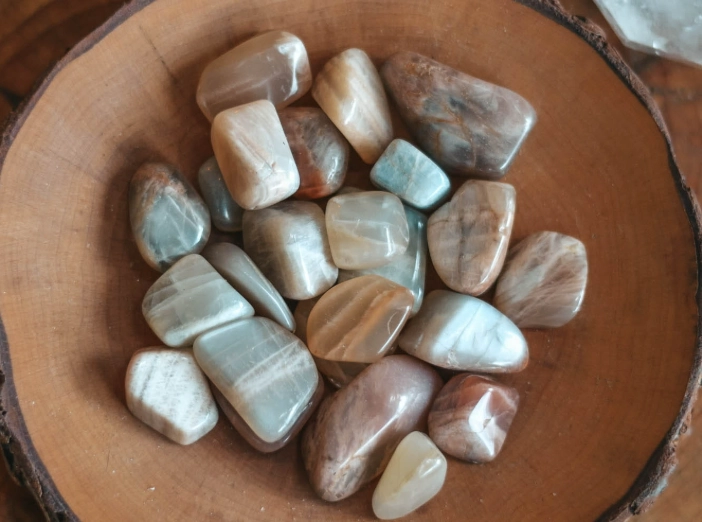
The popularity stems from social media and holistic wellness trends. Sites like the Gemological Institute of America provide scientific info on moonstone's properties, but energy-based claims often lack research. That's why personal experience matters. If you're new to crystals, don't just jump on the bandwagon. Consider your own health first.
Key Groups Who Should Avoid Wearing Moonstone
Based on my observations and discussions with other practitioners, here are the main groups who might want to skip moonstone. This isn't just theoretical; I've seen real cases where it caused issues.
Quick takeaway: If you're pregnant, have hormonal imbalances, kidney problems, or are highly sensitive to energy, moonstone might not be for you. Let's break it down.
Pregnant Women and Nursing Mothers
This is a big one. Moonstone is often associated with fertility and childbirth in folklore, but that doesn't mean it's safe during pregnancy. Some believe it can stimulate uterine contractions. I've heard from midwives that clients wearing moonstone reported increased Braxton Hicks contractions. No rigorous studies prove this, but why risk it? If you're expecting, stick to safer stones like rose quartz for calmness.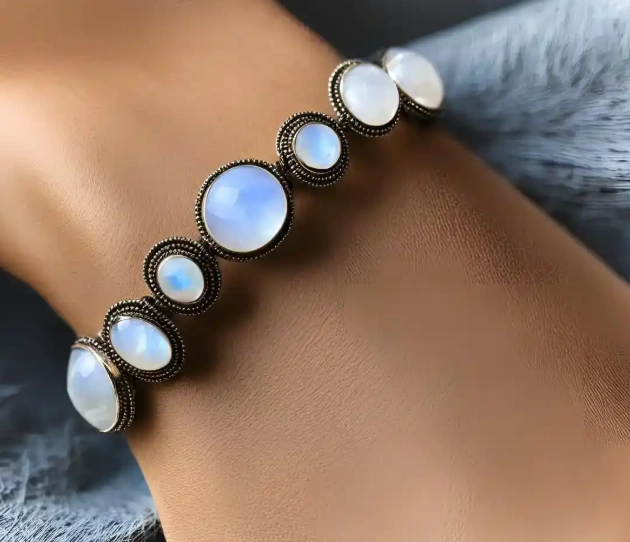
Individuals with Hormonal Imbalances
Moonstone is said to influence hormonal cycles. For people with conditions like PCOS, thyroid disorders, or menopause symptoms, it might amplify fluctuations. One of my clients with hypothyroidism wore a moonstone bracelet and felt her mood swings worsen. She switched to amethyst and noticed improvement. It's not a cure-all; sometimes it disrupts more than it helps.
People with Kidney or Bladder Conditions
This is rarely mentioned online. In traditional healing systems, moonstone is linked to water elements and might affect fluid balance. If you have kidney stones, infections, or bladder issues, the stone's energy could exacerbate discomfort. I recall a case where someone with a history of UTIs felt increased urgency after wearing moonstone earrings. Coincidence? Maybe, but better safe than sorry.
Those Who Are Energy-Sensitive
If you're an empath or easily overwhelmed by external energies, moonstone's strong vibrational frequency might be too much. It can lead to headaches, dizziness, or emotional overload. I'm energy-sensitive myself, and when I first tried moonstone, I had to take it off after an hour because of a migraine. Not everyone has this reaction, but it's common among my peers.
| Group | Potential Risk | Alternative Crystals |
|---|---|---|
| Pregnant Women | Uterine stimulation, discomfort | Rose Quartz, Jade |
| Hormonal Imbalance | Mood swings, cycle disruption | Amethyst, Carnelian |
| Kidney/Bladder Issues | Increased symptoms, pain | Clear Quartz, Turquoise |
| Energy-Sensitive Persons | Headaches, emotional overload | Black Tourmaline, Hematite |
The Science and Energy Behind the Contraindications
Why does moonstone cause these issues? Let's look from both scientific and energy perspectives. Scientifically, there's limited research on crystal healing, but moonstone contains aluminum and potassium, which might interact with body chemistry in sensitive individuals. For example, aluminum exposure is debated in medical communities, though the amounts in stones are minimal.
From an energy angle, moonstone is considered a high-vibration stone connected to the moon and emotions. In practices like Reiki, it's used for emotional release. But if your energy field is already unstable, it can trigger too much release too fast. Think of it like turning up the volume on a speaker—if it's already loud, you'll get noise distortion. I've attended workshops where experts from the International Association of Reiki Professionals caution against using moonstone without grounding stones.
Another point: moonstone is often associated with water signs in astrology. If you're a Cancer, Scorpio, or Pisces, you might be more susceptible to its intense effects. But that's not a rule—I've seen fire signs react badly too. It's about individual sensitivity, not just zodiac signs.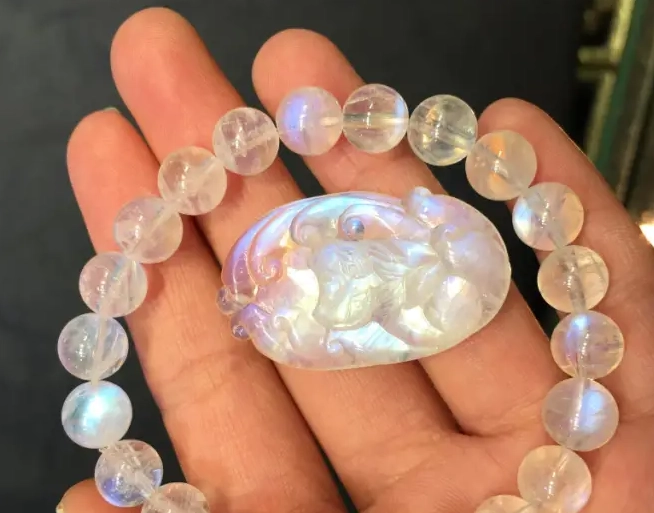
Practical Scenarios: When to Think Twice
Let's make this actionable. Here are some real-life scenarios where you should reconsider wearing moonstone.
Scenario 1: You're planning a pregnancy and using moonstone for fertility. Many blogs recommend it, but I'd say proceed with caution. One of my friends used moonstone during her fertility journey and experienced irregular cycles. She switched to moonstone only during specific lunar phases, which helped, but it's tricky. If you're trying to conceive, consult a healthcare provider first—don't rely solely on crystals.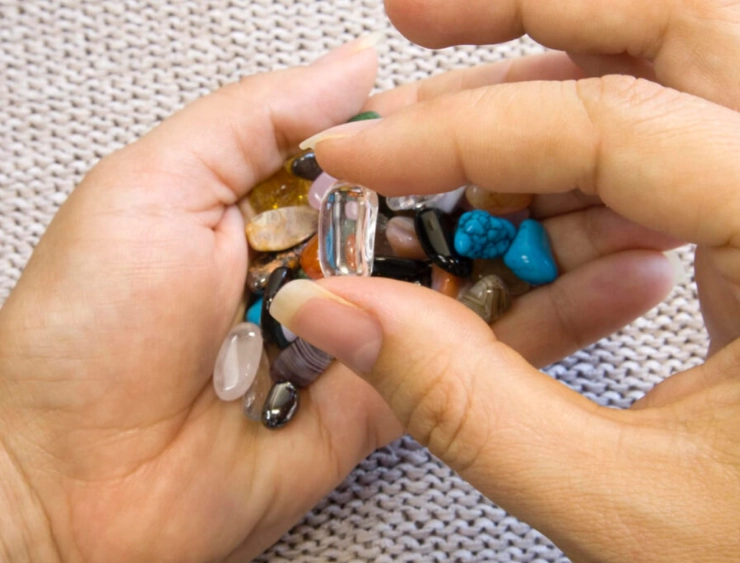
Scenario 2: You have anxiety and wear moonstone for calm. This backfires sometimes. Moonstone can amplify emotions, including anxiety. I had a client who wore it during a stressful job transition and felt more panicky. She thought it was the stone's fault, and after removing it, she felt relief. For anxiety, stones like blue lace agate might be milder.
Scenario 3: You're undergoing medical treatment, like chemotherapy or hormone therapy. Moonstone might interfere with your body's response. I recall a case from a cancer support group where a patient wore moonstone and reported increased nausea. It could be placebo, but in healing, every detail counts. Stick to medically approved methods and use crystals as complements, not replacements.
See the pattern? It's about knowing your body.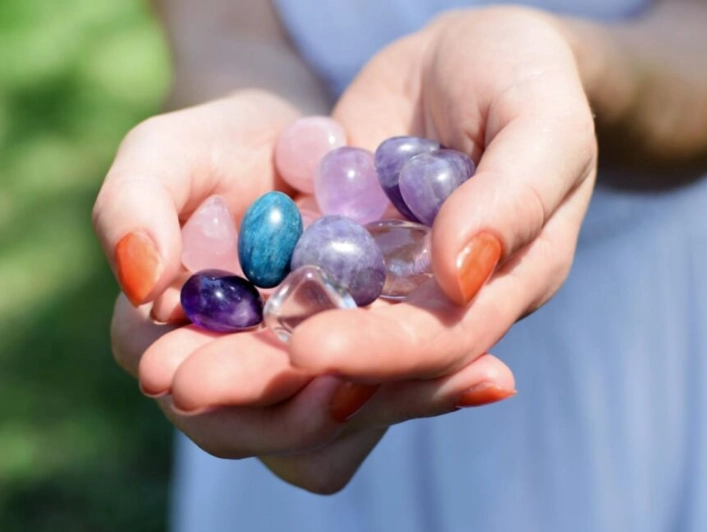
Frequently Asked Questions
Wrapping up, moonstone isn't a one-size-fits-all crystal. If you fall into any of the risk groups, think twice before adding it to your collection. I've seen too many people ignore these warnings and deal with unnecessary side effects. Crystals are tools, not miracles—use them wisely. For more info, check out authoritative sources like the Mindat mineral database for geological details, but always prioritize personal health. Stay safe and informed in your crystal journey.
Related Articles
White Sapphire: A Real & Stunning Diamond Alternative
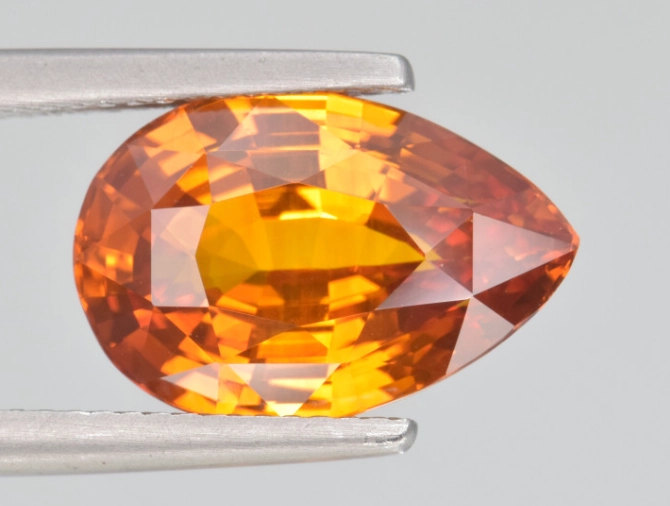
What is an Orange Sapphire Called? Padparadscha & Orange Sapphire Guide
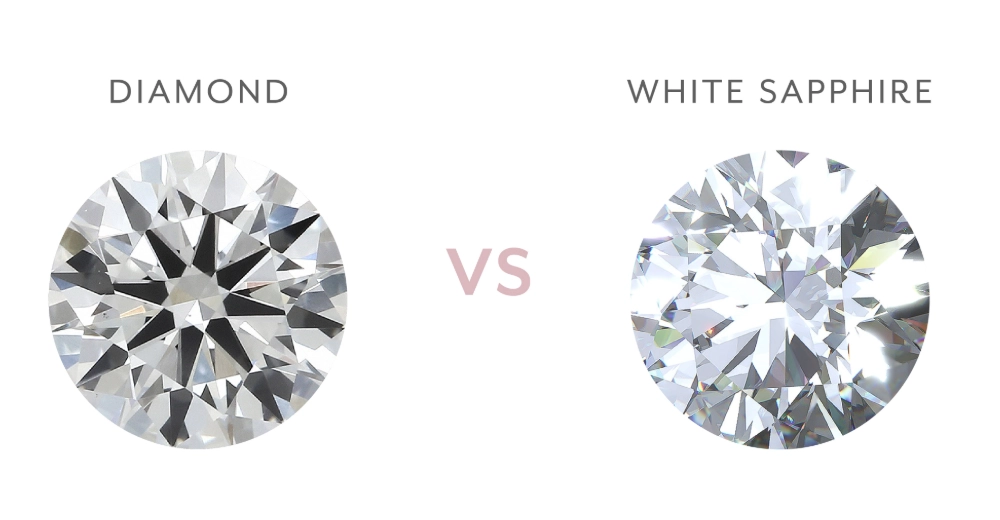
White Sapphire vs Diamond: An Honest Comparison for Your Jewelry
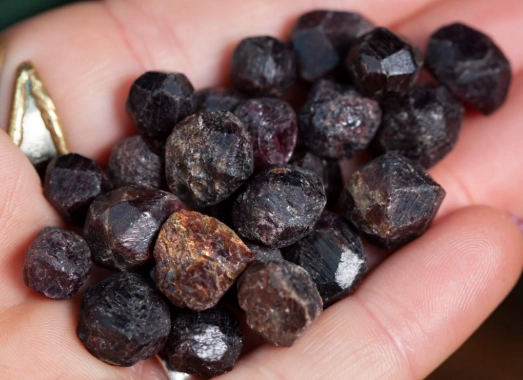
Almandine Garnet: The Complete Guide to Meaning, Uses & Buying Tips
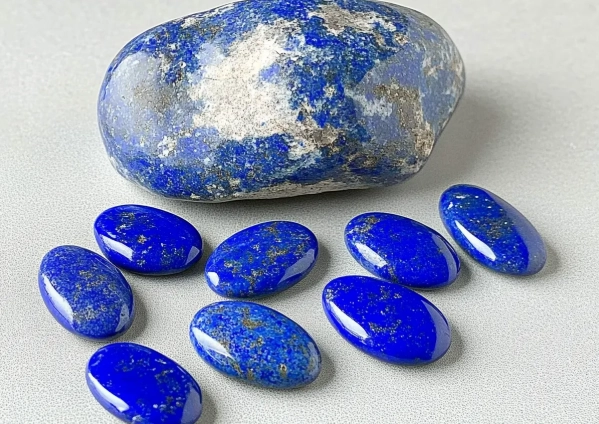
Lapis Lazuli Stone Meaning: More Than Just a Blue Gem