Let's cut to the chase. Is blue chalcedony rare? The short answer is: it depends, but the truly desirable, gem-quality material is significantly less common than you've been led to believe. If you're browsing online marketplaces or crystal shops, you'll see plenty of pale blue stones labeled "chalcedony." Much of that is common, lightly tinted material. The deep, saturated, translucent-to-transparent blue chalcedony—the kind that makes your heart skip a beat—is a different story. It's a niche treasure in the gem world, often overshadowed by its famous cousins like sapphire or aquamarine, which is precisely why so much confusion exists about its availability and true value.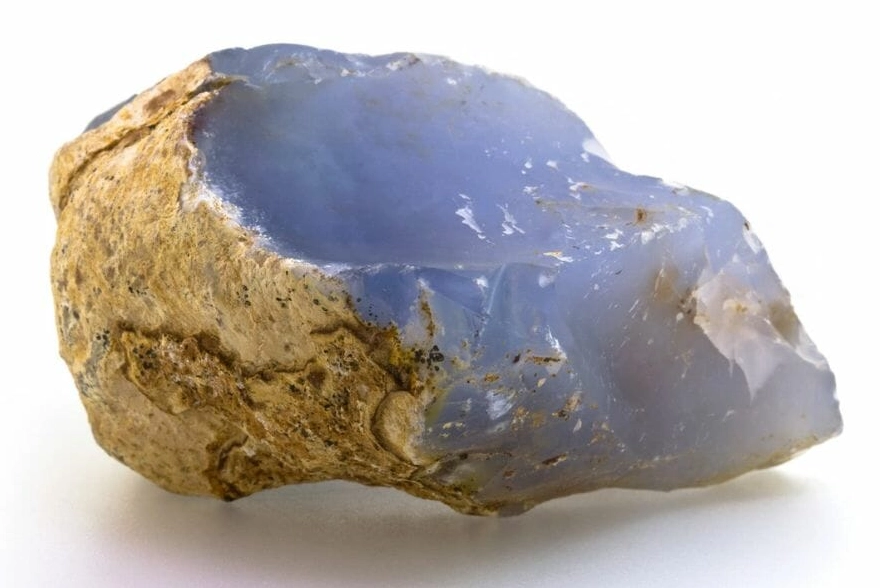
What’s Inside This Guide
What Exactly is Blue Chalcedony?
First, a quick geology lesson to clear the fog. Chalcedony is a catch-all term for a microcrystalline form of quartz. It's not a single mineral, but a family that includes agates, jaspers, and onyx. Blue chalcedony gets its color from microscopic inclusions or trace elements, typically nickel or titanium, dispersed throughout the stone. Unlike amethyst or citrine, where color comes from specific elemental impurities in the crystal lattice, chalcedony's color can be more... finicky. This leads to the first major point of confusion.
Expert Note: Many sellers mistakenly label any light blue quartz as "chalcedony." True blue chalcedony has a waxy luster and a translucent, even color distribution. If it has obvious bands, it's an agate. If it's opaque, it's likely a jasper. Knowing this distinction is your first defense against overpaying for a mislabeled stone.
The most prized variety is often called "Gem Silica" or "Chrysocolla Chalcedony." This is a stunning, apple to robin's egg blue material that's actually a mixture of chalcedony and chrysocolla copper silicate. It's this variety that commands premium prices and is genuinely rare. When most experienced collectors ask about blue chalcedony's rarity, they're often thinking of Gem Silica.
The Rarity Truth: It's Not a Simple Yes or No
Rarity in gems is a spectrum, not a binary switch. Here’s how blue chalcedony stacks up.
Common, Low-Grade Material: Light blue, grayish-blue, or milky blue chalcedony is relatively abundant. You can find tumbled stones, beads, and simple cabochons from large deposits in places like Namibia, India, and the American Midwest for a few dollars per piece. This is what fills many "healing crystal" baskets.
Fine, Gem-Quality Material: This is where scarcity kicks in. Deep, vibrant, translucent blue with minimal inclusions is hard to find in large, consistent pieces. Mining often yields fractured or paler material. A top-color, 10-carat cabochon with excellent polish is not something a lapidary artist can just whip up from any rough they find.
The Elite: Gem Silica (Chrysocolla Chalcedony): This is the blue chalcedony royalty. Its unique color comes from copper, and high-quality pieces rival the beauty of fine turquoise or even Paraíba tourmaline in intensity. Major deposits are limited. The most famous historical source was the Copper Cities mine in Arizona, which is now largely depleted. Other sources in Peru, Mexico, and Africa are sporadic. Finding a clean, deeply colored piece over 5 carats is a genuine event.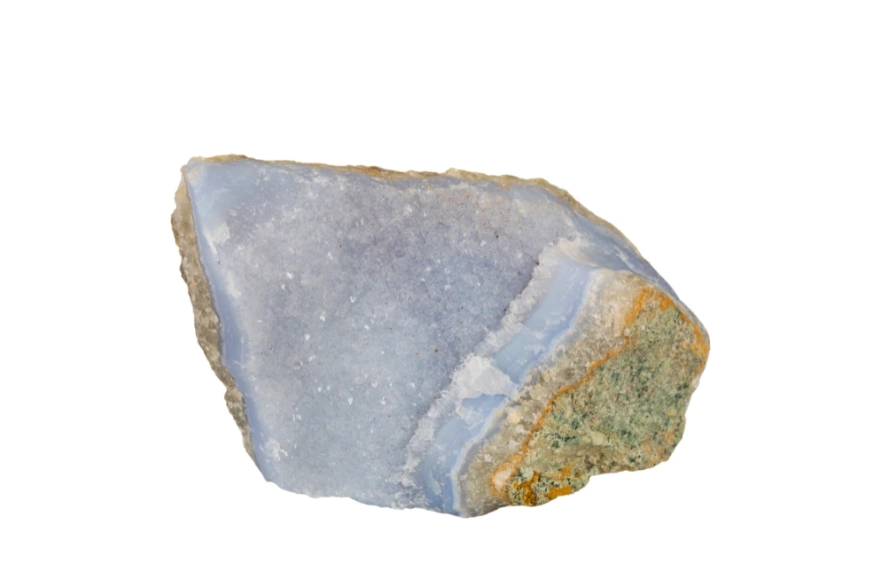
| Type of Blue Chalcedony | Relative Rarity | Typical Price Range (per carat, rough/cabochon) | Key Characteristic |
|---|---|---|---|
| Common Light Blue Chalcedony | Low - Readily Available | $0.50 - $5 | Pale, often milky or grayish hue; abundant in bead and tumbled form. |
| Fine Gem-Blue Chalcedony | Moderate - Selectively Available | $10 - $50 | Rich, even blue color; good translucency; used in quality jewelry. |
| Premium Gem Silica (Chrysocolla Chalcedony) | High - Genuinely Scarce | Vivid, saturated sky-blue to greenish-blue; high translucency; copper-based color. |
I remember visiting the Tucson Gem Show years ago and chatting with a veteran miner from Peru. He had a small tray of Gem Silica rough. The pieces were stunning, but each one was no bigger than a thumbnail. "We dig for months," he said, "and maybe get a handful of this. The rest is all fracture or weak color." That stuck with me. The rarity isn't just about the mine existing; it's about what the earth actually yields in usable form.
Where Does the Best Blue Chalcedony Come From?
Origin story matters. It affects color, quality, and of course, rarity.
Arizona, USA (The Legend): The now-closed Copper Cities mine produced what many consider the benchmark for Gem Silica—a breathtaking, almost neon blue. Material from this locale is primarily in collections and occasionally appears at high-end auctions. If you see a piece labeled "Arizona Gem Silica," verify its provenance. The price should reflect its legendary status.
Peru: Currently the most important source for commercial-quality Gem Silica and fine blue chalcedony. The material ranges from soft baby blue to deeper shades. Consistency is an issue, but the best Peruvian stones are exceptional.
Namibia & Malawi (Africa): These sources produce substantial quantities of solid, often darker blue chalcedony. It's more available and affordable than Gem Silica but can produce beautiful, deep blue cabochons perfect for statement jewelry. The rarity here is in finding pieces with perfect clarity.
Other Sources: Turkey, India, and Mexico produce various shades of blue chalcedony, often more in the common to mid-range category. They supply the global bead and craft market.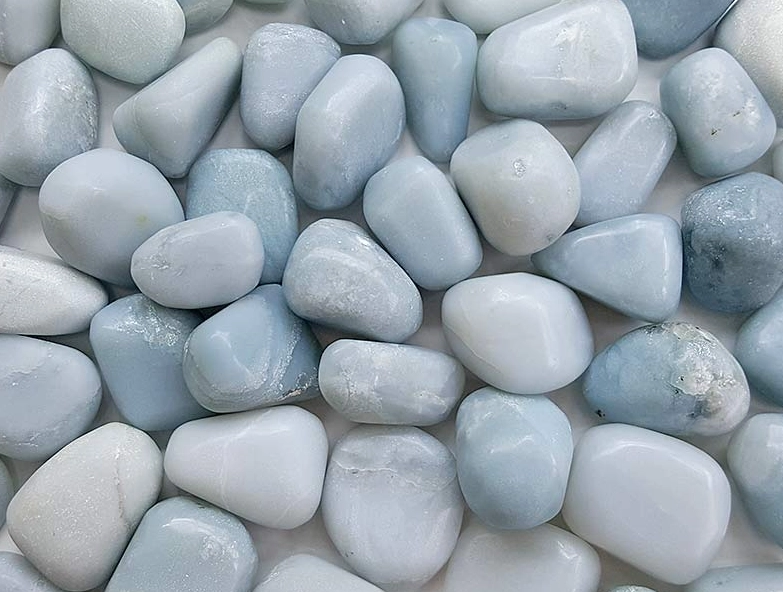
Buyer's Pitfall: Don't get hypnotized by a locale name alone. "Peruvian" doesn't automatically mean top-tier. I've seen bland, included stones from Peru and stunning blue material from Namibia. Judge the stone in front of you, not just its supposed passport.
How to Identify High-Quality Blue Chalcedony
So, you're looking at a piece. How do you gauge its quality and, by extension, its true rarity? Forget complex tools; use your eyes.
Color is King (But Not the Whole Kingdom)
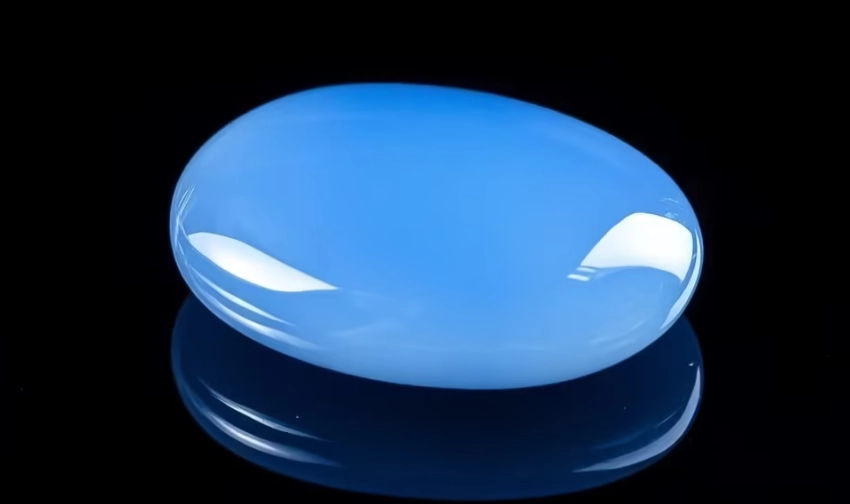
The most valuable color is a vivid, medium to sky blue with high saturation. It should look alive, not dull or washed out. Greenish undertones (in Gem Silica) are common and acceptable if the color remains bright. Gray or muddy tones diminish value significantly.
Clarity and Transparency
Look for translucency. Hold it up to a light source. Can light pass through the edges or thinner parts? High-quality material will glow. Opaque stones are less valuable. Watch for cracks, pits, or dark inclusions that break the visual flow. A flawless, translucent piece is far rarer than a fractured one.
The Cut and Polish
A good cut maximizes color and shape. The polish should be glassy and smooth, showcasing the stone's waxy luster. A poor, scratched polish on an otherwise good stone is a sign of rushed work and devalues it.
Carat Weight and Usability
Small, sub-5-carat cabochons are common. Clean, attractive material in sizes above 15-20 carats becomes exponentially rarer and more expensive per carat. Ask yourself: is this piece large and sound enough to be set in a ring or pendant?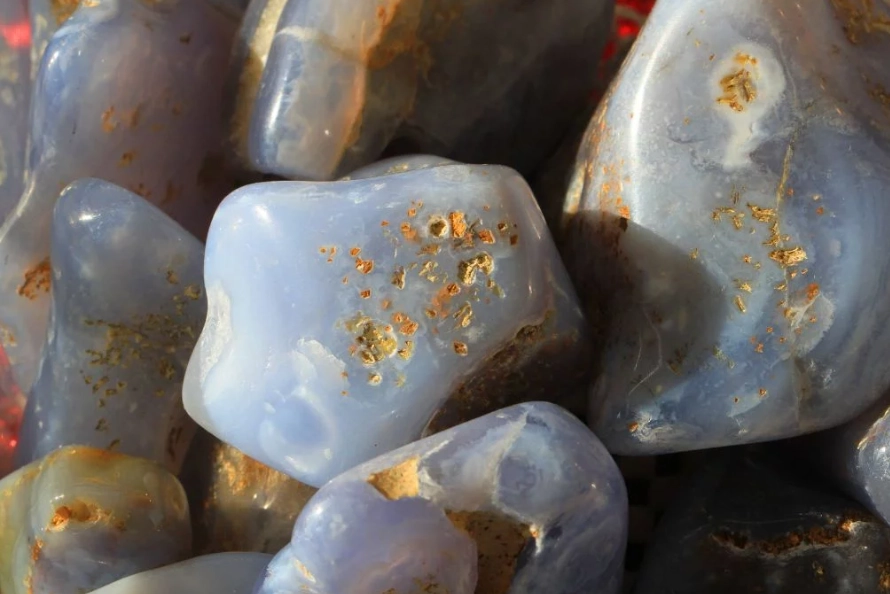
Practical Buying Advice & What to Expect to Pay
Let's get practical. You want a piece of blue chalcedony. Here’s the roadmap.
For the Curious Newcomer: Start with a modest, tumbled stone or a simple silver-wire-wrapped cabochon of common blue chalcedony. You can find these for $10-$30. It's a low-risk way to appreciate the feel and look.
For the Serious Collector or Jeweler: Be prepared to invest. A fine, gem-blue chalcedony cabochon (10-15 carats) suitable for a pendant might cost $150-$400. A top-grade Gem Silica cabochon of similar size can easily range from $800 to $2,500 or more.
Where to Buy:
- Reputable Gem & Mineral Shows: Tucson, Denver, Munich. You can see the material firsthand, talk to cutters and miners, and compare dozens of pieces.
- Specialized Online Dealers: Look for sellers who provide detailed photos on neutral backgrounds, disclose treatments, and offer clear return policies. Avoid mass-market platforms for high-end pieces.
- Custom Lapidaries: Many artists sell directly or take commissions. You can buy the rough stone and have it cut to your specifications.
Always ask two critical questions: "Has this been dyed or otherwise treated?" and "What is the exact source/locale?" A trustworthy seller will know. According to information from the Gemological Institute of America (GIA), chalcedony is commonly dyed, so disclosure is paramount.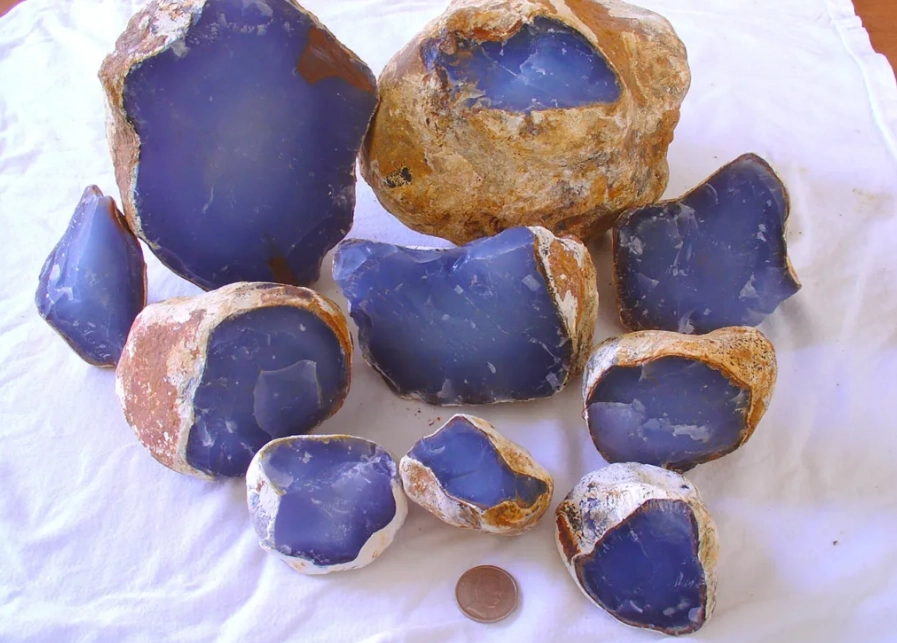
Blue chalcedony isn't just a pretty stone. Its relative scarcity in top form, combined with its serene beauty and durability (Mohs 6.5-7), makes it a compelling choice for unique jewelry and a thoughtful addition to a collection. It won't have the name recognition of a diamond, but that's part of its charm—it's a connoisseur's gem.
Your Blue Chalcedony Questions, Answered
Is all blue chalcedony expensive?
Absolutely not. The market is stratified. Inexpensive tumbled stones and beads are widely available. The high prices are reserved for the gem-quality translucent material and the exceptional Gem Silica. You can enjoy blue chalcedony at almost any budget.
Can blue chalcedony be artificially enhanced or faked?
Yes, and this is crucial. Dyeing is rampant. A piece of cheap, grayish chalcedony can be dyed a uniform, unconvincing bright blue. Telltale signs: color that looks concentrated in cracks, an overly artificial hue (think laundry detergent blue), and a price that seems too good to be true. Howlite and magnesite are also often dyed blue and mis-sold as chalcedony. These are softer and will feel different. When in doubt, buy from a specialist who guarantees natural color.
 How does blue chalcedony's rarity compare to something like blue sapphire?
It's a different league. Fine blue sapphire from classic sources (Kashmir, Burma) is among the rarest and most expensive gems on earth. Blue chalcedony, even the best Gem Silica, is more accessible than that. A better comparison might be to a fine turquoise or a top-color zircon. It's a semi-precious stone with precious-stone appeal in its highest grades, offering relative value for its beauty.
I inherited a blue stone said to be chalcedony. How can I tell if it's valuable?
First, assess it against the quality factors above: color, clarity, translucency, and cut. Then, consider its setting. Is it in a well-made, possibly gold, piece of jewelry? That's a good sign. Your best move is to take it to a certified gemologist appraiser (find one through the American Society of Appraisers or similar body). They can identify the material, check for treatments, and give you a market valuation for insurance or sale. Don't rely on a pawn shop or a general jeweler for an accurate assessment.
Is it a good gemstone for an engagement ring?
With caution. Its hardness (6.5-7) is acceptable for occasional-wear rings but softer than sapphire or diamond. It can scratch over years of daily wear. For an engagement ring, I'd recommend a bezel setting to protect the edges and wearing it with care. It makes for a stunning, unique, and meaningful choice for someone with a less active lifestyle who values uniqueness over traditional benchmarks.
Related Articles
Jade Rock Meaning: More Than Just Luck & How to Use Its Energy
Jade Blue Color: The Complete Guide to Its Meaning and Uses

Taiwan's semiconductors, some come and some go
Ocean Jasper Real vs Fake: The Definitive Guide to Avoid Fakes
Rainbow Obsidian Guide: Properties, Uses & How to Buy Authentic