Quick Guide
- Why Are Orange Sapphires So Hard to Find? The Science of Scarcity
- Orange Sapphire vs. Padparadscha: The Cousins Everyone Confuses
- The Treatment Trap: How Common Treatments Affect Rarity & Value
- Value Factors: What Makes One Orange Sapphire Worth More Than Another?
- Your Questions Answered: The Orange Sapphire FAQ
- Final Thoughts: So, Is an Orange Sapphire Rare?
Let's cut straight to the point. You typed that question into Google, didn't you? "Is an orange sapphire rare?" Maybe you saw a stunning piece of jewelry, all fiery and warm, and the price tag made your eyes water. Or perhaps you're a collector who's noticed these gems popping up more often, but something feels off. You're right to be curious. The answer isn't a simple yes or no. It's a spectrum, much like the color of the gem itself.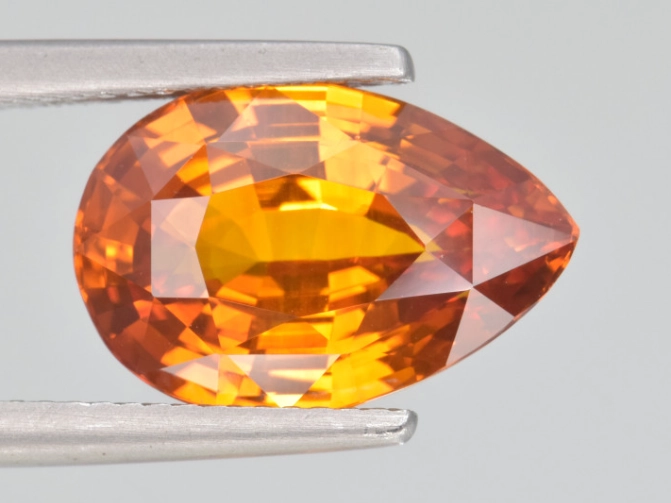
I remember the first time I held a fine, unheated orange sapphire from Sri Lanka. The dealer's attitude said it all—this wasn't just another blue stone. There was a reverence, a careful handling. That experience stuck with me. It wasn't just about the color; it was about the story of finding something that defies the usual sapphire narrative.
So, is an orange sapphire rare? In their pure, vibrant, natural form, yes, they are exceptionally rare. More than most people realize. But the world of gemstones is full of nuances, treatments, and market tricks. A lot of what you see online or in mall jewelry stores isn't the real, scarce deal. This guide is here to peel back those layers. We'll talk about what makes a true orange sapphire, why they're so hard to find, how to spot the real deal, and whether one might be right for you. Forget the dry, textbook definitions. Let's talk about what you actually need to know.
Why Are Orange Sapphires So Hard to Find? The Science of Scarcity
To understand the rarity, you have to get into the dirt—literally. Sapphires are crystals of corundum (aluminum oxide). Pure corundum is colorless. All those stunning blues, pinks, yellows, and oranges come from tiny traces of other elements getting caught in the crystal structure as it forms deep underground over millions of years.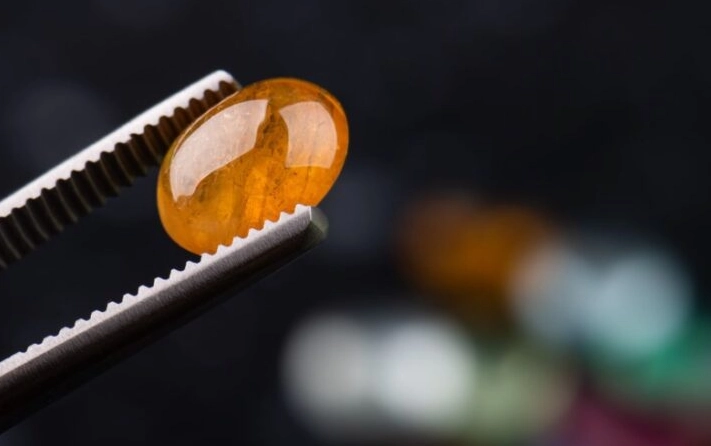
For an orange sapphire, the magic cocktail is primarily iron (Fe³⁺) and sometimes a dash of chromium (Cr³⁺). The iron gives golden and yellow tones, while chromium is responsible for reds (it's what makes rubies red). A true, balanced orange happens when these elements mix in just the right proportions under very specific geological conditions. It's a delicate recipe. Too much iron, and you slide into brownish-yellow or "cognac." Too much chromium, and you veer into pink or purplish-red. Getting that perfect, vivid orange without muddy overtones is a geological lottery.
This is the core reason is an orange sapphire rare becomes such a relevant question. The conditions for that perfect color mix are not common in nature. Most sapphire deposits favor one coloring agent over another. For instance, many Australian sapphires are rich in iron, giving strong blues and yellows but rarely a pure orange. The famous Kashmir blue sapphires? Different chemistry altogether.
Then there's the issue of saturation and tone. A pale, washed-out orange-ish stone isn't terribly uncommon. But a gem with a rich, intense, sunny-orange hue with good clarity? That's the true unicorn. These stones are often small, under two carats, when found. Finding a fine orange sapphire over three carats is a major event in the gem trade.
The Geographic Hunt: Where Do They Come From?
You can't just dig anywhere. Specific locales have produced these rarities, which adds to their mystique and value.
- Sri Lanka (Ceylon): The king of fancy sapphires. Sri Lankan mines are the most consistent source of high-quality orange sapphires. The geological conditions there sometimes allow for that iron-chromium mix, yielding stones with a luminous, often slightly peachy or pinkish-orange hue. Many of the stones called "padparadscha" (a specific salmon color) come from here, blurring the lines.
- Madagascar: A more recent but significant player. The deposits in places like Ilakaka can produce stunning oranges, sometimes with a very pure, vibrant hue. The quality can be all over the map, but the best Madagascan oranges are highly sought after.
- Tanzania (Umba Valley): Known for a stunning array of fancy colors, the Umba Valley produces sapphires with strong color zoning. You might find stones with sectors of vivid orange alongside purple or blue. A pure, evenly colored orange from Umba is a great find.
- Other Sources: Occasional finds come from Montana (USA), Australia, and East Africa. But these are sporadic and not reliable sources for the classic orange color.
The location matters because it affects the "fingerprint" of the stone—its inclusions, its typical hue, and its reputation. A Ceylon orange carries a certain cachet, much like a Burmese ruby.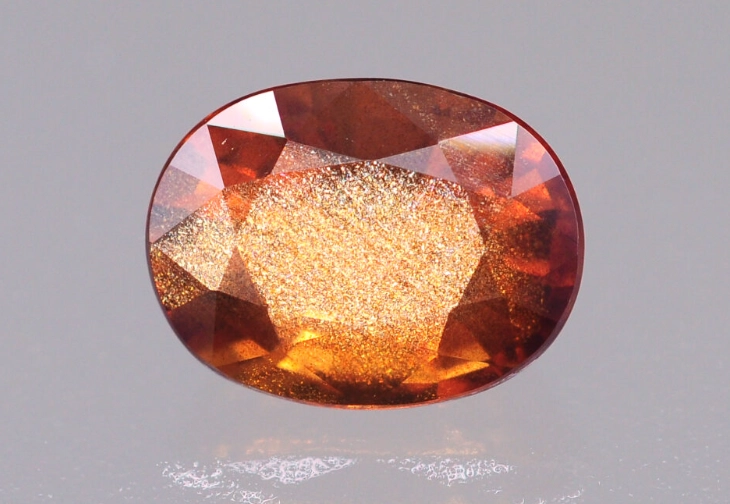
Orange Sapphire vs. Padparadscha: The Cousins Everyone Confuses
This is where it gets tricky, and where a lot of marketing hype lives. You've probably heard of padparadscha sapphires. They're often described as a "sunset" or "lotus" color—a delicate blend of pink and orange. The name itself is Sinhalese for "lotus blossom."
So, what's the difference? And which is rarer? This is a hot debate even among gemologists.
A true orange sapphire is just that: orange. It might lean towards yellow-orange or red-orange, but the dominant perception is orange. Think tangerine, pumpkin, or apricot.
A padparadscha sapphire is a specific, subtle blend where you can't distinctly say it's pink or orange. It's both, simultaneously. The ideal is a soft, pastel salmon or peach color. Not a vivid neon, but a gentle glow.
In terms of rarity? A fine, unheated, natural padparadscha from Sri Lanka is arguably the rarest sapphire of all, often surpassing even the finest blue Kashmir in price per carat. But a fine, vivid, pure orange sapphire is not far behind. They're both at the pinnacle of fancy sapphire rarity.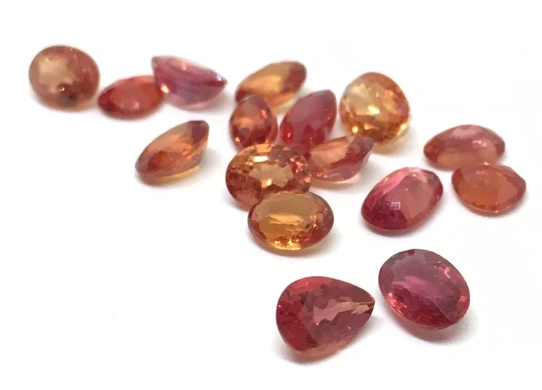
Which brings us back to your search. When you ask is an orange sapphire rare, you might also be seeing padparadschas in your results. Knowing the distinction protects you from paying a premium for a mislabeled stone.
The Treatment Trap: How Common Treatments Affect Rarity & Value
This is the single biggest factor that muddies the water. The vast majority of sapphires on the market today are heat-treated. This is a centuries-old practice that is generally accepted, as it mimics what nature does, just faster. Heat can lighten a dark stone, improve color uniformity, and dissolve certain inclusions.
But here's the kicker for orange sapphires: heat treatment can create orange color from less desirable material.
How? A geode full of yellowish or brownish sapphire rough with the right chemical impurities can be heated in a controlled environment to develop an orange hue. This means many of the affordable "orange sapphires" you see are not naturally that color. They were essentially "baked" into it.
Key Distinction: A heated orange sapphire is not rare. It's commercially available. An unheated (natural) orange sapphire is incredibly rare and valuable.
The price difference is staggering. An unheated stone can be 5 to 20 times more expensive than a heated one of similar size and appearance. Sellers are legally obligated (in most countries) to disclose significant treatments like heating. Always, always ask: "Is this stone heated or unheated?" and get the answer in writing on the invoice.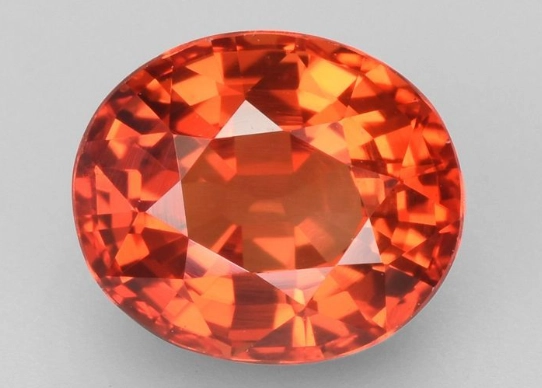
Other treatments exist too, like diffusion (adding color to the surface) or fracture filling. These are less accepted and must be disclosed. If a deal seems too good to be true for a vibrant orange sapphire, it probably involves undisclosed treatment.
Buyer's Checklist: Is Your Orange Sapphire Natural?
- Ask Directly: "Is this sapphire heated or treated in any way?" A reputable dealer will be transparent.
- Demand a Lab Report: For any significant purchase, insist on a report from a major lab like GIA, AGL (American Gemological Laboratories), or Gubelin. The report will state "no evidence of heat treatment" or "heated." This is your best defense.
- Examine the Color: Sometimes, heated oranges can look a bit "flat" or uniform compared to the more complex, zoned color of a natural stone. But this is not a reliable test—use a lab.
- Consider the Price: A 2-carat, vivid orange sapphire selling for $800 is almost certainly heated. An unheated one could easily be $4,000-$15,000 or more, depending on quality.
Value Factors: What Makes One Orange Sapphire Worth More Than Another?
So, you've found a natural orange sapphire. Great! But not all are created equal. Rarity is one thing, but market value is determined by a combination of classic gemological factors, with a twist for color.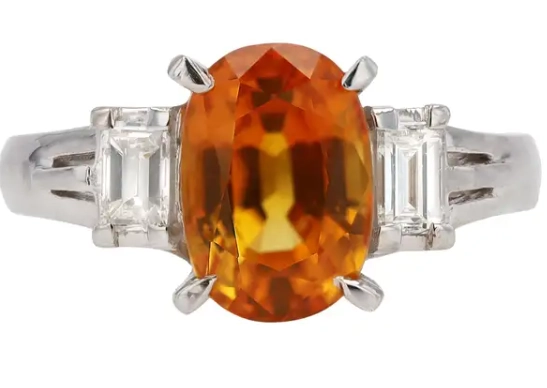
We can break it down with a table. It's easier to see how these factors interact.
| Factor | What to Look For (The Ideal) | Why It Matters for Orange Sapphires |
|---|---|---|
| Color (The #1 Factor) | A pure, vibrant, medium-to-strong orange hue (like a ripe papaya). No brown, gray, or green modifiers. Even saturation. | This is the core of the rarity. Any muddiness drastically reduces value. Vivid saturation is king. |
| Clarity | "Eye-clean"—no inclusions visible to the naked eye. Some silk (rutile needles) is acceptable and can prove natural origin. | Orange sapphires tend to have fewer inclusions than blues, but large fractures or clouds hurt brilliance and durability. |
| Cut | Excellent proportions that maximize brilliance and show the color evenly. Not too shallow or deep. | A poor cut can make the color look dark, washed out, or uneven. It wastes the rare rough. |
| Carat Weight | Larger is exponentially rarer. Quality over 2 carats is a significant find. | The price per carat jumps dramatically for fine material over 1.5-2 carats. Small melee stones are more available. |
| Origin | Sri Lanka (Ceylon) commands a premium. Madagascar is also respected. | Provenance adds to the story and often correlates with desirable color characteristics. |
| Treatment | None (Unheated). This is the ultimate value multiplier. | As discussed, this is the dividing line between commercially available and collector-grade. |
You'll notice I didn't list "shape" as a primary factor. That's more personal preference. An oval or cushion cut might hold color beautifully, but a well-cut round or emerald can be stunning too.
My personal take? I've seen stunning Madagascan oranges that rival Ceylon stones in vibrancy, sometimes for a slightly better price point. Don't get hypnotized by origin alone if the stone in front of you has perfect color and life.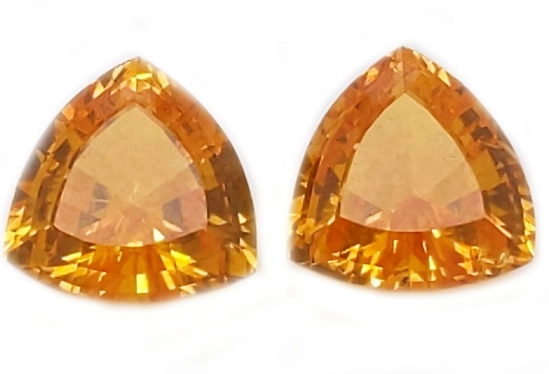
Your Questions Answered: The Orange Sapphire FAQ
Only if you buy the right one. A heated, commercial-grade orange sapphire from a random online retailer? No, it's a piece of jewelry, not an investment. A fine, unheated, vivid orange sapphire over two carats with a lab report from a top-tier source? Yes, it can be. The market for top-quality fancy color sapphires has shown steady, strong appreciation over decades. They are tangible, portable assets with a global market. But invest with knowledge, not hope. Buy from reputable dealers, get proper documentation, and understand you're in a niche, long-game market.
Totally different ballpark. Orange diamonds ("Fancy Vivid Orange") are among the rarest and most expensive diamonds in existence. We're talking millions at auction. Not a fair comparison. Citrine is quartz—beautiful, affordable, and abundant. An orange sapphire sits between them: vastly rarer and more durable than citrine, but more accessible (in its heated form) than a natural orange diamond. It's a premium colored gemstone.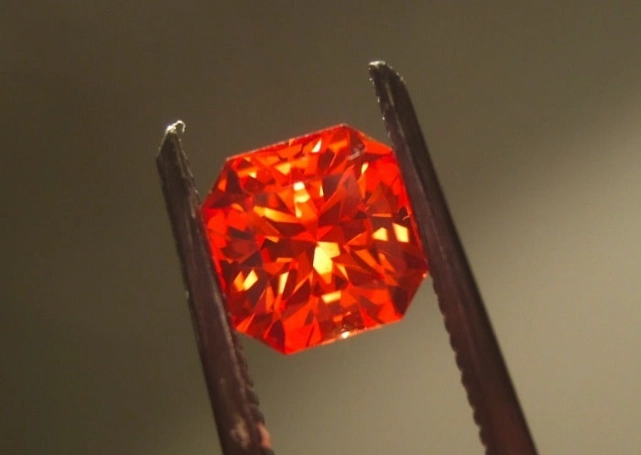
Absolutely. This is a huge plus. Sapphires are a 9 on the Mohs scale of hardness, second only to diamonds (10). They are extremely scratch-resistant and durable for daily wear. An orange sapphire engagement ring is unique, durable, and full of personality. Just avoid harsh impacts (as with any gem) and clean it with mild soap and warm water.
Yes, and they are common. Flame-fusion (Verneuil process) lab sapphires can be made in any color, including orange, for a few dollars per carat. They are chemically identical but have no rarity. They are a fantastic, ethical, and affordable option if you just love the color and aren't concerned with natural rarity. Any seller must clearly disclose if a sapphire is laboratory-grown. If it's not stated, assume it's natural (and likely heated).
Avoid mass-market jewelers for something this specific. Seek out specialized colored gemstone dealers, either reputable online vendors with stellar return policies and lab reports or established dealers at gem shows. Ask detailed questions. Request videos under different light sources (daylight, incandescent, fluorescent). The color of an orange sapphire can shift slightly in different lighting—this is called "pleochroism"—and you should see it beforehand.
And trust your gut. If a seller is vague about treatments or origin, walk away. The market for these stones is built on trust and expertise.
Final Thoughts: So, Is an Orange Sapphire Rare?
Let's circle back. The question "is an orange sapphire rare" has a layered answer, just like we thought.
A vivid, natural, unheated orange sapphire is decidedly rare. It's a treasure of the gem world, born from a lucky geological accident. It holds value, beauty, and a story of genuine scarcity.
A heated orange sapphire with nice color is uncommon but findable. It offers the beautiful look at a much more accessible price point and is a wonderful choice for jewelry.
A lab-created orange sapphire is not rare at all. It's a product of technology, giving everyone access to the color without the geology.
Which one is right for you depends entirely on your goal.
Are you a collector seeking a natural wonder? Then rarity is your guide, and your budget will reflect it. Are you a jewelry lover who wants a unique, durable stone? A heated or even lab-created orange sapphire is a brilliant, responsible choice.
The key is to go in with your eyes open. Now you know why that stunning orange stone might carry a shocking price tag, or why another seemingly similar one seems too cheap. You know to ask about treatments, demand reports, and judge color with a more critical eye.
The world of orange sapphires is fascinating precisely because of this spectrum—from the ultra-rare natural masterpiece to the beautiful, accessible created stone. Whichever path you choose, you're picking a gem that stands out from the crowd, glowing with its own unique fire. And that’s never a bad choice.
Related Articles

7 Crystal Types: A Guide to Their Properties & How to Use Them
Brown Jasper Crystal Guide: Healing Properties, Uses & Expert Tips
Blue Aventurine Guide: Healing, Uses & How to Spot Fakes
Carnelian Crystal Meaning: Uses, Properties & How to Wear It
Ocean Jasper Green: A Complete Guide to Properties, Uses & Value
