Quick Navigation
- It's Not Just Blue: The Rainbow in a Sapphire
- Where in the World Does Your Sapphire Come From?
- What Makes a Sapphire Valuable? Breaking Down the 4 Cs (and a Few More)
- The Million-Dollar Question: Natural, Treated, or Lab-Grown?
- Your Practical Sapphire Buying Checklist
- Caring for Your Sapphire: Keep It Simple
- Sapphire Questions You Were Afraid to Ask (Answered)
Let's talk about sapphires. You've probably seen them – those deep blue stones sparkling in a ring or pendant. Maybe you're thinking about buying one, or you've inherited a piece and you're wondering what you've got. I get it. The world of gemstones can feel overwhelming, full of jargon and intimidating price tags. I remember walking into a high-end jeweler years ago, feeling completely out of my depth just asking about a simple blue stone.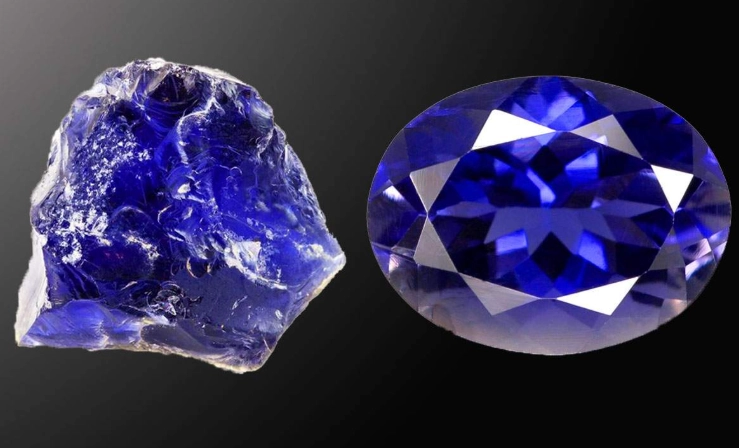
It doesn't have to be that way. This guide is here to strip away the mystery. We're going to walk through what makes a sapphire tick, how to tell a good one from a bad one (and a real one from a fake), and what you should actually care about when you're opening your wallet. Forget the sales pitch; this is the practical, down-to-earth info you need.
Core Truth: A sapphire is simply a variety of the mineral corundum. If it's red, we call it a ruby. Every other color – blue, yellow, pink, green, even colorless – falls under the sapphire umbrella. That's the first big misconception out of the way.
It's Not Just Blue: The Rainbow in a Sapphire
Most people's minds jump straight to blue, and for good reason. That classic cornflower or royal blue is iconic. But limiting sapphires to just blue is like saying wine only comes in red. The range is stunning, and it's all down to tiny traces of different elements getting mixed into the crystal as it forms deep in the earth.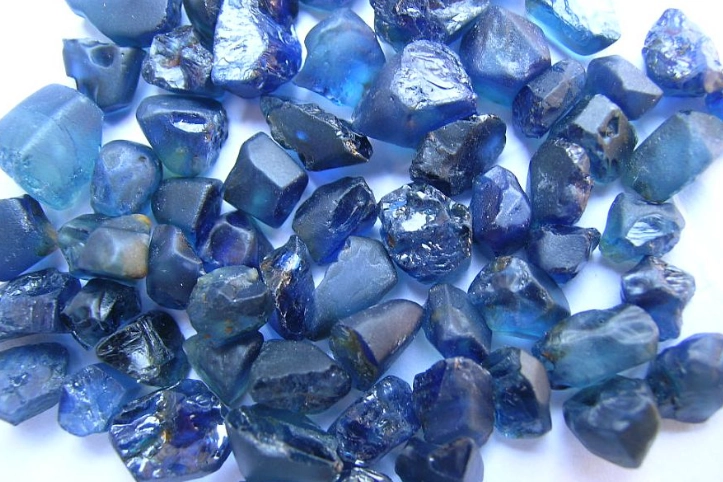
Iron and titanium give you the classic blues. More iron, and you drift into greenish or yellowish territory. Vanadium is the maestro behind those incredible color-change sapphires that shift from blue in daylight to purple under incandescent light. It's a natural magic show.
Here’s a quick breakdown of the sapphire color palette you should know about:
| Color | Common Name(s) | What Causes It | Notes & Rarity |
|---|---|---|---|
| Blue | Cornflower, Royal, Peacock | Iron & Titanium | The classic. Vivid, medium-dark tones are most prized. |
| Pink & Purple | Pink Sapphire, Lavender | Chromium (less than in ruby) | Increasingly popular, especially for engagement rings. A vibrant pink can rival a ruby's price. |
| Yellow & Orange | Golden Sapphire, Padparadscha* | Iron, sometimes with color centers | Sunny and warm. *Padparadscha is a rare, delicate pinkish-orange blend. |
| Green | Green Sapphire | Iron | Often has a subtle, greyish or olive tone. Underrated and unique. |
| Colorless | White Sapphire | Pure Corundum (no elements) | A diamond alternative, but with less brilliance (fire). |
| Color-Change | - | Vanadium | A true chameleon. Rare and highly collectible. |
Personally, I find the non-blue sapphires more interesting sometimes. They offer incredible beauty without the "premium" attached to the perfect blue. A well-cut green or yellow sapphire can be a conversation starter.
Where in the World Does Your Sapphire Come From?
Origin stories matter in the gem world, sometimes too much. Dealers will wax lyrical about Burmese sapphires or the legendary Kashmir mines. The truth is, while origin can influence value, it's not the be-all and end-all. A beautiful stone is a beautiful stone.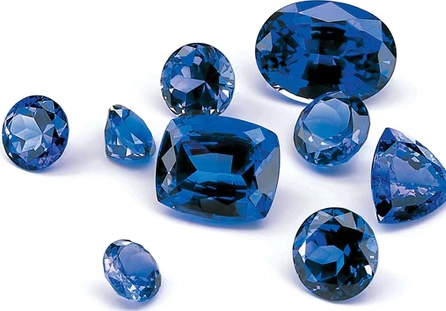
That said, here's what the market talks about:
- Kashmir: The mythic one. Mined in the late 1800s/early 1900s, these sapphires have a velvety, "sleepy" blue color that's become the holy grail. If you see one for sale at a normal price, be deeply suspicious. Most are in museums or top-tier auctions.
- Burmese (Myanmar): Known for rich, royal blues, often with a slight violet undertone. Another historically important source, though modern production is less prominent.
- Cornflower Blue Sapphire… Wait, that’s a color, not a place. But it’s so often linked to…
- Ceylon (Sri Lanka): This is the big one for the modern market. Sri Lanka produces a huge range of qualities and colors, including those famous bright, medium-blue "cornflower" stones. It's a reliable source for everything from commercial to premium gems. I've found the best value-for-money stones often come from here.
- Madagascar: The current powerhouse. Since the 1990s, Madagascar has been producing vast quantities of sapphires in all colors, often of very good quality. It has effectively supplied the global market and kept prices (somewhat) in check.
- Other Sources: Montana (USA) has unique metallic-blue stones, Australia produces darker, inky blues, and Tanzania is known for fancy colors.
Buyer Beware: An origin certificate from a reputable lab like the Gemological Institute of America (GIA) adds to the cost and is usually only for high-end stones. For most purchases, focus on the stone's actual appearance, not its potentially unverifiable passport.
So, is a "Ceylon sapphire" automatically better than a "Madagascar sapphire"? Not necessarily. I've seen stunning stones from Madagascar that blow average Sri Lankan ones out of the water. Judge the gem, not just its supposed hometown.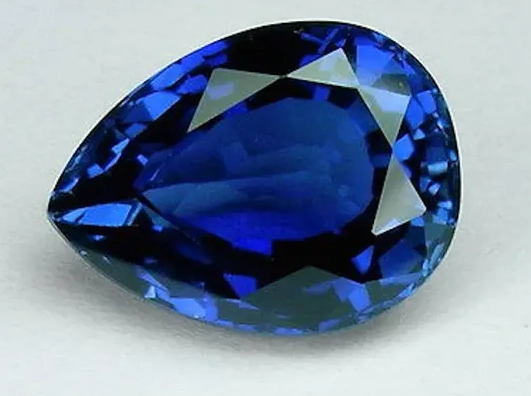
What Makes a Sapphire Valuable? Breaking Down the 4 Cs (and a Few More)
You've heard of the 4 Cs for diamonds. Sapphires play by similar, but tweaked, rules. The biggest difference? Color is king. It accounts for probably 60-70% of a sapphire's value. Everything else supports a great color or detracts from it.
Color: The Heart of the Matter
We're not just talking "blue." We're talking hue, tone, and saturation. The ideal for a classic blue sapphire is a pure blue hue (no strong green or violet secondary tones), a medium to medium-dark tone (not too light, not so dark it looks black), and strong, vivid saturation (intensity). That's the sweet spot. A pale, washed-out stone or an inky dark one will be less valuable, even if it's big.
For fancy color sapphires, vibrancy is key. A bright, sunny yellow is more desirable than a murky mustard color.
Clarity: Inclusions and the "Velvet" Effect
Sapphires are Type II gemstones, meaning they're expected to have some inclusions (internal characteristics). The key is how they affect beauty. You don't want a large, ugly crack right in the center. But some inclusions are acceptable, even diagnostic of natural origin.
Sometimes, tiny, silk-like inclusions (rutile needles) can actually soften the color and create that coveted "velvety" look, like in the best Kashmir stones. It's a case where "flaws" can add character and value.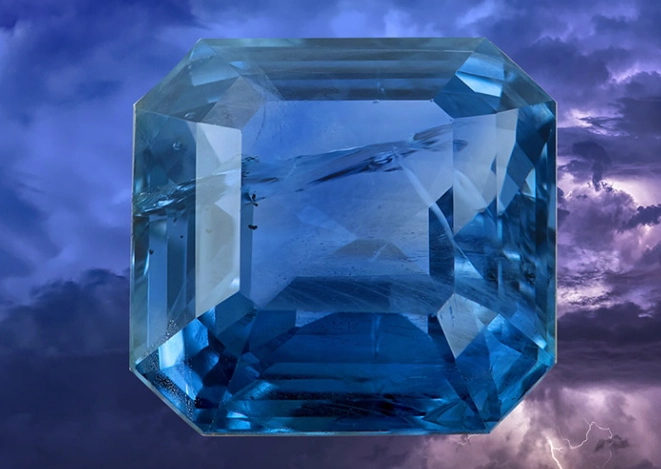
Cut: The Forgotten Hero
This is where many commercial sapphires fall down. A bad cut can make a good color look dead. Cutters often prioritize saving weight (carat weight = money) over optical performance. Look for a stone with good symmetry and life – it should sparkle, not look like a blue lump of glass. A well-cut sapphire reflects light evenly across its surface, with no obvious dark or dead patches.
Carat Weight: Size vs. Quality
As with all gems, price per carat increases significantly with size, especially for top-quality material. A 2-carat premium blue sapphire will cost much more than twice the price of a 1-carat stone of equal quality. My advice? Don't chase size at the expense of color and beauty. A smaller, stunning stone is always better than a larger, mediocre one.
Pro Tip: Always view a sapphire under different lights – daylight, office light, and warm indoor light. The color can shift dramatically. Make sure you love it in the light where you'll wear it most.
The Million-Dollar Question: Natural, Treated, or Lab-Grown?
This is the biggest source of confusion and anxiety for buyers. Let's clear it up.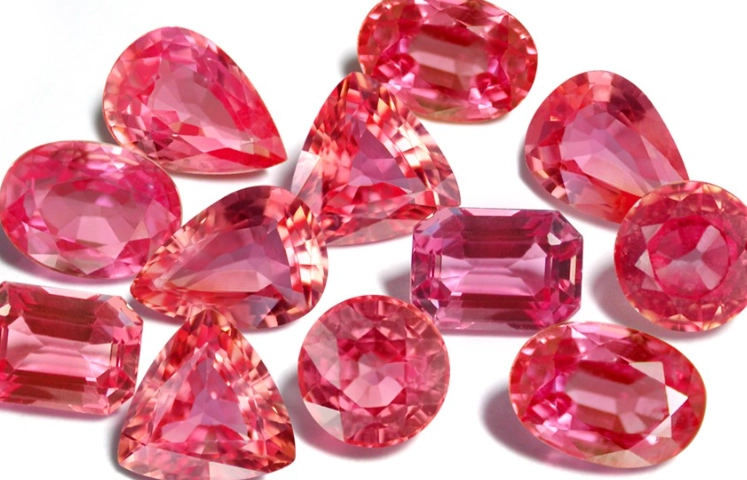
Heat Treatment: The Industry Standard
Over 95% of sapphires on the market have been heated. This is a centuries-old practice that uses high temperatures to improve color and clarity. It's permanent and stable. The industry accepts it as a standard enhancement because it simply brings out the potential already in the stone.
Is it cheating?
Not really. Think of it like polishing a wooden table. You're revealing the natural beauty, not painting on a new color. A heated natural sapphire is still a natural sapphire. However, it must be disclosed. An unheated stone of equal beauty is significantly rarer and more valuable.
Other Treatments to Watch For
- Diffusion: Atoms are driven into the surface to create color (often a blue rim around a colorless stone). This is less stable and must be disclosed. It's a deal-breaker for many.
- Filling Fractures: Glass or other substances are used to fill surface-reaching cracks. This improves clarity but can be damaged by heat or chemicals. Requires extreme care and full disclosure.
Lab-Created (Synthetic) Sapphire
This is a gem created in a factory with the same chemical composition and physical properties as natural sapphire. It's not fake – it's real corundum, just with a different origin story. The process, often called the Verneuil process, has been around for over a century.
Here’s the simple comparison:
| Aspect | Natural Sapphire | Lab-Created Sapphire |
|---|---|---|
| Origin | Formed over millions of years in the Earth. | Grown in a matter of weeks in a controlled lab. |
| Price | Wide range, from affordable to astronomical. | Consistently low cost per carat. |
| Inclusions | Usually has natural inclusions (fingerprints). | Can be flawless, or have gas bubbles/curved growth lines. |
| Value | Retains rarity/value as a natural object. | Little to no resale value; an industrial product. |
| Best For | Heirloom, investment, connection to nature. | Budget, large size, ethical certainty, tech uses. |
I own both. My engagement ring has a natural, heated sapphire because I wanted that connection to the earth. But I also have a giant, cheap, and fun lab-created blue sapphire in a cocktail ring. They serve different purposes. There's no right answer, only what's right for you and your budget.
The crucial thing? Disclosure, disclosure, disclosure. A lab-created stone must be sold as such. Reputable sellers will always tell you. If a deal seems too good to be true for a "natural" stone, it almost certainly is.
Your Practical Sapphire Buying Checklist
Okay, you're ready to shop. Let's get tactical.
- Set a Real Budget: Know your number. Prices can range from tens to tens of thousands per carat.
- Prioritize Color: Find the color you love first. Don't compromise here.
- Examine in Multiple Lights: As mentioned, this is non-negotiable.
- Ask the Right Questions:
- Is this sapphire natural or lab-created?
- Has it been treated? (Heat is expected, but ask about diffusion or fracture filling).
- Can I see a lab report? (For significant purchases, insist on one from GIA, AGL, or similar).
- What is the origin? (Take this with a grain of salt unless certified).
- Buy from a Reputable Source: Specialized gem dealers, established jewelers, or reputable online platforms with clear policies and return periods. Avoid vague social media sellers.
- Get it in Writing: The invoice should state "natural sapphire" (or "lab-created") and list any treatments.
Caring for Your Sapphire: Keep It Simple
Sapphires are tough (9 on the Mohs scale, second only to diamond). You can't scratch it with everyday objects. But that doesn't mean you should be careless.
- Cleaning: Warm water, mild dish soap, and a soft toothbrush. Ultrasonic cleaners are usually safe for heat-treated stones but avoid them completely if the stone has fracture fillings. Steam cleaners are generally okay for untreated or heat-treated stones.
- Storage: Keep it separate from other jewelry to prevent scratching softer pieces. A soft pouch or individual compartment is ideal.
- Activities: Take it off for heavy manual work, gardening, or the gym. Chemicals and hard knocks can still damage the setting or, in rare cases, chip the stone.
Honestly, sapphire care is straightforward. The main risk is usually to the metal setting, not the gem itself.
Sapphire Questions You Were Afraid to Ask (Answered)
So, where does this leave you?
Hopefully, feeling more confident. A sapphire is a piece of the natural world, full of history and color. Whether you're drawn to the classic blue or a fancy pink, the key is to educate yourself, ask questions, and choose with your eyes, not just your ears. Ignore the hype, focus on the stone in front of you, and find the one that speaks to you. After all, you're the one who has to love looking at it every day.
And remember, if a seller gets annoyed by your questions, walk away. A reputable dealer will appreciate an informed buyer.
Related Articles
Saturn in Astrology: Meaning, Lessons & How to Work With It
Moonstone White: Healing Properties, Uses, and Expert Buying Tips
White Sapphire Disadvantages: The Truth About Durability, Sparkle & Value
Labradorite Crystal Healing Properties & Complete Guide
Is Blue Jade Real? The Complete Guide to Identification & Value