In This Guide
- What Exactly is Ruby Stone Month?
- The Heart of the Matter: Why Ruby for July?
- A Gem Steeped in Fire and Legend
- Navigating the Ruby Market: A Buyer's Reality Check
- Caring for Your Ruby: Keeping the Fire Alive
- Ruby Stone Month Beyond Jewelry
- Your Ruby Stone Month Questions, Answered
- Final Thoughts on This Ruby Celebration
So, you've heard about Ruby Stone Month, right? That time in July when all the focus shifts to this stunning red gem. Maybe you're a July baby curious about your birthstone, or perhaps you're just drawn to that deep, passionate color. I get it. There's something about a ruby that feels different from other gems—more alive, somehow.
I remember the first time I held a good-quality ruby. It wasn't in some fancy jewelry store, but at a gem show in Tucson. The dealer, a guy who'd been in the business for forty years, placed it in my palm under a lamp. The color wasn't just red; it was this intense, glowing crimson that seemed to pulse from within. "Pigeon's blood," he said with a grin. That's when I really got it. This wasn't just a pretty stone; it was history, passion, and geology all rolled into one.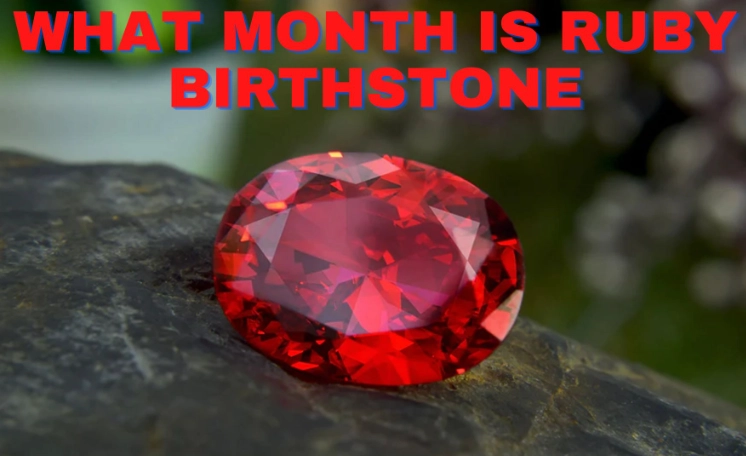
This guide is for anyone who's ever wondered what the fuss is about. We're going way beyond the basic "ruby is red" description. We'll dig into why this gem has captivated people for millennia, how to spot a good one (and avoid the bad ones), and what it really means to celebrate Ruby Stone Month. Let's just dive in.
What Exactly is Ruby Stone Month?
This one seems simple, but it's worth clarifying. Ruby Stone Month isn't an official, globally-declared holiday with parades (though that would be fun). It's more of a cultural and commercial focus period that coincides with July. Jewelers, gemologists, and enthusiasts use this time to highlight the ruby's significance as the birthstone for July.
The whole concept of birthstones itself has ancient roots, tracing back to the Breastplate of Aaron described in the Bible. The modern list we use today was standardized in 1912 by the National Association of Jewelers in the USA, and they firmly placed ruby as the gem for July. So, every July, the spotlight naturally returns to it. Magazines run features, jewelers create special collections, and people born in July get a lot of ruby-themed gifts. That's the essence of Ruby Stone Month—a dedicated time to appreciate this specific gem.
But here's my take: it's more than just a marketing thing. Having a dedicated Ruby Stone Month gives people a reason to learn. It prompts questions. Why this stone for July? What's so special about it? That curiosity is a good thing.
The Heart of the Matter: Why Ruby for July?
This isn't a random assignment. The connection between ruby and July feels almost poetic when you think about it. July is the heart of summer in the Northern Hemisphere—a time of heat, passion, long days, and vibrant life. The ruby, with its fiery red hue, mirrors that intensity perfectly.
Historically, red has always been the color of life force, blood, courage, and love. Ancient civilizations from India to Burma revered the ruby, believing it held the power of life itself. They called it the "king of precious stones." Associating this powerful, life-affirming gem with the peak summer month makes intuitive sense. It's a gem of passion for a passionate time of year.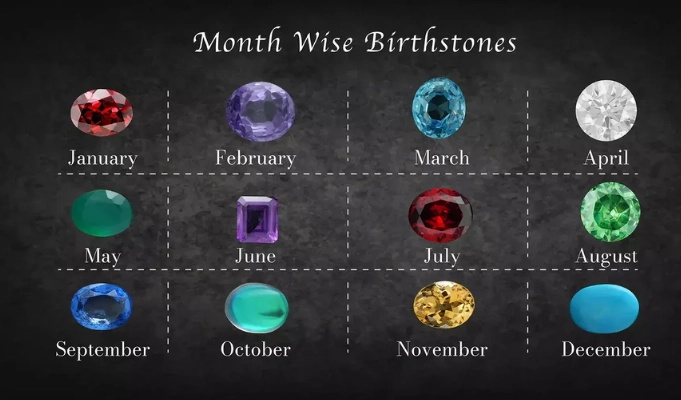
Quick Gemology 101: Here's something that trips a lot of people up. A ruby isn't a separate mineral species. It's actually a specific variety of the mineral corundum (aluminum oxide). The red color comes from trace amounts of chromium. The crazy part? Every other color of corundum—blue, yellow, pink, purple—is called a sapphire. Only the red ones get the special name "ruby." It's like the VIP member of the corundum family.
A Gem Steeped in Fire and Legend
You can't talk about Ruby Stone Month without digging into the stories. And wow, are there stories. This gem has a reputation that's larger than life.
In ancient Sanskrit, ruby was called *ratnaraj*, meaning "king of precious stones." Burmese warriors famously embedded rubies into their flesh, believing it made them invincible in battle (a painful, and frankly, dubious form of protection). Medieval Europeans thought rubies could guarantee health, wealth, wisdom, and success in love. They even believed the stone's color would darken to warn its owner of impending danger.
I find the Eastern traditions particularly fascinating. For centuries, rubies from Myanmar (Burma) were considered the absolute finest. The term "pigeon's blood" originated there, describing the most coveted pure red with a slight bluish undertone. It's not a scientific term, but everyone in the trade knows what you mean when you say it.
Is all of this mystical stuff true? Of course not. But these legends tell us something important: across cultures and millennia, people have attributed incredible power and desire to this stone. That cultural weight is part of what you're buying into during Ruby Stone Month.
The Hard Truth About Ruby Hardness
Let's get practical for a second. One of the biggest reasons ruby has remained so prized, beyond its color, is its sheer durability. On the Mohs scale of mineral hardness, ruby scores a 9. Diamond is the only common gemstone harder, at a 10.
What does this mean for you? It means a ruby is an excellent choice for jewelry you plan to wear often, like an engagement ring or a daily-wear pendant. It's highly resistant to scratching. That said, "hard" doesn't mean "indestructible." A sharp blow can still chip or crack a ruby. I learned this the hard way years ago when a ruby in a ring I owned caught on a doorframe just right. A small, painful chip. So, wear it with love, but not with recklessness.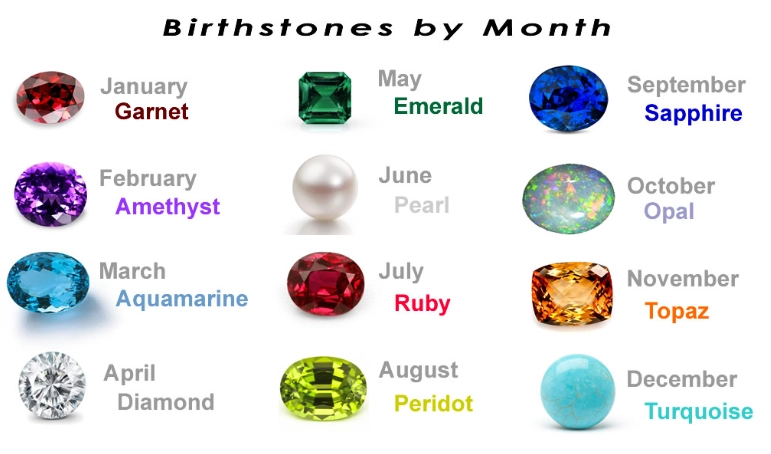
Navigating the Ruby Market: A Buyer's Reality Check
This is where Ruby Stone Month can get tricky for shoppers. Enthusiasm is high, and so is the potential for confusion or overpaying. Let's break down what actually matters when you're looking at a ruby.
The value of a ruby is dictated by a combination of factors, often remembered as the Four Cs (like diamonds, but applied differently).
I've made my share of mistakes buying gems early on. I once paid a premium for a "large" ruby, only to realize later it was so included (full of internal flaws) it looked murky and dull. Size isn't everything. Clarity and color matter way more.
Color is King (and Queen, and Jack)
Forget almost everything else for a moment. With ruby, color is the single most important factor. A small stone with a fantastic color is worth far more than a large, poorly-colored one. The ideal is a vivid, saturated red or red with a slight purplish hue. Too much orange or brown brings the value down significantly. That coveted "pigeon's blood" red is the pinnacle.
Here's a quick comparison of how color affects the game:
| Color Description | Typical Source (Examples) | Impact on Value & Appeal |
|---|---|---|
| Vivid Red / "Pigeon's Blood" | Myanmar (Burma), some Mozambican stones | Top tier. Commands the highest prices. The most sought-after color for Ruby Stone Month pieces. |
| Deep Red with Purple Undertone | Mozambique, Thailand | Highly desirable, often more accessible than Burmese. Fantastic, rich color. |
| Lighter Pinkish-Red | Various, including some African deposits | Often lovely and more affordable. Sometimes called "pink sapphire" in the trade if color is too light. |
| Brownish or Orangey Red | Various | Lowers value considerably. Lacks the pure, fiery saturation of top colors. |
Clarity, Treatments, and Being an Informed Buyer
Here's the reality: most natural rubies have inclusions. Flawless rubies are extraordinarily rare and astronomically expensive. The key is how the inclusions affect the stone's beauty. Inclusions that don't interfere with light passing through the stone are more acceptable. A ruby with visible cracks or a cloudy appearance is less valuable.
Now, the big topic: treatments. The vast majority of rubies on the market today are treated in some way to improve their appearance. The most common treatment is heat treatment, where the stone is heated to high temperatures to dissolve silk (tiny needle-like inclusions) and improve color and clarity. This is a stable, permanent, and widely accepted practice in the industry. When done well, it just brings out the stone's natural potential.
Buyer Beware: Other treatments are more problematic. Lead glass filling is used to fill surface-reaching cracks in low-quality rubies. These stones are much less durable and can be damaged by even mild acids or ultrasonic cleaners. A ruby that seems too clean and too cheap is often a red flag. Always, always ask for a gemological report from a reputable lab like the Gemological Institute of America (GIA) or AGL for any significant purchase. The report will detail any treatments detected.
Caring for Your Ruby: Keeping the Fire Alive
So you've got a ruby piece, maybe a gift from a past Ruby Stone Month. How do you keep it looking great? It's simpler than you think, but there are a few pitfalls to avoid.
Basic cleaning is easy: warm water, a tiny drop of mild dish soap, and a soft brush (an old, soft toothbrush is perfect). Gently scrub behind the stone where grime collects, rinse thoroughly, and pat dry with a soft, lint-free cloth. That's it for 90% of maintenance.
- Do store it separately from other jewelry to prevent scratches on softer gems (or from diamonds scratching it, though that's less likely).
- Do take it off before heavy chores, gardening, or hitting the gym.
- Don't use ultrasonic cleaners unless you are 100% certain the stone has no fractures or glass fillings. When in doubt, skip it.
- Don't expose it to harsh chemicals like bleach or chlorine.
Have it checked by a professional jeweler once a year. They can make sure the prongs are tight and give it a professional clean. This is especially important for rings worn daily.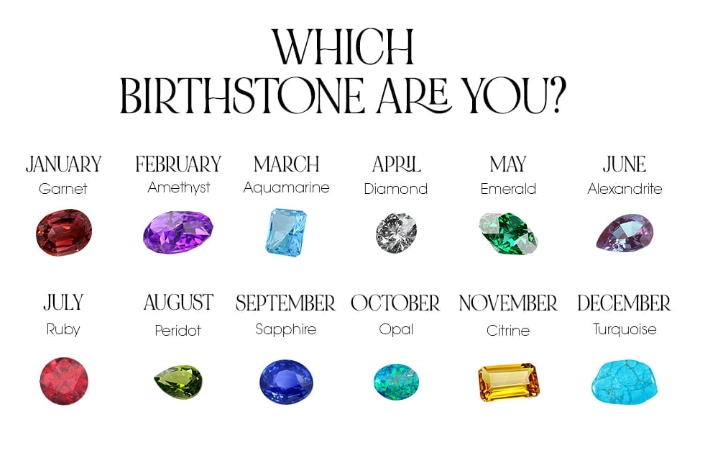
Ruby Stone Month Beyond Jewelry
Celebrating Ruby Stone Month doesn't have to mean buying a expensive ring. The theme is everywhere if you look.
It's a great time to visit a natural history museum with a good gemology collection. Seeing a large, uncut ruby crystal in a museum case gives you a whole new appreciation for what comes out of the earth. The Smithsonian's National Museum of Natural History, for example, has some legendary rubies in its collection.
You could read a book on gemology or the history of gem trade. Or simply use the month as a prompt to learn about the geology of your own area. The point is engagement with the natural world and human history. That's a pretty good way to spend a July, ruby or not.
Your Ruby Stone Month Questions, Answered
I get asked these all the time. Let's tackle some common ones head-on.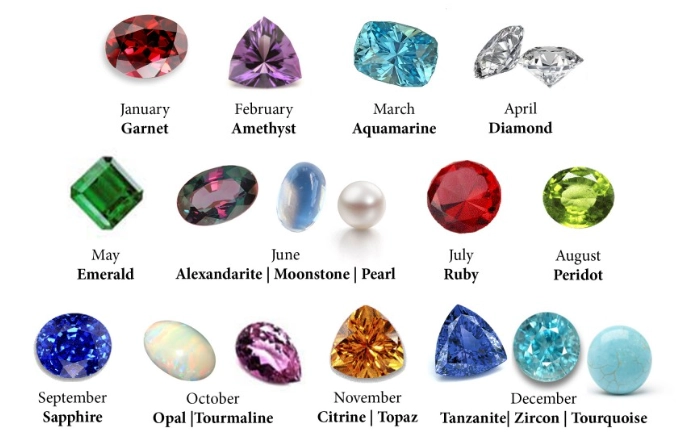
Final Thoughts on This Ruby Celebration
Ruby Stone Month, at its best, is more than a sales pitch. It's an invitation. An invitation to appreciate one of nature's most dramatic creations, to connect with a thread of human history obsessed with beauty and symbolism, and to make informed choices if you decide to bring a piece of that fire into your own life.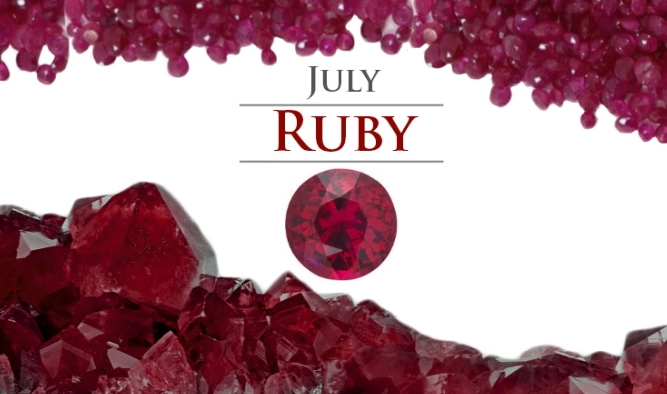
The ruby's journey from a rough crystal in the earth to a polished gem in a setting is a story of transformation. Maybe that's another reason it fits July—a month of growth, warmth, and peak vibrancy. Whether you're a July baby claiming your birthright or just someone who loves a gorgeous red stone, I hope this guide helps you see the ruby with new eyes.
So this July, when you see ruby promotions pop up, you'll know exactly what you're looking at. You'll see past the glitter to the geology, the history, and the careful craft that brings it all together. And that, I think, is the real way to celebrate Ruby Stone Month.
Related Articles
Ocean Jasper Green: A Complete Guide to Properties, Uses & Value
Blue Crystals and Gems: Meanings, Uses, and How to Choose the Right One