Quick Navigation
- The Hard Facts: Physical and Chemical Reasons to Pause
- Energy and Sensitivity: Who Might Get Overwhelmed?
- Practical Life Scenarios: When Lapis Might Not Be Your Ally
- So, What Are Your Alternatives? A Practical Comparison
- How to Safely Test Lapis Lazuli for Yourself
- Your Questions, Answered (The Stuff People Really Search For)
- Wrapping It Up: Empowerment Over Fear
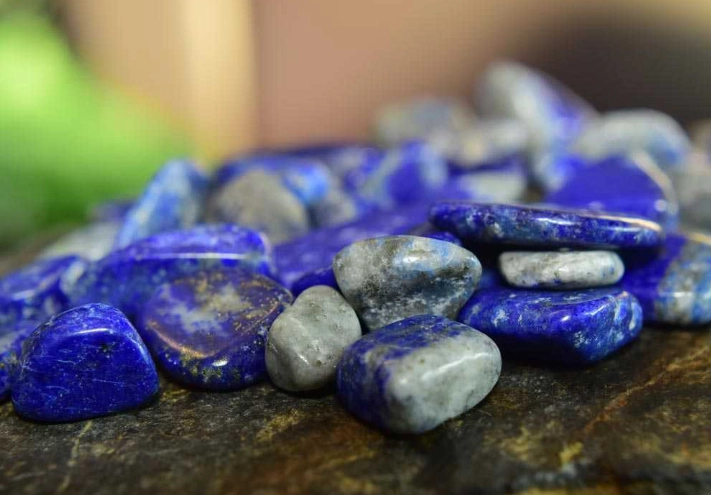
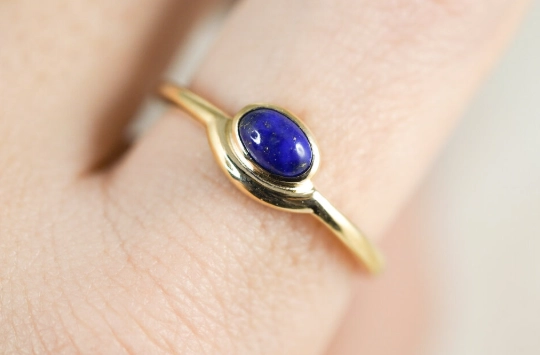
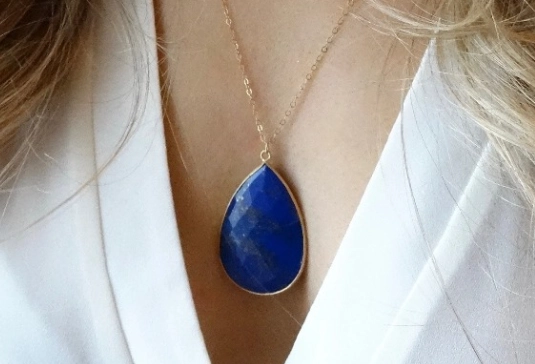
Let's talk about lapis lazuli. That stunning blue stone with flecks of gold that seems to be everywhere in the crystal world. It's been loved for thousands of years, from ancient Egyptian pharaohs to modern-day spiritual seekers. People rave about it for communication, truth, and inner vision. But here's the thing nobody in the crystal shop usually tells you: lapis lazuli isn't for everyone. In fact, for some people, wearing it can be a downright bad idea.
I remember when I first got a big, beautiful lapis bracelet. I was so excited. I wore it for a few days, and instead of feeling clear-headed, I felt oddly agitated and couldn't sleep well. I brushed it off at first, thinking it was just me. It wasn't until I dug deeper and talked to a few seasoned gemologists that I realized my experience wasn't unique. That's what sparked this deep dive. This isn't about fear-mongering; it's about informed choice. So, who should not wear lapis lazuli? Let's get into the real reasons, beyond the hype.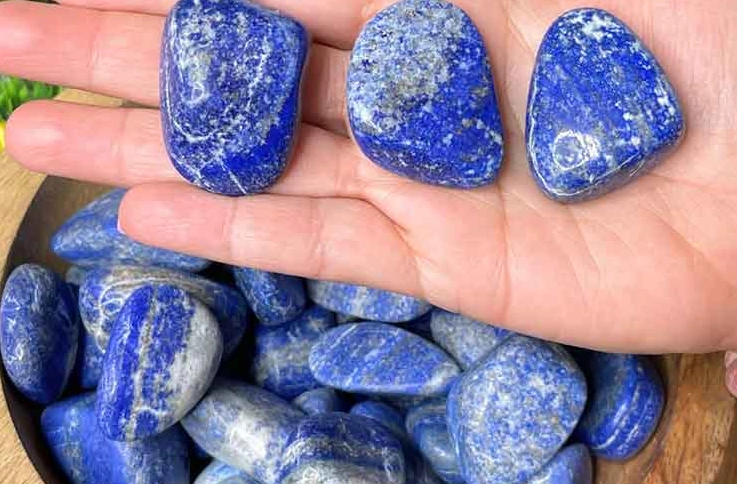
The Hard Facts: Physical and Chemical Reasons to Pause
Before we even get to the energetic stuff, there are some very tangible, physical reasons why certain individuals should avoid direct skin contact with lapis. This is the part most blog posts gloss over, but it's crucial for your safety.
The Pyrite and Calcite Conundrum
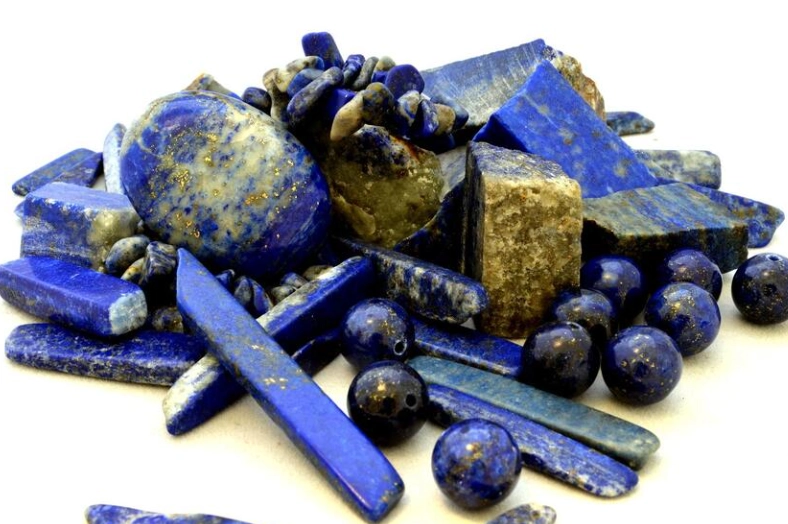
Pure, flawless lapis lazuli is incredibly rare and expensive. What you're buying 99% of the time is a rock composed mainly of the mineral lazurite, but it almost always contains calcite (white streaks) and pyrite (the fool's gold flecks). These aren't just aesthetic inclusions; they change the stone's properties.
Pyrite is iron sulfide. In some specimens, especially lower-quality or treated ones, the pyrite can oxidize when exposed to moisture (like sweat) and air. This can sometimes lead to a slight transfer of sulfur compounds or cause the stone's surface to become rough and crumbly. More importantly, for individuals with very sensitive skin or specific metal allergies (nickel is a common trace element in pyrite), this can cause contact dermatitis—a red, itchy rash.
A Note on Composition and Potential Toxicity
This is where a lot of misinformation floats around. Lapis lazuli's blue color comes from the sulfur radicals within the lazurite structure. It is not considered a highly toxic stone in the same way as, say, cinnabar (mercury sulfide). You are not going to get poisoned by wearing a lapis pendant.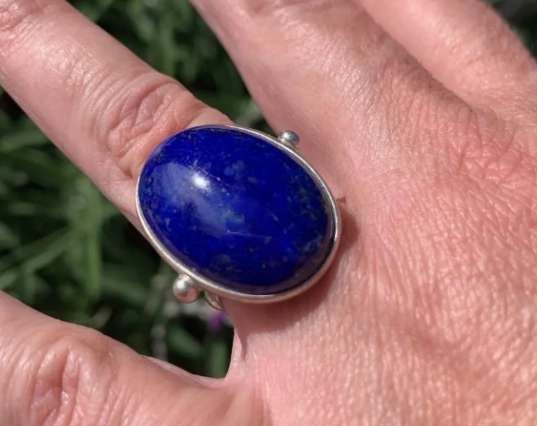
However—and this is a big however—the dust from cutting, grinding, or polishing lapis lazuli is hazardous if inhaled. This is a workplace safety issue for lapidaries, not typically for wearers. But it speaks to the stone's composition. The main concern for wearers is the potential for trace elements to leach out with prolonged exposure to acids (like sweat or lotions). The risk is minimal with polished stones, but it's a factor worth knowing.
Frankly, the internet is full of alarmist lists claiming lapis is "toxic." The reality is more nuanced. The risk from wearing a finished piece is extremely low for most adults. But why take any chance if you fall into a sensitive category?
Energy and Sensitivity: Who Might Get Overwhelmed?
Okay, now let's move into the realm where things get personal and subjective: the energetic properties. This is where the question of who should not wear lapis lazuli gets really interesting. Lapis is not a gentle, nurturing stone like rose quartz. It's a powerful, high-vibration stone associated with the third eye and throat chakras. It's like a spiritual truth serum and a psychic amplifier rolled into one.
Think of it this way: if your mind is a quiet library, lapis is the librarian who turns on all the lights, opens every book at once, and starts telling you hard truths about the library's filing system. For some, that's enlightening. For others, it's utterly overwhelming.
People Prone to Anxiety or Overthinking
This is probably the biggest group. Lapis is famed for activating the third eye and enhancing mental clarity. But if you already have a busy, anxious mind that races a million miles an hour, lapis can sometimes act like a turbocharger on that engine. Instead of creating calm, clear thoughts, it can amplify the noise.
I've heard from several people who say wearing lapis made their anxiety worse, not better. They reported increased vividness of worries or felt mentally "buzzed" in an unpleasant way. If you're someone who struggles to quiet your mind, a stone like blue lace agate (soothing, gentle communication) or lepidolite (contains lithium, calming) might be a far better starting point than jumping straight into the deep end with lapis.
Those in Emotionally Fragile or Grieving States
Lapis is a stone of truth and revelation. Its energy can be brutally honest. If you are in the raw, early stages of grief, deep depression, or recovering from emotional trauma, you might not be in a position to handle the kind of stark introspection lapis can encourage. It can bring things to the surface before you're ready to process them.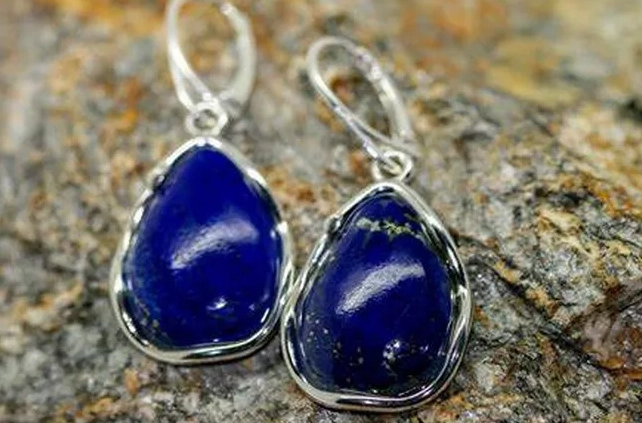
During these times, the priority is often comfort, grounding, and emotional safety. Stones like black tourmaline (grounding, protection), smoky quartz (releases negativity), or rhodonite (heals emotional wounds) are typically more supportive. You can always work with lapis later, when you feel stronger and are seeking deeper understanding of the experience.
Very Young Children and Highly Sensitive Individuals (Empaths/HSPs)
A child's energy system is still developing and is often more open and sensitive than an adult's. The powerful, cerebral energy of lapis lazuli can be too stimulating for them. It might contribute to nightmares, restlessness, or difficulty focusing. For kids, gentler stones are the way to go.
Similarly, if you identify as an empath or a Highly Sensitive Person (HSP), you absorb energy from your environment like a sponge. Lapis, with its intense and sometimes "loud" vibrational frequency, can be too much to integrate, especially if worn close to the body for long periods. You might feel overstimulated, headachy, or emotionally drained. Wearing it for short, intentional sessions might work, but all-day wear could be counterproductive.
So, we've covered the main energetic groups. But what about specific life situations?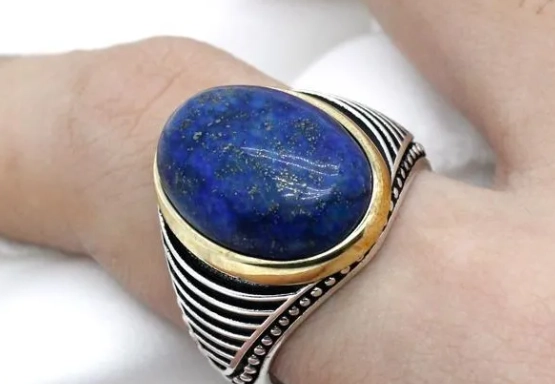
Practical Life Scenarios: When Lapis Might Not Be Your Ally
Beyond personal sensitivity, there are times in life when the specific qualities of lapis lazuli might work against your immediate goals. It's not a "bad" stone; it's just a powerful tool, and you need the right tool for the job.
When You Need Diplomacy, Not Blunt Truth
Lapis is linked to the throat chakra and truthful communication. That sounds great, right? Well, sometimes truth needs to be tempered with tact. If you're heading into a delicate negotiation, a first date, or a family gathering where tensions are high, wearing lapis might incline you to be *too* blunt, to say exactly what you're thinking without the necessary filter.
In these situations, you might want a stone that promotes harmonious communication. Blue lace agate encourages gentle, kind speech. Chrysocolla fosters diplomacy and peaceful dialogue. Save the lapis for when you're doing inner work, journaling, or in a situation where absolute honesty is the primary goal (and is welcome).
When Your Primary Need is Grounding and Stability
Lapis is a cerebral, spiritual stone. It connects you to higher thought and intuition. What it is not is a grounding stone. If you're feeling spacey, unrooted, scattered, or disconnected from your body, wearing lapis could potentially accentuate that "head in the clouds" feeling.
When stability is the goal, you want stones that connect you to the earth. Hematite, red jasper, and tiger's eye are classics for a reason. They pull your energy down into your body and the present moment. It's like the difference between reading a philosophy book (lapis) and going for a walk in the woods (grounding stones). Both are valuable, but you need to know which one you need right now.
So, What Are Your Alternatives? A Practical Comparison
Let's say you've read this and thought, "Okay, maybe lapis isn't for me right now." But you're drawn to that beautiful deep blue color or you're seeking some of its benefits—just in a milder form. Great news! The mineral kingdom is vast. Here’s a quick guide to some excellent alternatives, depending on what you're looking for.
| If You Like Lapis For... | But Want Something Gentler/More Specific, Try... | Key Differences & Best For... |
|---|---|---|
| Deep Blue Color & Spiritual Connection | Sodalite | Often called "lapis's quieter cousin." Promotes logic, calm, and rational thought alongside intuition. Much less intense, rarely contains pyrite. Excellent for group harmony and easing anxiety. |
| Third Eye Activation & Intuition | Azurite or Amethyst | Azurite is a deep, vibrant blue that is also a powerful third eye stone, but it's often considered more about deep psychological insight and breaking old patterns. Amethyst is a classic for calming the mind and enhancing spiritual awareness without overstimulation. |
| Throat Chakra & Communication | Blue Lace Agate or Aquamarine | Blue Lace Agate is the ultimate for gentle, compassionate, and clear communication. It soothes the throat chakra. Aquamarine offers calm, courageous communication, especially in stressful situations. Both lack the "truth bomb" potential of lapis. |
| Wisdom & Inner Truth | Labradorite | While not blue, labradorite is an incredible stone for intuition, magic, and discovering your own inner wisdom. It's protective and reveals what's hidden, but in a more mystical, less analytically blunt way than lapis. |
See? Plenty of options. The goal is to find what works for *you*, not to force yourself to work with what's popular.
How to Safely Test Lapis Lazuli for Yourself
Maybe you're still curious. You've read the warnings, but you want to see for yourself. That's perfectly fine! The best approach is mindful experimentation. Here’s a safe, step-by-step way to see how you react to lapis, minimizing any potential downsides.
- Start with a Tumbled Stone, Not Jewelry: Get a small, tumbled lapis stone. This allows you to interact with it without constant skin contact.
- The "Left Hand Hold" Test: Sit quietly for 5-10 minutes. Hold the stone in your left hand (receptive side). Just breathe and notice. Do you feel anything? Calm? Agitation? A pressure in your forehead? Tingling? Nothing at all? There's no right or wrong feeling; just observe.
- Short-Term Wear: If the hold test felt okay, try wearing a lapis piece (like a pendant or bracelet) for just an hour or two during a calm day at home. Notice any shifts in your mood, energy, or thoughts.
- Keep a Mini Journal: Jot down a note. "Wore lapis pendant for 2 hours. Felt mentally sharper but had a slight headache after an hour." This data is gold for understanding your personal relationship with stones.
- Listen to Your Body & Mind: If you get a headache, feel irritable, anxious, or can't sleep after having it near you, your system is likely saying, "Not now." Respect that. You can try again another time, or simply accept that lapis isn't your stone.
Your Questions, Answered (The Stuff People Really Search For)
Wrapping It Up: Empowerment Over Fear
Look, the point of all this isn't to make you afraid of a beautiful blue rock. The point is empowerment. The crystal world is full of glowing reviews and sales pitches, but genuine, practical guidance on contraindications is hard to find. Knowing who should not wear lapis lazuli—or any crystal—allows you to make smarter, safer, and more effective choices.
It boils down to self-awareness. Are you sensitive? Anxious? In a fragile state? Needing grounding more than enlightenment? Then maybe lapis isn't your best friend right now. And that's perfectly okay. Sodalite, amethyst, or a dozen other stones might be cheering you on from the shelf instead.
The most important crystal you'll ever work with is your own body and intuition. Let that be your primary guide. If a stone feels wrong, even if everyone else loves it, listen to that feeling. Your personal experience is the only authority that truly matters in your spiritual practice.
So, do your research, test mindfully, and choose what brings you balance and peace. That's the real magic.
Related Articles
Labradorite: The Complete Guide to Healing, Uses, and Buying Tips

Who Should Not Wear Kyanite? A Clear Guide for Crystal Safety
Amber Stone Meaning: More Than Just a Pretty Fossil
Brown Jasper Crystal Guide: Healing Properties, Uses & Expert Tips
Bloodstone: A Complete Guide to Meaning, Uses, and Buying Tips