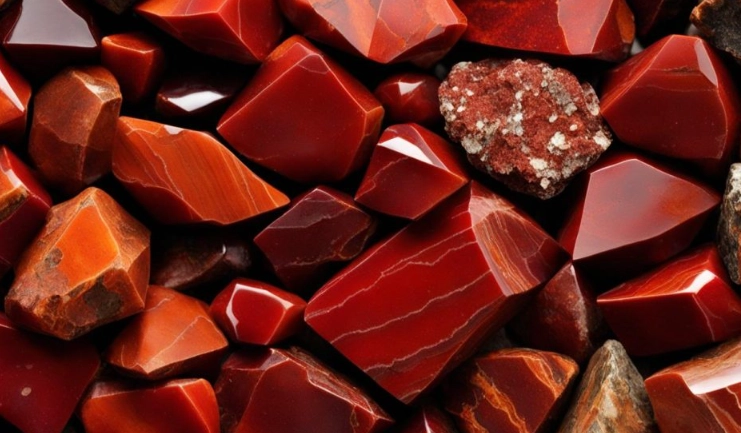
Let's talk about jasper. You've probably heard the word in two very different contexts. Maybe a friend wears a chunky, earthy red bracelet and calls it "red jasper." Or perhaps you met someone named Jasper and wondered about its origin. The meaning of jasper isn't a single answer—it's a fascinating split between geology and history, between what you hold in your hand and what you call a person. This duality is what makes it so interesting. It's not just a pretty rock or an old-fashioned name; both carry a weight of stability, protection, and deep connection to the earth. I've collected stones for over a decade, and jasper was one that constantly surprised me. Most guides will tell you it's a "nurturing" stone, but they rarely explain why that matters in your daily, often chaotic, life.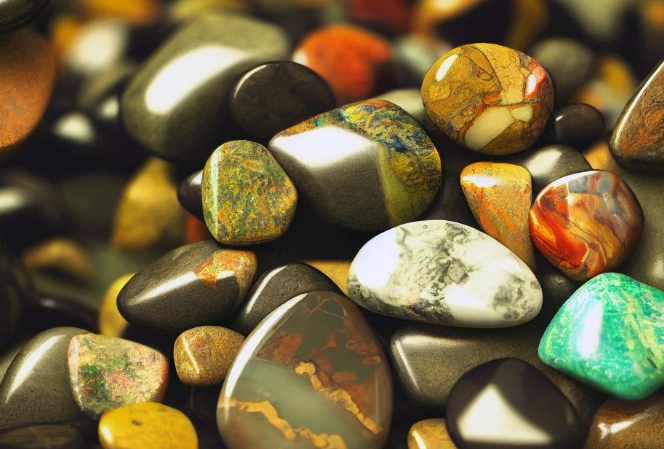
What You'll Discover in This Guide
The Jasper Stone: A Pocket-Sized Piece of Earth
Geologically, jasper is a form of chalcedony, which is a type of quartz. But forget the textbook definition for a second. What you need to know is this: jasper is opaque, wildly patterned, and almost always in warm, earthy tones—reds, browns, yellows, greens. It forms when silica-rich sediment or volcanic ash gets cemented together over immense time. That's key. It's not a single, pure crystal growing in a void; it's a community of microscopic particles fused under pressure. This origin story is the root of its symbolic meaning: integration, stability, and wholeness.
In the world of crystals and their purported healing properties, jasper is the ultimate grounding stone. While everyone chases after high-vibration stones like moldavite, they often skip the foundational step. You wouldn't build a house without a solid foundation, right? Jasper is that foundation. Its energy is described as slow, steady, and nurturing. It's not about blasting you with inspiration; it's about helping you stand firm when life gets windy.
A Quick Reality Check from a Long-Time Collector
Here's a mistake I see constantly: people buy a tiny tumbled jasper pebble, put it on their nightstand, and expect profound life changes. Jasper's energy is subtle and cumulative. It works best through consistent, physical contact. Think of it less like a magic switch and more like a daily vitamin for your energetic resilience. A small stone in your pocket, worn all day, will do more than a large showpiece you glance at once a week.
The common themes across cultures and modern crystal practice are remarkably consistent:
- Grounding & Stability: Connects you to the present moment and the physical world. It's the antidote to feeling scattered, anxious, or "up in your head."
- Protection: Historically used as a talisman against physical and spiritual danger. It was believed to strengthen the aura, creating a kind of energetic shield.
- Endurance & Vitality: Linked to the life force and physical stamina. Red jasper, in particular, was known as the "blood of the earth" for this reason.
- Nurturing Comfort: Provides a sense of security and emotional support, much like the feeling of being firmly rooted.
Jasper as a Name: History and Modern Revival
Now, let's shift gears. The name Jasper comes from the Persian word "yaspar," meaning "treasurer." It entered the Western tradition via the Three Wise Men (or Magi) in the Christian Nativity story, one of whom is traditionally known as Caspar, Gaspar, or Jasper. He was the gift-bearer who brought frankincense. So from the start, the name carries connotations of wisdom, journeying, and precious offering.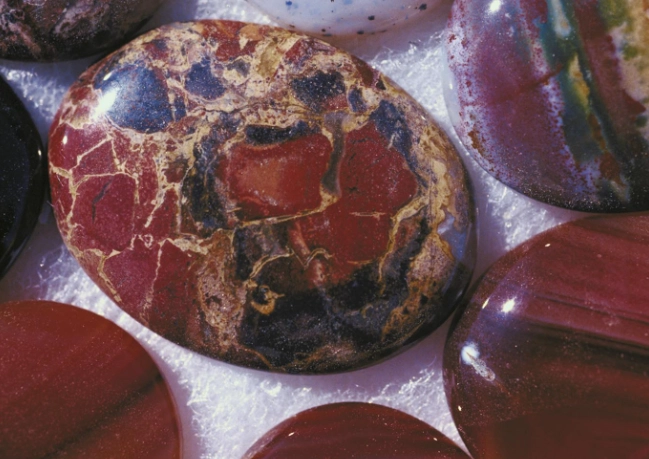
It was a moderately popular name centuries ago, fell out of fashion, and has seen a massive comeback in the last 20 years. According to data from sources like the Social Security Administration, Jasper has steadily climbed the baby name charts, entering the top 200 in the US and becoming a top choice in countries like the Netherlands and the UK. Why the resurgence?
It hits a sweet spot for modern parents. It's classic but not overused, familiar but distinctive. It has a gentle, approachable sound yet feels substantial. Crucially, its connection to the natural world—the stone—adds a layer of earthy, grounded appeal that names like "Hunter" or "River" also tap into. It suggests reliability and a connection to something timeless.
How to Actually Use Jasper for Stability (Beyond the Hype)
Okay, so jasper is "grounding." What does that actually look like on a Tuesday when you're stressed about a work deadline? Abstract properties are useless without application. Here are concrete, non-fluffy ways to work with jasper, drawn from both tradition and personal trial-and-error.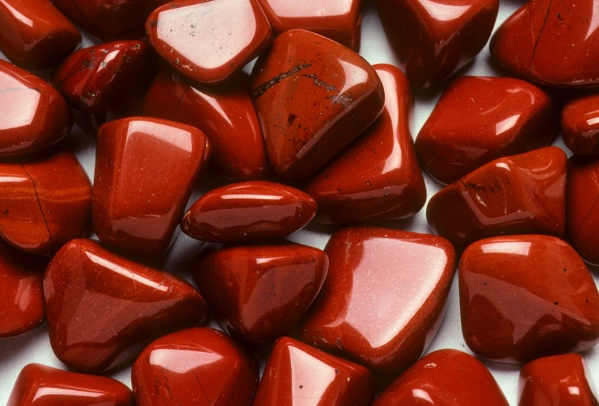
For Immediate Calm in Stressful Moments
Don't just hold it. Engage with it. Find a jasper stone with a pattern that draws you in. When you feel anxiety rising, take it out. Trace the lines and swirls with your finger. Focus on its temperature, its weight. This isn't mystical—it's a mindfulness anchor. It pulls your attention away from racing thoughts and into your tactile senses, which is the very definition of grounding. A smooth, palm-sized piece of ocean jasper is perfect for this.
As a Support for Major Life Changes
Moving house, starting a new job, ending a relationship—these events can make you feel untethered. Jasper's energy of integration can help. Place a piece in the main living area of your new home or on your new desk. The idea isn't that it magically fixes everything, but it serves as a physical symbol of stability and your intention to create a new, solid foundation. I kept a large piece of red jasper on my desk for the first six months of starting my own business. Was it the reason I succeeded? No. But it was a constant, steadying presence on the chaotic days.
In a Simple Daily Ritual
Keep a jasper by your bedside. Before sleep, hold it and mentally "dump" the day's worries into it. Visualize the stone absorbing that chaotic energy. Upon waking, hold it again and set an intention for a grounded, present day. This takes two minutes but creates a powerful psychological bookend to your day.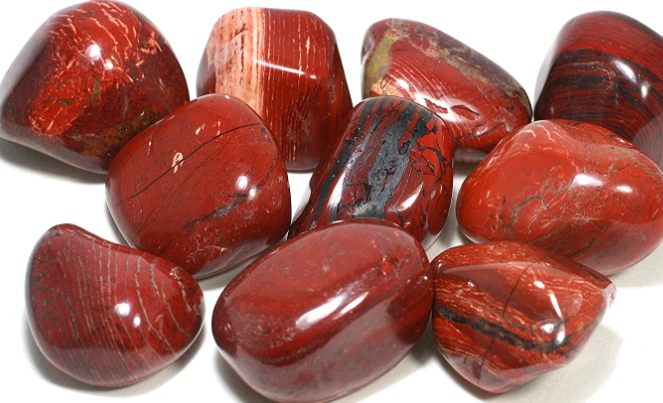
A Spotter's Guide to 5 Major Jasper Types
Not all jasper is the same. The variations are stunning, and each subtype has its own subtle twist on the core jasper meaning. Here’s a quick guide to help you identify and choose.
| Type of Jasper | Key Appearance | Often Associated With | My Personal Take |
|---|---|---|---|
| Red Jasper | Deep, brick red to brownish-red; often solid or streaked. | Vitality, courage, physical stamina. The classic "blood of the earth." | The most direct and physical of the jaspers. Less subtle, more of a boost. Great before a workout or on low-energy days. |
| Picture Jasper | Landscape-like patterns in beige, brown, and tan. Looks like a desert scene. | Connection to Earth, seeing the bigger picture, journeying. | Incredible for meditation. Staring at the "landscapes" can trigger creative visualization and a sense of perspective. |
| Dalmatian Jasper | White or cream base with black or brown spots (like a Dalmatian dog). | Playfulness, joy, breaking negativity. | Feels lighter than other jaspers. It's grounding but with a cheerful, protective vibe. Popular for kids. |
| Ocean Jasper | Orbicular patterns (little circles) in greens, pinks, whites, and blues. | Soothing, emotional healing, connection to water's flow. | Exceptionally calming. The circular patterns have a hypnotic, wave-like quality. My top pick for anxiety. |
| Brecciated Jasper | Red jasper fragments cemented together with gray or white chalcedony, creating a broken, angular pattern. | Reintegration, healing from trauma, making whole what was broken. | The most potent for emotional healing work. Its very structure symbolizes pieces coming back together. |
Remember, the best jasper for you is the one you're drawn to. Don't get bogged down in lists. If you see a stone and can't stop looking at it, that's your stone.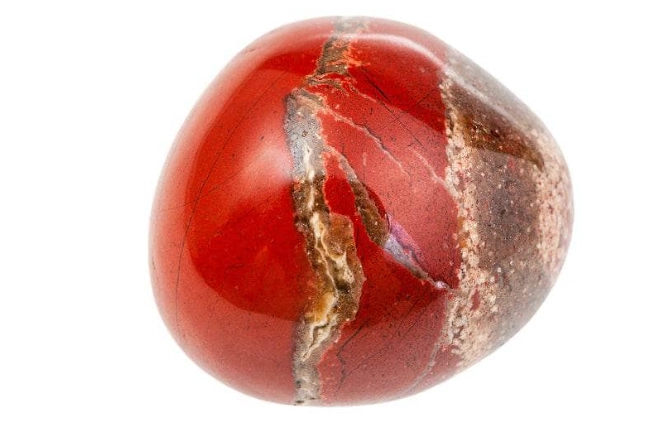
Your Jasper Questions Answered
Related Articles
Lapis Lazuli Properties: Healing, Spiritual & Physical Guide
Tiger's Eye Benefits: A Practical Guide to Its Healing Powers & Uses
Blue Lapis Healing Properties: Unlocking Emotional Balance & Spiritual Insight
How to Tell if Your Larimar is Real: 7 Authenticity Tests
Black Obsidian Meaning: Healing Properties, Uses & Spiritual Guide