Let's be honest. The crystal world is full of hype. You see a beautiful blue stone labeled "aventurine," buy it because it promises calm, and then... nothing happens. It sits on your shelf. I've been there. After collecting and working with crystals for over a decade, I've learned that blue aventurine is one of the most misunderstood—and potentially one of the most useful—stones out there, but only if you know what you're really getting and how to use it. This isn't about vague spiritual claims; it's a practical guide to the mineral itself, its documented historical uses in traditions like those referenced by the Gemological Institute of America, and actionable steps to integrate it into a modern life that's often too loud and too fast.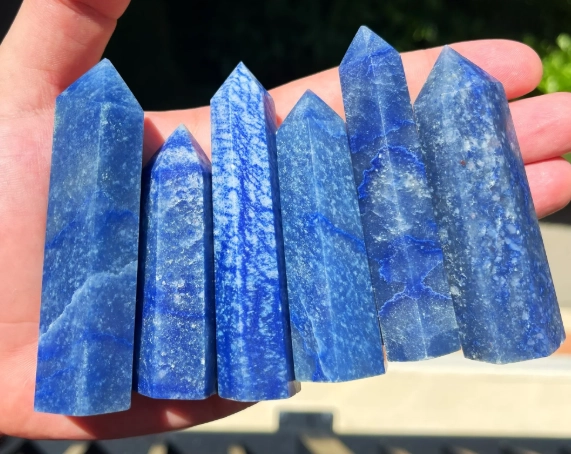
Your Quick Guide to Blue Aventurine
What Exactly Is Blue Aventurine? (It's Not What You Think)
First, a crucial correction. Most of the deep blue "aventurine" you see in shops is not aventurine at all. Genuine aventurine is a variety of quartz, famous for its shimmering inclusions of mica (green aventurine) or hematite (sometimes red/brown). A true, naturally blue quartz aventurine is incredibly rare.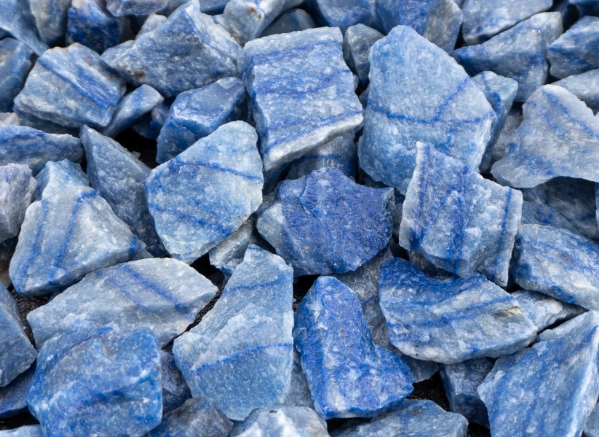
The stone commonly sold as blue aventurine is actually a type of feldspar, often dumortierite quartz or a dyed quartz aggregate. Does this make it a "fake"? Not necessarily. Dumortierite quartz is a legitimate, beautiful mineral with its own properties. The problem is the mislabeling. When you buy "blue aventurine," you're likely getting a helpful stone, just not the one you thought.
Key Takeaway: Don't get hung up on the name. Whether it's dumortierite quartz or another blue-hued quartz variety, the stone's value comes from its physical composition and how you connect with it. The market has adopted "blue aventurine" as a trade name for these calming blue stones, so that's what we'll discuss here—with full transparency.
It typically forms in shades from pale sky blue to a deep denim, often with a whitish matrix or speckles. Major sources include India, Brazil, and Sri Lanka. You can find tumbled stones for $5-$15, palm stones for $10-$25, and larger spheres or carvings for more. The price is a clue: if it's dirt cheap and a uniform, vivid royal blue, be suspicious.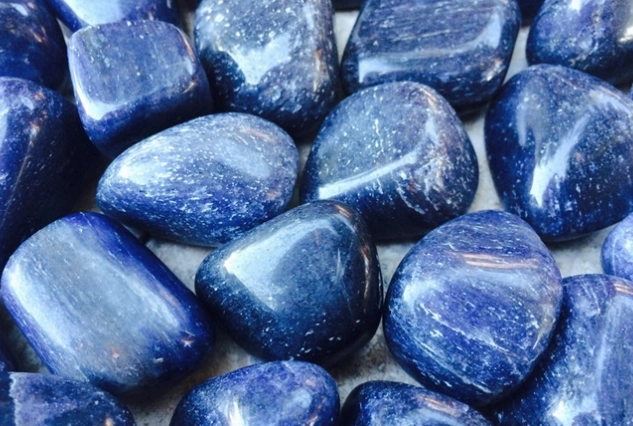
Blue Aventurine Healing Properties Explained
Beyond the geology, why do people reach for this stone? Its reputation centers on two core areas: mental calm and clear communication. Think of it less as a magic wand and more like a tuning fork for your nervous system.
The Calm in the Chaos
Modern anxiety isn't always a dramatic panic attack. It's the buzzing background noise of notifications, deadlines, and endless to-do lists. Blue aventurine's energy is often described as cooling and pacifying. It's not a sedative; it's like applying a mental ice pack to a throbbing stress headache. I keep a piece on my desk. When I feel scattered, holding it for a minute forces me to pause and breathe. The physical act, coupled with the stone's serene color, creates a psychological reset button. It won't delete your problems, but it can create the mental space to address them without overwhelm.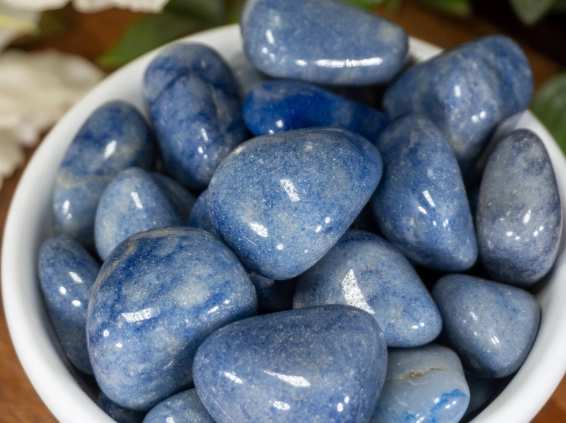
Finding Your Voice
This is where it gets interesting. The throat chakra association is strong with blue stones. Blue aventurine is said to aid communication, but not by making you talk more. Instead, it's believed to help you organize chaotic thoughts into coherent words and to speak with calm confidence, especially in difficult conversations. It's the stone you might want before a tough meeting, a heartfelt talk with a partner, or when you need to set a boundary. The idea is that by calming internal chatter, your true message can come through more clearly.
5 Practical Ways to Use Blue Aventurine Every Day
Forget complicated rituals. The best crystal practice is one you'll actually do. Here are simple, integrated uses.
- On the Go: Carry a tumbled stone in your pocket or purse. Touch it when you're in a crowded place, waiting in line, or feeling social anxiety creep in. It's a discreet anchor.
- Sleep Aid: Place a stone on your nightstand or under your pillow. The goal isn't mystical absorption; its presence can serve as a visual cue to release the day's mental clutter as you try to sleep.
- Workstation Anchor: As mentioned, a small sphere or palm stone on your desk acts as a visual reminder to stay composed. Before answering a stressful email, take a moment to hold it.
- Meditation Focus: Hold a piece in your receiving hand (left for most) during meditation. Focus on its cool temperature and weight. When your mind wanders to a worry, imagine transferring that thought into the stone, setting it aside temporarily.
- Communication Boost: Wear it as a pendant close to your throat. Again, the power is in the reminder. Feeling the necklace can prompt you to take a breath before you speak.
The Real Test: How to Spot Fake Blue Aventurine
This is the expert knowledge most guides skip. The market is flooded with dyed howlite or cheap glass masquerading as blue aventurine. Here’s how to tell.
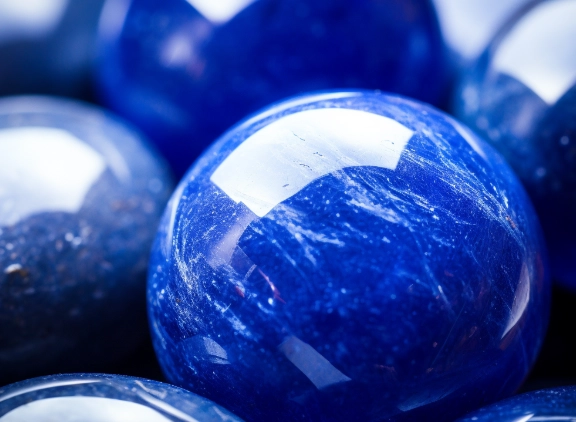
| Feature | Genuine Blue Aventurine (Dumortierite Quartz) | Fake/Dyed Stone |
|---|---|---|
| Color | Uneven, often with white/clear quartz patches, streaks, or clouds. Color is within the stone. | Unnaturally uniform, vivid color. Dye often collects in cracks. |
| Temperature | Feels cool to the touch and stays cool longer. | Glass feels cool but warms quickly. Plastic feels warm immediately. |
| Weight & Feel | Has a substantial, dense feel for its size (quartz is heavy). | Plastic is light. Glass can feel similar but often has molded seams. |
| The Scratch Test (Careful!) | Quartz is hard (7 on Mohs scale). A steel knife (5.5) will not scratch it. | Dyed howlite or calcite (3) will scratch easily. Glass (5.5) may scratch. |
| Price | Moderate. Too cheap is a red flag. | Often sold in bulk for very low prices. |
The biggest mistake I see? People buying based on perfect, Instagrammable color. Nature isn't that uniform. Seek out stones with character—variations and inclusions are signs of authenticity.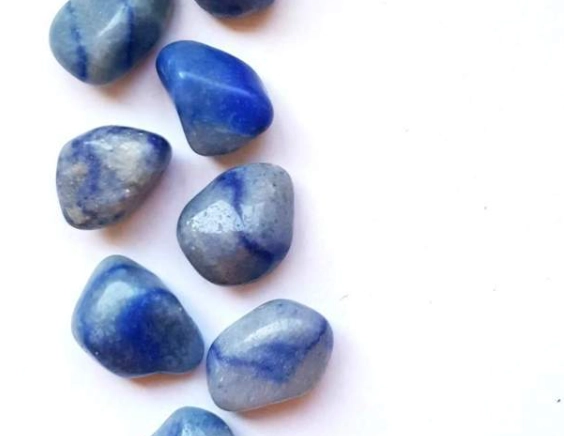
Caring for Your Stone: A Simple Routine
You don't need to smudge it under a full moon. Think of it as maintenance. If you use the stone to "absorb" mental static, it's good practice to clear that energy.
Best Method: Running it under lukewarm water for a minute while setting an intention to wash away absorbed energy. Pat dry. Why it works: It's simple, physical, and connects you to the element of water, which aligns with this stone's calming nature.
What to avoid: Long soaks in salt water, which can damage the surface over time. Also, avoid harsh chemicals or cleaners. Store it separately from harder stones to prevent scratches.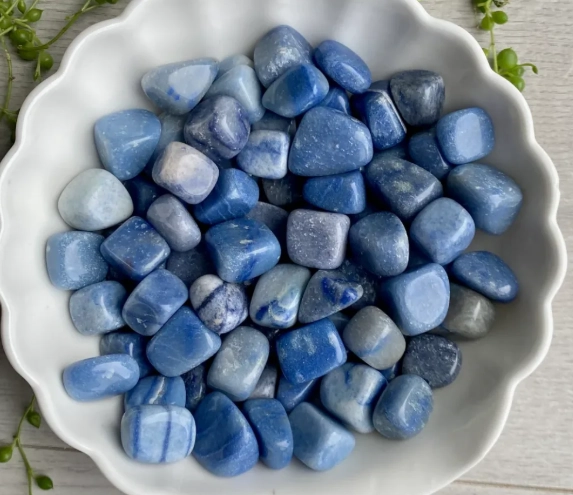
Answers from the Bench: Your Blue Aventurine Questions
Can I sleep with blue aventurine under my pillow for anxiety dreams?
You can, but be mindful. While its calming energy is ideal, a rough tumbled stone can be uncomfortable. A small, smooth palm stone is better. Place it beside the pillow instead. The intention—associating the stone with safety and calm before sleep—is more important than precise placement.
How do I know if my blue aventurine is "working"?
This is the wrong question to ask. It leads to placebo or disappointment. Don't look for cosmic signs. Instead, ask: "Did holding this stone help me pause for three deep breaths today?" or "Did seeing it on my desk remind me to soften my shoulders?" The "work" is in the mindful action it prompts, not in the stone emitting a magic beam.
Is blue aventurine or sodalite better for communication issues?
Sodalite is often linked to logical, truth-seeking communication and boosting self-expression in groups. Blue aventurine (dumortierite) leans more toward calming emotional turbulence so you can speak clearly from a centered place. If your communication block comes from social anxiety or emotional flooding, start with blue aventurine. If it's more about finding the right words for complex ideas, look at sodalite.
I bought a cheap blue aventurine bracelet online. Is it useless if it's dyed?
Not necessarily useless, but its value changes. The dyed material (often howlite) has different properties. More importantly, the intention you pair with it still holds power. If you love how it looks and it reminds you to stay calm, it serves a purpose. But for the specific cooling, throat-chakra associated effects, you'd want the genuine mineral. Consider it a stepping stone—a tool that introduces you to the practice.
How often should I cleanse my blue aventurine?
There's no schedule. Cleanse it when it feels "heavy," dull, or less effective to you. For daily carry, a quick rinse once a week is ample. After an intensely stressful situation where you actively used it for support, cleanse it afterward. Trust your intuition over a rigid calendar.
Blue aventurine won't single-handedly solve anxiety or make you a master orator. But as a tangible tool for mindfulness—a physical object that prompts you to interrupt stress cycles and choose calm—it has proven its worth in my practice and for countless others. Find a genuine piece that speaks to you, use it with practical intention, and you might just find that a little bit of that serene blue clarity rubs off on your day.
Related Articles
Ultimate Guide to Blue Kyanite: Spiritual, Healing & Practical Uses
Ultimate Guide to Clear Quartz Properties & Healing Benefits
White Sapphire vs Diamond: An Honest Comparison for Your Jewelry

The pattern of domestic RF is initially determined.
Ocean Jasper Benefits: Healing Properties & How to Use It
