Quick Navigation
- What Exactly Is Kunzite? Breaking Down the Basics
- Why Do People Seek Out Kunzite? Meanings and Metaphysical Properties
- How to Use Your Kunzite Crystal: Practical Ideas
- The Non-Negotiable: Cleaning and Charging Your Kunzite
- Buying Kunzite: A No-Nonsense Guide to Not Getting Ripped Off
- Kunzite vs. Other Pink Stones: How to Tell the Difference
- Answering Your Burning Questions About Kunzite
- Final Thoughts: Is Kunzite Right for You?
Let's be honest, the first thing that grabs you about kunzite is that color. It's not your average pink. It's a soft, delicate, sometimes lilac-tinged pink that feels calming just to look at. I remember the first time I held a piece of kunzite crystal in my hand at a gem show. It felt cool and surprisingly light, and the vendor told me it was called the "stone of emotion." I was intrigued. But as I dug deeper, I realized there's so much more to this gem than its Instagram-worthy appearance. It has a fascinating history, some very specific needs when it comes to care, and a reputation in the metaphysical world that's hard to ignore, whether you're a believer or just curious.
So, what's the real deal with kunzite? Is it just another trendy crystal, or does it have substance? This guide is my attempt to answer every question I had when I started, and every question I've been asked since. We'll strip away the fluff and look at the facts, the folklore, and the practicalities of owning this beautiful but sometimes misunderstood stone.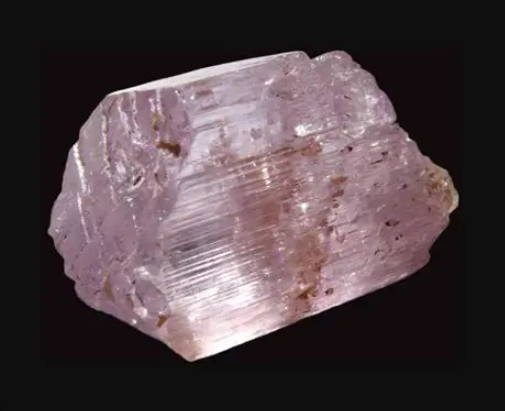
Quick Fact: Kunzite is a relatively modern discovery in the gem world. It was first identified in 1902 by the legendary gemologist George Frederick Kunz (yes, it's named after him) in Connecticut, USA. It didn't have ancient healers or kings using it, which makes its rapid rise in popularity all the more interesting.
What Exactly Is Kunzite? Breaking Down the Basics
At its core, kunzite is a variety of the mineral spodumene. If you're into geology, you might know spodumene as a lithium aluminum silicate. That's right, it contains lithium. I'm not a scientist, but I find it fascinating that the element associated with mood-stabilizing pharmaceuticals is a fundamental part of this "calming" crystal's structure. It's a connection people in the crystal community talk about a lot, though it's crucial to remember that a crystal is not medicine.
Kunzite is prized for its pleochroism. That's a fancy word for a simple, cool effect: the stone can show different colors (usually a pale pink, a deeper violet, and a colorless hue) when viewed from different angles. Try rotating a kunzite crystal under a light sometime. If it's a good quality piece, you'll see the color shift and dance. It's one of the best ways to identify a real one from a fake.
Its color comes from trace amounts of manganese. And here's the thing—it's sensitive. Prolonged exposure to strong sunlight will cause most kunzite to fade. I learned this the hard way with a small tumble stone I left on a sunny windowsill. After a few months, it was noticeably paler. A total rookie mistake. So, it's a gem that demands a little respect and care from the get-go.
The Nuts and Bolts: Kunzite's Physical Properties
If you're thinking of buying kunzite jewelry (it's stunning set in protective bezels), you should know what you're getting into. It's not as tough as a diamond or sapphire.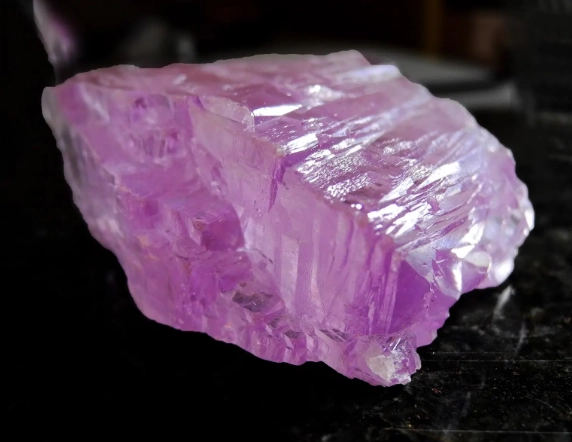
| Property | Details | What It Means for You |
|---|---|---|
| Hardness | 6.5 to 7 on the Mohs scale | Moderately durable, but can be scratched by harder materials. Not ideal for everyday ring wear unless very well protected. |
| Cleavage | Perfect in two directions | This is the big one. It means kunzite has planes of weakness where it can split cleanly if struck. Handle with care! |
| Color Stability | Low to Moderate | Fades in direct sunlight (photochromism). Store it in the dark when not wearing it. |
| Typical Clarity | Often eye-clean | One of its best features. You can often find pieces with excellent transparency and few visible inclusions. |
That "cleavage" property is why jewelers sigh when you bring them a kunzite. It can be a bit nerve-wracking to cut and set. It also means you shouldn't toss your kunzite crystal into a bag with other stones. A separate pouch is your friend.
I once dropped a small kunzite point on a tile floor. It didn't shatter, but a perfect, clean flake sheared off one side. It was a textbook example of that "perfect cleavage" in action. A sad but very educational moment.
Why Do People Seek Out Kunzite? Meanings and Metaphysical Properties
This is where things get subjective. The world of crystal healing isn't backed by Western science, and it's important to state that upfront. But the beliefs and traditions are a huge part of why people are searching for "kunzite meaning." From my conversations with collectors and practitioners, the themes are remarkably consistent.
Kunzite is overwhelmingly associated with the heart. Not the physical organ, but the emotional and spiritual heart center. The common thread is emotional healing, releasing old pain, and fostering unconditional love and compassion. It's seen as a gentle, nurturing stone. People often turn to it after heartbreak, loss, or during times of anxiety, seeking its purported calming energy.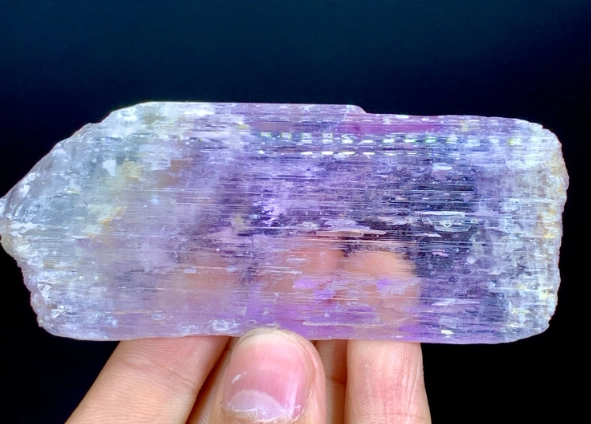
It's also strongly linked to the crown chakra (connection to spirit/higher self) and the third eye chakra (intuition). The idea is that it helps bridge the gap between feeling (heart) and knowing (intuition/spirit). Some meditators use it to quiet mental chatter and access a more peaceful, receptive state. Whether you think this is a placebo effect or something more, the intention behind the practice is often centered on self-care and mindfulness, which I think has value in itself.
A Quick Look at Associated Beliefs
- Emotional Release: Believed to help gently uncover and release suppressed emotions, trauma, or grief.
- Stress & Anxiety: Often called a "stone of peace," used to soothe frayed nerves and promote relaxation.
- Unconditional Love: Said to encourage compassion for both oneself and others, fostering forgiveness.
- Spiritual Connection: Used in meditation to feel more connected to a sense of higher purpose or universal love.
You don't have to buy into all of this to appreciate the stone. But understanding these associations explains its cultural footprint.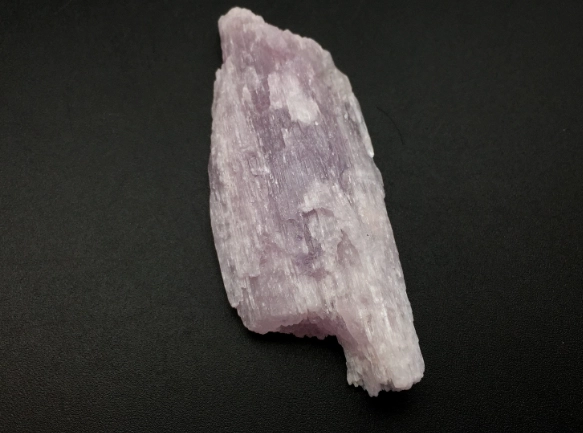
How to Use Your Kunzite Crystal: Practical Ideas
Okay, so you have a piece of kunzite. What now? How do you actually incorporate it into your life beyond just looking at it? Here are some of the most common, practical ways people use it. Pick and choose what resonates with you.
As Jewelry: Wearing a kunzite pendant keeps it close to your heart center, which is the classic placement. Rings are beautiful but risky due to knocks and bumps. Earrings or a protected pendant setting are safer bets. The benefit here is constant, subtle contact.
Meditation Aid: Hold a tumbled stone or point in your hand or place it over your heart while meditating. The focus is on setting an intention—like "I release fear" or "I am open to love." The stone becomes a tactile anchor for that thought.
Creating a Calm Space: Place a larger specimen or a beautiful, raw piece of kunzite crystal on your bedside table, desk, or meditation altar. Its mere presence can serve as a visual reminder to breathe and seek peace throughout the day. I have a cluster on my writing desk for exactly this reason.
In Grids: Advanced crystal users combine kunzite with other stones in geometric layouts (grids) for specific purposes. A common one is a heart-healing grid with kunzite, rose quartz, and rhodochrosite.
A Reality Check: No crystal is a magic fix. Using kunzite or any stone is best viewed as a complementary practice to other forms of self-care—like therapy, healthy boundaries, good sleep, and talking to friends. It's a tool for focus, not a replacement for professional help if you're struggling deeply.
The Non-Negotiable: Cleaning and Charging Your Kunzite
This is the most important practical section. Get this wrong, and you can damage your stone. The rules for kunzite are specific because of its sensitivity.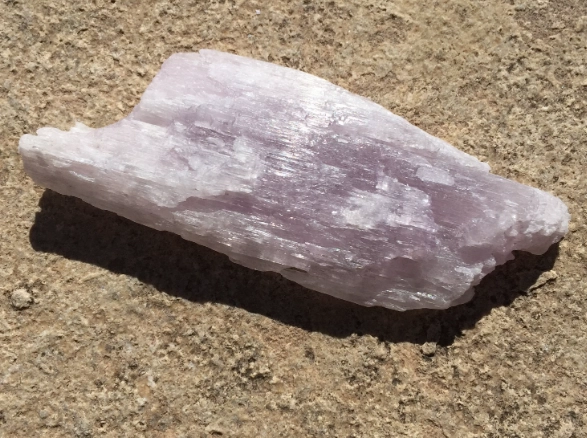
How to Clean Kunzite (The Safe Way)
Forget about salt, harsh chemicals, or ultrasonic cleaners. They're a no-go.
- Use Lukewarm Water: Briefly rinse your stone under plain, lukewarm running water. Think seconds, not minutes.
- Gentle Soap: If needed, use a tiny drop of mild dish soap on your fingers, gently rub the stone, and rinse immediately.
- Pat Dry: Use a soft, lint-free cloth to pat it dry immediately. Don't let water sit in crevices.
- Air Dry in Shade: Let it sit on the cloth in a shaded, well-ventilated spot to ensure it's completely dry before storing.
How to "Charge" or Re-energize Kunzite
"Charging" means resetting its energy in metaphysical terms. Physically, it's about clearing absorbed energies. Because of its sun-sensitivity, traditional sun charging is the worst method.
- Moonlight: The absolute best method. Place it on a windowsill or safe spot where it will get indirect or direct moonlight overnight, preferably during a full moon. The light is gentle and won't cause fading.
- Other Crystals: Place it on a large cluster of clear quartz or selenite for a few hours. These stones are believed to cleanse and charge others passively.
- Intention/Smoke: Briefly passing it through the smoke of sacred herbs like palo santo or sage (be mindful of allergies and fire safety), while focusing on your intent to clear it.
- Sound: Using a singing bowl, bell, or tuning fork near the stone is a safe, physical vibration method.
See a theme? Gentle, indirect methods. Treat your kunzite crystal like a precious, slightly delicate friend.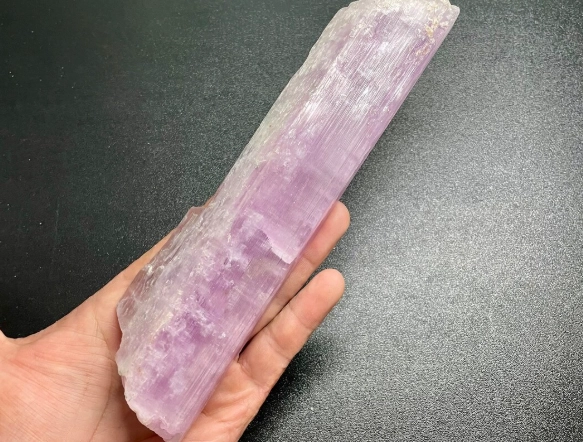
Buying Kunzite: A No-Nonsense Guide to Not Getting Ripped Off
The market is full of genuine stones, but also glass imitations and mislabeled gems. Here’s what to look for.
Color: Natural color ranges from very pale, almost transparent pink to stronger lilac-pinks and violet-pinks. Be wary of neon-bright pinks—they are often fake or heavily irradiated. The color should look soft and natural. Deeper colors are rarer and command higher prices, but a lovely pale kunzite can be just as powerful and is often more affordable.
Clarity: As mentioned, kunzite is often quite clean. If you see lots of bubbles, that's a red flag for glass. Some natural inclusions are fine, but they should look like crystalline patterns or tiny fractures, not perfect round bubbles.
The Pleochroism Test: Always ask the seller if you can see the stone from different angles under a light. If the color doesn't change at all, be suspicious. A real kunzite crystal will show some variation.
Heat Treatment: It's very common and generally accepted in the trade to heat pale or grayish spodumene to bring out a more desirable pink color. This is stable and permanent. Reputable sellers should disclose this. It doesn't make the stone "fake," but it's good to know what you're paying for. An unheated, naturally strong pink kunzite is a premium find.
Where to Buy:
- Reputable Crystal Shops: Both online and brick-and-mortar. Look for shops with detailed descriptions, good photos, and clear policies.
- Gem & Mineral Shows: Fantastic for seeing a variety of specimens in person and talking to knowledgeable dealers.
- Trusted Online Platforms: Etsy can be great, but vet the seller carefully. Look at reviews, return policies, and how they communicate.
Pro Tip: When buying online, a video is worth a thousand photos. Ask the seller for a short video of the kunzite crystal rotating under light. This shows you the true color, pleochroism, and clarity far better than a static, possibly filtered image.
Kunzite vs. Other Pink Stones: How to Tell the Difference
It's easy to get confused. Pink is a popular color in the gem world. Here’s a quick cheat sheet.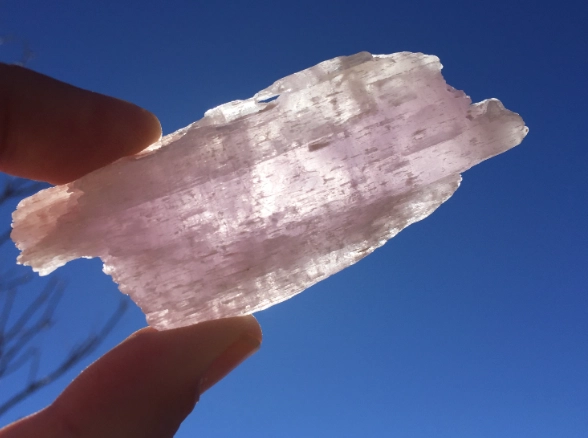
- Kunzite vs. Rose Quartz: Rose quartz is usually cloudier, more opaque, and has a milky, even pink color without pleochroism. It's also much more common and less expensive. Kunzite is more transparent and glassy.
- Kunzite vs. Pink Tourmaline (Rubellite): Tourmaline is harder (7-7.5) and usually has a richer, more saturated pink or red-pink color. It's also heavier for its size (higher specific gravity).
- Kunzite vs. Morganite: Morganite (pink beryl) is harder (7.5-8) and often has a peachy or salmon-pink hue. It's also typically more expensive than kunzite.
- Kunzite vs. Pink Sapphire: Sapphire is dramatically harder (9) and much more expensive. There's really no comparison in durability or price.
If you're ever in doubt, a visit to a certified gemologist is the surest way to get an answer. For general crystal collecting, learning the look and feel of kunzite comes with time.
Answering Your Burning Questions About Kunzite
I get asked these all the time. Let's tackle them head-on.
Is kunzite a rare crystal?
Not extremely rare, but fine gem-quality material is less common. It's more available now than it was 50 years ago due to new deposits, but a large, deeply colored, clean piece is still a special find. You won't find it in every tourist-trap crystal shop, but a dedicated seller will have it.
Can I wear kunzite every day?
You can, but you shouldn't for activities where it might get hit. A pendant worn under clothing is fairly safe. A ring worn while gardening, typing, or doing dishes is asking for trouble. For daily wear, think "protected" and "mindful."
What's the difference between kunzite and spodumene?
Spodumene is the mineral species. Kunzite is the pink-to-violet variety. There's also a green variety called hiddenite and a yellow variety called triphane. So all kunzite is spodumene, but not all spodumene is kunzite. The Gemological Institute of America's (GIA) Gem Encyclopedia has a great, scientific entry on spodumene that covers all its forms.
Does kunzite really fade?
Yes, 100%. This isn't a myth. Prolonged exposure to direct, strong sunlight will cause the color to fade, sometimes permanently. Store it in a box or pouch. It's fine in indoor lighting, but be cautious of sunny windowsills and wearing it for long days at the beach.
What chakra is kunzite for?
Primarily the Heart Chakra (Anahata). Secondarily, it's associated with the Crown (Sahasrara) and Third Eye (Ajna) chakras. The idea is that it connects emotional love with spiritual insight.
How can I tell if my kunzite is real?
The pleochroism test is your best at-home method. Also, check the temperature. Real crystal feels cool to the touch and takes a moment to warm up in your hand. Glass warms up quickly. If it's full of bubbles, it's glass. For absolute certainty, get it checked by a professional. The Mindat mineral database page for spodumene is an excellent resource for technical data and locality information that can help you understand what real specimens look like.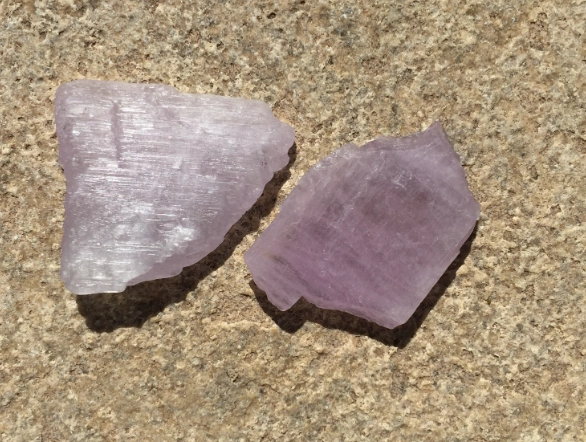
Final Thoughts: Is Kunzite Right for You?
Kunzite isn't a "beginner" stone in the sense that it requires some knowledge and care. It's not a throw-it-in-your-pocket-and-forget-about-it kind of crystal. But that's also part of its charm. Caring for it teaches mindfulness. Its delicate beauty reminds us that strength isn't always about hardness; sometimes it's about resilience and the capacity to channel light in a soft, transformative way.
If you're drawn to its energy—whether for emotional healing, spiritual exploration, or simply because you find it breathtaking—it can be a wonderful companion. Just go in with your eyes open. Buy from someone knowledgeable, learn how to care for it, and manage your expectations. It's a tool, a symbol, and a piece of the natural world, all in one.
And if you just think it's pretty? That's a perfectly good reason to have one, too. Sometimes beauty is its own kind of healing.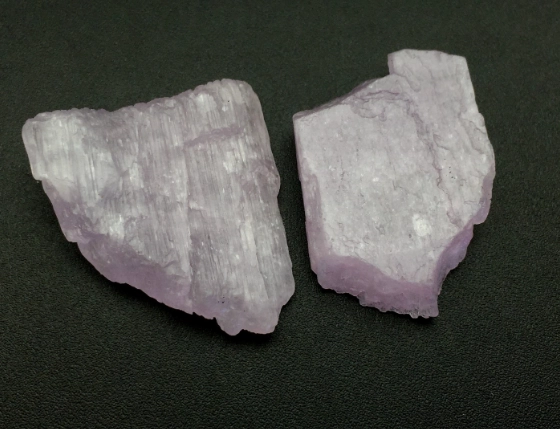
So, there you have it. Everything I wish I knew before I bought my first piece of kunzite crystal. I hope it helps you on your own journey with this remarkable stone.
Related Articles
Adamite Mineral Guide: Properties, Localities & Value for Collectors
Blue Chalcedony Benefits: A Complete Guide to Healing & Uses
Crazy Lace Agate Chakra Guide: Healing, Placement & FAQ
Orange Sapphire Meaning: Symbolism, Value & How to Buy Guide
Kunzite Crystal Guide: Meaning, Properties, and How to Use It