Quick Guide to Blue Jade
- What Exactly Is Blue Jade? It's Not Just One Thing.
- Why Is Some Blue Jade So Expensive? Let's Talk Value.
- The Murky World of Treatments and Fakes. How Not to Get Scammed.
- Buying Blue Jade: A Step-by-Step Mindset.
- Caring for Your Blue Jade (It's Not Delicate, But Be Smart)
- Answering Your Burning Questions
- Final Thoughts: Keeping It Real
I remember the first time I held a piece of real blue jade. It wasn't in some fancy museum, but at a local gem show, tucked away in a dealer's case. It was this cool, serene blue-grey color, not flashy like a sapphire, but it had a depth to it. The dealer called it "Olmec blue." I was hooked. But then I started looking online and in shops, and wow, the confusion began. Everything from dyed quartz to glass was being called "blue jade." The prices were all over the map. I figured if I was this confused, other people probably were too. So, let's clear the air. This isn't a dry textbook chapter; it's what I wish someone had told me before I bought my first piece.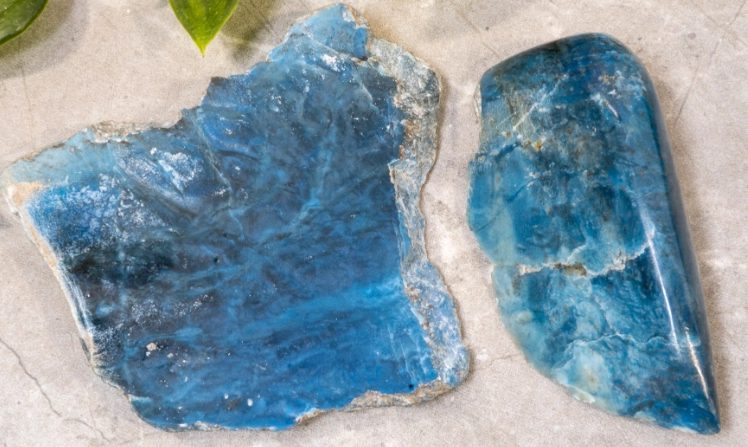
Quick Reality Check: True, naturally vibrant blue jadeite is one of the rarest forms of jade. Most of what you see in the mass market has been treated, altered, or isn't jade at all. Knowing this from the start saves a lot of heartache (and money).
What Exactly Is Blue Jade? It's Not Just One Thing.
This is where most articles get it wrong. They talk about "blue jade" like it's a single, specific gem. It's not. "Blue jade" is more of a color category that covers a few different minerals and a whole spectrum of hues. The two main players are jadeite and nephrite, but their "blue" looks totally different.
Jadeite is the rarer, more valuable of the two. When we dream of that intense, valuable blue jade, we're usually thinking of jadeite. Nephrite blues are softer, more subdued. Think of the difference between a bright cobalt glass and a misty morning sky.
The Real Deal: Types of Blue Jadeite
Let's break down the main types you might actually encounter. I've seen all of these, and some are more common than others.
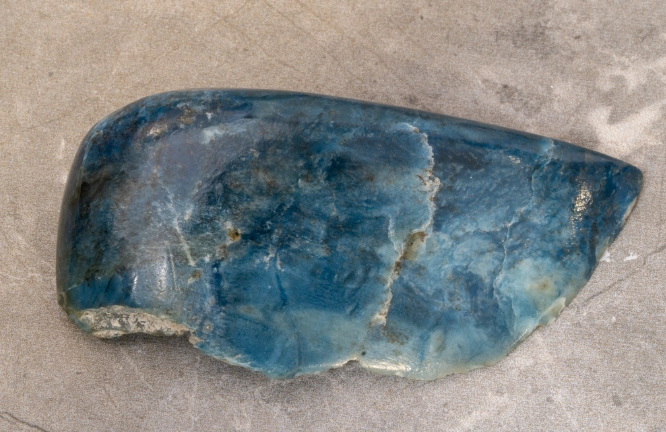
- "Olmec Blue" Jadeite: This is the classic. It's not a bright blue. It's a blue-grey, blue-green, or steely grey-blue color. The name comes from its association with artifacts from the Olmec civilization. The color comes from iron. It has a certain dignified, ancient look. This is what I personally find most authentic-looking.
- Lavender-Blue Jadeite: This one toes the line. It's primarily lavender or lilac, but with a definite blue undertone. Sometimes the blue is strong enough that it gets called blue jade. It gets its color from manganese. It can be incredibly beautiful, but it's softer in tone.
- True Blue Jadeite (The Ultra-Rare One): This is the holy grail—a pure, even blue without strong grey or lavender tones. It's exceptionally rare and commands astronomical prices. If you see a lot of it for sale cheaply, alarms should go off. The blue color in these rare stones is often linked to complex mineral inclusions and specific geological conditions.
The Other Blue: Nephrite
Nephrite is more common and often more affordable. Its blue is different.
- It's usually a greenish-blue, grey-blue, or a dark spinach-green that appears almost black-blue in certain light.
- It has a more fibrous, "greasy" luster compared to jadeite's glassier shine.
- Major sources include British Columbia (Canada), Wyoming (USA), and New Zealand. The Canadian nephrite can have beautiful deep green-blue hues.
So, which is better? That's like asking if a sports car is better than a reliable SUV. Jadeite is generally more prized and expensive, especially for jewelry. Nephrite is tougher (yes, technically tougher) and has a long history for carvings. I own and love pieces of both.
A Personal Gripe: The term "Canadian jade" is often used to imply it's all super valuable. Most Canadian jade is nephrite. Beautiful? Absolutely. But it's not the same as high-end Burmese jadeite. Don't let the origin name inflate the price unless it's verified as something special.
Why Is Some Blue Jade So Expensive? Let's Talk Value.
The price tag on a piece of blue jade can make your eyes water. Or sometimes, it can seem suspiciously low. What's going on? Value hinges on a few pillars, and color is just the starting point.
The Gemological Institute of America (GIA), a top authority in gemology, grades jadeite on three main factors, often called the "3 C's" for jade: Color, Clarity, and Craftsmanship. Texture is also huge. Here’s how I think about it when I’m evaluating a piece:
| Factor | What to Look For (The Ideal) | What Drags Value Down |
|---|---|---|
| Color | Vivid, even saturation. A pure, intense blue is top-tier. For Olmec blue, a rich, even blue-grey without muddy patches. | Dull, uneven, or greyish/brownish undertones that make the stone look "dirty." Color only on the surface. |
| Clarity & Texture | High translucency (you can see light pass through). A fine, smooth texture you can't feel with a fingernail. | Cloudiness, visible cracks, or a coarse, granular texture. Black or brown inclusions that break up the color. |
| Craftsmanship (Cut & Polish) | A smooth, brilliant polish that maximizes the stone's color and light. Symmetrical cabochons or intricate, clean carvings. | A poor polish that looks waxy or dull. Bad proportions. Carvings where the details are mushy. |
| Treatment | None. Completely natural, Type A jade. | Dyeing (Type C), polymer infusion (B+C), or acid washing. These are deal-breakers for investment value. |
See that last row? Treatment is the biggest value killer. A stunning, naturally blue jadeite bracelet can sell for tens or even hundreds of thousands. The same looking bracelet, if it's dyed, might be worth a few hundred. The difference is invisible to the untrained eye, but it's everything.
For reliable, in-depth information on jade treatments and identification, the GIA's Jade Guide is an indispensable resource I always check. It's technical but clear.
The Murky World of Treatments and Fakes. How Not to Get Scammed.
Okay, this is the most important part. The market is flooded with treated material. It's not always a "scam" if disclosed, but it's often not disclosed. Here’s what’s out there.
Common Treatments (From Bad to Worse)
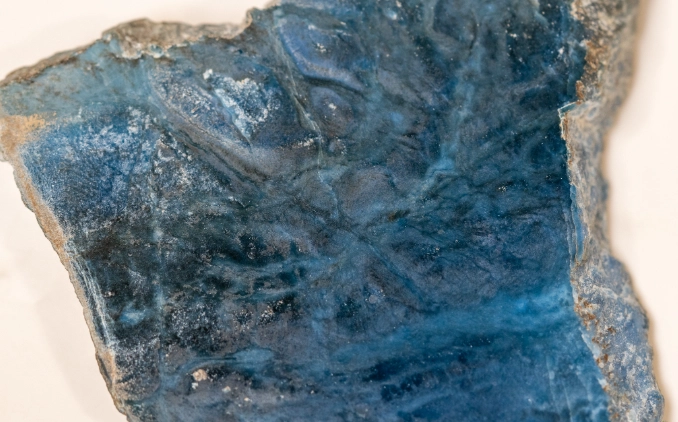
- Bleaching and Polymer Impregnation (Type B, or often B+C): They soak pale or blemished jade in acid to bleach it, then pump it full of clear polymer (plastic) or colored dye to improve color and clarity. This is extremely common. The stone often feels slightly plastic-y or waxy, and if you look super closely under magnification, you might see dye concentrated in cracks. The U.S. Federal Trade Commission requires disclosure of such treatments, but enforcement is tricky.
- Dyeing Alone (Type C): Just adding color to pale jade. The dye tends to fade over time with sun exposure. You can sometimes see it pooling in surface fractures.
- Surface Coating: A thin layer of colored lacquer or wax on the surface. It can wear off. I once saw a pendant where the blue rubbed off on a cloth!
Outright Fakes (It's Not Even Jade!)
- Dyed Quartz or Marble: Feels colder and has a different crystal structure. A simple scratch test (jade is very hard) can sometimes reveal this, but don't go scratching a piece you don't own!
- Glass or Resin: Often has bubbles inside, feels too light or too warm to the touch. Glass is also much more brittle.
- Other Minerals: Things like serpentine or prehnite are sometimes mislabeled as jade. They're nice stones but not jade.
My At-Home Suspicion Test: Hold the piece. Real, untreated jade feels dense and cool, and it takes a while to warm up from your body heat. Many fakes or treated pieces feel lighter or warmer quicker. Also, tap two genuine jade bangles together—they make a lovely, clear, resonant *clink*. Fakes sound dull and plasticky. Try it in a reputable store first to learn the sound.
For geological context on where real jade forms, the U.S. Geological Survey website has fascinating publications on mineral deposits, including nephrite occurrences in the U.S., which adds a layer of verifiable fact to the discussion.
Buying Blue Jade: A Step-by-Step Mindset.
Don't just jump in. Shift your mindset from "shopper" to "informed browser" first.
First, ask yourself: What's my goal? Is it a piece of wearable art you love? A potential investment? A spiritual or cultural item? Your goal dictates your budget and what compromises you can make. For investment, only natural, untreated (Type A) material from a verifiable source matters. For a beautiful ring to wear, a well-done Type B treatment that's disclosed might be fine if you love it and the price is fair.
Second, buy the seller, then the stone. Reputation is everything. Look for sellers who provide:
- Clear disclosure of treatments (Type A, B, B+C, C).
- A detailed certificate from a reputable lab like GIA, Gubelin, or AGTA. A generic "store certificate" is worthless.
- Good, un-edited photos and videos in natural light.
- A reasonable return policy.
Third, start small. Your first piece shouldn't be a five-figure investment. Buy a small, certified cabochon or a simple pendant. Get used to the look, feel, and weight. Build your confidence.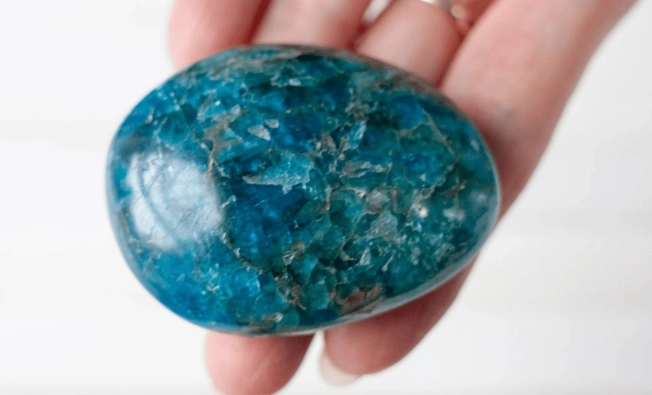
Caring for Your Blue Jade (It's Not Delicate, But Be Smart)
Good jade is tough, but it's not indestructible. Here’s my routine:
- Cleaning: Warm water, mild soap, and a soft brush. That's it. Never use ultrasonic cleaners (they can shatter treated stones) or steam cleaners (heat can damage polymers or dyes).
- Storage: Keep it separate from harder gems like diamonds, sapphires, or rubies that can scratch it. A soft pouch is perfect.
- Wear: It's fine for daily wear, but take it off for heavy lifting, gardening, or sports. A hard blow can still crack it.
- Sunlight & Chemicals: Keep treated (especially dyed) jade out of prolonged direct sunlight to prevent fading. Avoid harsh chemicals like bleach, acids, or perfumes directly on the stone.
Answering Your Burning Questions
Final Thoughts: Keeping It Real
The world of blue jade is fascinating, beautiful, and yes, a bit intimidating. The key is to lose the rush. Appreciate it first as a beautiful product of geology. Educate your eyes and your hands. Value transparency over a too-good-to-be-true deal.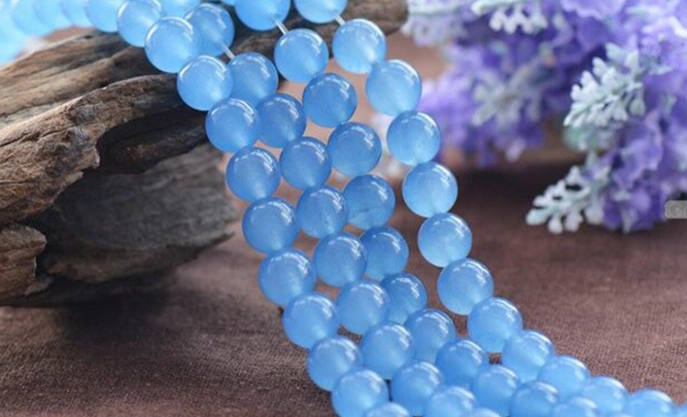
Start by visiting a reputable jeweler or museum collection (the Smithsonian has incredible pieces) just to look. Feel the weight, see the luster in person. That experience is your best foundation. Then, when you're ready to buy, you won't just be buying a blue stone—you'll be investing in a piece of the earth's art, with the confidence to know what you truly have.
And hey, if you find a perfect piece of that serene Olmec blue jade, you'll know. It just feels right.
Related Articles
Citrine Crystal Guide: Meaning, Benefits & How to Use It
Dalmatian Jasper: Meaning, Uses & How to Spot Fakes
The Deep Significance of Wearing Opal: Meaning, Myths & Modern Style
Lapis Lazuli Spiritual Meaning: Ancient Wisdom for Modern Life