That bright, piercing, almost lemon-peel scent you get from a bottle of lemongrass essential oil isn't just for making your home smell like a spa. It's the smell of a powerful plant compound called citral going to work. Most people know lemongrass oil is "good for you," but they slap it in a diffuser and call it a day, missing out on its most practical and potent applications—and sometimes stepping into safety pitfalls beginners aren't warned about. I've used this oil for over a decade, from formulating natural cleaners to managing sore muscles after long hikes, and I've seen the same mistakes repeated. Let's cut through the vague wellness talk and get into what lemongrass oil properties actually do, how to use them effectively in your daily life, and the non-negotiable safety rules that keep it beneficial.
What's Inside This Guide
What Are the Key Properties of Lemongrass Oil?
When we talk about lemongrass essential oil properties, we're really talking about the jobs its chemical profile is wired to do. Steam-distilled from the grassy leaves of the Cymbopogon citratus plant, this oil is dominated by aldehydes, primarily citral (a mix of geranial and neral). This gives it a unique set of characteristics that are more "tool-like" than many other oils.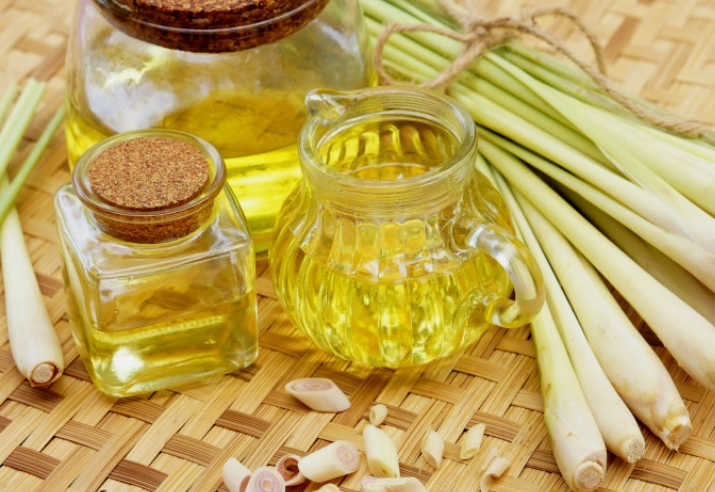
Think of it less like a gentle lavender and more like a sharp, precise utility knife.
| Primary Property | What It Means in Plain English | Key Chemical Players |
|---|---|---|
| Antimicrobial & Antifungal | It can help inhibit the growth of certain bacteria, molds, and yeasts. This isn't a substitute for medical disinfectants, but it's a powerhouse for natural cleaning. | Citral, Myrcene |
| Anti-inflammatory & Analgesic | It can help calm irritation and reduce sensations of pain when applied topically (and properly diluted!). Great for aching muscles and joints. | Citral, Limonene |
| Insect Repellent | Mosquitoes and some other bugs really don't like its strong scent. It's a classic in natural bug spray formulas. | Citral, Geraniol |
| Deodorizing & Purifying | That crisp scent doesn't just mask odors; it can help neutralize them. It cuts through cooking smells, pet odors, and stale air effectively. | The entire volatile compound profile |
| Potential Mood Enhancer | In aromatherapy, its bright, clarifying scent is often used to combat mental fatigue, low mood, and lack of focus. | Citral (via olfactory impact) |
Here's the nuance most blogs skip: the antimicrobial strength is also why skin sensitivity is high. Something powerful enough to disrupt microbial cell walls demands respect on your own skin. A 1% dilution (about 6 drops per ounce of carrier oil) is my standard starting point for topical use, not the 2-3% you might use with lavender.
How to Use Lemongrass Oil: A Practical Guide
Knowing the properties is one thing. Applying them is where the magic happens. Let's move beyond "put it in your diffuser" to specific, actionable recipes and routines.
1. The Ultimate Natural All-Purpose Cleaner
This is where lemongrass oil shines brightest for me. Its antimicrobial and deodorizing properties make it perfect for kitchens and bathrooms. I haven't bought a commercial surface spray in years.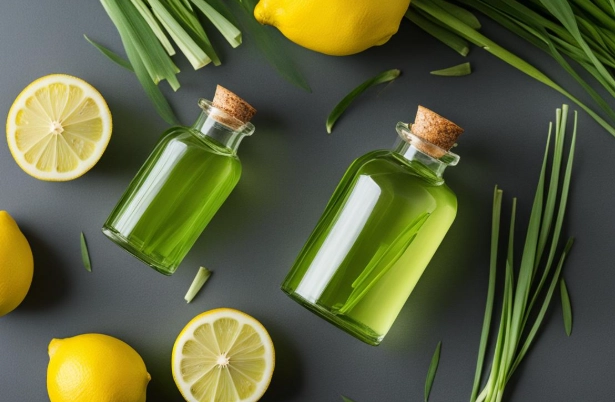
My Go-To Recipe:
In a 16oz glass spray bottle, combine:
- 1 ½ cups distilled water
- ½ cup white vinegar
- 20 drops lemongrass essential oil
- 10 drops tea tree oil (for extra antifungal punch)
- 1 teaspoon castile soap (helps cut grease)
Cap, shake well before each use. Wipe surfaces clean. The vinegar smell dissipates quickly, leaving a fresh, clean scent. Avoid on natural stone like granite or marble due to the vinegar.
2. Soothing Aching Muscles and Joints
After a long day gardening or an intense workout, I reach for my lemongrass massage blend. Its anti-inflammatory and analgesic properties provide a warming, penetrating sensation that eases stiffness.
Pro-Tip from a Massage Therapist Friend: Combine lemongrass with peppermint and a carrier oil like jojoba for a "cooling heat" effect. The peppermint brings an immediate cooling sensation, while the lemongrass provides deeper, warming relief. It's a more complex sensory experience than using lemongrass alone.
Simple Recovery Roller Blend:
Add to a 10ml roller bottle:
- 5 drops Lemongrass oil
- 3 drops Peppermint oil
- 2 drops Lavender oil (for added calming)
- Fill the rest with Fractionated Coconut Oil
Roll onto sore shoulders, lower back, or knees. Avoid sensitive areas and always wash your hands after application.
3. Creating an Insect-Unfriendly Zone
For patio evenings, I make a simple bug repellent spray. It needs reapplication every hour or so (it's not DEET), but it works well for low-bug-pressure areas.
Patio Bug Spray:
In a 4oz spray bottle:
- 2 tablespoons witch hazel or vodka (as an emulsifier)
- 30 drops lemongrass oil
- 15 drops citronella or eucalyptus oil (optional, for a broader repellent effect)
- Top up with water.
Shake vigorously and spray on clothing (do a fabric test first), patio furniture, and around entryways. Do not spray directly on skin without proper dilution knowledge.
Lemongrass Oil Safety: What No One Tells Beginners
This is the most critical section. Lemongrass is a "hot" oil, and its high citral content makes it a potential skin irritant. The biggest mistake I see? People adding a few drops directly to their bathwater or applying a neat drop to a pimple. Don't do that.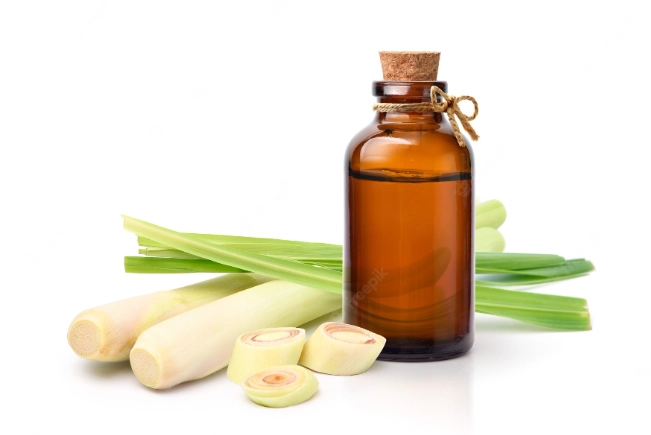
Non-Negotiable Rules:
1. Dilute, Always. For general body use, a 1% dilution is safe for most adults. That's about 5-6 drops per ounce (30ml) of carrier oil (like almond, jojoba, or coconut). For facial use, go down to 0.5% (2-3 drops per ounce).
2. Patch Test. Before using any new blend, apply a dime-sized amount to your inner forearm. Wait 24 hours. Redness, itching, or burning means you should avoid it or dilute it further.
3. Not for Internal Use. Unless under the direct guidance of a qualified healthcare professional trained in aromatic medicine, do not ingest lemongrass essential oil. The essential oil is not the same as brewing lemongrass tea from the herb.
4. Pregnancy & Children. It's generally advised to avoid using lemongrass oil during pregnancy. For children, extreme caution and much higher dilution (often avoidance under age 6) are recommended. Consult a professional.
5. Phototoxicity. Unlike some citrus oils, lemongrass is not considered phototoxic, so sun exposure after use is less of a concern.
Choosing a Quality Lemongrass Oil
Not all bottles are created equal. A poor-quality oil won't deliver the expected properties and may even contain synthetic additives that increase skin risk.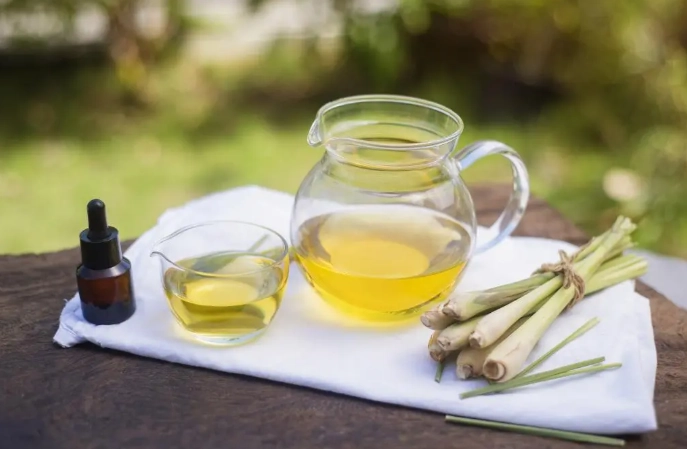
Here's what I look for:
- Latin Name: The bottle should say Cymbopogon citratus or Cymbopogon flexuosus. They are similar but have slight compositional differences.
- 100% Pure: It should state "100% Pure Essential Oil," not "Fragrance Oil" or "Perfume Oil."
- Dark Glass Bottle: Essential oils degrade in plastic or clear glass. An amber or cobalt blue bottle is standard.
- GC/MS Report: Reputable companies provide a Gas Chromatography/Mass Spectrometry report, which is like a chemical fingerprint of the oil, proving its purity and composition. You can often find these on the brand's website.
- Price Point: If it's suspiciously cheap (like $5 for a large bottle), it's likely adulterated. Lemongrass is moderately priced, not the cheapest, not the most expensive.
I've had consistent results with brands that specialize in aromatherapy and supply these reports. It's worth the extra few dollars.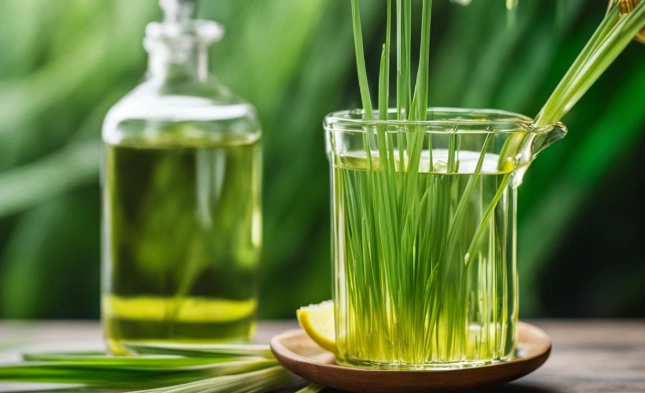
Your Lemongrass Oil Questions, Answered
Can I use lemongrass oil directly on my skin to treat acne?
This is a common but risky idea. While its antimicrobial properties might seem perfect for acne, applying it undiluted ("neat") can cause severe irritation, redness, and even chemical burns, making the problem worse. Always dilute it. A safer approach is adding 1-2 drops to a tablespoon of aloe vera gel or a non-comedogenic carrier oil like hazelnut oil, applying a tiny amount to the spot, and monitoring your skin's reaction.
How does lemongrass oil compare to citronella for repelling mosquitoes?
They're cousins, both from the Cymbopogon family, and share similar compounds. Citronella (Cymbopogon nardus) is more famous for insect repellency, but research, including a study highlighted by the National Center for Complementary and Integrative Health (NCCIH), shows lemongrass oil can be equally effective. In practice, I find a blend of both works best and smells more complex than either alone.
Is it safe to diffuse lemongrass oil around my pets?
You need to be cautious, especially with cats. Cats lack certain liver enzymes to metabolize many essential oils effectively. While diffusing in a large, well-ventilated room for short periods (30 minutes) is often considered lower risk by some experts, it's a debated topic. For dogs, it's generally considered safer with proper ventilation, but I always ensure my pets have a clear path to leave the room if they want. The Pet Poison Helpline and organizations like the ASPCA list many essential oils as potentially toxic to pets. When in doubt, skip the diffusion and use personal inhalers or room sprays in pet-free zones.
Why does my lemongrass oil smell slightly different from another brand I bought?
This is normal and points to authenticity. Factors like the country of origin (e.g., India vs. Guatemala), soil conditions, harvest time, and distillation precision create subtle variations in the chemical profile, called chemotypes. A slight difference is okay. A drastic difference—like one smelling like pure lemon candy and the other like musty grass—might indicate an issue with one of the bottles.
Can I use lemongrass oil to help with focus while working?
Absolutely, this is one of my favorite uses. Its sharp, clarifying aroma can help cut through mental fog. I don't just diffuse it aimlessly. I use a personal inhaler stick or put a drop on a tissue near my workstation. The direct, controlled inhalation seems more effective for focus than having it diffuse throughout the entire space. It acts as an olfactory cue to my brain that it's time to concentrate.
Related Articles
Larimar Stone: The Complete Guide to the Caribbean Gem of Serenity

Orange Sapphire Meaning: Symbolism, Value & How to Buy Guide
Blue Crystals Guide: Meanings, Uses & How to Choose the Right One
Unlocking Jasper Stone Meaning: Healing, Colors & Uses

Samsung Semiconductor, continue to fight to the death!