I bought my first piece of turquoise in a dusty shop near Santa Fe, drawn in by that impossible blue-green hue. The seller, an older Navajo gentleman, didn't just hand it over. He told me it was a "sky stone," a piece of the heavens that fell to earth for protection. That moment stuck with me. Most articles on turquoise stone meaning just list a few generic properties—protection, communication—and call it a day. But after years of collecting, studying, and yes, making a few costly mistakes, I've learned its meaning is woven from geology, history, and a very practical kind of magic. It's not just a pretty crystal; it's a record keeper, a communicator, and a surprisingly delicate companion that demands you know its secrets.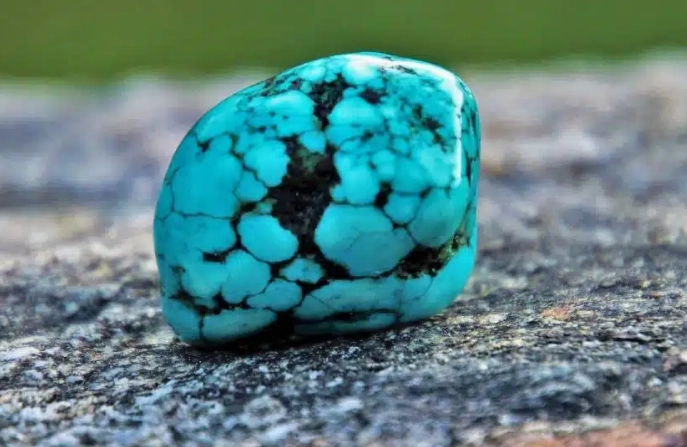
Quick Guide to This Article
- What Does Turquoise Stone Mean? The Core Symbolism
- From the Earth's Crust to Royal Treasures: A Quick History & Geology
- Turquoise Healing Properties: A Practical Breakdown
- How to Use Turquoise in Daily Life (Beyond Just Wearing It)
- The Buyer's Guide: Spotting Fake Turquoise & Caring for the Real Deal
- Your Turquoise Questions, Answered
What Does Turquoise Stone Mean? The Core Symbolism
At its heart, the meaning of turquoise revolves around three interconnected ideas: protection, honest communication, and wisdom. It's not a passive stone. Think of it as an active ally.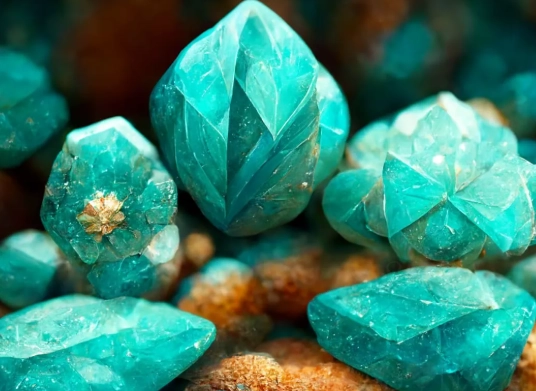
Protection is its oldest known meaning. Ancient warriors from Persia to the Americas embedded it in their shields and sword hilts, believing it could literally deflect physical harm. Today, that translates to a shield against negative energy, environmental pollutants (a big one in crystal circles), and even that draining feeling after a tough conversation.
Communication is where turquoise gets interesting. It doesn't just help you speak clearly; it promotes truthfulness in dialogue, both with others and with yourself. It's the stone you reach for when you need to have a difficult talk or when you're struggling to articulate a complex idea. Many writers and speakers keep a piece on their desk.
The wisdom aspect is often overlooked. Turquoise is formed by water interacting with copper and aluminum-rich rocks over millennia. This process symbolizes the wisdom gained through experience and the merging of sky (blue) and earth (green). It's said to help you see the bigger picture, learn from the past, and make balanced decisions.
A Non-Consensus Point: Many guides claim turquoise is a "master healer." I find that misleading. It's more of a "master communicator for your energy systems." It doesn't directly "fix" things so much as it helps identify blockages and facilitates the flow needed for your body or mind to heal itself. It's a facilitator, not a miracle worker.
From the Earth's Crust to Royal Treasures: A Quick History & Geology
To really get turquoise stone meaning, you need to know where it comes from. It's a hydrated phosphate of copper and aluminum. In plain English? It needs specific, arid conditions to form—think the American Southwest, Persia (modern Iran), the Sinai Peninsula, and parts of China.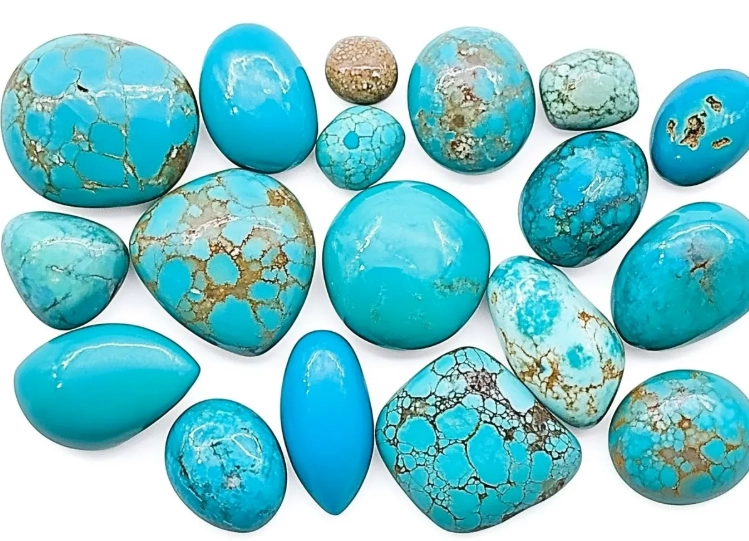
The color range—from robin's egg blue to deep green—depends on the levels of copper (blue) and iron (green). The iconic spiderweb matrix isn't a flaw; it's the host rock, usually iron oxide, that adds character and is highly prized in Native American jewelry.
Historically, its value was immense. The Egyptians used it in the burial masks of pharaohs like Tutankhamun. Persian turquoise, renowned for its pure, sky-blue color, adorned turbans and palace domes as a symbol of heaven. For many Native American tribes, particularly the Navajo, Zuni, and Pueblo peoples, it's a sacred stone representing life, water, and protection, central to their art and spirituality for over a thousand years.
This history isn't just trivia. When you hold a piece of turquoise, you're connecting to one of humanity's oldest and most cross-cultural gemstone relationships. That weight of history adds a layer to its meaning that a newly synthesized crystal simply can't replicate.
Turquoise Healing Properties: A Practical Breakdown
Let's get specific about what people mean by turquoise healing properties. I'm skeptical of vague claims, so here’s a grounded look based on traditional use and modern crystal practice.
| Aspect | Purported Benefits & How It's Used | A Realistic Take |
|---|---|---|
| Emotional | Calms frayed nerves, eases anxiety, promotes self-forgiveness. Often used during meditation or held during stressful moments. | Its calming effect is one of its most commonly reported traits. The color psychology of blue-green alone is soothing. It can act as a tangible focal point to break anxiety spirals. |
| Communication | Strengthens throat chakra, aids public speaking, fosters honest dialogue. Worn as a pendant or placed on the throat during rest. | This is its forte. Whether it's a placebo or not, having a "communication talisman" can significantly boost confidence for many people. |
| Physical | Believed to support the immune system, reduce inflammation, aid in detoxification. Often placed on the affected area or worn. | Critical: This is complementary support only. Never substitute turquoise or any crystal for professional medical advice. Its purported physical benefits are best viewed as supporting overall wellness. |
| Spiritual & Protection | Acts as an energy shield, grounds spiritual energy, enhances intuition. Placed at home entrances or carried as a pocket stone. | As a protection stone, it's more about filtering than building a wall. Think of it as helping you discern what energy to let in, rather than creating an impenetrable bubble. |
The biggest mistake I see? People buy a tiny chip of turquoise, wear it once, and say "it didn't work." The properties are subtle and build with consistent interaction. It's a relationship.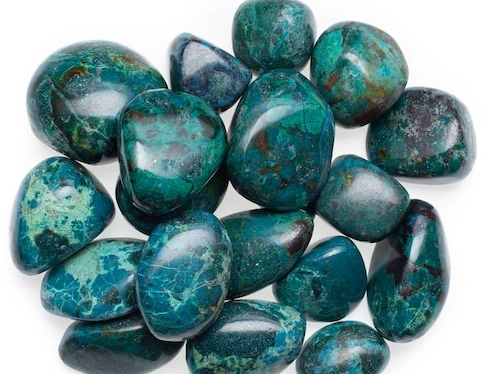
How to Use Turquoise in Daily Life (Beyond Just Wearing It)
Okay, you understand the turquoise meaning. Now, how do you actually work with it? Jewelry is the obvious answer—a pendant keeps its communicative energy near your throat, a ring is a constant reminder. But let's go deeper with three actionable scenarios.
Scenario 1: The Home Office Focus & Communication Setup
You have back-to-back Zoom calls and need to be clear and confident.
- On the desk: Place a small raw or polished stone to the left of your computer (the receiving side).
- For calls: Hold a tumbled stone in your non-dominant hand. It gives your nervous energy a place to go.
- Post-call reset: Place the stone on your sternum for two minutes to clear any residual tension from the conversation.
Scenario 2: The Travel Protection Ritual
Travel can be energetically draining. Turquoise has been a traveler's talisman for centuries.
- Put a small stone in your car's cup holder or glove compartment.
- Before a flight, hold your travel turquoise and set a simple intention: "For safe passage and calm." Keep it in your carry-on.
- In a hotel room, place it on the nightstand. It creates a small, familiar energy field in an unfamiliar space.
Scenario 3: The Meditation & Self-Reflection Aid
Use turquoise to access its wisdom properties.
Sit quietly with the stone in your hand or place it over your heart or throat. Don't force anything. Just breathe. Ask a question you're struggling with. Often, the clarity doesn't come as a voice, but as a sudden, calm knowing or a remembered solution you'd overlooked. Journal immediately afterward.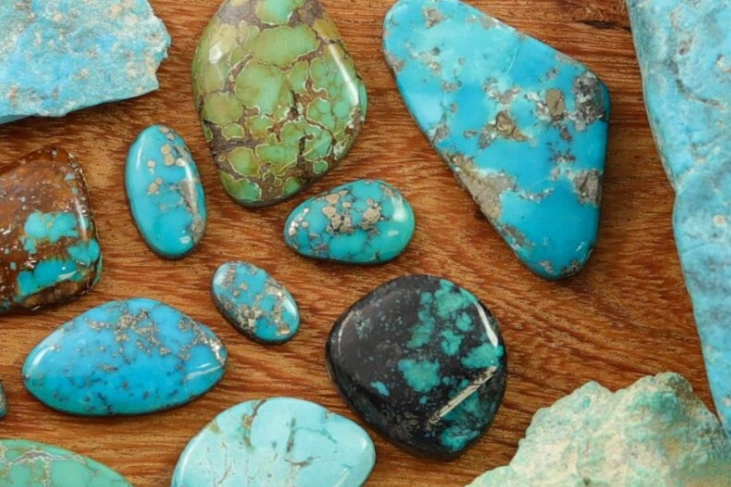
The Buyer's Guide: Spotting Fake Turquoise & Caring for the Real Deal
Here's where my hard-earned lessons come in. The market is flooded with fakes—dyed howlite, magnesite, even plastic. Buying fake turquoise isn't just a waste of money; it completely voids any connection to the stone's genuine meaning and energetic properties.
How to Spot a Fake:
- Too Perfect & Cheap: Natural turquoise with vibrant, even color and no matrix is extremely rare and expensive. A perfect, bright blue bracelet for $20 is a major red flag.
- The Hot Pin Test (Use Caution): Heat a pin and gently touch an inconspicuous spot. Real turquoise won't melt or smell like plastic. (Howlite will smell like burnt hair).
- Look at the Matrix: A fake matrix often looks painted on, with lines that are too uniform or sit on top of the stone. A real matrix is integrated, like a web within the stone.
- Ask for Origin: Reputable sellers can usually tell you if it's Sleeping Beauty (Arizona), Kingman (Arizona), or Chinese turquoise. Vague answers are suspicious.
Caring for Your Real Turquoise:
Turquoise is porous and relatively soft. It's sensitive to chemicals, heat, and prolonged sunlight.
- No showers, perfumes, or lotions. Put jewelry on last, take it off first.
- Clean with a soft, dry cloth only. Never ultrasonic or steam cleaners.
- Store separately to avoid scratches.
- It can change color over time (often darkening). This is called "maturing" and is considered part of its life, not a flaw.
Your Turquoise Questions, Answered
Related Articles
Azurite Crystal Properties: A Complete Guide to Meaning, Uses & Benefits

Cold thinking under the wafer factory boom!
Larimar Stone Meaning and Uses: The Ultimate Guide to the Atlantis Stone
Dalmatian Stone: A Complete Guide to Meaning, Uses & Buying Tips
Lapis Lazuli Metaphysical Properties: Truth, Wisdom & Healing
