Let's be honest. You see a gorgeous orange sapphire online or in a store, and the seller throws out a name like "Padparadscha" or "Sunset Sapphire." You nod, maybe you've heard the terms before. But deep down, you're wondering what the difference really is. Is it just marketing? Does the name actually tell you something about the stone's value or quality? Or is it a fancy word slapped on to justify a higher price tag?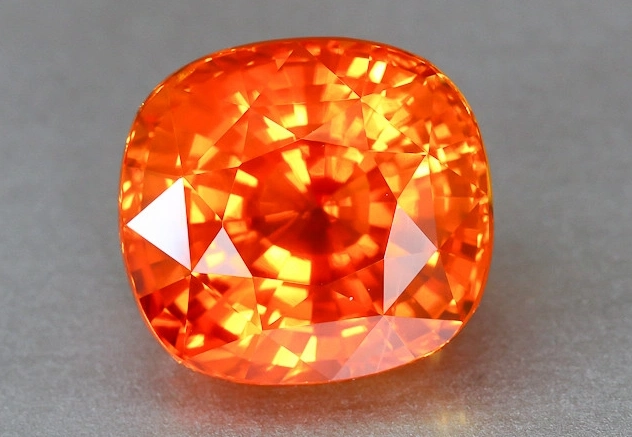
I've been there. I remember looking at two stones side-by-side years ago, both called orange sapphires, but one was labeled "Padparadscha" and cost three times as much. The color difference was subtle to my untrained eye. It felt confusing, and frankly, a bit intimidating. That experience sent me down a rabbit hole, talking to gemologists, reading lab reports, and just looking at a lot of stones.
What I learned is that the world of orange sapphire names isn't just random. There's a logic to it, but it's a logic muddied by history, geography, and yes, a fair bit of salesmanship. This guide is my attempt to clear that up for you. We're going to move past the jargon and look at what each name really means, where it comes from, and most importantly, what it should mean for you when you're choosing a stone.
Because knowing the name is the first step to understanding what you're really buying.
Your Quick Guide to Orange Sapphire Names
- The Big One: Decoding the Padparadscha Sapphire Name
- Beyond Padparadscha: The Other Orange Sapphire Names You'll Meet
- The Science Behind the Color: What Creates an Orange Sapphire?
- How to Choose: It's More Than Just the Orange Sapphire Name
- Common Questions (And Straight Answers) About Orange Sapphire Names
- Final Thoughts: Making the Name Work for You
The Big One: Decoding the Padparadscha Sapphire Name
If there's one orange sapphire name that causes the most debate, it's this one. Padparadscha (pronounced pad-pah-raj-ah). It sounds exotic, and it is. The word comes from the Sinhalese language of Sri Lanka and means "lotus blossom," specifically referring to the stunning color of a tropical sunset or the delicate hue of the lotus flower.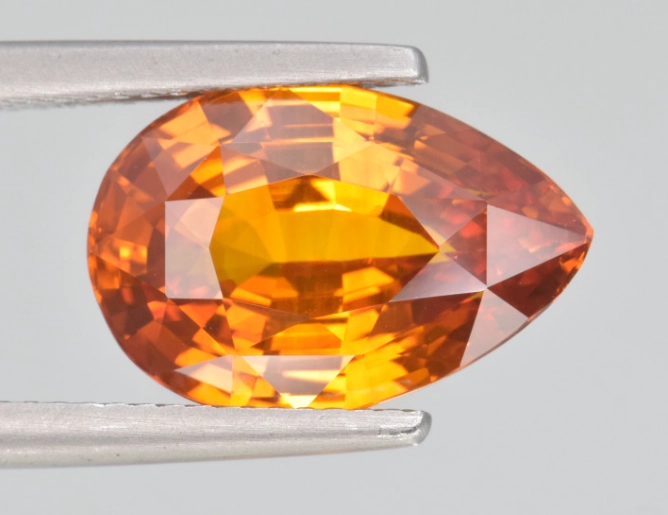
So what color is it, exactly? This is where opinions diverge. Traditionally, a true Padparadscha sapphire displays a delicate blend of pink and orange. It's not a vivid orange, nor a hot pink. It's a soft, pastel-like fusion of the two. Think of the sky just as the sun dips below the horizon—that elusive salmon or peach color.
But here's the catch. There is no single, universally agreed-upon scientific definition for the exact mix. Different gemological laboratories have slightly different criteria. The Gemological Institute of America (GIA), one of the most respected labs, describes it as a "light to medium tone, pinkish orange to orange-pink hue." They emphasize the balance and the low to moderate saturation (meaning it's not super intense).
Other labs, particularly in Asia, might accept slightly more saturated or darker tones under the Padparadscha name. This inconsistency is a huge source of confusion in the market. A stone called Padparadscha in one store might not qualify for that name at GIA.
My personal take? The magic of a true Padparadscha is in its subtlety. The finest ones have this almost ethereal glow. I've seen some stones labeled as Padparadscha that just looked like light orange sapphires to me—nice, but missing that special pink-orange alchemy. Don't just trust the name on the tag; trust your eyes and the lab report.
Why does this specific orange sapphire name command such a premium? Rarity is the main driver. Finding a corundum crystal that naturally develops this precise, balanced hue is incredibly uncommon. Most orange sapphires lean more towards pure orange or yellow-orange. The perfect blend is a geological accident of the highest order.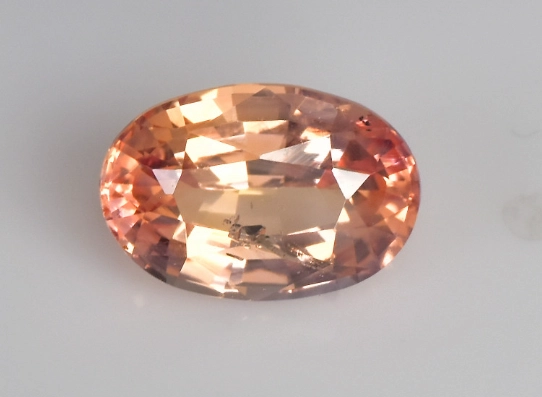
Origin Stories: Does Location Define the Name?
Historically, the finest Padparadscha sapphires came from Sri Lanka (Ceylon). The name and the standard are intrinsically linked to that origin. In many collectors' and experts' minds, a "true" Padparadscha is from Sri Lanka.
However, deposits have been found in other places like Madagascar, Tanzania, and Vietnam that produce sapphires with very similar colors. A gemological lab like GIA will assign the Padparadscha orange sapphire name based on color characteristics alone, not origin. But in the market, a Sri Lankan stone with a documented origin will almost always carry a higher price and more prestige than an identical-looking stone from a newer source.
It's a classic case of romance versus science. The science says the color is what matters. The market romance is tied to the history and lore of Sri Lankan gems.
Beyond Padparadscha: The Other Orange Sapphire Names You'll Meet
Not every orange sapphire is a Padparadscha, and thankfully, the trade has other names to describe the wonderful spectrum of orange. These names are generally less rigidly defined but are super useful for communication.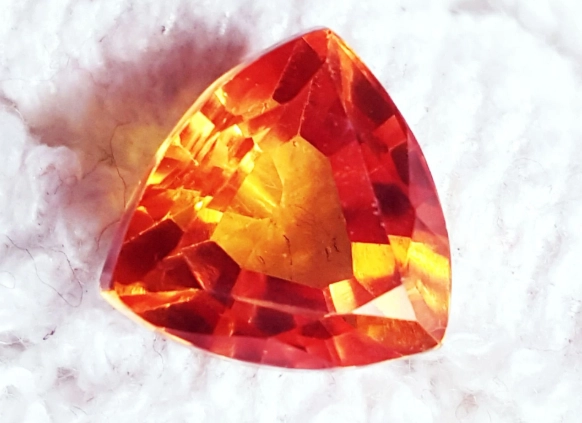
| Common Market Name | Typical Color Description | What It Usually Means | Price Context (vs. Padparadscha) |
|---|---|---|---|
| Sunset Sapphire | Vivid, warm orange, sometimes with reddish flashes. Resembles a bright sunset. | A pure, saturated orange with little to no pink modifier. Often from Madagascar or East Africa. | Generally lower. Prized for its bold, pure color. |
| Peach Sapphire | A lighter, softer orange with a noticeable pink or beige secondary hue. Paler than Padparadscha. | Focuses on the pastel, fruity quality. May not have the precise balance of a Padparadscha. | Lower to moderate. A popular choice for delicate, feminine jewelry. |
| Mandarin or Orange Sapphire | A straightforward, medium-to-strong pure orange. Can range from yellowish-orange to reddish-orange. | The "classic" orange sapphire. The name is often used interchangeably with just "orange sapphire." | Wide range based on saturation and clarity. Usually more affordable than Padparadscha. |
| Pumpkin Sapphire | A rich, earthy orange with golden or brownish undertones. | Describes a deeper, often slightly muted orange tone. Unique and autumnal. | Often niche, can be very affordable if not highly saturated. |
You see how this works? A Sunset Sapphire name immediately tells you to expect something fiery and bold, while a Peach Sapphire name suggests something gentle and soft. These names help bridge the gap between the technical color charts and what we actually see.
But a word of caution. These are not protected terms. Any seller can call any orange sapphire a "Sunset" sapphire. The table above reflects common, good-faith usage. Always, always ask for more specific descriptions and look at high-quality videos or images in multiple lights.
The Science Behind the Color: What Creates an Orange Sapphire?
To really understand why names vary, it helps to know what makes the color in the first place. Sapphires are made of corundum (aluminum oxide). Pure corundum is colorless. Those stunning colors come from trace elements trapped in the crystal structure as it forms deep in the earth.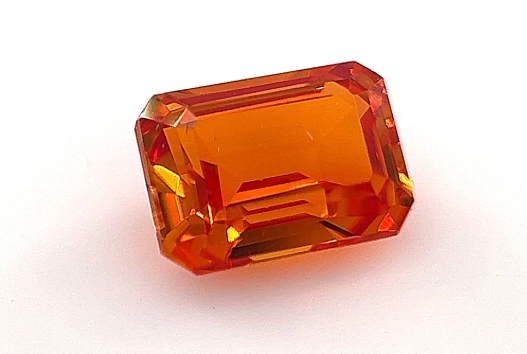
For blue sapphires, it's iron and titanium. For pink, it's chromium. For orange sapphire names to even exist, we need a specific cocktail:
- Iron (Fe): This is the primary driver for yellow and orange colors.
- Chromium (Cr): This is the primary driver for pink and red (ruby) colors.
An orange sapphire is born when both iron and chromium are present together.
The exact ratio and the presence of other elements (like gallium) determine the final hue. A little more chromium relative to iron pushes the color towards pink-orange (the realm of Padparadscha). More iron pushes it towards a pure yellow-orange. It's a beautiful, natural chemistry experiment. This is also why orange sapphires can show color zoning—patches or bands of different color intensity—because the chemical soup wasn't perfectly mixed during growth.
How to Choose: It's More Than Just the Orange Sapphire Name
Okay, so you're looking to buy. You see different names and different prices. How do you navigate it? Let's break down the decision beyond the label.
First, Know What You Love
This sounds obvious, but it's the most important step. Do you adore the delicate, unique hue of a Padparadscha? Or does your heart beat faster for a bold, fiery sunset orange? There's no right answer. A lower-priced vivid orange sapphire that makes you gasp is a better buy for you than a pricey Padparadscha that leaves you feeling "meh."
I made this mistake early on. I was so focused on getting a "Padparadscha" because of the prestige that I almost bought a stone whose color I didn't truly love. I stepped back, realized I was more drawn to the peachier tones, and found a gorgeous stone that was half the price and perfect for me.
Second, The Lab Report is Your Best Friend
If a seller uses a specific orange sapphire name like Padparadscha, ask if it comes with a report from a major gemological lab (GIA, AGL, Gübelin, SSEF). This report won't just confirm the color designation. It will tell you:
- Color Grade: The lab's objective assessment of the hue, tone, and saturation.
- Treatment Disclosure: This is CRITICAL. Many sapphires are heat-treated to improve color and clarity. This is a standard, accepted practice. But for a stone like Padparadscha, untreated stones are exponentially rarer and more valuable. The report will state if the stone is heated, unheated, or has other treatments like lattice diffusion. An unheated Padparadscha is a major collector's item.
- Origin (if determined): Some labs offer origin determination services, which can add to the stone's story and value.
Watch out for this: Be very wary of sellers who use the Padparadscha name but only provide an in-house "certificate" or a report from an unknown lab. For significant purchases, insist on a report from a reputable, independent laboratory. The International Colored Gemstone Association (ICA) provides great resources on understanding treatments and valuations.
Third, Consider the Setting and Metal
The metal you set your orange sapphire in dramatically changes its appearance.
- Yellow Gold: Warms up the stone, makes orange tones richer. Can sometimes mask the pink in a delicate Padparadscha, making it look more purely orange.
- Rose Gold: Enhances pink and peach tones. A fantastic choice for Padparadscha or Peach sapphires, as it amplifies the romantic hue.
- White Gold/Platinum: Provides a neutral frame. Makes the stone's true color stand out most clearly. A good choice if you want the most accurate color representation.
Ask the jeweler to show you the stone against different metal backdrops. It makes a huge difference.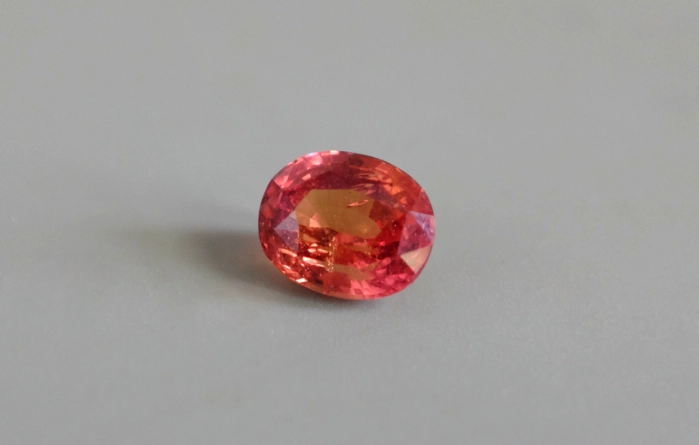
Common Questions (And Straight Answers) About Orange Sapphire Names
Final Thoughts: Making the Name Work for You
Navigating orange sapphire names is part of the journey. Don't let the terminology intimidate you. Use it as a starting point for conversation with a reputable seller.
A good seller won't just throw a fancy name at you. They'll explain why they're using it, show you the stone in different lights, and be transparent about treatments and origins. They'll encourage you to compare a Padparadscha with a Peach sapphire side-by-side so you can see the difference for yourself.
In the end, the perfect orange sapphire for you is the one whose color speaks to you, whose quality is verified, and whose story you connect with—whether that story is told through the legendary name of Padparadscha or the simple, beautiful descriptor of a Sunset sapphire. The name is a guidepost, not the destination. Your own eye and your own preference are the most important tools you have.
Now you're equipped to look beyond the label and find the orange sapphire that's truly yours.
Related Articles
Unlock the Power of Green Jasper: Benefits, Uses & Healing Guide
Selenite Crystal Uses: Healing, Energy Cleansing & More
Fire Agate: Meaning, Properties, and How to Use This Fiery Stone
Ocean Jasper Meaning: Healing Properties & Spiritual Symbolism

Tesla clarifies: It has nothing to do with Chinese chip companies