Your Mookaite Journey at a Glance
- So, What Exactly Is Mookaite? Let's Get Geological
- Beyond the Beauty: What's the Big Deal About Mookaite?
- How to Use Mookaite in Your Daily Life
- The Buyer's Guide: How to Spot Real vs. Fake Mookaite
- Wrapping It Up: Is Mookaite Right for You?
- Where in the World Does It Come From?
- Top Signs of Genuine Mookaite:
Let's be honest, the world of crystals and gemstones can feel overwhelming sometimes. You hear about a new stone, everyone's raving about it, and you're left wondering – is this just another trend, or is there something real here? That's exactly how I felt when I first stumbled upon Mookaite. The name sounded unusual, the pictures showed this wild mix of yellows, reds, and creams, and the claims around it were, well, let's just say ambitious. So I did what I always do – I dug deep. I talked to collectors, read geological surveys (yes, really), and even got my hands on a few pieces from different sellers. Some were stunning, one was a complete dud that I'm pretty sure was just dyed agate. That experience alone taught me a lot.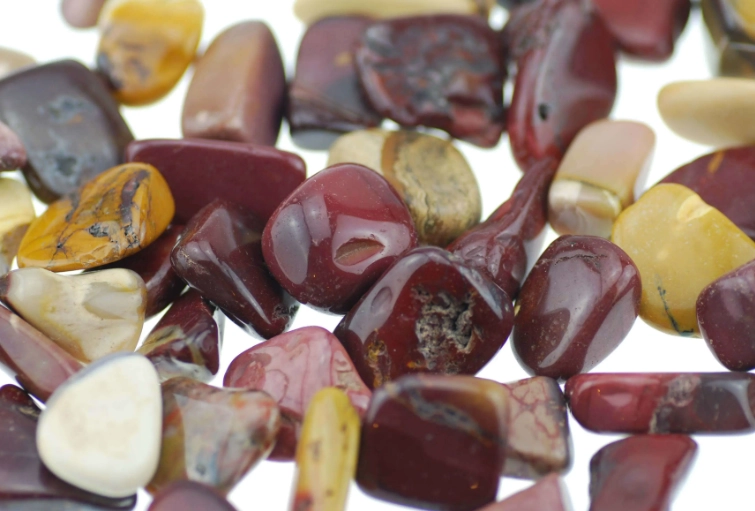
This guide is the result of that deep dive. It's not just a rehash of the same spiritual meanings you find everywhere. We're going to look at the rock itself – where it really comes from, what it's made of, how to tell if you're getting the real deal, and what you can realistically expect from it. Whether you're into crystals for their energy, a jewelry maker looking for a unique material, or just someone who appreciates beautiful things from the earth, understanding mookaite jasper is a fascinating journey.
Bottom line upfront: Mookaite is a genuine, visually striking chalcedony found only in one part of Western Australia. Its value lies in its unique origin, its stability for jewelry use, and the personal connection many feel to its earthy, grounding energy. But the market is full of imitations.
So, What Exactly Is Mookaite? Let's Get Geological
The first thing to clear up is the name. You'll see it spelled as Mookaite, Mookite, or Mook Jasper. "Mookaite" is generally accepted. It's named after Mooka Creek, the area in the Kennedy Ranges of Western Australia where it's found. Technically, it's a variety of chalcedony, which itself is a microcrystalline form of quartz. The "jasper" part of its common name, mookaite jasper, is a bit of a misnomer in strict geological terms, as true jasper is opaque, but in the gem trade, the name has stuck because of its similar appearance and formation process.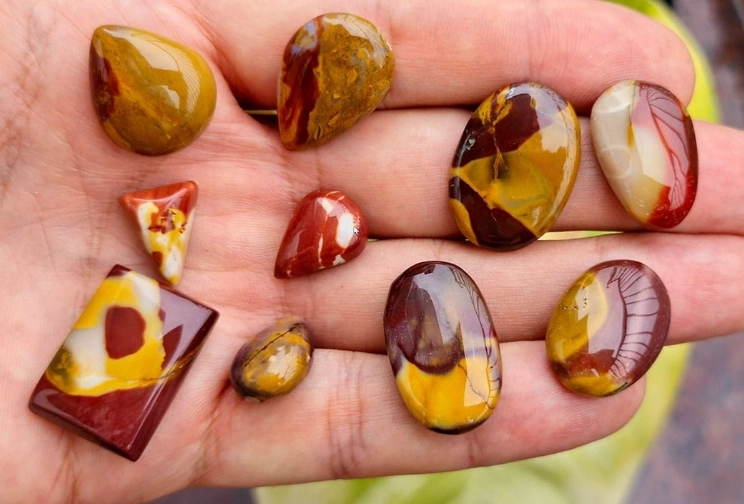
Think of it like this: it's a silica-based gemstone that formed from the skeletons of ancient sea creatures, specifically radiolarians, that settled on an ancient seafloor. Over millions of years, that sediment got compressed and the silica seeped in, crystallizing into the beautiful patterns we see. The colors – oh, the colors – come from traces of iron oxides (giving the reds and yellows) and other minerals present during its formation.
I remember holding my first good-quality piece. It wasn't glossy or flashy like an amethyst. It felt solid, earthy. The colors weren't painted on; they swirled from within, like a miniature Australian desert landscape captured in stone. That's the real appeal. It's a piece of ancient history.
Where in the World Does It Come From?
This is non-negotiable for authenticity. Genuine mookaite comes exclusively from the Mooka Creek area in Western Australia. If a seller can't or won't confirm that origin, be suspicious. The deposit isn't infinite, and mining is regulated, which contributes to its value and desirability. The Mindat.org mineral database, a trusted non-commercial resource, lists the location specifically, confirming its singular origin. You can check their entry for Mookaite to see the technical data and location maps.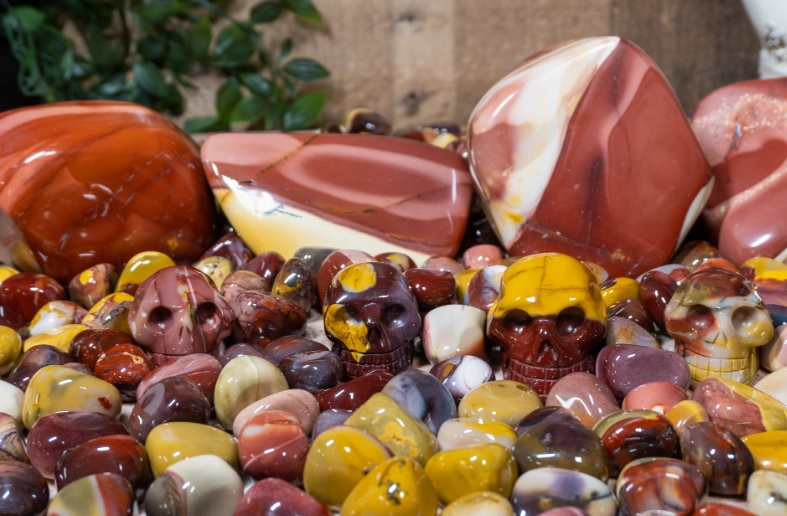
Any stone being sold as "mookaite" from India, Brazil, or China is almost certainly a different type of jasper or chalcedony that's been given a trendy name. Sometimes it's real jasper but from elsewhere; sometimes it's dyed. It might still be a nice stone, but it's not authentic mookaite. I learned this the hard way with that dud piece I mentioned – it was sold as "Australian mookaite," but the vendor's location was suspicious, and the color was just too uniform and garish.
Beyond the Beauty: What's the Big Deal About Mookaite?
People don't just collect mookaite for its looks. It carries a weight of meaning, both in modern crystal healing circles and in its connection to the land. It's important to approach this with a balanced view. I'm not here to make wild medical claims, but I can tell you what the common beliefs are and why they resonate with people.
Often called the "Stone of the Outback," mookaite is said to connect you to the ancient, stable energy of the earth, promoting stamina, inner strength, and a practical approach to life's challenges.
The meanings are deeply tied to its colors and origin. The red hues are associated with vitality, physical energy, and the life force. The yellow and cream shades connect to mental clarity, wisdom, and a sunny, optimistic outlook. Together, the stone is believed to be a fantastic balancer – helping to harmonize the intellectual with the physical, the dreamy with the practical.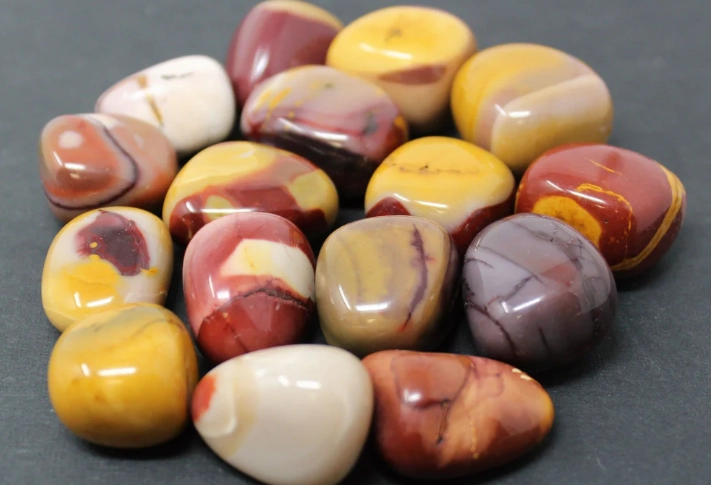
Many users report that it's a great support during times of change or decision-making. It doesn't promise to make decisions for you, but rather to steady your nerves and help you see your options clearly, without panic. It's considered a nurturing, motherly energy, which makes sense given its connection to the earth. For anyone feeling ungrounded, scattered, or overly anxious, holding a piece of mookaite can feel like a deep, calming breath.
A Quick Reference: Mookaite's Common Associations
| Attribute | Common Association | My Personal Take |
|---|---|---|
| Primary Energy | Grounding, Stabilizing, Nurturing | This one feels universal. It has a very "down-to-earth" vibe. |
| Linked To | Root & Solar Plexus Chakras | The reds connect to base survival (Root), the yellows to personal power (Solar Plexus). |
| Emotional Aid | Reduces anxiety, promotes courage in change, encourages adaptability. | I've found it useful when feeling indecisive. It doesn't give answers, but quiets the noise. |
| Physical Focus* | Often linked to vitality, the immune system, and general physical well-being. | *Remember, this is not medical advice. The belief is that its stabilizing energy supports overall health. |
| Best For | People in transition, students, anyone needing practical support and stamina. | It's a worker's stone, not a flashy showpiece. It's for getting things done. |
Look, the metaphysical side is deeply personal. Some people feel nothing, and that's perfectly fine. The stone is beautiful regardless. But for those who do connect with that aspect, mookaite offers a unique blend of gentle support and sturdy resilience.
How to Use Mookaite in Your Daily Life
Okay, so you're interested. What do you actually *do* with it? The good news is that mookaite is a very versatile and durable stone (it's a 7 on the Mohs hardness scale, same as quartz), making it perfect for everyday use.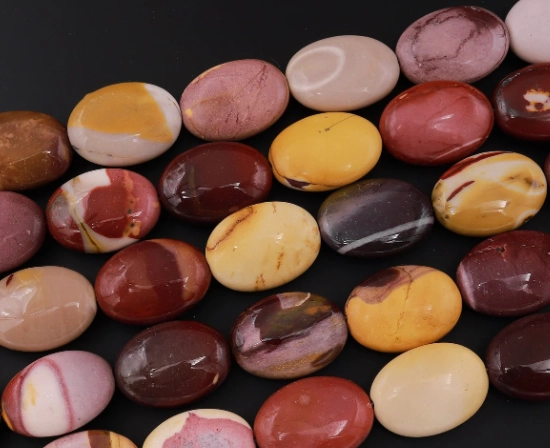
As Jewelry: This is the most popular way. Wearing it as a pendant keeps it close to your heart and solar plexus. Rings and bracelets allow you to see it throughout the day. Because it's not overly delicate, mookaite jewelry can handle daily wear pretty well. I have a simple tumbled stone pendant I wear when I have a big, messy workday ahead – it's my little touchstone.
In Your Space: Place a larger specimen on your desk if you work from home. It's said to help maintain focus and prevent you from getting lost in daydreams (or social media scrolls). A piece in the bedroom might promote a sense of safety and deep, restful sleep. Its warm colors also make it a beautiful natural decoration.
During Meditation: Hold a tumbled stone in your hand. Focus on its weight and temperature. If you're meditating on a specific problem, its energy is said to help you find practical, workable solutions rather than escapist fantasies.
A Note on Care: It's a tough cookie, but to clean it, just use warm water, mild soap, and a soft cloth. Avoid harsh chemicals and ultrasonic cleaners, just to be safe. To recharge it, many like to leave it in moonlight or on a bed of other grounding stones like hematite. Sunlight is okay for short periods, but prolonged direct sun *might* fade the very vibrant reds over years – so why risk it? Moonlight is gentler.
Watch Out For This: Be wary of any seller making extreme health claims about mookaite or any crystal. No stone can diagnose, treat, or cure illness. Reputable sellers will talk about supporting "well-being" or "energy," not making specific medical promises. That's a major red flag.
The Buyer's Guide: How to Spot Real vs. Fake Mookaite
This is the part that saves you money and disappointment. The market is flooded with look-alikes. Here’s a straightforward checklist based on my own hits and misses.
Top Signs of Genuine Mookaite:
- The Origin Story: The seller should state it comes from Western Australia. Reputable dealers are proud of this and will mention it.
- The Color Palette: Colors are earthy and often blended. Think mustard yellow, brick red, rusty brown, cream, and sometimes a soft mauve. They flow into each other organically, rarely in sharp lines. The reds are more terracotta than fire-engine red.
- The Pattern: It often has orb-like or botryoidal (bubble-like) patterns within, remnants of its sedimentary formation. You might also see dendritic patterns or fine banding.
- The Feel & Weight: It should feel solid and cool to the touch. It has a good weight for its size (dense). A polished surface will be vitreous (glassy) but not plasticky.
- Price Point: If it's dirt cheap for a large, vividly colored piece, be skeptical. Real mookaite isn't the most expensive gemstone, but its limited source means it's not bargain-bin material either.
Common Fakes & Imitations to Avoid:
- Dyed Agates or Other Jaspers: These are the most common. The dye is often an unnaturally bright red or purple. Soak a cotton swab in acetone (nail polish remover) and rub it firmly on an inconspicuous spot. If color comes off, it's dyed. Real mookaite's color is internal.
- "Royal Sahara Jasper" or "Desert Jasper": These are often from Africa and can look similar. They're beautiful stones in their own right, but they are not mookaite. The patterns are usually more concentric.
- Plastic or Resin: These feel light and warm. Tap it against your tooth – real stone feels and sounds hard; plastic feels and sounds dull. Also, plastic may have mold lines or air bubbles.
When in doubt, ask the seller specific questions. "Can you confirm this is from the Mooka Creek area in WA?" A good seller will know. A vague or defensive answer is your cue to walk away.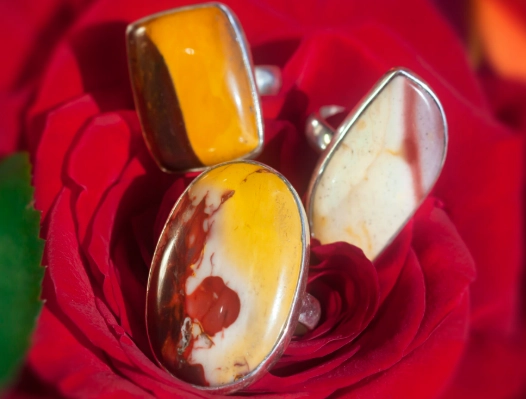
A trusted source is everything. I now only buy from a handful of dealers who specialize in Australian stones and provide clear provenance. It costs a little more, but the peace of mind is worth it.
Wrapping It Up: Is Mookaite Right for You?
Mookaite isn't the flashiest stone in the cabinet. It won't sparkle like a diamond or glow like a fluorite. What it offers is substance. It's a piece of the ancient Australian outback, a combination of earthy beauty and a reputation for providing steady, practical support.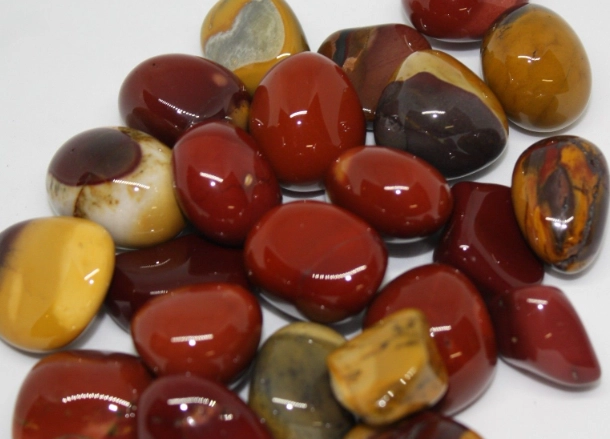
If you're looking for a stone that symbolizes resilience, helps you stay grounded in chaos, and reminds you of the strength and wisdom of the natural world, then mookaite jasper is absolutely worth exploring. Start with a small, genuine tumbled stone. Carry it in your pocket for a week. See how it makes you feel. Notice if your mind feels a bit clearer during stress, or if you just enjoy the feeling of its smooth, solid surface in your hand.
That's the real test. Not what any guide says, but your own experience with this unique gift from a remote creek in Western Australia. Just make sure you're getting the real thing. Do your homework on the seller, know the signs of authenticity, and you'll end up with a companion stone that could be with you for a very long time.
And if you're curious to see the scientific side, the Gemological Institute of America's (GIA) public website has a wealth of free educational resources on quartz and chalcedony, the mineral family to which mookaite belongs. It's fascinating to learn about the science behind the beauty.
Q: Is mookaite rare?
A: It's not exceedingly rare like some gemstones, but its source is single and finite. High-quality material with good color contrast is less common and more sought-after. You won't find it in every corner crystal shop, but it's available online from specialist dealers.
Q: Can mookaite go in water?
A> Yes, it's generally considered safe for water. It's a stable, non-porous silica stone. Making elixirs by putting the stone directly in drinking water is a debated practice in the community (some worry about trace minerals), so if you want a water infusion, the safe method is to place the stone in a glass outside a container of water (an indirect elixir). For cleaning, water is perfectly fine.
Q: What's the difference between mookaite and other jaspers?
A> The main differences are its specific origin and its unique color blend. Many jaspers are red, yellow, or brown, but mookaite's particular mix of mustard, terracotta, and cream in those sedimentary orb patterns is its signature. Geologically, its formation from radiolarian fossils is also a key identifier.
Q: How do I know what color mookaite is best for me?
A> Don't overthink it. Go with what you're drawn to. If you need more physical energy and vitality, you might lean toward a piece with more red. If you're seeking mental clarity and optimism, a yellower piece might call to you. Most pieces are a mix, which is ideal for the balancing properties. Let your intuition pick. The one that makes you pause and look twice is usually "your" stone.
Q: Is it good for beginners?
A> Absolutely. It's a gentle, uncomplicated stone. Its energy isn't overpowering or harsh. It's also durable, so you don't have to baby it. For someone new to crystals, a tumbled piece of mookaite is a fantastic, practical, and beautiful starting point.
Related Articles
Black Onyx Properties: A Complete Guide to Meaning, Benefits & Uses
Bloodstone Properties Guide: Healing, Uses & How to Spot Fakes
Selenite Crystal: Meaning, Uses & Healing Properties Explained
Which Zodiac Signs Should Avoid Citrine? (And Who Thrives!)
Rose Quartz Meaning: More Than Just a Pretty Pink Stone