What You'll Find Here
You typed that question into Google, didn't you? "What is an orange sapphire called?" It seems like a simple thing to ask. But the answer, well, it's a bit more interesting than you might think. And honestly, the gem world doesn't always make it easy with its fancy names and subtle distinctions. I remember the first time I saw a truly vivid orange sapphire at a gem show. I asked the dealer the same thing, and he just smiled and said, "That depends." Not super helpful at the time, but he was right.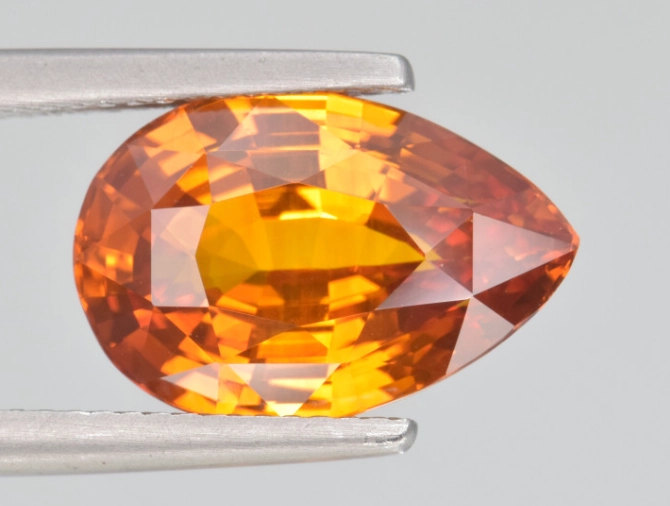
Here's the straight answer most people are looking for: a sapphire that is purely or predominantly orange is usually just called an orange sapphire. Simple enough. But then there's the superstar, the one with the name that's hard to spell and even harder to find: the Padparadscha (pronounced pad-pah-raj-ah). This isn't just any orange sapphire. It's a specific, breathtaking blend of pink and orange, like a sunset captured in stone. So when someone asks "what is an orange sapphire called," they might be asking about the everyday orange ones, or they might have heard a whisper about this rare Padparadscha thing and want to know if that's the answer.
This whole orange sapphire topic is a rabbit hole, but a beautiful one. Let's dig into the details, the debates, and what you really need to know if you're thinking about buying one.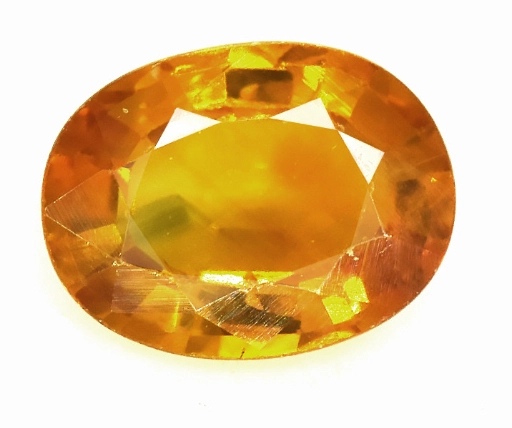
The Star of the Show: Understanding Padparadscha Sapphires
If orange sapphires have a royal family, Padparadscha is the crown jewel. It's not just a color; it's a legend in the gem trade. The problem? Nobody fully agrees on what exact color it is. Seriously. Ask three different gemologists, and you might get three slightly different descriptions. It's a bit frustrating for buyers, but it also adds to the mystery and allure.
The classic, most sought-after Padparadscha color is a delicate, balanced mix of pink and orange. Think of the flesh of a ripe apricot, the last glow of a tropical sunset, or, yes, the inside of a lotus flower. It's soft, luminous, and shouldn't lean too heavily into brown or too dark a tone. The color should be natural, which is a key point we'll get back to.
Why is Padparadscha So Special and So Expensive?
Rarity. Pure and simple. Finding a corundum (the mineral family for sapphires and rubies) that naturally develops this specific pink-orange cocktail is incredibly uncommon. Most come from Sri Lanka (Ceylon), with some found in Madagascar and Tanzania. The mines just don't produce many.
Then there's the certification headache. Because the color range is debated, getting a lab report that definitively says "Padparadscha" can be a challenge. Some labs, like the Gemological Institute of America (GIA), are famously strict. They might describe the color in detail ("light orangy pink") but avoid the trade name on the report unless they are utterly convinced it fits their exacting standard. Other labs might be more liberal. This inconsistency can make pricing all over the map.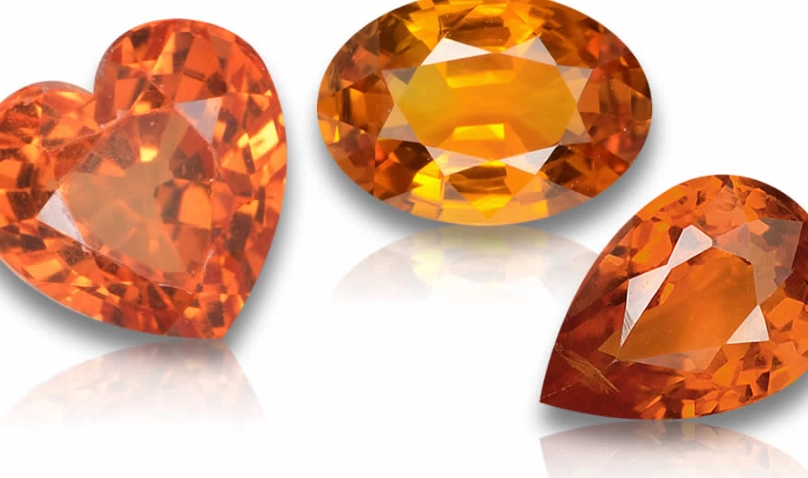
And that leads to the big issue: treatment. A huge percentage of sapphires on the market are heat-treated to improve their color and clarity. It's a standard, accepted practice for many gems. But with Padparadscha, heat treatment is a major controversy. Many purists (and I lean this way) believe that a true Padparadscha must be completely untreated to command its legendary status and price. Heat can induce or intensify the pink-orange color. A stone that started life as a pale or muddy orange might be baked into a Padparadscha look-alike. It might be beautiful, but is it the real deal? The market often treats it as a lesser category, and it should cost significantly less. Always, always ask about treatment and get a lab report from a reputable source like GIA or AGL.
Beyond Padparadscha: The World of Other Orange Sapphires
Okay, so not every orange sapphire is a Padparadscha. In fact, most aren't. These are the more accessible, often vibrant cousins. Their color can range from a light, peachy orange to a deep, fiery pumpkin or even a reddish-orange that almost borders on a ruby (but isn't quite red enough to be called one).
These stones get their orange color primarily from trace elements, usually a combination of iron and sometimes chromium. The more iron, the more golden or orange; a touch of chromium can introduce pink or red tones, potentially nudging it toward the Padparadscha zone if the balance is just right.
They're more available than Padparadscha, which means you can find them in a wider variety of sizes and shapes for jewelry. A well-cut, vivid orange sapphire makes a stunning and unique centerpiece for a ring or pendant. It's for someone who loves warm colors but doesn't necessarily need the pedigree (or want to pay the price) of a Padparadscha.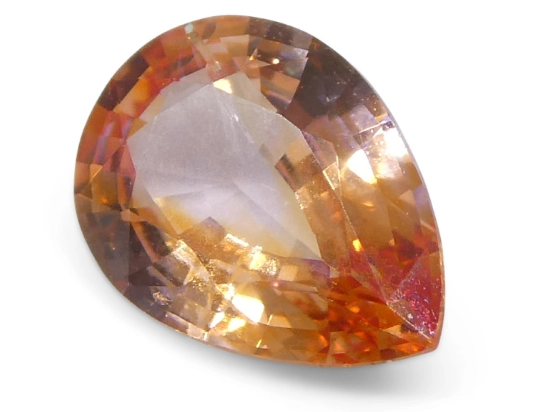
Orange Sapphire vs. Padparadscha: A Side-by-Side Look
This table breaks down the core differences. It's the kind of cheat sheet I wish I had when I started looking.
| Feature | Orange Sapphire (General) | Padparadscha Sapphire |
|---|---|---|
| Primary Color | Orange, which can range from yellow-orange to red-orange. Can be vivid or pastel. | A specific, delicate blend of pink and orange . The balance is key. |
| Rarity & Price | Uncommon but findable. Prices are moderate to high, depending on quality. | Extremely rare. Prices are very high to astronomical for top-quality, untreated stones. |
| Name Clarity | The name is descriptive: it's a sapphire that is orange. | The name is a specific variety term, like "emerald" is to beryl. |
| Treatment Acceptance | Heat treatment is very common and widely accepted; it often improves the color. | Heat treatment is highly controversial. Untreated stones are vastly more valuable. |
| Best For | Someone who loves a bold or warm orange color and wants a unique gem without the ultra-premium cost. | A collector, connoisseur, or someone seeking one of the rarest and most romantic gemstones in the world. |
See the difference? It's like the difference between "a red wine" and a specific vintage from a legendary Bordeaux vineyard. Both can be excellent, but one carries a whole different level of specificity and prestige.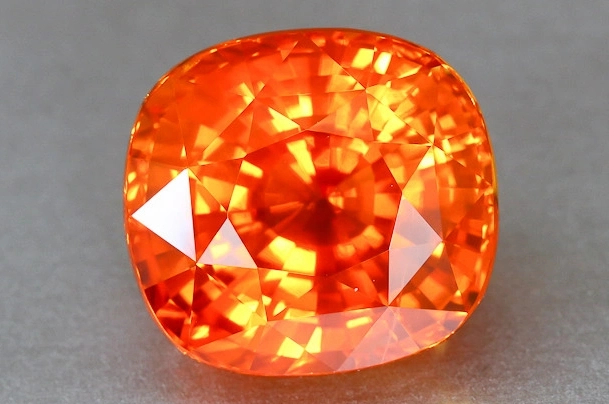
What Makes Any Orange Sapphire Valuable?
Whether it's a Padparadscha or a standard orange, the same basic rules of gemology apply. They just get amplified for the rare stuff. When you're evaluating a stone, think about these factors:
- Color, Color, Color: This is king. For orange sapphires, you want a pleasing, saturated hue without being too dark or muddy. Look for vibrancy. For Padparadscha, it's that magical pink-orange balance. A stone that's too pink is just a pink sapphire. Too orange, and it's an orange sapphire. The sweet spot in the middle is tiny.
- Clarity: Sapphires typically have some inclusions (internal features). Eye-clean stones (no visible inclusions to the naked eye) are more valuable. But sometimes, inclusions can prove a stone is natural, so it's a trade-off. Avoid stones with large cracks or inclusions near the surface that could threaten durability.
- Cut: A good cut brings the stone to life. It's not just about shape (oval, cushion, round), but about how well the cutter has oriented the rough to maximize color and brilliance. A poorly cut stone can look dead or have a washed-out color zone right in the middle. I've passed on stones with great color but terrible cuts—they just look dull.
- Carat Weight: Larger stones are rarer, so price per carat jumps significantly as size increases, especially over 1-2 carats for good quality material.
- Treatment: As discussed, this is critical. Natural, untreated stones are worth more. Heat-treated stones are still genuine sapphires but should cost less. Any other treatments (like fracture filling or diffusion) should be clearly disclosed and drastically reduce the value.
How to Buy an Orange or Padparadscha Sapphire Without Regrets
Feeling overwhelmed? Don't be. Buying a gem like this should be fun. Here's a practical, step-by-step approach based on my own mistakes and successes.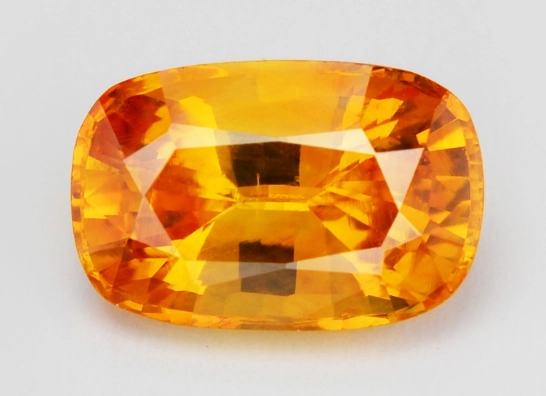
First, figure out your goal. Are you after the romance of a true Padparadscha, or do you just love the color orange? Your budget will immediately point you in one direction. A decent Padparadscha starts in the thousands per carat for small stones. A nice orange sapphire is far more accessible.
Find a reputable seller. This is non-negotiable. Look for jewelers or gem dealers who specialize in colored stones. They should be able to talk knowledgeably about origin, treatment, and cut. Ask questions. If they get defensive or vague about treatments, walk away.
Insist on a lab report from a major gemological laboratory for any significant purchase. For Padparadscha, it's mandatory. The report won't always have the magic word, but it will detail the color, any treatments, and confirm it's natural corundum. GIA, AGL (American Gemological Laboratories), and Gübelin are top-tier.
See the stone in different lights. A sapphire can look one way under a jeweler's bright spotlight and completely different in daylight or office lighting. Ask for a video or, better yet, see it in person if you can. The color should be appealing to YOU.
Think about the setting. Orange and pink-orange gems look fantastic in both warm yellow gold and cool white metals like platinum or white gold. Yellow gold enhances the warmth, while white metal makes the color itself pop. Consider a halo of diamonds for extra sparkle, or let it shine alone in a simple solitaire.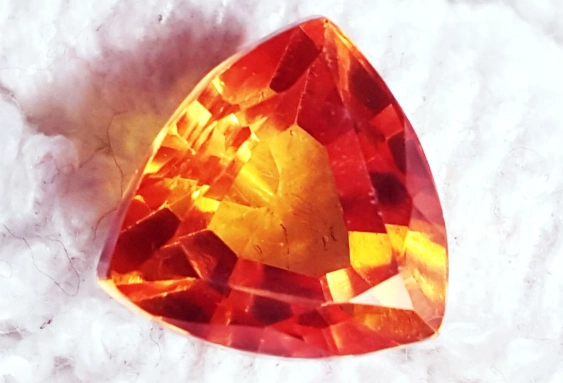
Caring for Your Orange Treasure
Sapphires are tough—a 9 on the Mohs hardness scale, second only to diamonds. That makes them excellent for everyday wear in rings. But they're not indestructible.
- Cleaning: Warm soapy water, a soft brush (like a baby toothbrush), and a gentle rinse is all you need. Avoid harsh chemicals or ultrasonic cleaners, especially if the stone has fracture fillings (which your report should mention).
- Storage: Keep it separate from other jewelry to prevent scratches. A soft pouch or a separate compartment in a jewelry box is perfect.
- Activities: It's wise to take off any fine jewelry during heavy lifting, gardening, or gym workouts. Hard knocks can still chip a stone, and chemicals in sweat or soil aren't great for the metal setting.
It's a piece of the earth you're wearing. A little respect goes a long way in keeping it beautiful.
Your Orange Sapphire Questions, Answered
I get asked a lot of follow-ups. Here are the most common ones that bubble up after the initial "what is an orange sapphire called?" question.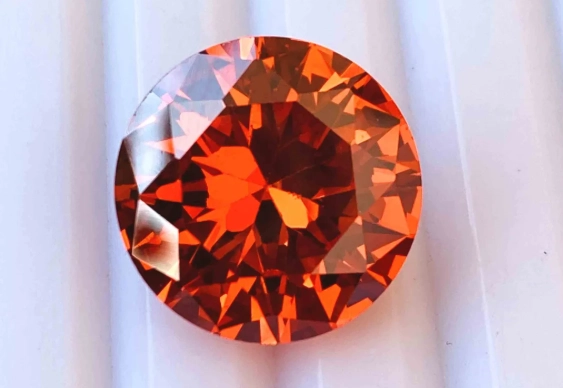
No, and this is the most important distinction. All Padparadschas are a type of orange sapphire, but not all orange sapphires are Padparadschas. Padparadscha refers to that specific, rare pink-orange hue. A pure, vivid orange stone is just a beautiful orange sapphire.
It's all about chemistry. Trace amounts of iron (Fe) in the corundum crystal structure produce yellow and golden tones. When you also have a little bit of chromium (Cr), which is what makes rubies red, it can mix with the iron's influence to create various shades of orange. The precise balance gives you everything from peach to pumpkin to the elusive Padparadscha blend. The GIA's sapphire page has great scientific detail on color causes if you're into the geeky stuff.
Absolutely! Their hardness makes them durable enough for daily wear. An orange or Padparadscha sapphire engagement ring is for someone who wants something deeply personal, non-traditional, and full of warmth. It symbolizes uniqueness and joy. Just be sure the setting is robust (like a bezel or protective prongs) and that you're comfortable with its potential rarity and care requirements if it's a high-value Padparadscha.
You probably can't with just your eyes, and that's okay. The line is blurry even for experts. This is where trust in your seller and that all-important lab report come in. If you inherited a stone or have one without paperwork, take it to a certified gemologist appraiser. They can examine it under professional conditions and give you an informed opinion. Don't rely on online photos or a friend's guess.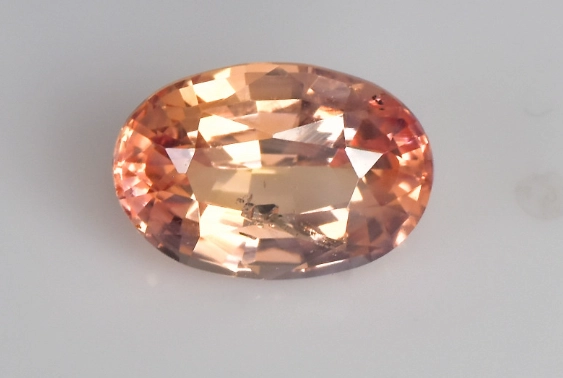
Several! Here's a quick list of sometimes-confused gems:
- Spessartite Garnet: Often a vibrant, mandarin orange. Softer (7-7.5 Mohs) but often has incredible brilliance.
- Imperial Topaz: Can be a sherry or pinkish-orange. Softer than sapphire (8 Mohs).
- Fire Opal: A translucent orange opal. Much softer (5.5-6.5 Mohs) and requires more care.
- Citrine: A yellow-to-orange quartz. Much more common and affordable (7 Mohs).
- Orange Diamond: Incredibly rare and expensive. The color is usually more uniform and "electric" than a sapphire's.
A gemologist can easily tell these apart with basic tools.
So, there you have it. The next time someone wonders, "What is an orange sapphire called?" you can tell them. You can explain the simple beauty of an orange sapphire and the legendary status of the Padparadscha. You can talk about color balance, treatment, and why that one stone costs ten times more than another that looks sort of similar.
Whether you fall in love with the fiery glow of a classic orange or dream of owning a slice of sunset with a Padparadscha, you're now armed with the knowledge to search wisely. Happy hunting.
Related Articles
Jasper Stones Guide: Types, Healing Properties, and Practical Uses
Moss Agate Stone: Meaning, Benefits & How to Use It
Sodalite Zodiac Signs: Who Should Wear It & Why
Azurite Crystal Benefits: Unlock Intuition, Clarity & Healing
Kunzite Crystal Guide: Meaning, Properties, and How to Use It