You've seen it in museums, on royalty, and maybe on your friend's wrist. That smooth, cool stone with a depth of color that seems to go on forever. But the real jade stone meaning runs far deeper than its beauty. It's not just a gem; it's a historical companion, a spiritual anchor, and a tool for personal growth that cultures from East to West have relied on for millennia. If you're holding a piece wondering what it can do for you, you're in the right place. We're going past the basic descriptions and into the practical, nuanced world of how jade actually works.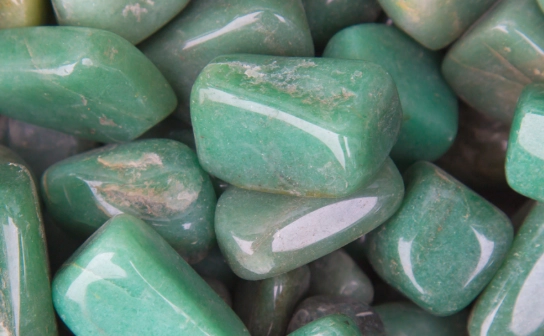
What You'll Discover Inside
What is the Spiritual Meaning of Jade?
Ask anyone in China, and they'll tell you jade represents virtue. Not just one virtue, but the whole package. Confucian texts liken its qualities to wisdom, justice, compassion, courage, and purity. It's the physical embodiment of a good character.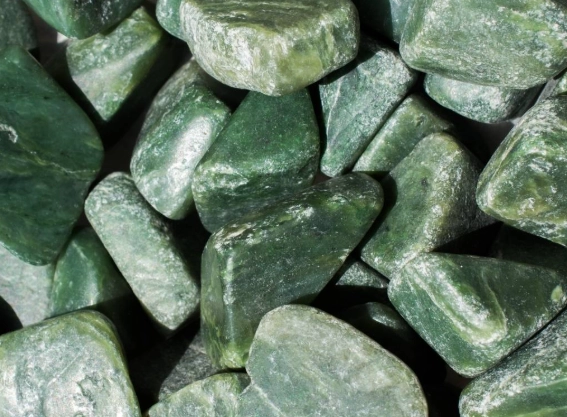
In Mesoamerican cultures, like the Maya and Olmec, jade was more valuable than gold. It symbolized life, fertility, and power—a direct connection to the heart of the earth and the realm of the gods. Rulers were buried with jade masks to ensure a sacred passage.
So, what does this mean for you today?
The core spiritual jade stone meaning is about alignment and integrity. It’s a stone that asks you to live in harmony with your highest self and the world around you. It doesn't promise to magically fix your problems. Instead, it’s believed to strengthen your inner resolve to face them with grace. Think of it as a mentor in stone form, encouraging balance during chaos and reminding you of your own strength when you forget.
I remember giving a small jade pebble to a friend going through a brutal divorce. She didn't believe in "crystal stuff." Months later, she told me she kept it in her pocket during every difficult meeting and court date. "I'd just hold it and remember to breathe and stay calm," she said. "It was my little anchor." That's the spiritual meaning in action: a tangible focus for intangible strength.
The Healing Properties of Jade: More Than Just Luck
Yes, jade is famous for attracting good fortune. But its healing properties are vast and surprisingly physical. It's often called the "dream stone" or the "stone of the heart."
Here’s a breakdown of what people have used jade for throughout history, and why these uses persist:
- Emotional Balance: This is its superpower. Jade is like an emotional shock absorber. It’s said to calm the nervous system, soothe irritability, and gently dissolve negative thoughts. If you're prone to anxiety or reacting too quickly, having jade nearby can create a buffer of calm.
- Heart Chakra Healer: It’s strongly associated with the heart chakra. The idea is that it helps release old emotional baggage—resentment, jealousy, grief—making space for love, compassion, and self-acceptance. It encourages you to love from a place of wholeness, not neediness.
- Physical Detoxification: Traditional Chinese medicine links jade to the kidneys and adrenal system, the body's filtration and stress-response centers. While you should always see a doctor for medical issues, the belief is that jade supports the body's natural cleansing processes and helps restore vitality after illness or exhaustion.
- Protection: This isn't about creating an invisible force field. It's about creating a stable, harmonious energy field around you that makes it harder for external negativity or chaotic influences to "stick." Many travelers carry jade for safe journeys.
- Luck & Abundance: The luck jade brings is the kind you cultivate. By promoting wise decisions, harmonious relationships, and a clear mind, it puts you in the position to recognize and seize opportunities. It’s the luck of preparation meeting possibility.
Types of Jade Stones: It's Not All Green
This is where things get interesting, and where most newcomers get tripped up. The term "jade" actually refers to two distinct minerals: nephrite and jadeite. Their energies and values differ significantly.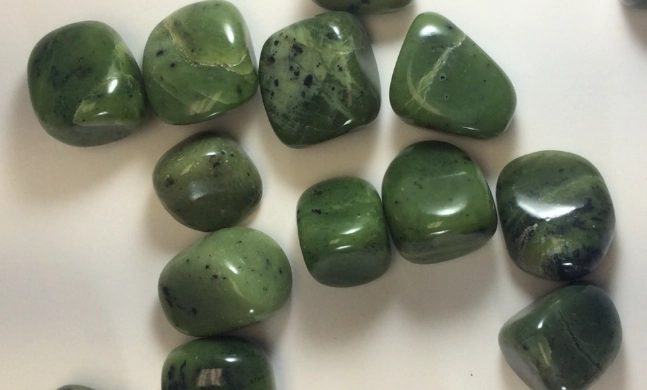
| Feature | Nephrite Jade | Jadeite Jade |
|---|---|---|
| Mineral Composition | Calcium magnesium silicate | Sodium aluminum silicate |
| Common Colors | All shades of green, white (mutton fat), brown, black | Vibrant green (Imperial), lavender, red, orange, yellow, white |
| Texture & Luster | Greasy to waxy luster, fibrous, extremely tough | Vitreous (glassy) luster, granular, can be translucent |
| Typical Value | Generally more affordable, widely available | Can be extremely valuable, especially Imperial green |
| Energetic Focus | Grounding, nurturing, long-term healing, protection | Vibrant, stimulating to specific chakras, spiritual connection |
Nephrite is the classic jade of ancient China—tough, durable, and deeply connected to the earth. Jadeite, with its brighter colors and translucency, became highly prized later, especially the stunning "Imperial Jade" green.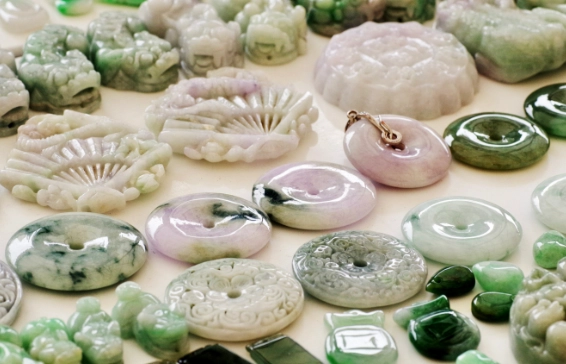
When choosing, don't get hung up on which is "better." It's about resonance.
Feeling ungrounded and need steady support? A dark green or black nephrite might be your anchor. Seeking to open your heart or connect to creativity? A lavender or green jadeite could sing to you.
How to Spot Fake Jade?
The market is flooded with fakes—glass, serpentine, dyed quartz. Here’s a quick reality check from years of seeing disappointed buyers:
- Temperature: Real jade feels cool to the touch and takes time to warm up. Plastic or glass often feels room temperature immediately.
- Weight: Jade is dense and feels heavier than a similarly sized piece of glass or plastic.
- Imperfections: Perfectly uniform color and texture is a red flag. Natural stone has slight variations, veins, or clouds. Look for them.
- The Sound Test (for bangles): Gently tap a real jade bangle with a coin or another piece of jade. It should produce a clear, resonant, melodic "ping" that lasts. Fake stone or glass makes a dull "clunk."
- Ask Directly: Reputable sellers will tell you if it's nephrite, jadeite, or a simulant like serpentine. If they're vague, walk away.
For serious purchases, especially jadeite, insist on a lab report from an authority like the Gemological Institute of America (GIA).
How to Use Jade Stone in Daily Life?
Theory is great, but application is everything. How do you translate these ancient jade stone meanings into a modern life? It's simpler than you think.
Wear It: This is the most powerful method. Skin contact creates a constant, gentle energy exchange. A bangle on your writing hand to steady your thoughts. A pendant over your heart. A small worry stone in your pocket. The key is to set an intention when you put it on. "Today, I choose calm." "This helps me speak my truth."
Meditate With It: Hold a piece in your hand or place it on your heart or lower abdomen (for grounding). Don't force anything. Just feel its weight and temperature. Imagine its nurturing energy dissolving tension with each exhale. Even five minutes can reset your day.
Place It in Your Environment: A large nephrite carving in your living room to promote family harmony. A piece on your desk to maintain clarity and deflect work stress. Many place jade near the front door or in the wealth corner (southeast) of their home, following Feng Shui principles, to invite protective and abundant energy.
Let me give you a "day in the life" scenario:
You wake up, put on your jade pendant. You touch it during your commute, reminding yourself to stay centered. At work, you have a polished jade sphere on your desk. During a tense call, you roll it in your palm. That physical action grounds you. Before bed, you hold the same piece for a few minutes, releasing the day's worries. The jade healing properties aren't a one-time event; they're woven into the fabric of your routine.
How to Care for Your Jade
Jade is tough, but it's not indestructible. And energetically, it can absorb heaviness. Caring for it is a sign of respect for the energy exchange.
Cleansing (The Energetic Reset): Do this when the stone feels "heavy" or after intense emotional use.
- Running Water: Hold it under lukewarm tap water for a minute. Visualize negativity flowing away. (Note: Avoid this for jade with porous fillers or glued settings).
- Smoke: Pass it through the smoke of sage, palo santo, or incense.
- Moonlight: Place it on a windowsill overnight during a full moon. Sunlight can fade some colors, so I avoid it.
- Sound: Ring a singing bowl or bell near it.
Physical Care:
- Storage: Keep it in a soft pouch. Jade can scratch softer stones and get scratched by harder ones like diamond.
- Cleaning: Mild soap, lukewarm water, and a soft brush. Dry thoroughly. No harsh chemicals or ultrasonic cleaners.
- Recharging: After cleansing, place it on a bed of clear quartz crystals or in a geode to recharge its natural vibration.
The relationship with a stone is personal. Notice how you feel with it. Does it bring comfort? Does a certain use pattern work better for you? That's your data. Trust it more than any generic guide.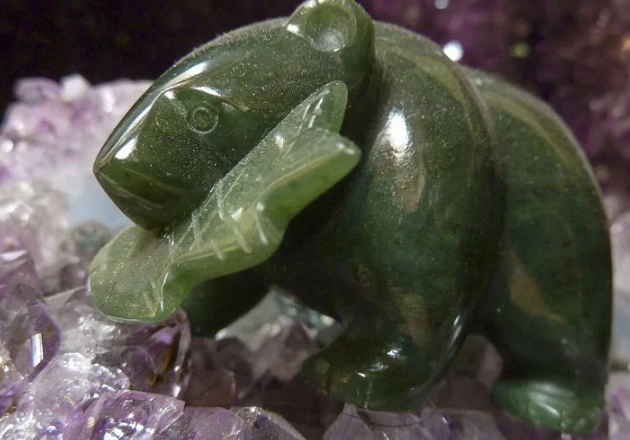
Related Articles
Sun Stone: A Guide to Meaning, Uses & Healing Properties
Dalmatian Jasper: Meaning, Uses & How to Spot Fakes
Unlock the Heart-Opening Power of Kunzite Crystal Benefits
Blue Jade Properties: Meanings, Healing Benefits & How to Use
Agate Guide: Uses, Types & Common Mistakes to Avoid