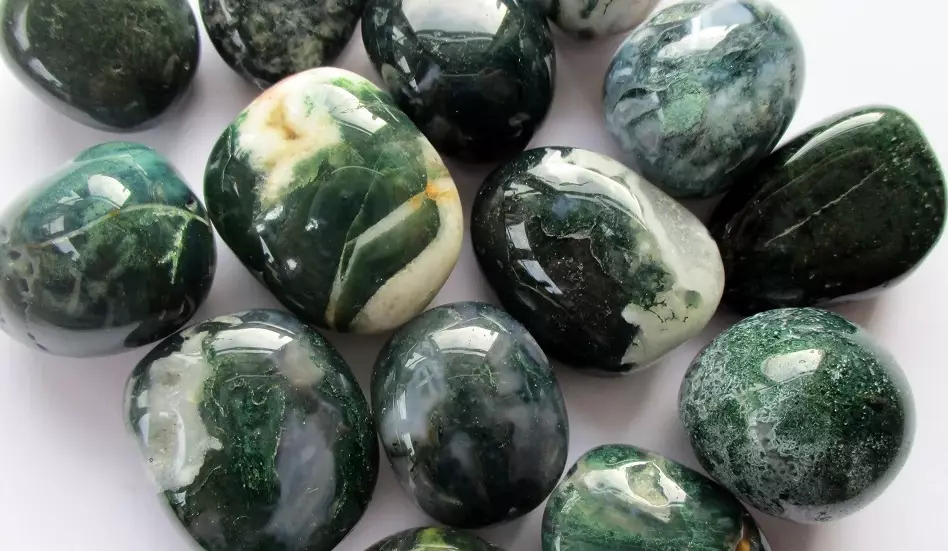
You've seen it in jewelry stores, online shops, or maybe in a friend's collection – a translucent stone with delicate, fern-like green inclusions that look like a miniature forest frozen in time. The first question that pops into your head is likely, "Is moss agate a real gemstone?" It looks too organic, too much like a piece of nature itself, to be considered a traditional gem like a diamond or sapphire. Let's cut straight to the chase: Yes, moss agate is absolutely a real gemstone. It's not glass, it's not plastic, and it's not a synthetic imitation. It's a genuine, naturally occurring form of chalcedony, a mineral in the quartz family, prized for its unique beauty and used in jewelry for centuries. The confusion often stems from its name and its appearance. It's called "moss" agate because of its inclusions, not because it contains plant matter. Those beautiful green patterns are actually mineral impurities, typically chromium or iron silicate, that crystallized within the silica solution as it formed.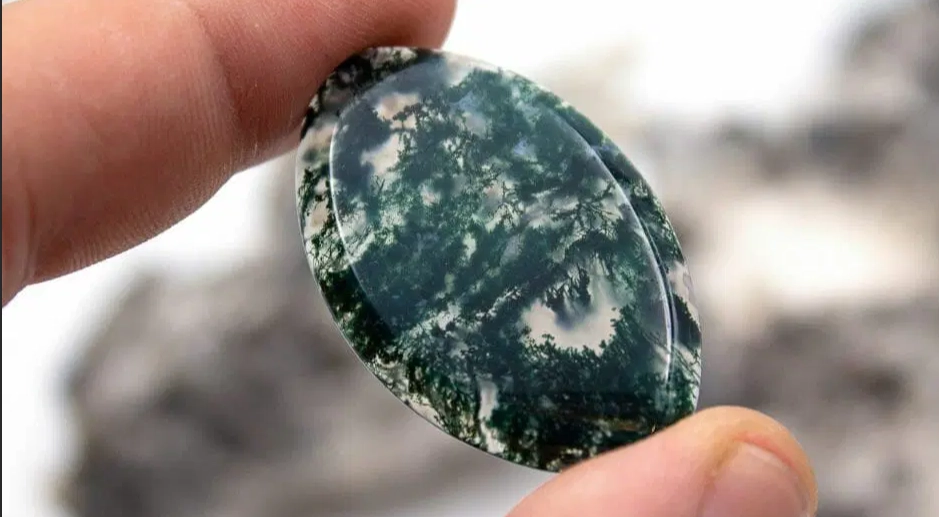
What You'll Discover in This Guide
What Defines a "Real" Gemstone?
When people ask if something is a "real" gemstone, they're usually asking two things: is it natural, and is it valuable enough to be set in jewelry? The gemological world has clear criteria. A gemstone is a mineral, rock, or organic material that is cut, polished, and used for adornment due to its beauty, durability, and rarity. Moss agate ticks all these boxes.
It's a mineral (silicon dioxide). It's cut and polished to enhance its natural patterns. Its beauty is subjective but widely appreciated – some people prefer its serene, landscape-like appearance over a flawless, clear stone. Its durability is moderate, which we'll get into. And while not as rare as alexandrite, high-quality moss agate with clear, vibrant, and well-defined inclusions is sought after.
The term "agate" itself refers to a banded chalcedony, but moss agate is a special variety. It's often non-banded, and its value comes entirely from the quality and artistry of its internal "moss" or "dendritic" patterns. Think of it this way: if a diamond is a brilliant spotlight, moss agate is a tranquil forest scene captured in stone. Both are real art, just in different styles.
Quick Myth Bust: Moss agate does not contain fossilized moss or plants. Those green filaments are inorganic minerals. The name is purely descriptive, like "tiger's eye" – it doesn't contain an actual tiger's eye!
Key Properties of Moss Agate: The Gemologist's View
To understand why moss agate is a legitimate gem, let's break down its technical specs. This is where you move from casual admiration to informed appreciation.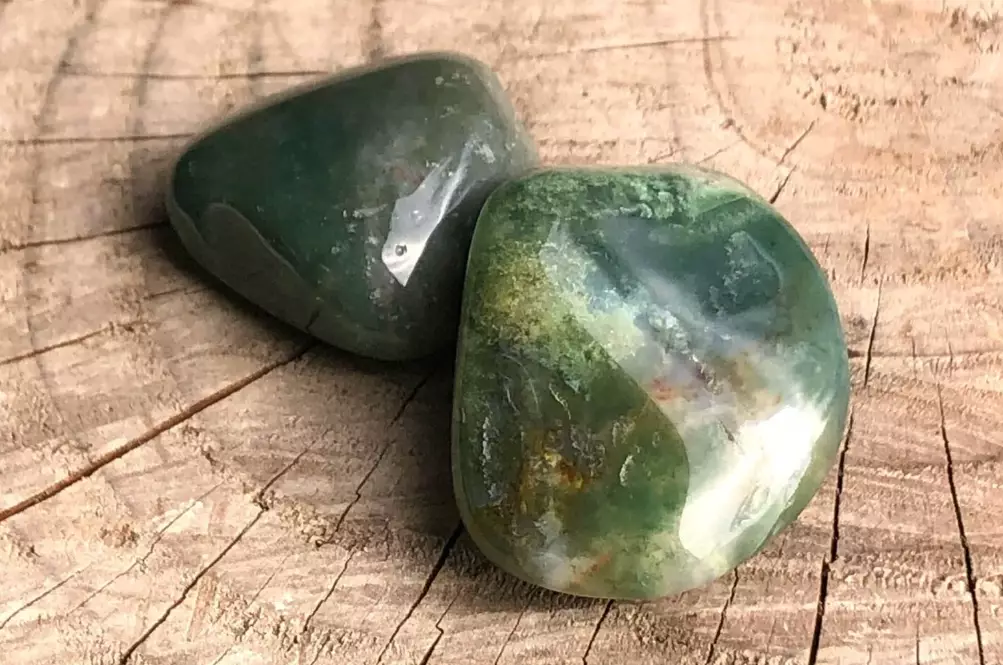
Hardness and Durability
Moss agate has a Mohs hardness of 6.5 to 7. This is a crucial point. For reference, quartz (like amethyst) is a 7, and steel is about 6.5. This means moss agate is durable enough for jewelry, but it requires some care. It can be scratched by materials harder than 7, like topaz, sapphire, or diamond. It's perfect for pendants, earrings, and brooches. For rings, especially daily-wear rings, a protective bezel setting is a smart choice to guard against knocks. I've seen many moss agate rings in simple prong settings where the stone gets chipped on the edge after a few years – a bezel would have saved them.
Color and Clarity
The base color is typically clear, milky white, or pale gray. The magic is in the inclusions: hues of green (from chromium), black, brown, or red (from iron oxides). The best specimens have a translucent base that allows light to enter and illuminate the dendritic patterns, creating a sense of depth. Opaque moss agate exists but is generally less valued in fine jewelry. The patterns themselves are never identical. Some look like ferns, others like trees, rivers, or abstract landscapes. This uniqueness is a major part of its charm.
| Property | Detail | What It Means for You |
|---|---|---|
| Mineral Class | Chalcedony (Cryptocrystalline Quartz) | It's a genuine mineral, not a man-made composite. |
| Hardness (Mohs) | 6.5 - 7 | Durable for most jewelry; avoid harsh impacts and store separately from harder gems. |
| Key Feature | Dendritic Inclusions (Manganese, Iron, Chromium oxides) | The "moss" is inorganic minerals. No two patterns are alike. |
| Common Sources | India, USA (Montana, Wyoming), Brazil, Australia | Montana moss agate is famous for its red and black dendrites. |
| Typical Treatments | Usually none; sometimes dyed (buyer beware) | Natural, untreated moss agate is the standard. Bright, unnatural colors may indicate dye. |
Moss Agate vs. Other Stones: Identification Tips
A common pitfall is confusing moss agate with other similar-looking stones. Knowing the differences helps you confirm you're getting the real deal.
Moss Agate vs. Dendritic Agate: This is the most common mix-up. Technically, all moss agate is dendritic agate, but not all dendritic agate is green. "Moss agate" specifically refers to stones with green, moss-like inclusions. Dendritic agate can have black, brown, or red dendrites. If someone sells you a stone with black tree-like patterns, it's dendritic agate, not moss agate.
Moss Agate vs. Green Aventurine: Aventurine is also a quartz, but its green color comes from tiny, glittery inclusions of mica (fuchsite). It has a more uniform, sparkly appearance, lacking the distinct fern-like or branch-like patterns of moss agate.
Moss Agate vs. Glass Imitations: This is where a loupe (a jeweler's magnifier) is your best friend. Under magnification, real moss agate inclusions have a three-dimensional, crystalline structure that looks embedded within the stone. Glass imitations often have flat, painted-on, or stringy inclusions that sit on the surface or look two-dimensional. The feel is different too; glass is often warmer to the touch initially than crystal, which feels cooler.
Buying Real Moss Agate: A Practical Checklist
You're convinced it's a real gemstone and you want a piece. Here’s how to shop smartly, whether online or in person.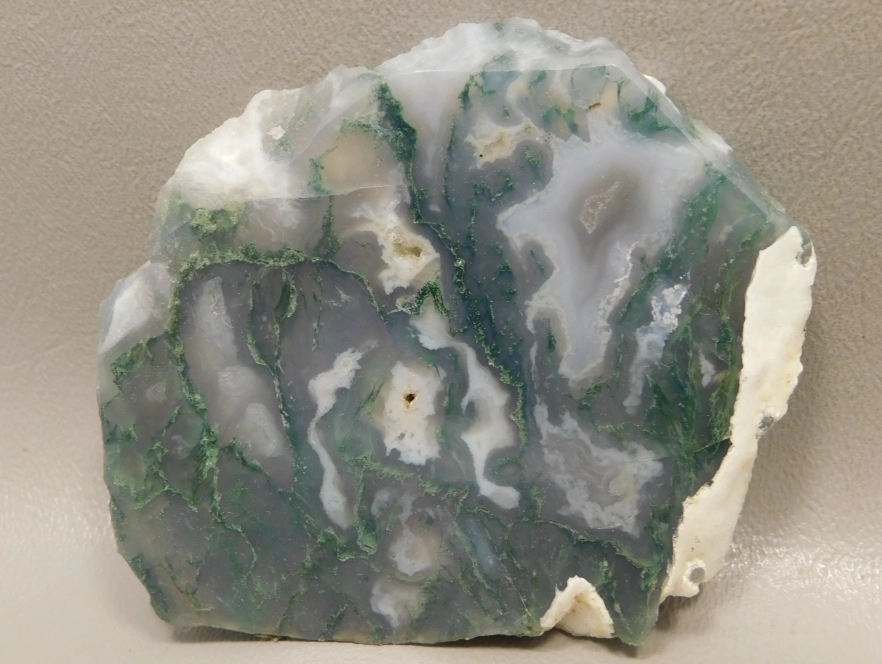
- Prioritize Reputable Sellers: Look for sellers who specialize in natural gemstones or lapidary work. They are more likely to provide accurate descriptions. Etsy shops with detailed photos and good reviews from crystal enthusiasts can be great sources.
- Beware of "Too Perfect" Colors: Neon green or bright blue moss agate is almost certainly dyed. Natural greens are more subtle – forest green, olive, or sage. Montana moss agate naturally features beautiful red and black dendrites, which are highly prized.
- Ask About Treatments: A straightforward seller will state if the stone is dyed, stabilized, or otherwise treated. The answer should ideally be "This is natural, untreated moss agate."
- Examine the Inclusions: The dendritic patterns should look organic and random, not symmetrical or repetitive. They should appear to be inside the stone, not on it.
- Consider the Cut: A well-cut moss agate cabochon (the smooth, domed shape) will maximize the visibility of the inclusions. The dome should be even and polished to a high luster.
Price is a tricky indicator. Small, tumbled stones or simple cabochons can be very affordable ($5-$30). Larger, high-quality cabochons with exceptional landscape patterns set in sterling silver or gold can cost hundreds. It's more about the artistry of the pattern than carat weight.
Your Moss Agate Questions, Answered
 Can moss agate get wet or can I wear it every day?
So, is moss agate a real gemstone? Unequivocally, yes. It’s a fascinating member of the quartz family, offering a unique combination of geological formation and natural artistry. Its value lies not in fiery brilliance, but in tranquil, captured landscapes. When you choose a piece of moss agate, you're choosing a one-of-a-kind work of art created by the Earth itself, durable enough to wear and cherish for a lifetime. That's the hallmark of a real gem.
Related Articles
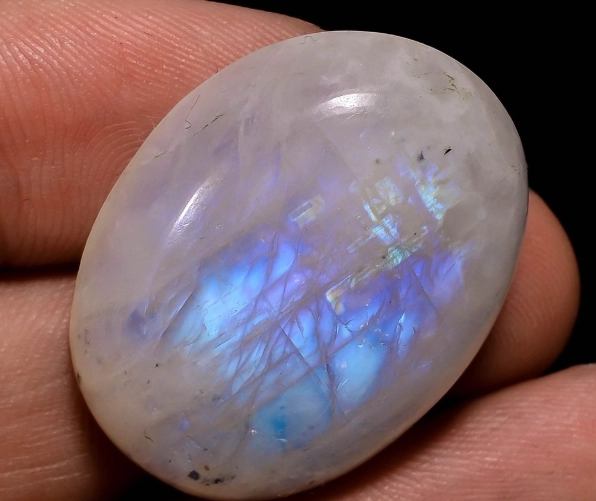
Moon Stone Uses: Spiritual Healing, Jewelry & Practical Guide
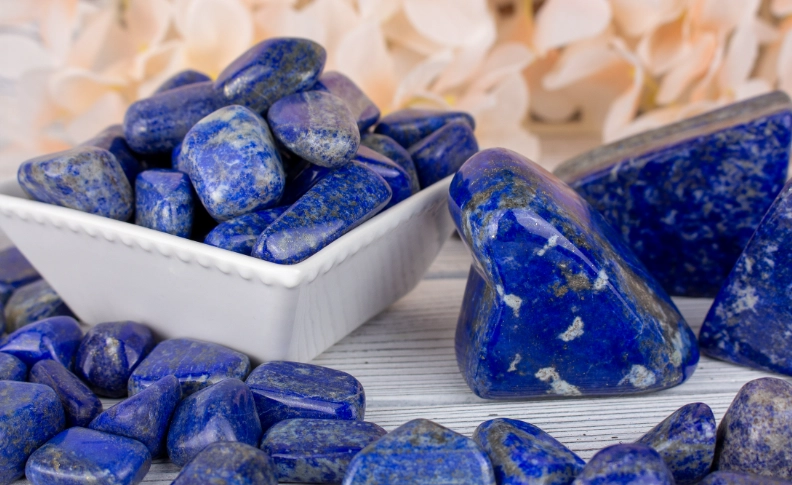
Lapis Lazuli: Complete Guide to Its Properties, Uses & Value
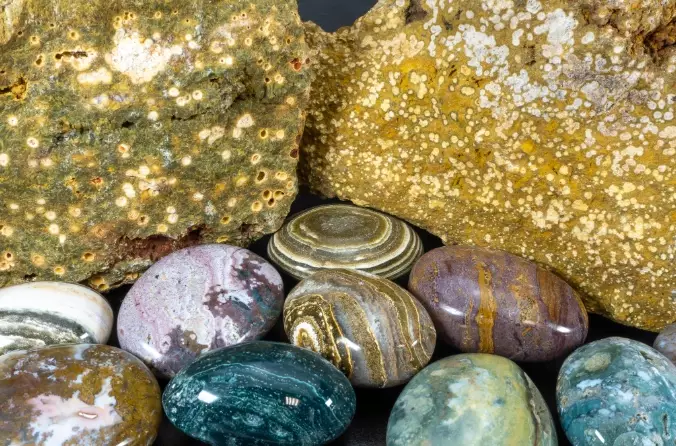
Ocean Jasper Guide: Meaning, Properties, and How to Identify Real Stones
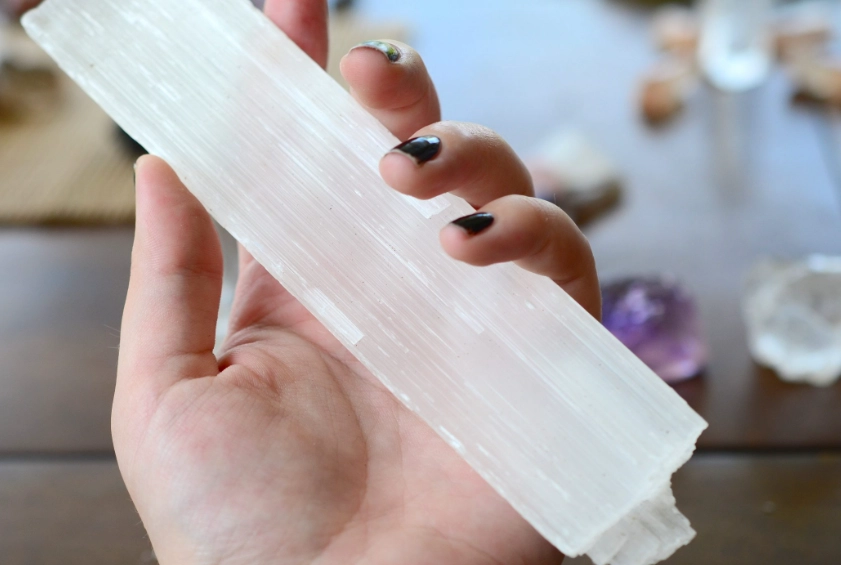
Selenite Crystal: Complete Guide to Uses, Benefits & How to Identify Real vs Fake
Unlock the 7 Key Benefits of Rainbow Moonstone: A Complete Guide