Your Blue Crystal Roadmap
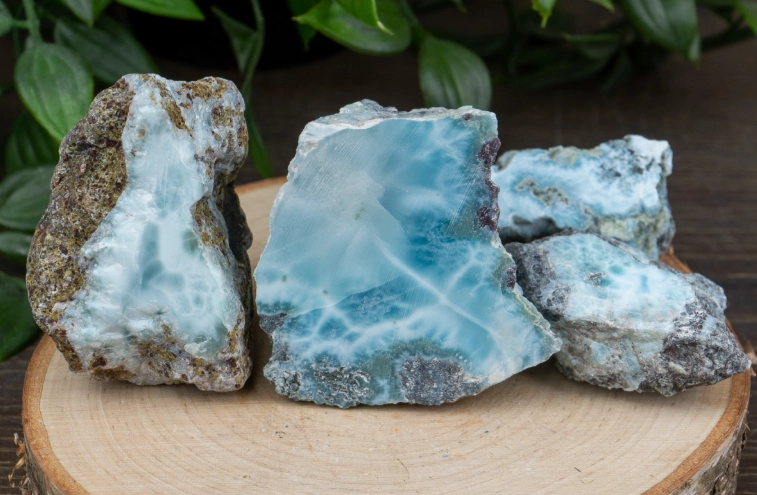
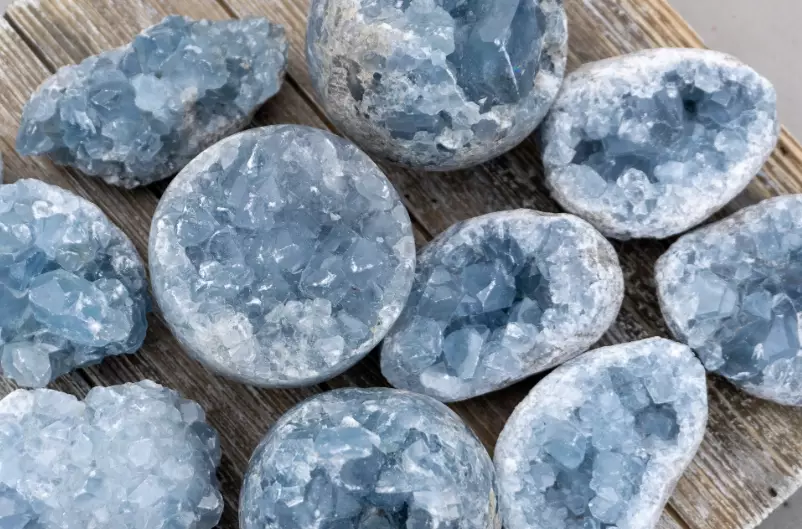
Let's talk about raw blue crystals. You've probably seen them—rough, unpolished chunks of stone with that deep, captivating blue hue. They're not the shiny, faceted gems in a jewelry store. They're nature's artwork, straight from the earth. People are drawn to them for more than just looks; there's a feeling, an energy that polished stones sometimes lack. Maybe you're curious about what that energy is, or you've bought a piece and want to know how to actually use it beyond just looking pretty on a shelf. That's what we're diving into here. We'll strip away the vague spiritual jargon and get into the tangible details: what these stones actually are, the specific differences between a raw lapis lazuli and a raw sodalite, how to integrate them into your life in a practical way, and crucially, how to spot a fake so you don't waste your money.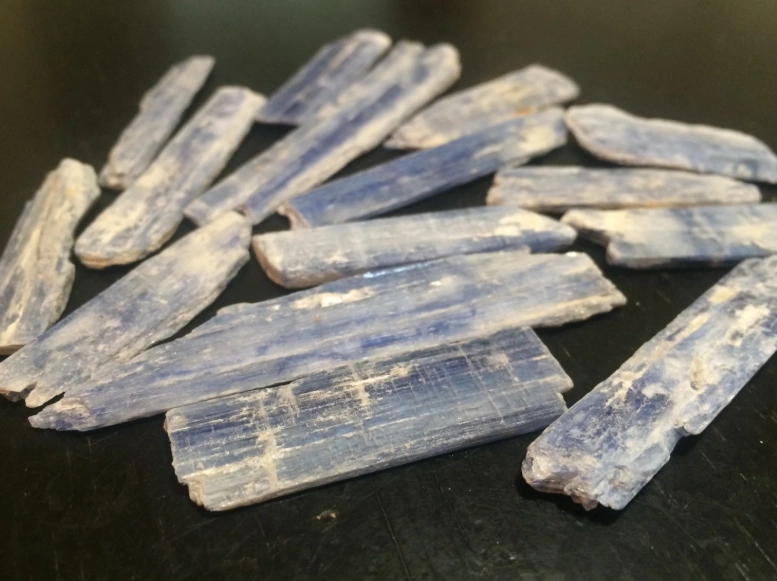
What Are Raw Blue Crystals and Their Energy?
First things first, "raw" simply means uncut and unpolished. It's the crystal in its natural state, just as it was found. No tumbling, no shaping, no faceting. This form is often preferred in metaphysical practices because it's believed to retain the crystal's natural, unaltered vibration. The blue color in these crystals typically comes from trace elements like copper (for azurite, chrysocolla), iron (for lapis lazuli), or specific mineral compositions (like the sodium in sodalite).
Now, about the energy. Across cultures and traditions, blue is consistently linked to the throat chakra (communication, truth) and the third eye chakra (intuition, insight). Working with raw blue crystals, therefore, often centers on themes of clear speaking, calm expression, and accessing inner wisdom. It's less about a sudden psychic awakening and more about creating a mental environment where your own intuition can speak up without being shouted down by anxiety. A common mistake beginners make is expecting a dramatic, movie-like vision. The effect is usually subtler—a sense of mental clarity, finding the right words during a difficult conversation, or a feeling of serene focus during meditation.
I remember when I first got a piece of raw blue lace agate. I expected profound visions. Instead, what I noticed was that on days I had it on my desk, I felt less scattered when writing emails. The mental chatter quieted just enough. That's the more realistic, grounded effect of these stones.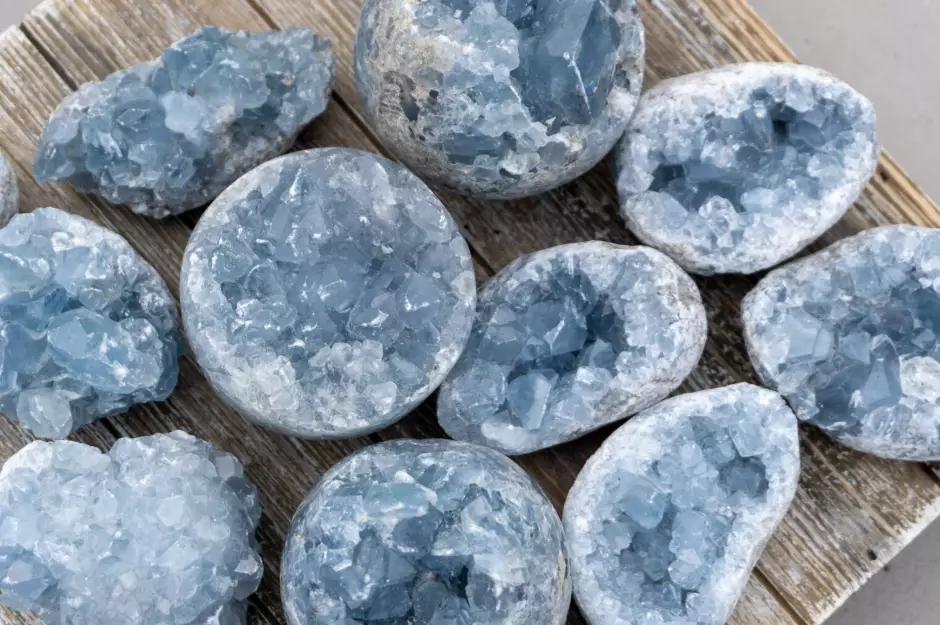
Top Raw Blue Crystal Types and Their Specifics
Not all blue crystals are the same. Calling something a "blue crystal" is like calling a beverage a "brown drink"—it could be coffee, cola, or whiskey. The specifics matter. Here’s a breakdown of the most sought-after raw blue crystals, moving beyond basic descriptions to what you'll actually notice.
| Crystal Name | Key Identifying Feature (In Raw Form) | Primary Associated Energy/Use | Hardness (Mohs Scale) |
|---|---|---|---|
| Raw Lapis Lazuli | Deep blue with brassy-yellow flecks of pyrite. Rarely a solid, uniform blue. | Truth, self-awareness, intellectual ability. The "philosopher's stone." | 5-5.5 |
| Raw Sodalite | Royal blue with white veining (calcite). Less common: pink or grey patches. | Logic, rational thought, calming anxiety. Great for group harmony. | 5.5-6 |
| Raw Azurite | Striking, dark "azure" blue, often in botryoidal (bubbly) formations. Can stain hands. | Deep intuition, insight, breaking old mental patterns. | 3.5-4 |
| Raw Blue Apatite | Can range from teal-green-blue to a rich peacock blue. Often translucent in raw chips. | Motivation, communication, reducing appetite (a noted use in crystal healing). | 5 |
| Raw Angelite | Soft, pale sky blue. It's actually a form of anhydrite. Feels quite soft. | Gentle communication, connecting with angelic realms, peace. | 3.5 |
| Raw Chrysocolla | Turquoise-blue to green, often in a matrix with other minerals like quartz or malachite. | Soothing emotional pain, compassionate communication, feminine energy. | 2.5-3.5 |
See the hardness column? That's critical. A raw azurite or angelite is very soft and fragile. You can't toss it in a bag with other stones or run it under water aggressively. It will degrade. Lapis and sodalite are a bit sturdier. This practical detail affects how you can use and care for them, something many overviews gloss over.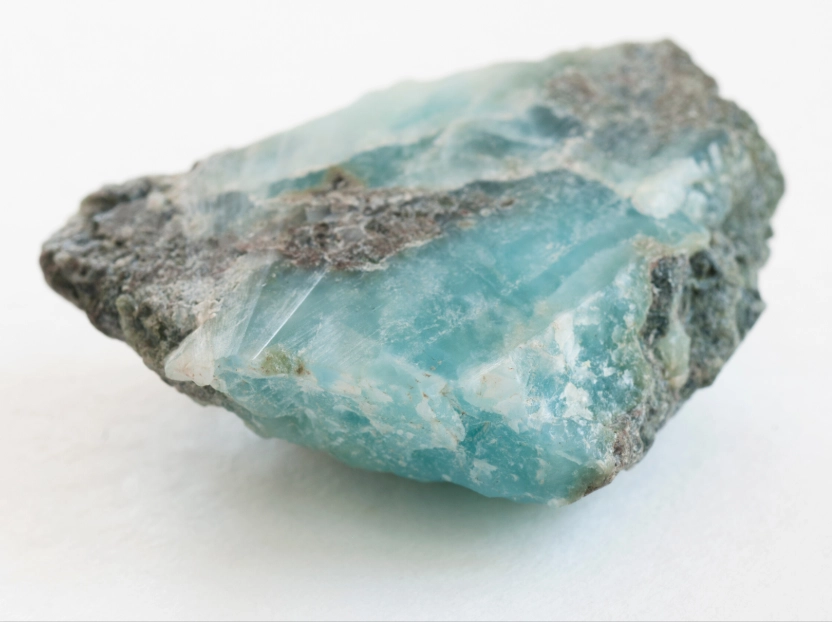
How to Use Raw Blue Crystals in Your Daily Practice
Okay, you have a raw blue crystal. Now what? Plopping it on a shelf and hoping for vibes is like buying a gym membership and never going. Here are concrete, non-fluffy ways to work with them.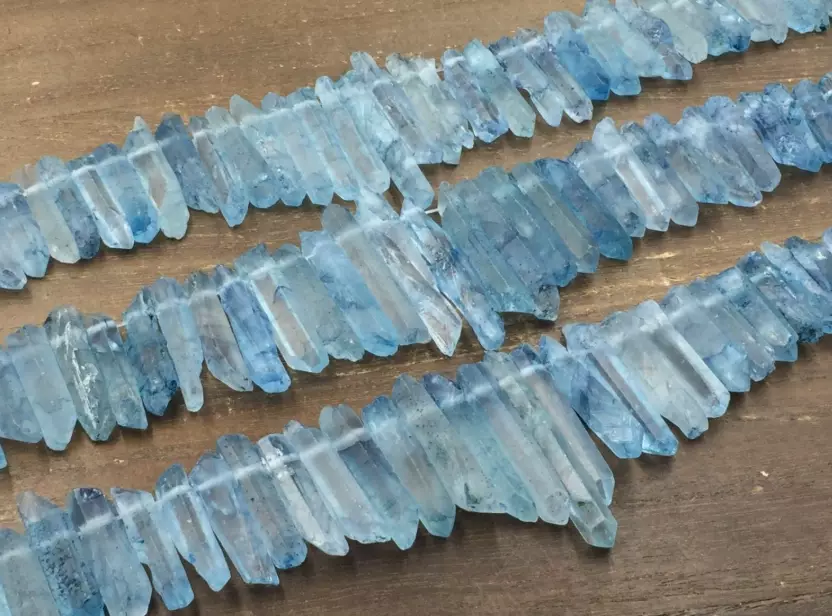
1. For Meditation and Mental Clarity
Hold a piece in your non-dominant hand (your receptive hand) during meditation. Don't force anything. Just feel its weight and temperature. For a focus on communication, hold it near your throat. For intuition, place it gently on your forehead (third eye area). A raw piece, with its uneven surface, often feels more "present" and grounding than a smooth palm stone.
2. As a Communication Aid
Keep a small piece of raw blue lace agate or sodalite in your pocket before a big presentation, a difficult conversation, or even a family gathering where tensions run high. Use it as a physical anchor. When you feel flustered, touch it. Let it remind you to breathe and choose your words calmly. It's not a magic teleprompter, but a tactile cue for self-regulation.
3. Creating a Focused Workspace
Place a cluster of raw blue apatite or a sizable piece of lapis lazuli on your desk or in your study. The idea is to build an environment that supports clear thinking and discourages distraction. I have a raw sodalite chunk next to my monitor. Is it a placebo? Maybe. But my workflow feels less chaotic when it's there.
4. Simple Cleansing and Charging
Forget complicated rituals under a full moon while chanting. For most raw blue crystals (check hardness first!), you can:
- Rinse briefly under cool, running water (avoid this for azurite, selenite, angelite).
- Place them on a windowsill in moonlight (sunlight can fade some, like amethyst).
- Bury them in a bowl of dry brown rice overnight—it's surprisingly effective.
- Pass them through the smoke of sage or palo santo.
Do what feels respectful and practical to you. The intent matters more than the pageantry.
Buying Raw Blue Crystals: An Expert Guide to Avoiding Pitfalls
The raw crystal market is full of beautiful stones and, frankly, a lot of junk. Here's how to navigate it like someone who's been burned before.
Red Flag #1: The Unbelievably Vivid, Cheap Stone. Natural minerals have variations. If a "raw lapis" is a uniform, electric blue with no pyrite for $5, it's dyed. Howlite and magnesite are commonly dyed to mimic lapis, turquoise, and blue coral. They feel chalky and the color can rub off.
Red Flag #2: Perfect Geometry in a "Raw" Stone. Raw means natural shape. If your "raw crystal" has perfect points, flawless terminations, and looks like it came from a geometry set, it's almost certainly machine-carved from lower-grade material and sold as natural. Real raw points exist, but they're rare and expensive.
Red Flag #3: The Seller Only Talks in Vague Metaphysics. A reputable seller should be able to tell you the mineral name, where it's roughly from (e.g., "Lapis from Afghanistan," "Sodalite from Brazil"), and its basic physical properties. If every answer is "it brings good vibes" with no concrete data, be wary.
Where to Buy: I've had the best luck with small, specialized rock shops at gem shows or local stores where you can hold the stone. Online, look for sellers with detailed, un-filtered photos from multiple angles, clear sourcing info, and reviews that mention authenticity. Etsy can be good, but vet the shop thoroughly. Large, generic spiritual retailers are hit-or-miss for quality.
Price is a clue. Genuine, good-quality raw lapis, even a small piece, costs more than a latte. If the price seems too good to be true, it usually is.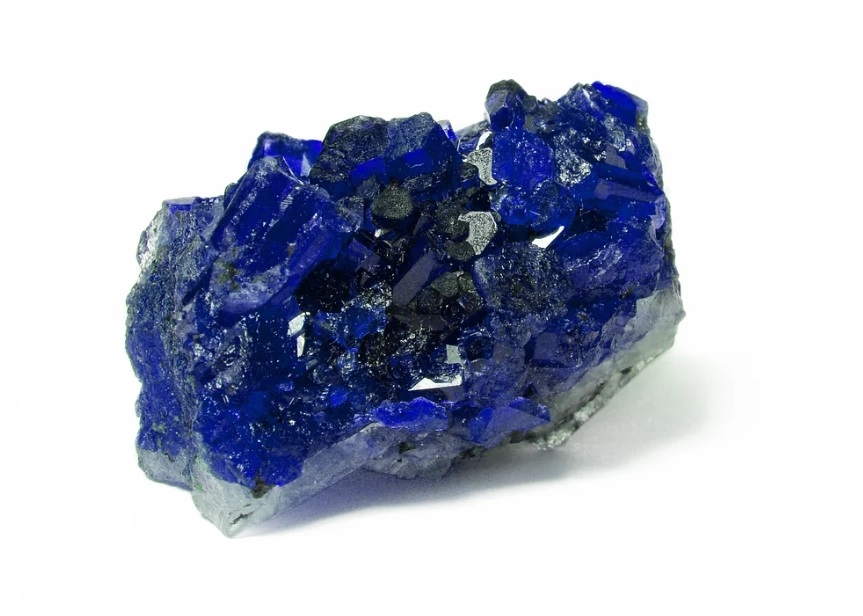
Raw Blue Crystal FAQ: Your Questions, Answered
Can I put my raw blue crystals in water to make gem elixirs?
How do I know if my raw blue crystal is real or glass/fake?
What's the difference between raw and tumbled blue crystals? Does it matter?
I feel nothing when I hold my crystal. Am I doing it wrong?
How often should I cleanse my raw blue crystals?
Related Articles
Black Tourmaline Healing Properties: The Ultimate Protective Stone Guide
Celestite Crystal: Ultimate Guide to Meaning, Uses & Buying Tips
Kunzite Formula: The Ultimate Guide to Meaning, Uses & Healing Properties
Black Tourmaline: The Ultimate Guide to Benefits, Uses & Care
Seraphinite: The Angelic Stone's Healing Secrets & Care Guide