I first stumbled upon labradorite in a tiny rock shop in Maine, and honestly, I thought it was just another pretty stone. But when the light hit it, that flash of blue and green stopped me cold. It wasn't just decoration—it felt alive. Over the years, I've seen labradorite go from a niche collector's item to a mainstream favorite, and for good reason. This guide cuts through the hype to give you the real deal on what labradorite can do, how to use it, and what to watch out for. Whether you're into crystals for healing, decor, or just curiosity, you'll find something here.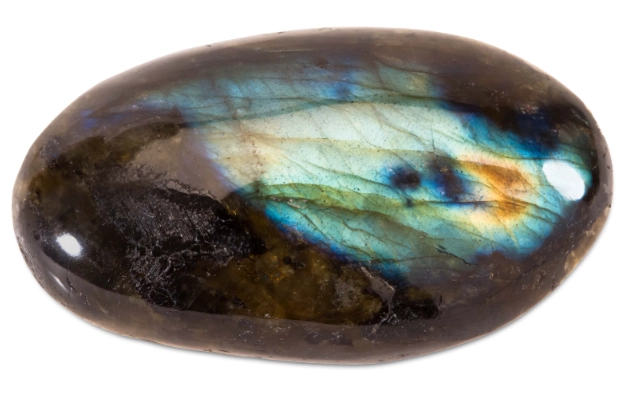
What You'll Learn in This Guide
- What is Labradorite and Where Does It Come From?
- The Science Behind Labradorite's Flash (Schiller Effect)
- Labradorite Healing Properties: More Than Just Pretty Colors
- How to Use Labradorite in Your Daily Life
- Buying Guide: How to Choose High-Quality Labradorite
- Common Myths and Misconceptions About Labradorite
What is Labradorite and Where Does It Come From?
Labradorite is a feldspar mineral, part of the plagioclase series. It's named after Labrador, Canada, where it was first discovered in the 1770s. But here's something most articles miss: not all labradorite is created equal. The best stuff often comes from Finland (specifically the Ylämaa region), Madagascar, and of course, Canada. I've handled stones from all over, and the Finnish material tends to have a more intense, electric blue flash—it's like comparing a sunset to a neon sign.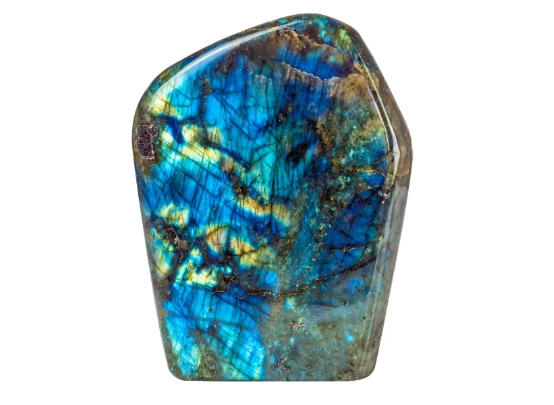
Geologically, it forms in igneous rocks like basalt. If you're ever rockhounding, look for dark, unassuming stones; the magic is hidden inside until you polish or break them open. The Gemological Institute of America (GIA) notes that labradorite's composition includes calcium and sodium, which contribute to its unique optical effects. You can find more details on their mineral database, but the key takeaway is that this isn't some synthetic gimmick—it's a natural wonder.
The Science Behind Labradorite's Flash (Schiller Effect)
That mesmerizing flash isn't magic—it's science. Called labradorescence or schiller, it happens due to light interference within the stone's layered structure. Think of it like oil on water: light bounces between microscopic layers, creating colors. The thickness of these layers determines the hue; thinner layers give blues and greens, thicker ones yield oranges and reds.
I've met collectors who chase only blue flashes, but that's a mistake. A stone with multicolored flashes can be just as valuable, if not more. The flash should be internal, not surface-level. Fake labradorite often uses coatings or dyes that look flat and uniform. A quick test? Rotate it under a lamp. Real labradorite's colors shift and dance; fakes stay static.
Pro tip: Don't judge a labradorite by photos online. Sellers use bright lights to enhance the flash. In person, it might be subtler but more authentic. I once bought a piece that looked vibrant online, but in daylight, it was dull—lesson learned.
Labradorite Healing Properties: More Than Just Pretty Colors
People ask me all the time: does labradorite actually heal? From my experience, it's less about magic and more about focus. The stone is often linked to intuition, protection, and emotional balance. Let's break it down.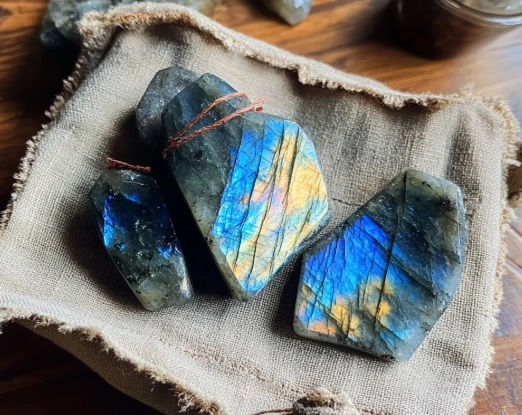
Emotional Healing
Labradorite is said to calm anxiety and reduce stress. I keep a tumbled stone on my desk; when work gets overwhelming, I'll roll it in my hand. It doesn't erase problems, but it helps me pause and breathe. Some users report it easing feelings of loneliness or fear—though I think that's partly placebo, and that's okay. The key is intention: if you believe it helps, it might.
Spiritual Growth
In crystal healing circles, labradorite is called the "stone of transformation." It's believed to enhance psychic abilities and connect you to higher realms. I'm skeptical of the supernatural claims, but I've seen it help people meditate better. The flash can be a focal point, distracting from intrusive thoughts. Try holding one during mindfulness sessions; you might find it easier to stay present.
Physical Benefits
There's no scientific proof, but anecdotal stories suggest labradorite can aid with eye health, digestion, and respiratory issues. I wouldn't replace medicine with it, but as a complementary tool, why not? A friend with migraines swears by placing a cool labradorite on her forehead—it's the temperature more than the stone, but it works for her.
How to Use Labradorite in Your Daily Life
You don't need to be a crystal guru to benefit from labradorite. Here are practical ways I've integrated it into my routine.
As Jewelry
Wearing labradorite as a necklace or ring keeps it close to your energy field. I prefer pendants because they sit near the heart, which aligns with its calming properties. But be careful: labradorite is relatively soft (6-6.5 on the Mohs scale). I ruined a beautiful bracelet by gardening with it—scratches everywhere. Opt for protective settings like bezels for daily wear.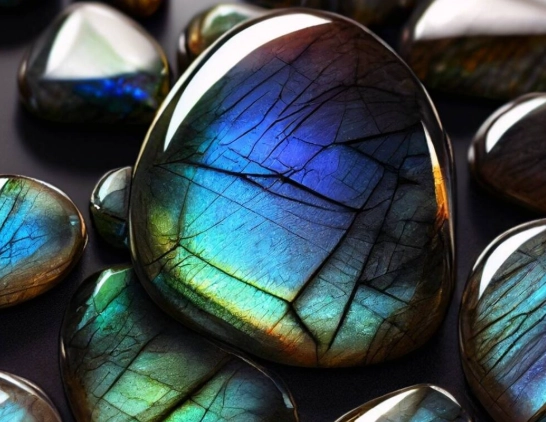
In Meditation
Place a labradorite slab or sphere in front of you during meditation. The colors can guide your focus. I've found that staring at the flash helps quiet my mind faster than counting breaths. Start with 5-minute sessions; you don't need hours to feel a difference.
For Home Decor
Labradorite makes stunning decor pieces. I have a bookend-sized chunk on my living room shelf. It catches the evening light and fills the room with soft blues. Avoid direct sunlight, though—UV rays can fade the flash over time. Also, don't just dump it in a corner; position it where you'll see it often, like a coffee table or entryway.
| Use Case | Best Form | Tips |
|---|---|---|
| Stress Relief | Tumbled stones or palm stones | Carry in pocket, hold during tense moments |
| Home Ambiance | Raw chunks or spheres | Place near indirect light sources |
| Spiritual Work | Pyramids or wands | Use on altars or during rituals |
Buying Guide: How to Choose High-Quality Labradorite
The market is flooded with labradorite, and quality varies wildly. Here's what I look for after years of buying.
Flash Quality: The flash should be bright and cover a good portion of the stone. Avoid pieces with only tiny specks of color—they're often lower grade. A full-face flash is ideal, but it'll cost more. I've seen stones priced from $10 to $500; don't assume expensive means better. Check the flash from multiple angles.
Color Range: While blue and green are popular, don't ignore stones with gold or purple flashes. They're rarer and can be stunning. My favorite piece has a peacock-like mix—it was a bargain because the seller undervalued it.
Clarity and Cut: Labradorite often has natural inclusions or cracks. Some are fine, but avoid large fractures that weaken the stone. The cut should enhance the flash; cabochons (domed shapes) are common for jewelry. For raw pieces, look for a smooth surface that reflects light well.
Where to Buy: Local rock shops are great for seeing stones in person. Online, I trust reputable sellers on platforms like Etsy or specialized sites like The Crystal Council. Read reviews, and ask for videos under different lighting. Avoid mass-market retailers; their labradorite is often treated or low-quality.
Personal story: I once bought a "premium" labradorite online that arrived with a glued-on crack. The seller claimed it was natural, but it felt cheap. Now, I always request a return policy before purchasing. It saved me from a few duds.
Common Myths and Misconceptions About Labradorite
Let's clear up some confusion. I hear these myths all the time, and they can lead to disappointment.
Myth 1: Labradorite works instantly for healing. Nope. It's a tool, not a cure-all. I've seen people expect immediate anxiety relief and get frustrated when it doesn't happen. Give it time—use it consistently over weeks, and pair it with other practices like therapy or exercise.
Myth 2: All labradorite is the same. As mentioned earlier, origin matters. Stones from different regions have unique characteristics. Finnish labradorite tends to be more vibrant, while Canadian stones might have a subtler flash. Don't let sellers fool you with vague labels.
Myth 3: It needs constant cleansing. Some say you must cleanse labradorite under moonlight or with sage weekly. I disagree. Over-cleansing can dull the stone. I clean mine maybe once a month with lukewarm water and a soft cloth. Trust your intuition; if it feels heavy or off, then cleanse it.
Myth 4: Labradorite is only for spiritual people. Not true. I know folks who buy it purely for aesthetics—it's a gorgeous decor piece. You don't need to believe in crystal energy to appreciate its beauty.
Your Labradorite Questions Answered
How can I tell if my labradorite is real or fake?
Look for the schiller effect—a dynamic flash that changes with light angles. Fake stones often have static, painted-on colors or a uniform sheen. Test it by rotating under a lamp; real labradorite's flash should be internal and shift subtly. Also, check for weight; genuine labradorite feels denser than plastic imitations.
What's the best way to use labradorite for anxiety relief?
Carry a small tumbled stone in your pocket or wear it as a pendant close to your chest. Many users find that holding it during stressful moments helps calm the mind. I've noticed it works better when paired with deep breathing—don't just rely on the stone alone. Try placing it on your nightstand for better sleep, too.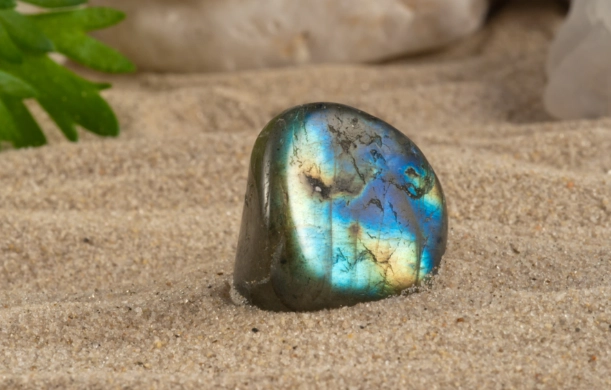
Can labradorite be used in home decor without losing its energy?
Yes, but placement matters. Avoid direct sunlight in windows, as UV rays can fade the flash over time. Instead, place it on a shelf or desk where indirect light highlights its colors. I often use it as a centerpiece in living rooms to create a calming vibe. Some say it protects the home, but I think it's more about the visual appeal.
Is labradorite safe to wear every day in jewelry?
Generally yes, but it's a softer stone (6-6.5 on Mohs scale). Avoid activities like gardening or sports where it might get scratched. I recommend setting it in protective bezels for rings or bracelets. Clean it gently with water, not harsh chemicals. Over time, it may develop a patina, but that can add character.
Labradorite isn't just another crystal trend—it's a versatile stone with depth. Whether you're drawn to its healing properties or its beauty, approach it with curiosity, not dogma. Start small, experiment, and see what works for you. And remember, the best labradorite is the one that speaks to you, flash or not.
Related Articles
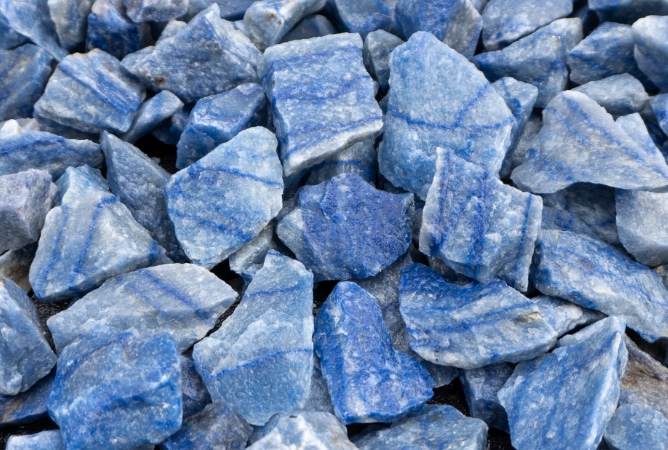
Blue Aventurine Meaning: Healing Properties, Uses & Benefits
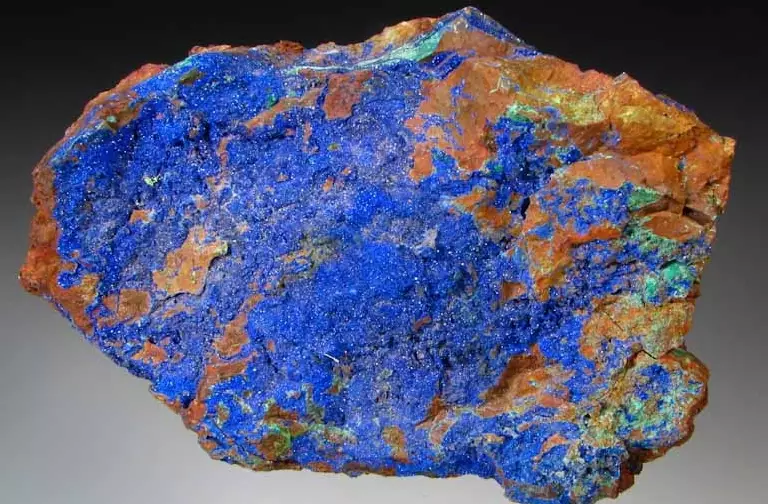
Azurite Mineral Guide: Properties, Value & How to Identify Genuine Stones
Moss Agate Stone: Meaning, Benefits & How to Use It
Blue Fluorite Meaning: Unlocking Its Secrets for Mind, Body & Spirit
Moss Agate Meaning Explained: Healing, Geology & How to Use It