You see "garnet" and probably think of a deep red stone. That's the common one, almandine. But let's talk about grossular garnet. It's the chameleon of the family. It can be a vibrant green that rivals emerald, a warm cinnamon brown, a soft peach, or even a colorless crystal. If you're only thinking red, you're missing a whole spectrum of beauty. I've handled hundreds of these stones, and the first time I saw a fine tsavorite—the green variety—under good light, it completely changed my idea of what a garnet could be. This guide isn't just a list of facts. It's about understanding why this stone is special, how to pick a good one, and what mistakes most beginners make.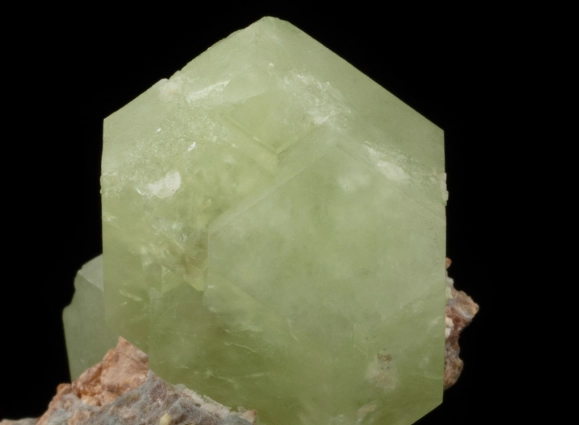
Your Quick Guide to Grossular Garnet
What Exactly Is Grossular Garnet?
Grossular is a calcium-aluminum silicate mineral. That's the technical bit. In plain English, it's a type of garnet that doesn't rely on iron for its color, which is why it breaks free from the classic red. The name comes from the botanical name for gooseberry, Ribes grossularia, because some of the pale green crystals resemble the fruit. It forms in metamorphic rocks, often where limestone has been altered by heat and pressure. Key sources include Kenya and Tanzania for the green tsavorite, Sri Lanka and India for the honey-brown hessonite, and Canada for a rare light green type.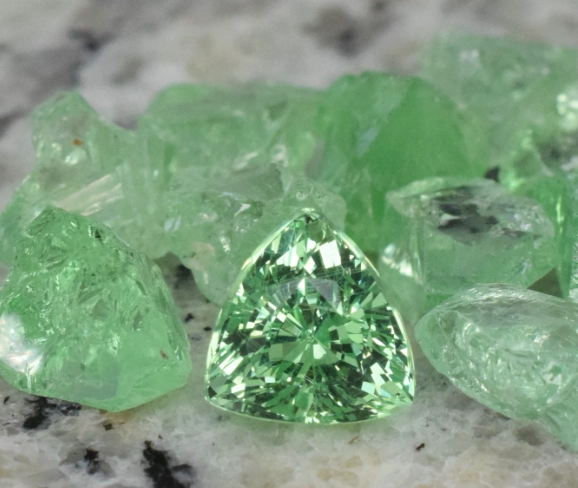
Here’s where most online guides stop. They'll tell you the Mohs hardness is 6.5 to 7.5, which is decent for jewelry. But they won't tell you the practical implication: the lower end of that scale (around 6.5-7) applies more to hessonite, which can be slightly softer and more prone to scratches than tsavorite, which sits at the harder end. That means your cinnamon-colored hessonite ring might need a bit more babying than your green tsavorite pendant if you're rough with your hands.
A quick note on value: Don't judge a grossular garnet by general "garnet" prices. A one-carat, high-quality tsavorite can cost thousands of dollars, putting it in the realm of fine gemstones. A one-carat, decent hessonite might be a few hundred. They're worlds apart in the market.
The Color Spectrum: From Tsavorite to Hessonite
This is where grossular gets exciting. Think of it in four main commercial categories.
| Variety | Defining Color | Key Source | What Drives Value & A Common Pitfall |
|---|---|---|---|
| Tsavorite | Vivid green to bluish-green | East Africa (Kenya, Tanzania) | Color saturation and clarity. The most valuable is a pure, intense green without yellow or gray tones. The pitfall? Many stones are cut too deep to retain weight, making them look dark. A well-cut stone should look bright even in moderate light. |
| Hessonite ("Cinnamon Stone") | Honey-yellow, orange-brown, cinnamon | Sri Lanka, India, Brazil | Clarity and that "treacly" look. Hessonite is known for a distinctive swirling, cloudy appearance due to inclusions. Completely clean stones are rare. Value is high for a rich, warm color with a pleasing, not muddy, internal texture. A common mistake is confusing low-quality, muddy brown hessonite with more valuable golden-orange pieces. |
| Hydrogrossular | Opaque green, pink, white (often mottled) | South Africa, New Zealand | Texture and color patterning. This is a massive, opaque form. It's popular for carvings and beads. The South African variety, sometimes called "Transvaal jade," is used as a jade simulant. Value is lower per carat but depends on the artistry of the carving and the attractiveness of the color blocks. |
| Leuco Garnet | Colorless to very pale | Tanzania, Kenya, Canada | Brilliance and size. It's all about diamond-like sparkle without the diamond price. Flawless, large stones with excellent cut are sought after. The challenge is that they often have subtle yellowish or grayish tints that kill the "colorless" effect. |
I remember a client who was disappointed her "green garnet" wasn't as sparkly as she hoped. She had bought a piece of hydrogrossular, expecting it to behave like a transparent tsavorite. They're both grossular, but one is a translucent gem and the other is an opaque ornamental stone. Knowing the variety name matters.
How to Buy Grossular Garnet: A Step-by-Step Plan
Buying blind online is risky. Follow this sequence to make a confident choice.
Step 1: Decide Your Budget and Primary Interest
Are you after investment-grade color (look at tsavorite), a unique earthy stone with spiritual vibes (hessonite fits), or a bold statement piece for a necklace (hydrogrossular carvings work)? Prices can range from $50 per carat for commercial-grade material to over $8,000 per carat for top tsavorite. Be honest with your budget first.
Step 2: Learn the Visual Language of Your Chosen Variety
For tsavorite, spend 20 minutes looking at images from reputable dealers like the Gemological Institute of America (GIA) to understand "vivid green." For hessonite, search for "treacly inclusion" to see the classic look. This prevents you from being misled by overly saturated product photos.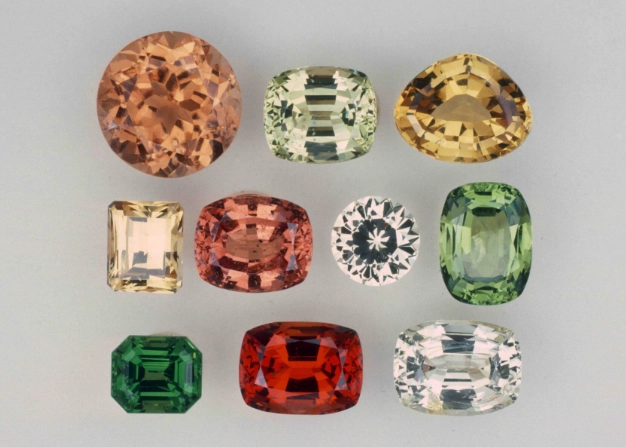
Step 3: Prioritize the 4 Cs for Transparent Stones
Color is king, especially for tsavorite. Then comes Cut—a poor cut drains life from the stone. Clarity matters, but some inclusions are expected (like in hessonite). Carat weight is last; a smaller, beautiful stone is better than a large, dull one.
Step 4: Find a Reputable Seller and Ask Specific Questions
Don't just ask "is this real?" Ask:
- "Can you describe the undertone of this green? Is it yellowish, bluish, or pure?"
- "Are the inclusions in this hessonite likely to affect durability for a ring setting?"
- "Do you have a video of the stone rotating under natural light?" (This is crucial).
- "Is this stone treated in any way?" (Grossular is typically untreated, but always verify).
Reputable sellers will provide a lab report from GIA, AGL, or similar for valuable stones. For mineral specimens, a source like Mindat is an excellent reference for locality information.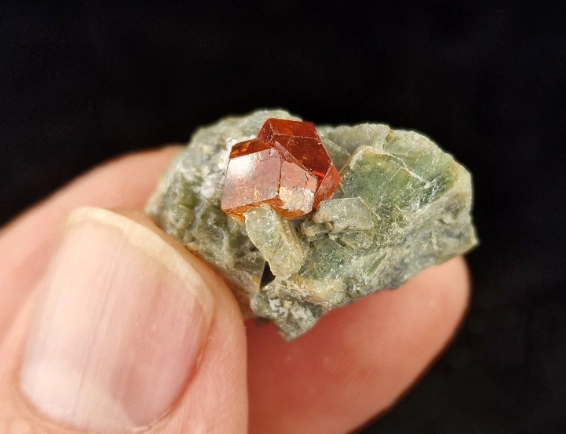
Spiritual Meanings & Healing Properties
In crystal healing circles, grossular garnet is often called a "stone of abundance." But that's a broad label. The energy differs notably by color.
People gravitate toward tsavorite for heart chakra work—it's linked to revitalization, growth, and attracting prosperity that feels fresh and new. Hessonite is different. With its earthy, warm tones, it's traditionally associated with clearing past karmic blocks, especially related to wealth and self-worth. It's less about attracting new money and more about removing internal barriers to the abundance already around you.
Here's a practical, non-fluffy way to use them. If you're starting a new project, keep a tsavorite where you plan your work. Its vibrant energy can help combat procrastination. If you're dealing with old financial anxieties or repeating negative patterns, meditate with a hessonite, focusing on the feeling of release. The tactile, often included texture of hessonite makes it great for grounding during that process.
I'm skeptical of over-the-top claims, but anecdotally, many collectors report that simply having these stones around shifts their focus. A client who kept a small tsavorite on her desk said it reminded her to seek "green shoots" of opportunity. That mindful shift alone can be powerful.
How to Identify and Care for Your Stone
You won't have a refractometer at home, but you can make smart observations.
Tsavorite vs. Emerald: Tsavorite has a higher refractive index, meaning it can be sparklier than many emeralds. It's also typically more included, but with different types of inclusions (often needle-like actinolite). Emerald is almost always heavily included with jardins (garden-like inclusions). Tsavorite is also notably more durable for daily wear.
Hessonite vs. Spessartine Garnet: This is tricky. Both can be orange-brown. Hessonite tends to have that signature "treacly" cloudiness. Spessartine (another garnet) is usually cleaner and has a more fiery, vivid orange. If it's super clean and electric orange, it's probably not hessonite.
Care Instructions That Actually Work:
1. Ultrasonic cleaners are a firm NO. The vibrations can exacerbate fractures, especially in included hessonite. I've seen stones fracture this way.
2. Use warm, soapy water and a soft toothbrush. Rinse well.
3. Store separately. Even though garnet is hard, tsavorite can scratch softer stones and hessonite can be scratched by harder ones like sapphire.
4. Avoid sudden temperature changes and harsh chemicals (bleach, acids).
Your Questions Answered
Is grossular garnet durable enough for an engagement ring?
It depends on the variety and your lifestyle. Tsavorite (7-7.5 on the Mohs scale) is a decent choice for a ring if set in a protective bezel or halo setting. Hessonite (6.5-7) is softer and more included, making it riskier for a ring you'll wear every day. For a daily-wear ring, I'd recommend tsavorite in a protective setting or consider it for a pendant or earrings instead.
What's the biggest mistake people make when buying tsavorite online?
They buy based on a single, perfectly lit, static photo. The stone can look vibrant green in that shot but dark olive or grayish in normal room light. Always, always ask for a video of the stone rotating under different light sources (daylight, indoor light). A reputable dealer will provide this without hesitation. If they won't, shop elsewhere.
I've heard hessonite called the "stone of wealth." Is investing in hessonite a good financial move?
Treat gemstone investing with extreme caution. While fine tsavorite has shown steady appreciation due to its rarity, hessonite's market is more niche. Its value is less about pure investment and more about its unique beauty and metaphysical following. Buy hessonite because you love its warm, earthy character, not because you expect a financial windfall. For investment, stick to top-color, well-documented tsavorite from known localities, and view it as a long-term, illiquid asset.
How can I tell a real grossular garnet from a cheap imitation like glass?
Glass feels warmer to the touch than crystal. Under a 10x loupe (a jeweler's best friend), glass often has swirls, bubbles, and is too perfect. Natural stones have inclusions, growth lines, and crystalline structures. Grossular garnet will also be noticeably heavy for its size (high specific gravity). The best test for the consumer is to buy from a trusted source with a return policy and, for any significant purchase, insist on a lab report.
Are there any ethical concerns with mining grossular garnet?
The mining of tsavorite in East Africa has, at times, been linked to challenging small-scale artisanal mining conditions. The best way to ensure ethical sourcing is to ask dealers about their supply chain. Do they work directly with mining cooperatives? Can they trace the stone's origin? Reputable dealers are increasingly transparent about this. For hessonite, much material comes from established mines in Sri Lanka with more regulated practices.
Related Articles
Mookaite Meaning: Healing Properties, Uses & Identification Guide
Tigerseye Meaning & Uses: A Complete Guide to the Stone of Courage
Metaphysical Properties of Labradorite: A Guide to Spiritual Power
Moon Stone Uses: Spiritual Healing, Jewelry & Practical Guide
Blue Jadeite: The Complete Guide to Meaning, Value & Care