Quick Navigation Guide
- The Nuts and Bolts: What Lapis Lazuli Actually Is
- The Physical Side: When Your Body Says "No"
- The Energetic & Metaphysical Side: When Your Mind Says "Whoa"
- Practical and Lifestyle Considerations
- So, What CAN You Do If You Love Lapis But Are Cautious?
- Your Questions Answered: The Lapis Lazuli FAQ
- The Final Verdict: Making Your Personal Choice
Let's talk about Lapis Lazuli. You've seen it everywhere – stunning deep blue beads, statement rings, pendants with those little flecks of gold. It's gorgeous. It's popular in spiritual circles for opening the third eye and boosting wisdom. But here's the thing nobody really talks about at those crystal fairs: lapis isn't for everyone. In fact, for some people, wearing it can be a genuinely bad idea. So, who should not wear Lapis? That's the million-dollar question, and the answer isn't as simple as you might think. It's not just about allergies (though that's a big part). It's about your energy, your lifestyle, even your health conditions. I've seen people buy a beautiful lapis bracelet only to take it off a week later because it made them feel anxious or gave them a rash. It happens more often than you'd guess.
This guide isn't here to scare you away from lapis. I love the stone myself. But I believe in informed choices. Blindly following trends without understanding a stone's properties can lead to discomfort at best and real problems at worst. We're going to dig into the gritty details, from the literal physical composition of lapis to the more subtle energetic reports from long-term users. By the end, you'll have a clear picture of whether this ancient stone is a friend or foe for you personally.
The Nuts and Bolts: What Lapis Lazuli Actually Is
To understand who should not wear Lapis, you first need to know what you're dealing with. Lapis Lazuli isn't a single mineral. It's a rock, a mixture of several minerals. The main ones are lazurite (which gives it that iconic blue), calcite (white streaks), and pyrite (the fool's gold specks). This combo is crucial. Lazurite itself can contain sulfur, which is part of why some people react to it. Calcite is a softer mineral, making lapis more prone to scratching and damage from chemicals. And pyrite? Well, it's an iron sulfide. This mineral cocktail is beautiful, but it's also what creates most of the contraindications.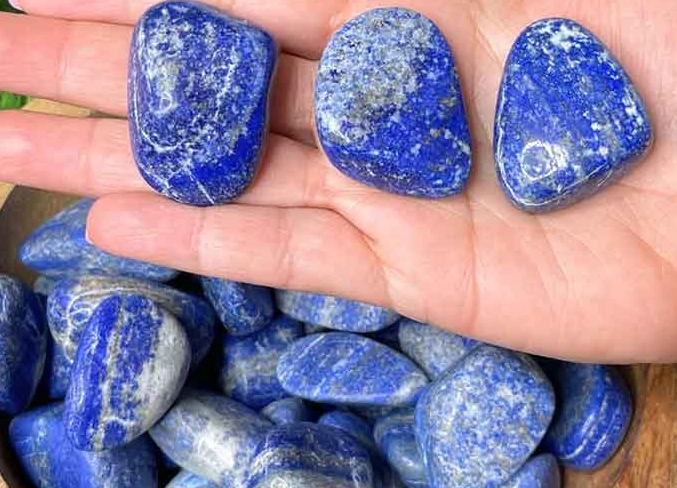
Historically, it was ground into ultramarine pigment for priceless paintings. Today, it's often dyed or treated to enhance its color. Lower-quality lapis might be reconstituted or heavily stabilized with resins. If you're sensitive, these treatments can add another layer of potential irritants. Always ask about the treatment history of your stone if you can. A reputable source like the Gemological Institute of America (GIA) has great resources on identifying natural vs. treated stones, which is a good starting point for any serious buyer.
So, with that basic chemistry in mind, let's get into the specific groups of people who might want to think twice.
The Physical Side: When Your Body Says "No"
This is the most straightforward category. If your skin or body has a physical reaction, that's a clear sign. Who should not wear Lapis from a purely physical standpoint?
People with Sensitive Skin or Metal Allergies
This is the big one. The pyrite (iron sulfide) in lapis can react with sweat and skin oils. For some, this causes discoloration (a black or greenish mark on the skin). For others, it triggers contact dermatitis – redness, itching, even small blisters. It's not super common, but it's common enough that I hear about it regularly. If you know you're sensitive to costume jewelry or certain metals, be cautious with raw or unsealed lapis jewelry that sits directly on your skin for long periods.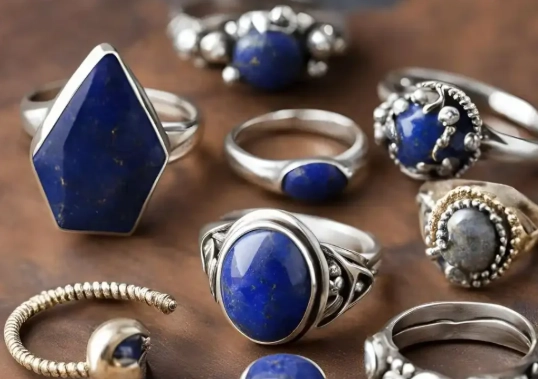
I remember a friend who bought a lovely lapis ring. After two days of wearing it, she had a perfect, itchy red rectangle around her finger. She was heartbroken. The solution? She had a jeweler coat the inside of the ring bezel with a clear, hypoallergenic sealant. Problem solved. But it's something to consider.
Individuals with Certain Health Conditions
This gets into more nuanced territory, but it's worth mentioning. Some traditional and alternative healing systems associate lapis with affecting blood pressure and the nervous system. There is zero conclusive scientific evidence for this, but the anecdotal reports are persistent. Some people claim it makes them feel overstimulated or dizzy.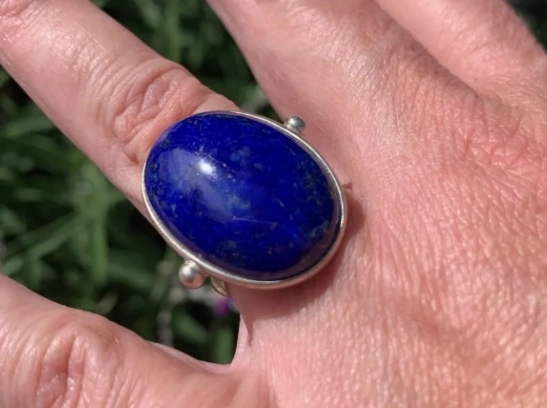
If you have a condition like severe hypertension, epilepsy, or extreme anxiety disorders, the conservative approach is to be mindful. Could a blue stone really affect your blood pressure? Probably not in a direct, pharmacological way. But if you're someone who is highly suggestible or sensitive to stimuli, the perception of its power might cause a placebo (or nocebo) effect. Your mental state is powerful. If you believe a stone will overstimulate you, it just might. For these individuals, the question of who should not wear Lapis becomes about personal sensitivity and precaution.
Anyone Doing Manual Labor or Using Harsh Chemicals
Lapis has a Mohs hardness of about 5-5.5. That means it's relatively soft. Quartz (hardness 7) in everyday dust can scratch it. Bumping it against a table can chip it. The calcite in it is particularly vulnerable to acids. So, if you work with your hands, garden, clean with vinegar or other chemicals, or hit the gym hard, wearing a lapis ring or bracelet is a recipe for a damaged stone. It's not that you *can't* wear it, but you probably *shouldn't* during those activities unless you're okay with it getting dull and scratched. Save it for calmer moments.
Here’s a quick table to sum up the physical reasons:
| Who Might Be Affected | Primary Reason | What Might Happen | Safer Alternative |
|---|---|---|---|
| People with sensitive skin/metal allergies | Reaction to pyrite (iron sulfide) in the stone. | Skin discoloration, contact dermatitis (itchy rash). | Seek sealed jewelry, or try sodalite (similar color, no pyrite). |
| Highly suggestible individuals with specific conditions | Energetic overstimulation (anecdotal). | Feelings of anxiety, restlessness, or dizziness. | Grounding stones like hematite or smoky quartz first. |
| Active individuals / manual workers | Low hardness (5-5.5), sensitivity to acids. | Stone gets scratched, chipped, or chemically damaged. | Wear only during sedentary activities, or choose a harder blue stone like sapphire. |
The Energetic & Metaphysical Side: When Your Mind Says "Whoa"
This is where it gets interesting, and frankly, where a lot of the confusion lies. In crystal healing traditions, lapis is a powerful third eye and throat chakra stone. It's linked to truth, self-awareness, communication, and piercing through illusion. That's intense energy. Not everyone is ready for that, or needs that, all the time.
Absolute Beginners to Crystal Work
If you're just dipping your toes into the world of crystals, starting with lapis is like learning to drive in a Ferrari. It's powerful and can be overwhelming. Beginners often do better with gentler, more grounding stones like clear quartz, amethyst, or carnelian. Lapis can bring up deep, sometimes uncomfortable truths and memories as it "opens" the third eye. Without the emotional framework or experience to process that, it can lead to anxiety or vivid, disturbing dreams. I often tell newbies to get to know other stones first, then invite lapis in when they feel more centered.
Empaths and Highly Sensitive People (HSPs) During Overwhelming Times
This is a crucial point. Empaths absorb energy from their environment. Lapis is an amplifying stone. Wearing it in a chaotic setting—a crowded mall, a stressful office, a conflict-filled family gathering—can be like turning your sensitivity dial up to eleven. Instead of feeling clear-headed, you might feel bombarded and unable to filter the emotional noise. If you're an HSP going through a period of high stress or emotional turmoil, lapis might add to the intensity rather than clarify it. It might be better to use a stone that protects and grounds, like black tourmaline, until the storm passes.
People Who Prefer Comfort Over Truth
This sounds harsh, but it's real. Lapis is associated with brutal honesty—with yourself and others. If you are in a phase of life where you are consciously choosing to ignore a problem, maintain a polite fiction, or avoid a difficult conversation for your own peace of mind, lapis energy might feel irritating or pushy. It nudges you towards authenticity. If you're not ready for that nudge, the stone can create a sense of inner conflict. You might just find yourself annoyed at it for no apparent reason. That's often a sign it's working on something you're not ready to face.
So, energetically speaking, who should not wear Lapis? Anyone who feels energetically fragile, ungrounded, or actively avoiding deep self-confrontation.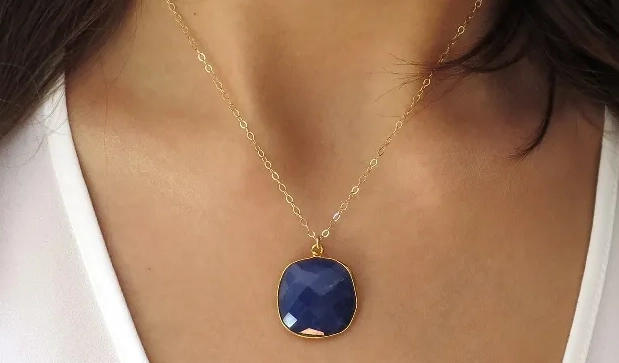
Practical and Lifestyle Considerations
Beyond body and energy, there are plain old practical reasons.
Small Children and Pets
Lapis jewelry on small kids is a bad idea. The stones can be a choking hazard if they break, and the potential for skin irritation is higher on delicate skin. Pets, similarly, should not wear or have access to lapis beads. If ingested, the minerals could cause internal issues. Better to keep lapis as a decorative piece on a high shelf.
People Seeking a "Quick Fix" or Passive Healing
Lapis isn't a magic pill. It's often called a "stone of total awareness." That means it might show you your problems in stark detail, but it won't solve them for you. It requires active participation—journaling, meditation, taking steps to change. If you're looking for a stone to just make you feel good without effort, try rose quartz. Lapis is more of a demanding teacher than a comforting blanket.
So, What CAN You Do If You Love Lapis But Are Cautious?
Don't despair if you fall into one of these categories. You might not have to give up on lapis entirely. Here are some workarounds:
- Don't Wear It, Keep It Nearby: Place a lapis stone on your desk, bedside table, or altar. You can benefit from its visual beauty and ambient energy without direct skin contact or constant energetic pressure.
- Short, Intentional Sessions: Hold a lapis tumblestone during a 10-minute meditation, then put it away. This gives you a controlled dose of its energy.
- Pair It with a Grounding Stone: If you want to wear it but worry about overstimulation, pair it with a grounding stone like hematite or garnet in the same piece of jewelry or on the other hand. The grounding stone can act as an anchor.
- Opt for Sealed or Bezel-Set Jewelry: For skin sensitivity, have a jeweler seal the back of the stone, or choose pieces where the lapis is set in a bezel so only the face shows, and the back/sides are protected by metal.
- Explore Similar Stones (The "Lapis Alternatives"): If lapis is a definite no-go, try these:
- Sodalite: A deep blue stone often confused with lapis, but without the pyrite flecks. Great for logic, communication, and calm. Much gentler for empaths.
- Azurite: A darker, richer blue. More focused on deep psychic insight and less on the verbal expression of lapis. Can also be intense, but in a different way.
- Blue Lace Agate: A soft, light blue. The ultimate gentle communication stone. Soothing and calming, the opposite of lapis's intensity.
Your Questions Answered: The Lapis Lazuli FAQ
Can wearing Lapis Lazuli cause bad luck?
Not in a supernatural sense. But if it causes a skin rash, makes you anxious, or you damage an expensive piece because you wore it gardening, you might feel unlucky. Its "bad luck" is usually a practical mismatch, not a curse.
I wore Lapis and had a vivid nightmare. Is this normal?
It's a common report, actually. Because lapis is linked to the third eye (the seat of intuition and dreams) and uncovering truth, it can stir up the subconscious. If you're not used to that, it can manifest as intense or unsettling dreams. It's often a sign it's working, but if it's too much, take a break from wearing it to sleep.
Is Lapis Lazuli safe to get wet?
Not really. Prolonged exposure to water, especially soapy or salt water, can damage the stone. It can seep into tiny cracks, dull the polish, and weaken any treatments. Take it off before showering, swimming, or washing dishes. The American Gem Society generally advises caution with porous or treated stones around water.
Can I wear Lapis Lazuli every day?
You can, but should you? For the stone's longevity, daily wear exposes it to more bumps, scratches, and chemicals. For you, energetically, it's a lot of high-vibration energy constantly. Many people find they prefer to wear it when they need a boost in clarity, communication, or creativity, not as a daily default. Listen to how you feel.
What zodiac signs should avoid Lapis Lazuli?
This is purely astrological belief, not science. Some traditions say very fiery, impulsive signs like Aries or Sagittarius might find lapis too mentally stimulating, preferring grounding stones. But many Sagittarians love it for its wisdom aspect. It's highly personal. Your personal energy matters more than your sun sign.
How can I test if I'm sensitive to Lapis before committing?
Great question. Do a patch test. Hold a clean piece of lapis against the skin on the inside of your wrist or elbow for 20-30 minutes. Wait 24 hours. Any redness or itching? That's a physical red flag. For an energetic test, simply hold a stone quietly for 5 minutes. Do you feel calm and focused, or suddenly scattered and anxious? Start with short interactions.
The Final Verdict: Making Your Personal Choice
Figuring out who should not wear Lapis boils down to self-awareness. It's a powerful, beautiful, but demanding stone. It asks something of you.
Here’s my personal, no-nonsense summary list. You might want to avoid wearing lapis directly and frequently if you:
- Get skin rashes from costume jewelry or certain metals. (The pyrite is a likely culprit.)
- Are an empath or HSP currently feeling overwhelmed or in chaotic environments. (It can amplify everything, good and bad.)
- Are a complete beginner to crystals and feeling emotionally vulnerable. (Start with something gentler.)
- Are actively avoiding a difficult truth or confrontation in your life. (It will poke at that.)
- Have a job or hobby that is rough on jewelry. (You'll ruin a soft stone.)
- Tried it and consistently had negative reactions (headaches, anxiety, weird dreams) that stopped when you took it off.
For everyone else? Lapis can be an incredible ally. It promotes honesty, intellectual ability, and spiritual insight. The key is to approach it with respect, not as a mere fashion accessory. Start slow. Pay attention. And don't feel pressured to use a stone just because it's popular.
The world of crystals is vast. If lapis isn't your friend, there's absolutely another beautiful, powerful stone out there that is. The goal is to feel good, balanced, and supported—not to force a relationship with a rock that doesn't suit you. Trust your own intuition above any blog post or guru. You know yourself best.
Related Articles
Clear Quartz Spiritual Meaning: The Ultimate Guide to the Master Healer
Ruby Stone Month: The Complete Guide to July's Birthstone
Selenite Properties: Complete Guide to Healing and Spiritual Benefits