Quick Guide
- What Is Rhodonite, Really? Beyond the Pink and Black
- The Core Healing Vibe: What Rhodonite Is Said to Do
- Okay, I'm Interested. How Do I Actually Use This Thing?
- Pairing Up: What Works Well With Rhodonite?
- Keeping It Fresh: How (and Why) to Cleanse Your Rhodonite
- Straight Answers: Your Rhodonite Questions
- My Take: The Real "Magic" Isn't in the Stone
Let's talk about rhodonite. You've probably seen it – those pretty pink stones with black veins running through them, looking a bit like a slice of cosmic cake. It's beautiful, sure. But if you're here, you're not just looking for a pretty rock. You're wondering if it can actually do something. Can it help with that heavy feeling in your chest after an argument? Can it calm the mind that just won't shut off? In short, you want to know how to use rhodonite for healing in a way that feels real and practical, not just mystical fluff.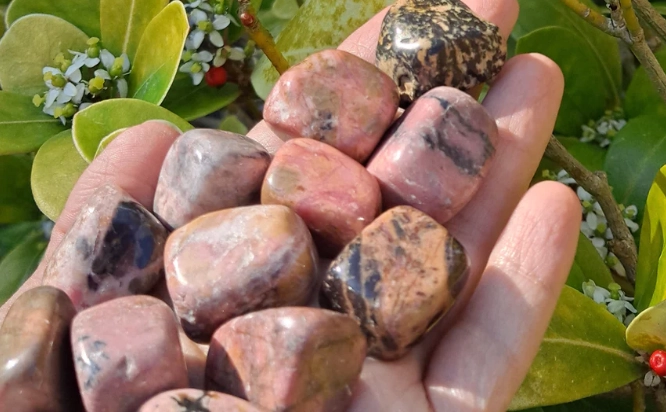
I get it. The crystal world is full of big claims. I was skeptical too. My first piece of rhodonite was a gift, and it sat on my shelf for months because I just didn't "get" it. Then, during a particularly tough patch of holding onto old resentments, I kept being drawn to it. That's when I started digging, experimenting, and honestly, seeing some shifts. This guide is what I wish I had back then – no jargon, no pressure, just clear, actionable ways to bring this stone into your life.
What Is Rhodonite, Really? Beyond the Pink and Black
Before we jump into the how, it helps to know the what. Rhodonite is a manganese silicate mineral. The pink comes from manganese, and the black veins are typically manganese oxide. It's not the hardest stone out there (around 5.5-6.5 on the Mohs scale), so you want to be a bit careful with it. Geologically, it's found in places like Australia, Russia, Sweden, and here in the US, like in Massachusetts.
But for most of us, the technical specs matter less than the story. It's often called the "stone of compassion" or the "rescue stone." The name itself comes from the Greek word 'rhodon', meaning rose. That's a big clue right there. We're dealing with a heart-centered energy. But unlike rose quartz, which is all about gentle, universal love, rhodonite has a grittier, more practical job. It deals with the messy, veined, sometimes black-and-blue areas of the heart – forgiveness, reconciliation, and healing from emotional trauma.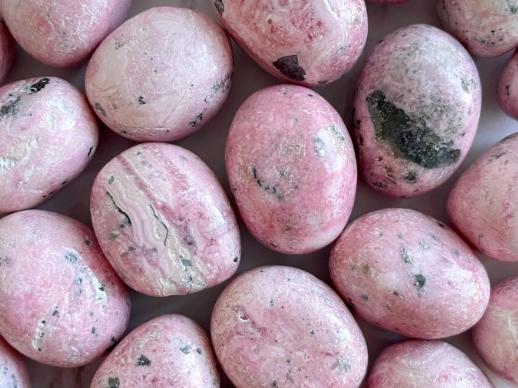
The Core Healing Vibe: What Rhodonite Is Said to Do
So, what's the deal? Why do people seek out rhodonite for healing? Based on tradition, anecdotal experiences (like my own), and the way it's discussed in complementary practice circles, its reputation centers on a few key areas.
Emotional First-Aid and Old Wounds
This is its superstar talent. Imagine emotional shock or acute stress like a sprain. Rhodonite is like the emotional ice pack. It's said to have a calming, stabilizing effect when emotions are running high. But its deeper work is on old wounds – those resentments, betrayals, or childhood pains we carry around. The idea is that it doesn't just soothe; it helps you look at the wound, understand it, and finally start to let it go. It encourages forgiveness, but importantly, starting with forgiveness of yourself. You can't really forgive others if you're still beating yourself up, right?
Clearing Emotional Clutter for Mental Focus
Ever tried to work or focus but your brain is just a chaotic mess of worries, to-do lists, and replaying awkward conversations? There's a thought that rhodonite can help here too. By calming the emotional storm, it's believed to clear mental space. It's not a stimulant like some stones are said to be; it's more of a tranquilizer for the emotional noise that distracts us. I've found it useful on my desk during work when I'm feeling particularly scattered or sensitive.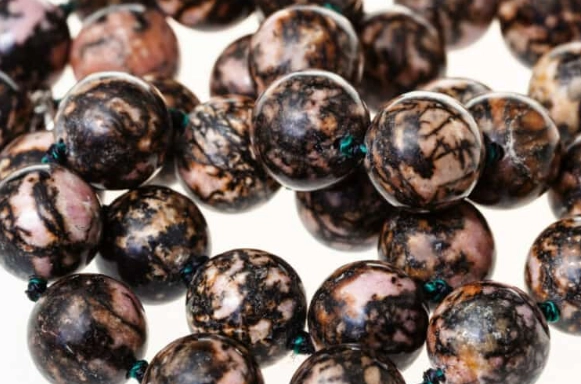
A Support for the Physical Heart (The Important Disclaimer)
In metaphysical circles, rhodonite is often associated with the heart chakra and, by extension, the physical heart. Some users report feeling a sense of support for circulatory health or recovery from illness. This is absolutely crucial: Crystal healing is a complementary practice. It is not a substitute for professional medical advice, diagnosis, or treatment. If you have any concerns about your heart or health, you must consult a qualified healthcare provider. Think of rhodonite or any crystal as a supportive friend, not a doctor. The American Heart Association is a fantastic resource for evidence-based information on heart health.
Okay, I'm Interested. How Do I Actually Use This Thing?
Finally, the practical stuff. This is the core of how to use rhodonite for healing. There's no single right way. It's about what fits into your life and feels meaningful to you. Here are the most common and effective methods.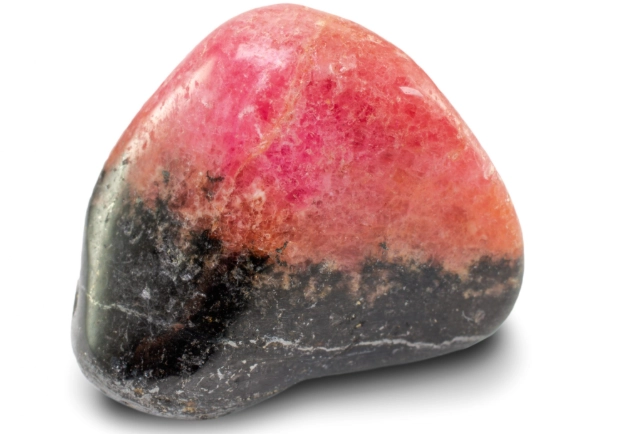
1. The Direct Approach: Meditation and Quiet Time
This is where you can really connect with the stone's energy. You don't need to be a meditation guru. Just find five quiet minutes.
- Hold the rhodonite in your receiving hand (usually your non-dominant hand) or place it over your heart center.
- Close your eyes and take a few deep breaths. Don't force anything.
- You might set a simple intention like, "I am open to releasing old pain," or "I invite calm and compassion." Or have no intention at all – just feel the weight and temperature of the stone.
- Notice any thoughts, images, or feelings that arise. Sometimes it's nothing. Sometimes it's a memory that needs attention. Just observe.
The key is consistency, not duration. Five minutes daily is better than an hour once a month. It's in these quiet moments that the symbolic act of holding a "stone of compassion" can gently redirect your inner dialogue.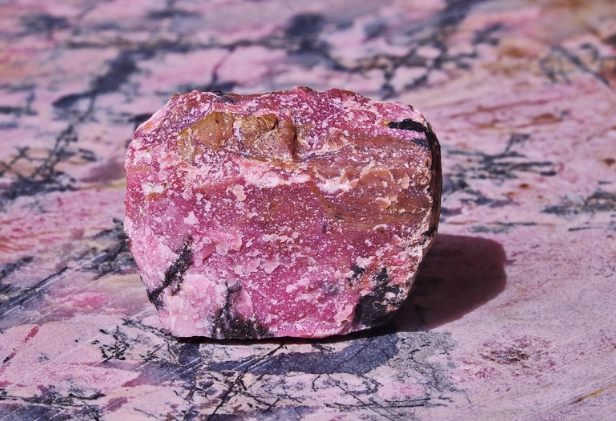
2. Carry It With You: Your Pocket-Sized Companion
This is my personal favorite method for using rhodonite for healing on the go. Get a small tumble stone or a worry stone. Keep it in your pocket, your purse, or your bra. When you feel anxiety bubbling up, a wave of anger, or that familiar pang of an old hurt, just put your hand in your pocket and hold it. Feel its surface. It acts as a physical anchor, pulling you out of your spinning thoughts and back into your body. It's a discreet, immediate way to apply a "pause" button to emotional reactivity.
3. Wear It: Constant Contact for Subtle Shifts
Jewelry is a powerful way to work with crystals because it keeps them in your energy field all day. A rhodonite pendant, worn near the heart, is a classic choice. Bracelets or rings work too. The benefit here is a slow, steady influence. You're not necessarily doing an active practice, but you're allowing its purported energy to be a background player in your day. Plus, it's a beautiful conversation starter! Just remember it's a softer stone, so avoid harsh knocks or chemicals.
4. Create a Healing Space: Grids and Home Placement
This is for when you want to set up a dedicated zone for emotional healing. A simple practice is to place a piece of rhodonite on your nightstand to encourage compassionate dreams and release during sleep. Or put one in your living room where family gathers, to (hopefully) promote more patient and understanding interactions.
For a more structured approach, you can create a crystal grid. This is simply an intentional arrangement of stones. A basic heart-healing grid might place a rhodonite at the center, surrounded by other supportive stones like rose quartz (for love) and black tourmaline (for grounding). You place them with the intention of creating a focal point for healing energy in your home. Is it scientifically proven? No. But the act of carefully creating something with a clear purpose is itself a form of mindfulness therapy.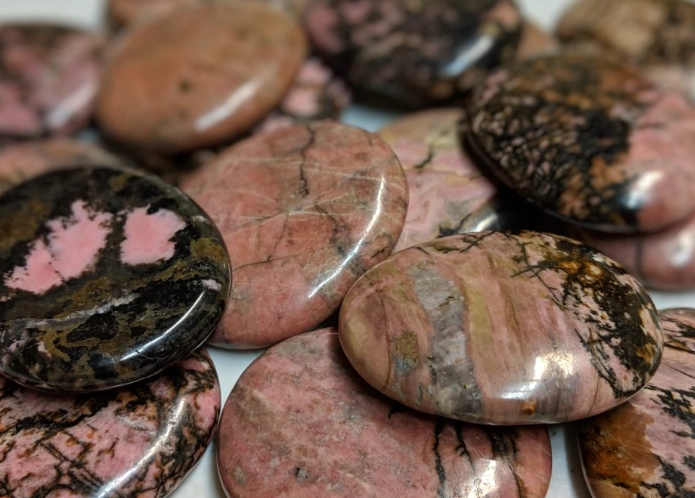
5. Elixirs and Water? A Word of Caution.
You might read about making crystal elixirs by placing stones in water. With rhodonite, I strongly advise against direct contact with water for ingestion. Rhodonite contains manganese, and some specimens may contain trace elements you don't want to consume. If you want to work with rhodonite in a "potable" way, use the indirect method: place your cleansed stone in a glass bowl, then place that bowl inside a larger pitcher of water, so the stone never touches the water you drink. Even then, this is for energetic purposes only, not as a source of minerals. Your body's minerals should come from food and supplements advised by a professional. Stick to wearing, holding, or meditating with it for safety.
Pairing Up: What Works Well With Rhodonite?
Rhodonite doesn't need friends, but it plays well with others. Combining crystals can address multiple facets of an issue. Here’s a quick look at some powerful pairings.
| Crystal Companion | Its Primary Vibe | Why It Pairs Well with Rhodonite |
|---|---|---|
| Rose Quartz | Gentle, unconditional love | Rhodonite does the surgery on old wounds; rose quartz provides the soothing balm of love afterward. A classic heart-healing duo. |
| Black Tourmaline | Grounding, protection | When working on deep emotional pain, it's easy to feel ungrounded or vulnerable. Black tourmaline roots you to the earth and shields you from negativity. |
| Clear Quartz | Amplification, clarity | Think of clear quartz as a battery and a lens. It can amplify rhodonite's healing intention and bring greater clarity to the emotional patterns you're trying to understand. |
| Amazonite | Calming, truthful communication | After rhodonite helps heal inner turmoil, amazonite can support you in calmly speaking your truth to others, especially in tense situations. |
| Smoky Quartz | Detoxification, release | Smoky quartz is fantastic for pulling out deep-seated negativity and stress. Pair it with rhodonite to release the emotional charge attached to those toxins. |
Keeping It Fresh: How (and Why) to Cleanse Your Rhodonite
Think of your crystal like a sponge. The belief is that it can absorb emotional and energetic "stuff" from its environment. Cleansing is like wringing that sponge out. It's less about dirt and more about resetting its energy. How often? Trust your intuition. If it starts to feel heavy, dull, or just "off," it's time. After an intense emotional session is also a good cue.
Safe Methods for Rhodonite:
- Running Water: A quick rinse under lukewarm tap water is fine for physical cleaning. Pat dry immediately. (Avoid soaking due to its softness).
- Smoke: Passing it through the smoke of sage, palo santo, or incense is a popular and gentle method.
- Sound: Using a singing bowl, bell, or even chanting near it.
- Moonlight: Placing it on a windowsill overnight during a full moon. Sunlight can fade its pink color, so I'd avoid direct sun.
- Other Crystals: Burying it in a bowl of dry brown rice or placing it on a large selenite plate or cluster overnight.
Straight Answers: Your Rhodonite Questions
Let's tackle some of the specific questions people have when they're figuring out how to use rhodonite for healing.
Many users, myself included, find it helpful for anxiety that's rooted in emotional overwhelm or past hurts. Its calming, grounding reputation can provide a sense of stability during anxious moments, especially when held or carried. It's not a magic cure, but as a focal point for breathing and centering, it can be a valuable tool in your anxiety-management kit.
Primarily the Heart Chakra (Anahata). This is the center of love, compassion, forgiveness, and emotional balance. A blocked heart chakra might manifest as jealousy, bitterness, or an inability to let go. Working with rhodonite is believed to help unblock and balance this energy center. Some also associate it with the Root Chakra for grounding emotional energy into the physical body.
Real rhodonite is cool to the touch, has an uneven, often waxy luster, and contains those characteristic black or dark brown veins of manganese oxide. The pink can vary from pale to deep rose. Fake rhodonite is often made of dyed glass or resin – it will feel warmer, have bubbles, or the color/veins will look too perfect and uniform. Buying from a reputable dealer is your best bet. For mineralogical data, you can always cross-reference with a trusted source like Mindat, the mineral database.
Absolutely. In fact, I'd say it's one of the better stones for beginners because its effects on the emotions are often felt quite readily. It's not an overly intense or "high-vibration" stone that can be disorienting. Its energy is generally described as gentle, comforting, and steady—perfect for starting your exploration of how to use rhodonite for healing.
Great question! They're both pink manganese minerals and are confused all the time. Rhodochrosite is usually a brighter, hot pink or red with white bands (often in concentric circles), not black veins. It's softer and more expensive. Energetically, rhodochrosite is more about passionate, joyful love and healing deep emotional wounds from a place of childlike innocence. Rhodonite is more about the practical, sometimes gritty work of forgiveness and emotional repair. Think of rhodochrosite as the feeling of falling in love, and rhodonite as the work of making a long-term relationship healthy.
My Take: The Real "Magic" Isn't in the Stone
After years of having rhodonite around, here's my honest, maybe slightly cynical, but ultimately positive conclusion. The stone itself isn't emitting some magical healing beam. The power comes from you. When you choose to hold a stone called the "stone of compassion," you are making a conscious choice to focus on compassion. You are creating a ritual. You are giving your mind a tangible symbol to latch onto.
That act, that intention, is incredibly powerful. It shifts your focus from the problem to a chosen solution (calm, forgiveness, balance). Neuroscience talks about neuroplasticity – how focusing your attention can rewire your brain. In a way, using rhodonite is a tool for focused attention. It's a placeholder for your intention to heal.
So, does it work? If by "work" you mean it will single-handedly fix a broken relationship or erase trauma, no. But if by "work" you mean it can be a beautiful, meaningful, and effective tool to help you cultivate self-compassion, interrupt negative emotional patterns, and create moments of peace, then yes, absolutely. That's the real secret of how to use rhodonite for healing. You're not using the stone to heal you. You're using it to help you heal yourself.
Start simple. Get a piece. Hold it when you watch TV. Put it in your pocket tomorrow. See if you notice a difference. That's the only test that matters.
Related Articles
Why is Tiger's Eye So Powerful? Unlocking Its Mystical & Scientific Secrets
Opal Meaning Crystal: Ultimate Guide to Types, Value & Spiritual Uses
Dalmation Jasper: Healing Properties, Uses, and Expert Guide
Azurite Crystal Meaning: Uses, Benefits & How to Identify Real Azurite
Kunzite Meaning: Healing Properties, Uses & How to Spot Fakes