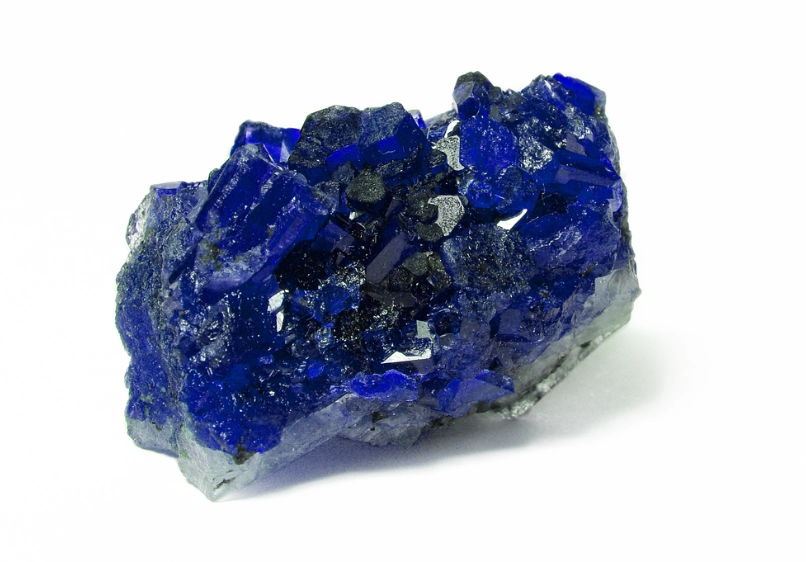
You’ve probably seen kyanite in a crystal shop—those striking blades of blue, sometimes with silvery streaks. It’s beautiful, sure. But if you think its only use is to look pretty on a shelf, you’re missing about 90% of the story. Kyanite is a workhorse. Its uses span from ancient spiritual practices to the very modern, high-stakes world of industrial manufacturing. I’ve worked with this stone for years, and the most common mistake I see is people treating it like any other quartz. It’s not. It has a unique, direct energy and physical properties that make it irreplaceable.
This guide cuts through the fluff. We’ll look at how kyanite is used to calm a racing mind, why it’s a top choice for energy workers, and—perhaps surprisingly—why factories making spark plugs and brake pads can’t do without it.
Your Quick Guide to Kyanite
What is Kyanite? The Basics
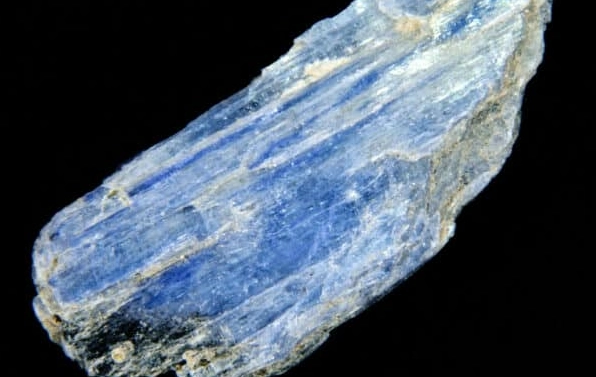
Kyanite is an aluminum silicate mineral. Geologists love it because of its unique property of anisotropic hardness. In plain English, it’s harder along the length of the crystal than across it. You can scratch it more easily across the blade than along it. This isn’t just a fun fact; it hints at its structured, channeling energy that practitioners value.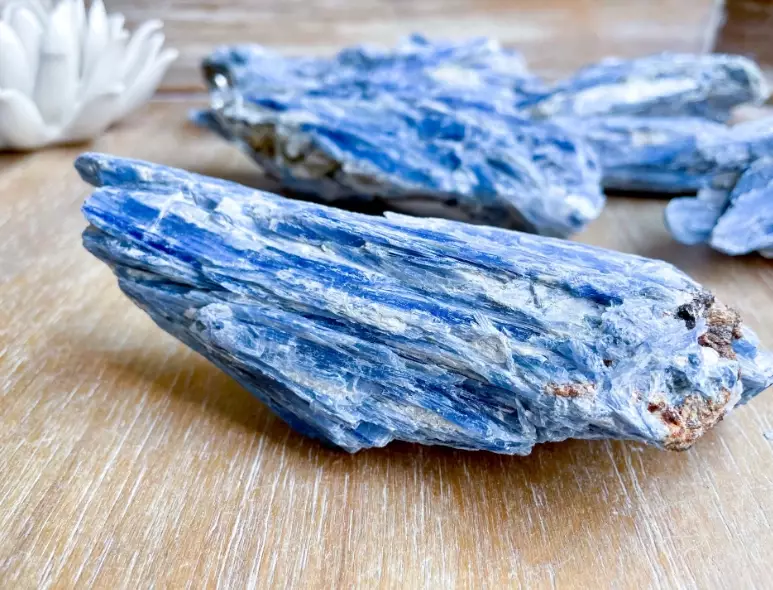
It forms in long, bladed crystals, often in shades of blue, but also green, black, orange, and even colorless. The blue variety, often linked to the throat chakra, is the most sought-after for metaphysical work. Major sources include Nepal, Brazil, the United States (Virginia, the Carolinas), and Switzerland.
Here’s a quick snapshot of its key identifiers:
| Property | Description | Why It Matters for Use |
|---|---|---|
| Color | Mostly blue (deep to pale), also green, black, orange. | Blue is for communication/calm. Black is grounding. Color guides intention. |
| Crystal Habit | Long, flat, bladed crystals. Often in aggregates. | The blade shape is seen as cutting through energy blockages. |
| Key Physical Trait | Variable hardness (4.5-7 on Mohs scale depending on direction). | Makes it durable for some uses, but care is needed in jewelry to avoid cleavage. |
| Composition | Aluminum silicate (Al₂SiO₅). | High alumina content is crucial for its industrial value. |
Most articles stop at the geology. But understanding this physical structure is the first step to grasping why its uses are so diverse. That hard, linear structure translates metaphorically and literally into its applications.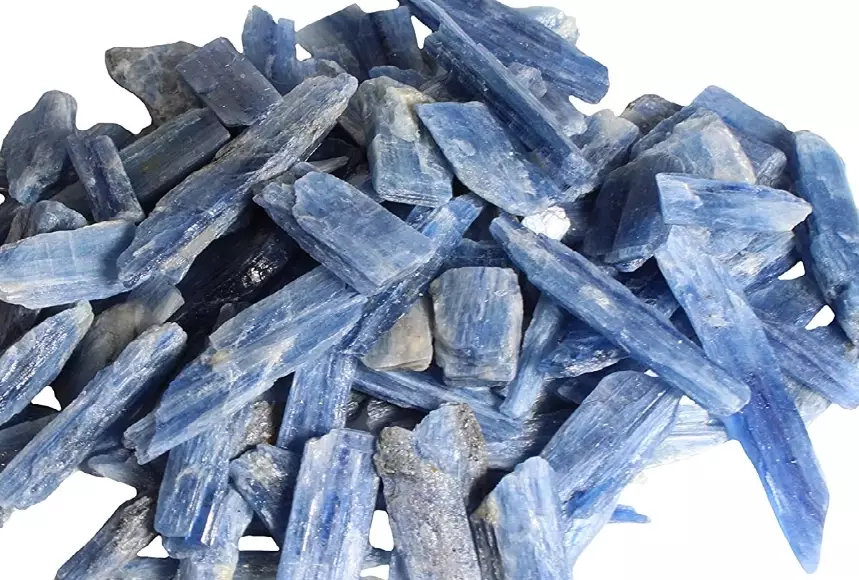
Kyanite Uses in Healing & Spirituality
This is where most people’s search for "kyanite uses" begins. In the crystal community, it’s renowned for a few very specific, powerful jobs.
1. The Ultimate Communication Aid (Without the Jitters)
Many turn to stones like blue lace agate for communication. It’s gentle. Kyanite is different. It’s like a skilled editor for your energy—precise and direct. I recommend it to clients who need to have a difficult conversation, give a presentation, or set a firm boundary. It doesn’t just encourage you to speak; it helps you organize your thoughts and speak your truth with clarity and compassion, not anger or fear.
How to use it: Hold a tumbled piece or blade in your hand for 5-10 minutes before the event. Visualize the blue light flowing up your arm to your throat. I often pair it with a heart chakra stone like rose quartz to ensure the communication stays kind.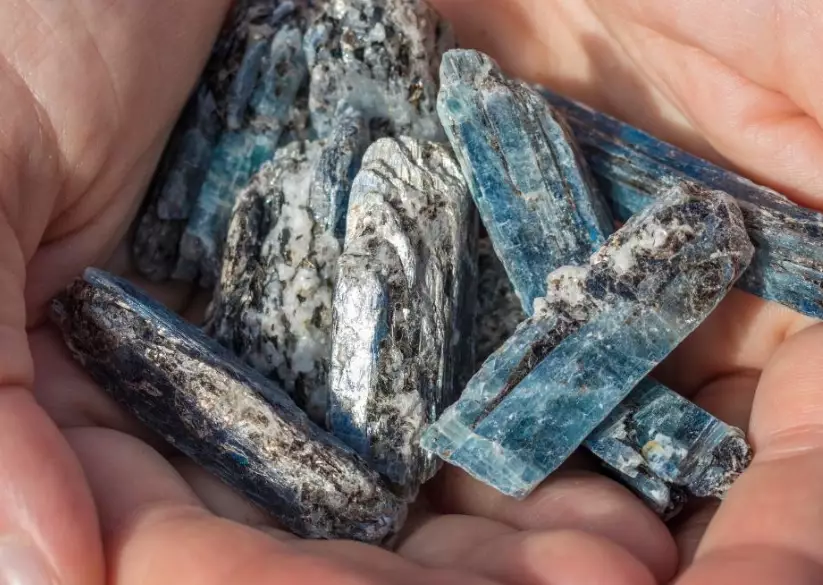
2. Energy Alignment and Chakra Tune-Ups
Here’s a non-consensus point: Kyanite is often touted as "never needing cleansing." I disagree. While it’s true it doesn’t absorb negative energy like a sponge, it can get energetically "muddled" or out of alignment with your changing field. Think of it like a tuning fork that gets slightly bent.
Its primary use is for aligning all the chakras quickly. It’s like hitting the reset button.
- For the throat chakra: The classic use. Place a blue kyanite on your throat while lying down.
- For the third eye: A darker blue piece can aid intuition and dream recall.
- For overall alignment: Practitioners often sweep a kyanite wand along the body’s energy field to smooth out snags and blocks. It’s a staple in reiki sessions.
3. A Calming Stone for Anxiety and Overthinking
This is a huge user pain point. Unlike sedative stones that might make you drowsy, kyanite works by bringing order to mental chaos. It cuts through the tangled web of anxious "what-ifs" and racing thoughts. For someone whose anxiety manifests as a loop of frantic planning or worry, kyanite can be more effective than a traditionally calming stone like amethyst.
Keep a small piece in your pocket during a stressful workday. When you feel the mental spin starting, just hold it. Focus on its cool, smooth surface and its straight lines. It acts as a physical anchor for a scattered mind.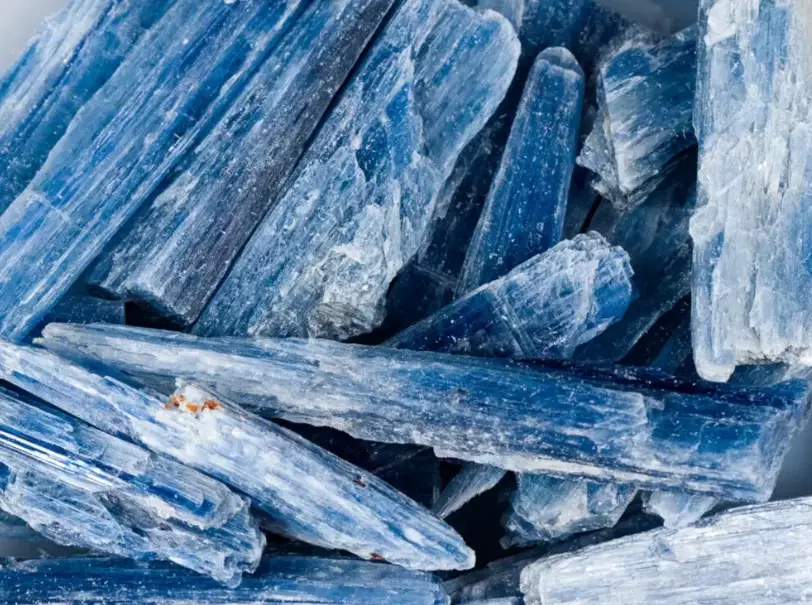
Personal Note: I keep a raw kyanite blade on my desk. When writing gets tough and the words won’t flow, I pick it up and run my fingers along its edge. It doesn’t magically write the article for me, but it cuts through the mental fog of self-doubt and helps me find the thread again. It’s a tool, not a magic wand.
Kyanite Uses in Technology & Industry
This is the side of kyanite most crystal blogs completely ignore. But it’s vital. The same properties that make it structured and high-vibration also make it incredibly heat-resistant and stable. This isn’t a metaphor.
Kyanite is mined and processed (often in Virginia, USA) into a material called mullite through high-temperature firing. Mullite is a superstar in the world of refractories—materials that line high-temperature furnaces, kilns, and incinerators.
Where You’ll Find Industrial Kyanite:
- Automotive Brake Pads and Clutches: It’s used as a friction material additive for its heat resistance and durability.
- Spark Plugs: The ceramic insulator in spark plugs often contains mullite derived from kyanite.
- Foundries and Steel Mills: Refractory bricks and linings that withstand molten metal.
- Ceramics and Porcelain: It’s used in high-quality dinnerware, sinks, and electrical porcelains to reduce shrinkage and warping during firing. The US Geological Survey notes its role in producing refractory and ceramic products in their mineral commodity summaries.
The process is fascinating. Raw kyanite ore is crushed, purified, and then heated to over 1500°C. It undergoes a permanent expansion, transforming into the porous, interlocking needle structure of mullite. This structure is what gives it exceptional strength under thermal stress.
A Crucial Distinction: The kyanite used in industry is often a lower-grade, granular material, not the aesthetic crystals sold in shops. But it’s the same mineral. This dual identity—spiritual tool and industrial commodity—is what makes kyanite truly unique in the mineral kingdom.
How to Choose and Use Kyanite Effectively
Not all kyanite is the same. Your intended use should guide your choice.
Choosing Your Stone:
- For Meditation & Energy Work: Go for a natural, terminated blade or wand. The point directs energy. A deep blue color with good clarity is ideal.
- For Jewelry (like anxiety relief): Choose a securely bezel-set pendant or earrings. Remember its cleavage—it can split along its planes if struck. Tumbled stones in a wire wrap are safer than faceted gems in a prong setting.
- For Display & Grids: A stunning raw cluster or a set of matching blades works beautifully. The aesthetic is part of its function here, creating a focal point of orderly energy.
Practical Uses and Setups:
Morning Alignment: Place a kyanite blade on each chakra point, starting at the root, for just a minute each. Move it up. It’s a quick, 7-minute tune-up.
Sleep Aid for a Busy Mind: Place a piece under your pillow or on your nightstand. Its ordering energy can quiet mental chatter, not by suppressing it, but by organizing it.
Creating a "Clear Communication" Grid: Place four kyanite blades pointing outward from a central stone like blue chalcedony or aquamarine in the four cardinal directions. This is a powerful setup for a home office or a room where family discussions happen.
Cleansing? Despite the popular myth, I do cleanse mine occasionally. Not because it’s "dirty," but to reset it. Running it under cool water (briefly, as some can be brittle) or placing it on a selenite plate overnight works perfectly. Sound from a singing bowl is also excellent.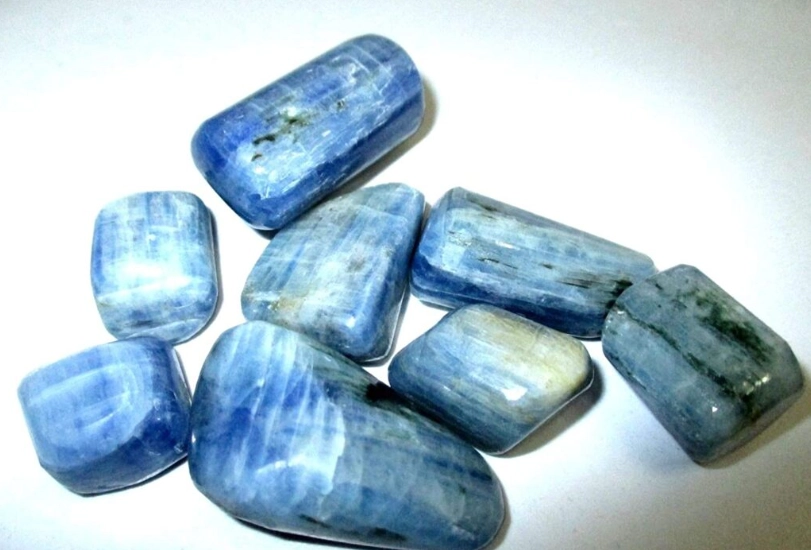
Common Questions About Kyanite Uses (FAQs)
The uses of kyanite bridge two worlds that seem separate: the intuitive and the industrial. Whether you’re drawn to it for its serene blue color to calm your mind, or you’re fascinated by its role in creating materials that withstand infernos, this mineral demands respect. It’s not a passive decorative object. It’s a tool with a purpose. Choose the form that matches your need, understand its physical limits, and you’ll have a powerful ally for clarity, communication, and resilience—in every sense of the word.
Related Articles
Rhodonite: Meaning, Healing Properties & How to Use It Effectively
What is an Orange Sapphire Called? Padparadscha & Orange Sapphire Guide

Garnet Properties: More Than Just a Pretty Gemstone
Unlocking Azurite Crystal Spiritual Meaning: A Complete Guide to Its Powers & Uses
Rhodonite Bracelet Benefits: Emotional Healing & More Explained