Quick Guide
Let's cut right to the chase. Black tourmaline is everywhere these days. It's the go-to crystal for protection, grounding, and supposedly blocking "negative energy." You see it in jewelry, pocket stones, even under people's pillows. The hype is real. But here's the thing nobody in those shiny Instagram posts talks about: black tourmaline isn't for everyone. In fact, for some people, wearing it can be a genuinely unpleasant or even ill-advised experience.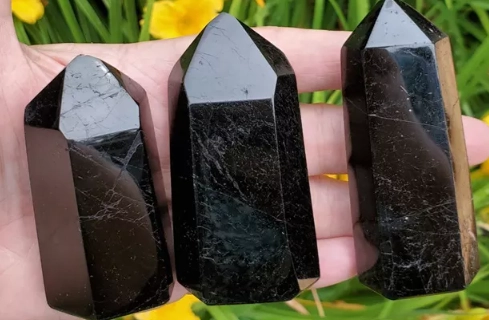
I've been around crystals for a long time, and I've seen it firsthand. Someone gets a beautiful black tourmaline pendant, wears it for a day, and ends up with a headache, feeling spaced out, or just... off. They come asking, "Is this normal?" Often, the answer is that their body or energy system is simply not vibing with that particular stone's intensity. So, who should not wear black tourmaline? It's not about good or bad crystals; it's about finding the right tool for the right person. This guide is for anyone who's wondered if that powerful black stone is actually working against them.
Understanding the "Power" of Black Tourmaline: Why It Can Be Too Much
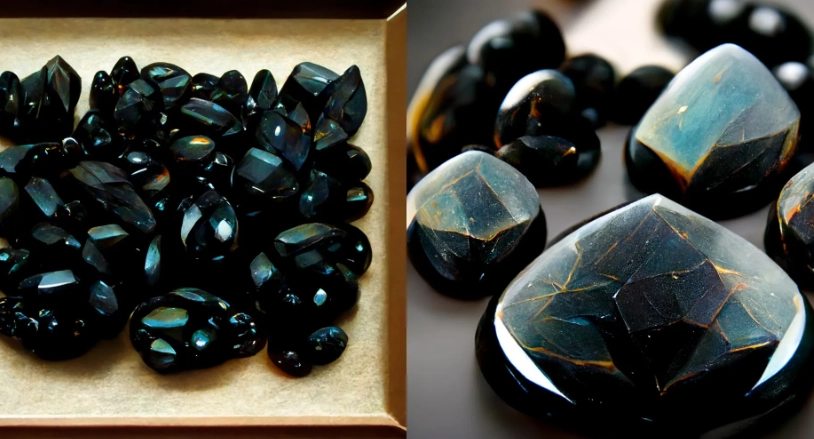
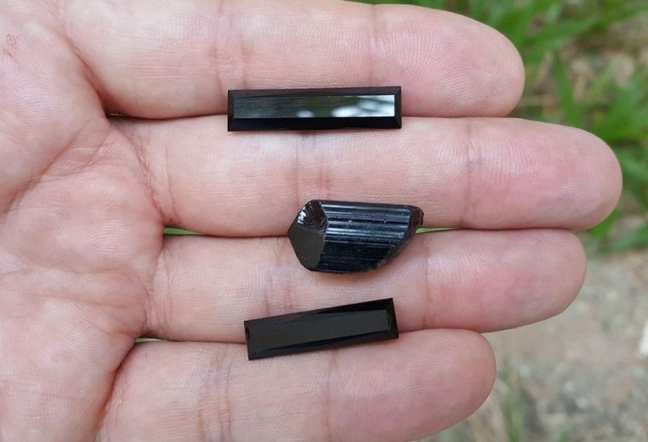
Before we dive into the specific groups, you need to understand what you're dealing with. Black tourmaline (scientifically, a complex borosilicate mineral) is prized in metaphysical circles for its properties as a psychic shield and grounding agent. It's like putting up an energetic fence. This is great if you feel bombarded by external stimuli or emotions. But what if your system is sensitive, already low, or requires a different kind of support? That fence can start to feel like a wall, isolating you or dampening your own natural energy flow.
Physically, it's a dense, heavy stone. Energetically, many describe its vibration the same way. That heaviness is what grounds you, but it can also weigh you down if you're not in a place to handle it.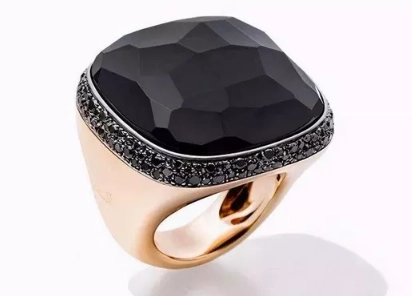
The Main Groups Who Might Want to Avoid Black Tourmaline
Based on common reports from crystal practitioners, experienced users, and yes, the people who had to take the thing off, here are the key categories. This is the core of answering "who should not wear black tourmaline."
1. People with Certain Medical Conditions or Using Medical Devices
This is the most critical section. Safety first, always.
- Pacemaker or Other Electronic Implant Users: This is a big one. While the risk is likely low, the theoretical concern exists. Crystals like tourmaline exhibit piezoelectricity (they generate an electric charge under pressure). The constant, subtle pressure against your skin from a pendant or bracelet could, in theory, create a tiny electromagnetic field. Most experts err on the side of extreme caution and recommend not wearing piezoelectric crystals directly over or near such devices. It's just not worth the unknown variable.
- Individuals Prone to Severe Depression or Lethargy: Black tourmaline's grounding can sometimes cross over into... well, *too* grounding. If you're struggling with low energy, a lack of motivation, or depressive episodes characterized by heaviness and stagnation, a stone that emphasizes "downward" energy might exacerbate those feelings. You might feel more stuck, more isolated, and heavier. I've heard from a few people who said wearing it made their depression feel "denser." That's the last thing anyone needs.
- People with Low Blood Pressure: Grounding is often associated with a calming, lowering effect. Some anecdotally report that black tourmaline can slightly lower blood pressure or create a feeling of being too settled. If you already have hypotension, wearing it might make you feel dizzy or more fatigued. It's not a guaranteed reaction, but it's a noted possibility in many holistic circles.
2. The Highly Sensitive and Empathic
You'd think empaths would be the first in line for a protection stone, right? Sometimes yes, sometimes a hard no.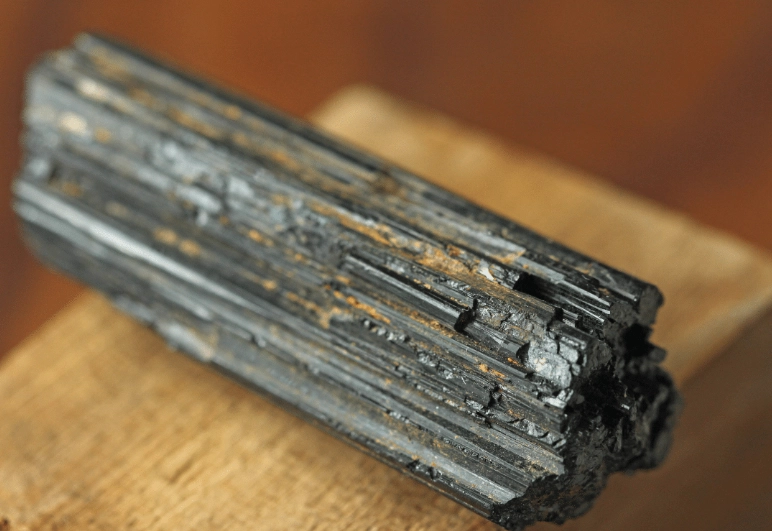
For some empaths, a strong, constant shielding stone like black tourmaline is a lifesaver. It gives them a break from the emotional noise of the world. But for others, especially those still learning to manage their sensitivity, it can create an odd disconnect. The stone doesn't just block negative energy; it can blunt *all* incoming energy, including the subtle, positive intuitive cues they rely on. It's like putting on noise-cancelling headphones in a forest—you're safe from loud sounds, but you also miss the birdsong.
Furthermore, some sensitives report that the stone's dense energy field can feel "scratchy" or irritating to their own aura. Their system is so fine-tuned that the blunt force of the tourmaline is uncomfortable, causing headaches or a sense of agitation rather than peace. If you're highly sensitive, you have to listen to your body more than any guidebook. If it feels wrong, it is wrong for you.
3. Children and the Elderly (Context Matters)
This isn't a universal "never," but it requires careful consideration.
Young Children: A child's energy system is often more vibrant, open, and still developing. The heavy, shielding nature of black tourmaline might be unnecessarily strong for them. It could be overkill, potentially dampening their natural curiosity and bright energy. Some parents choose gentler grounding stones like smoky quartz or hematite for kids, or simply avoid prolonged wear of any intense crystal. The question of "who should not wear black tourmaline" often includes very young children as a precaution.
The Elderly or Frail: Similar to the point about low energy, if an elderly person is frail, fatigued, or has a delicate constitution, the dense energy of black tourmaline might be too demanding. It could contribute to feelings of weakness or being weighed down. Again, context is king. A vibrant, healthy senior might have no issue, but it's something to be mindful of.
4. People in Specific Situations or Seeking Specific Outcomes
Your goal matters. Black tourmaline is a specialist, not a generalist.
- When You Need to Be Social, Creative, or "Up": Got a big party, networking event, or creative brainstorming session? Wearing a strong grounding stone might work against you. You might feel too inward, too serious, or socially withdrawn. It's like wearing emotional armor to a dance—it might protect you, but it'll also keep you from moving freely.
- If You Are Actively Trying to Open Up or Attract: Working on manifesting love, new opportunities, or abundance? Many of those practices involve being open, receptive, and allowing energy to flow *to* you. Black tourmaline's primary function is to block and deflect energy *away* from you. Wearing it during such work could be counterproductive, putting up a "keep out" sign when you want to put out a welcome mat.
- During Certain Spiritual/Meditative Practices: Some meditation styles aim for transcendent, light, or expansive states. A stone that firmly anchors you in the physical body might hinder that specific goal. It's not bad, it's just mismatched.
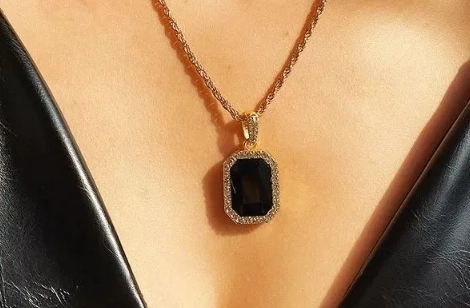
Signs Black Tourmaline Might Not Be Right For You
How do you know if you're one of the people who should not wear black tourmaline? Your body and mind will give you signals. Don't ignore them by thinking you have to "push through." Crystals should enhance your wellbeing, not detract from it.
Here's a quick list of common adverse reactions:
- Physical Discomfort: Unexplained headaches, dizziness, nausea, or a feeling of heaviness in the limbs.
- Emotional/Mental Shifts: Increased irritability, feelings of isolation, a sense of being "numb" or emotionally flat, a sudden dip in mood or motivation.
- Sleep Disturbances: Vivid, unsettling dreams or trouble sleeping if the stone is kept nearby (like under a pillow). For some, it's overstimulating at night.
- Just a "Bad Feeling": Sometimes it's not specific. You just have a gut feeling of aversion, dislike, or anxiety when wearing it. Trust that. It's valid.
Listen to that.
What Can You Use Instead? Safer Alternatives for Grounding and Protection
So black tourmaline feels like too much. What now? Plenty of other stones offer grounding or gentle protection without the intense density.
- Smoky Quartz: My top recommendation for a gentler ground. It's like the friendly cousin of black tourmaline. It grounds energy and transforms negativity, but often with a softer, more calming vibration. Many people who react poorly to black tourmaline do just fine with smoky quartz.
- Hematite: Excellent for grounding and centering, especially for feeling more present in your body. It's more metallic and focusing. However, some find it too cooling, so test it briefly.
- Red Jasper or Carnelian: These are "warm" grounding stones. Instead of pulling energy down into the earth, they connect you to earthy, vital, life-force energy. Great if you need grounding but also a boost of stamina or courage.
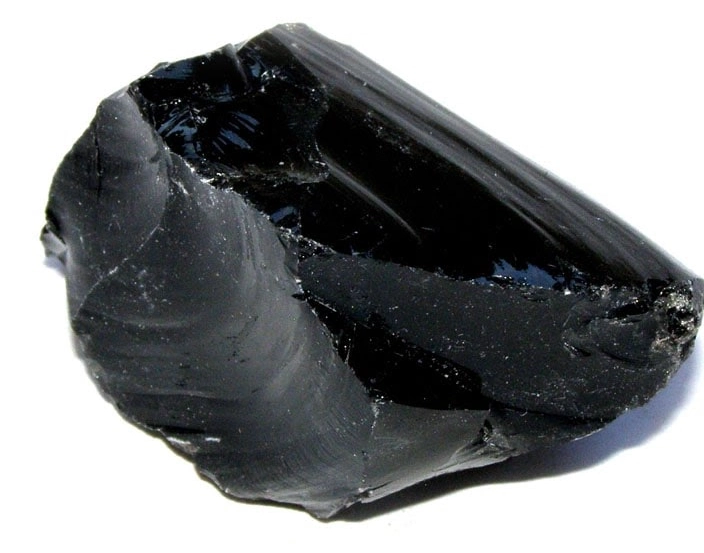
- Obsidian (with caution): Another powerful protector, but it works more by revealing truth and shadow work. It can be just as intense as tourmaline for some, so proceed with awareness.
- Shungite: Often touted for EMF protection. Its energy is unique—some describe it as more "neutral" or "nullifying" than defensive. It's worth researching if your primary concern is technological energies.
Common Questions People Ask (The FAQ Section)
Final Thoughts: Your Awareness is Your Best Tool
Figuring out who should not wear black tourmaline isn't about creating fear around a crystal. It's about promoting informed, mindful, and personal use. The crystal community sometimes gets swept up in "one-size-fits-all" recommendations, and that does a disservice to the unique individual holding the stone.
Black tourmaline is a powerful tool. But like any powerful tool—a sharp knife, a strong medicine, a intense workout—it needs to be used with respect and self-awareness. It's not inherently good or bad. Its effect depends entirely on the user.
The most important thing is to become the expert on your own energy. Experiment mindfully. Start by holding a piece for a few minutes before committing to wearing it all day. Notice the subtle shifts in your body and mood. Does it feel supportive and strengthening, or restrictive and draining?
Your body knows.
If you've read this far, you're already doing the work to be a responsible crystal user. That's the best step anyone can take. Whether you choose black tourmaline, a gentler alternative, or no stone at all, making that choice from a place of knowledge and self-trust is what truly matters. Forget the dogma. Listen to yourself. That's where the real magic happens.
Related Articles
Blue Crystals Guide: Meanings, Uses & How to Choose the Right One
Obsidian Crystal Meaning: Your Ultimate Guide to Protection & Clarity

2nm? It's not that simple!
Pink Quartz Benefits: Love, Healing & How to Use It
Crystal Sodalite Benefits: Healing, Protection & Practical Uses