Let's be honest. You've seen that mesmerizing sphere or palm stone online, covered in dreamy orbs and soft colors, labeled "Ocean Jasper." The price seems... okay. Not too cheap, not crazy expensive. But a nagging thought creeps in: is this the real thing, or am I about to buy a beautiful piece of glass or dyed agate? I've been there. Early in my collecting days, I bought a "rare" Ocean Jasper tower that, upon closer inspection, had patterns that looked painted on. The seller ghosted me. Lesson learned the hard way.
Genuine Ocean Jasper from Madagascar is a finite resource. Its unique, orbicular (circular) patterns and calming color palette make it incredibly popular. High demand and limited supply create the perfect environment for fakes and imitations to flood the market. This guide isn't just a list of facts; it's the toolkit I wish I'd had. We'll move beyond basic "look for patterns" advice and into the nuanced details that separate authentic specimens from convincing frauds.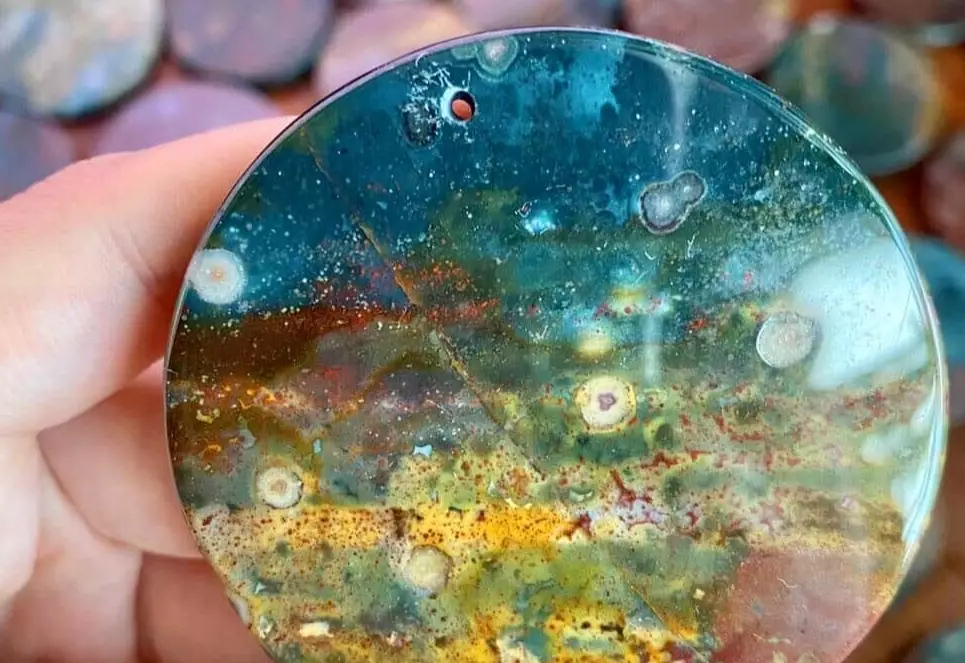
Your Quick Guide to Authenticity
The Non-Negotiable Core Features of Real Ocean Jasper
Before you can spot a fake, you need to know the real thing intimately. Forget vague descriptions. Here’s what authentic Madagascar Ocean Jasper must have.
1. The Signature Orbs (It's All in the Circles)
This is the biggest giveaway. The orbs (spherulites) are not perfect, printed circles. They are mineral formations. This means: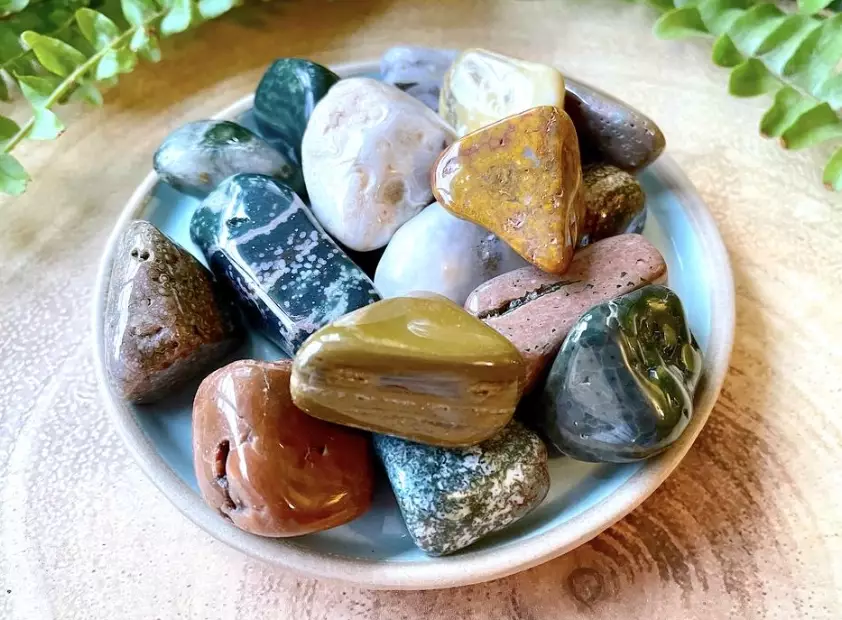
They have depth and layers. Look closely: many orbs will have a concentric ring structure, like a tiny geological onion. A flat, printed dot won't have this. The orbs are integrated into the stone, not sitting on top. Run your finger over them (if you can). You should feel a texture change, but it's part of the stone's surface, not a bumpy add-on.
They vary in size, shape, and color within the same piece. You'll see tiny pinhead orbs next to larger pea-sized ones. Some are perfectly round, others are slightly squished or merged. This organic variation is impossible to replicate perfectly with mass production.
2. The Color Palette: Earthy, Not Neon
Genuine Ocean Jasper colors are soft, earthy, and often muted. Think: creamy whites, mossy greens, pale pinks, peach, ochre yellow, and subtle gray-blues. The green is never a sharp emerald or lime. The pink is never hot pink.
A key sign of dye is color concentration in cracks. If you see veins of intense, saturated color that seem to follow the stone's fractures or gather in crevices, be very suspicious. Natural color is distributed in clouds, bands, or within the orbs themselves.
3. The Matrix and Texture
The "background" of the stone (the matrix) is usually a mix of chalcedony and quartz. It has a waxy to vitreous (glassy) luster when polished. It should feel substantial and cool to the touch—a classic trait of quartz-based minerals. Some specimens have a slightly granular or drusy (sparkly) texture in areas, which is a good sign of natural formation.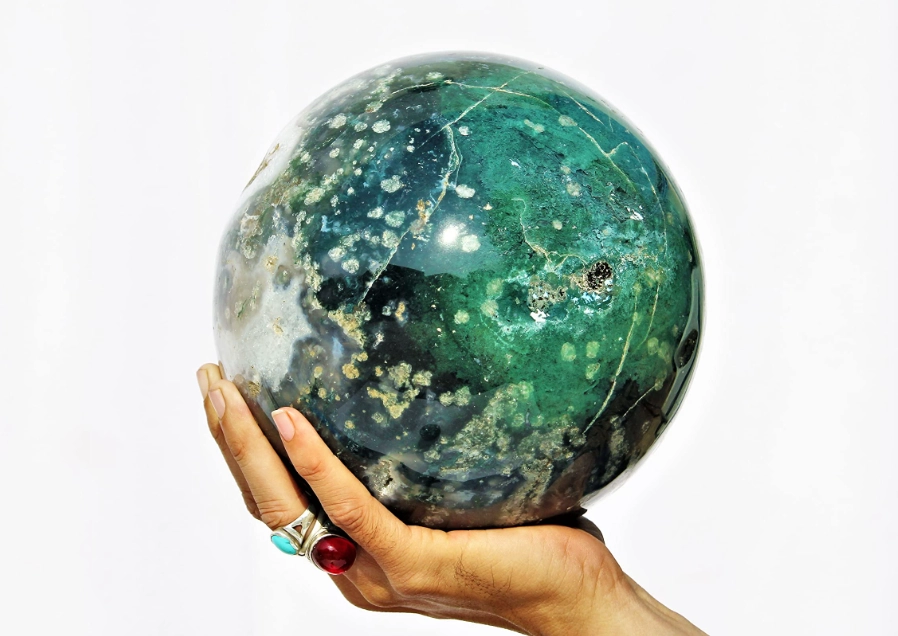
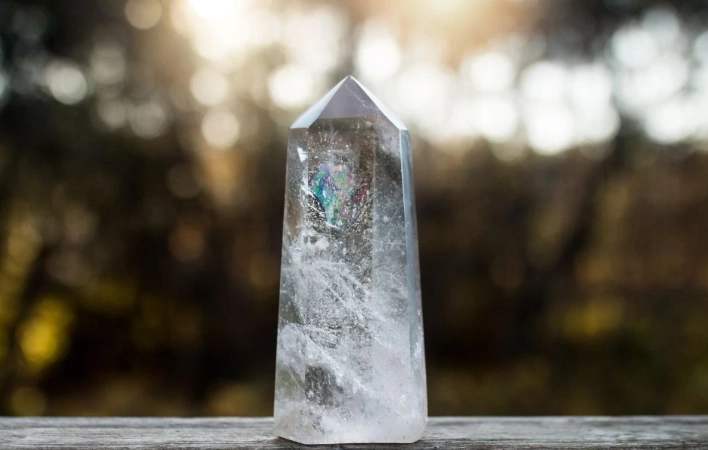
Pro Tip from the Field: Many guides miss this: real Ocean Jasper is opaque to translucent, but almost never fully transparent. If you hold a tumbler or sphere up to a bright light and can see clearly through large sections of it (like glass), it's likely not genuine. You might see light glow through thin edges, but the body blocks it.
The Side-by-Side Comparison: Real vs. Fake
Let's make this concrete. Here’s a breakdown of what to scrutinize.
| Feature to Check | Authentic Ocean Jasper | Fake / Imitation Alert |
|---|---|---|
| Pattern (Orbs) | Orbs are layered, vary in size/shape, appear "within" the stone. Edges of orbs can be fuzzy or blend into the matrix. | Perfect, uniform circles. Patterns look printed, stamped, or painted on the surface. Sharp, unnatural edges. |
| Color | Earthy, muted tones (soft green, pink, cream, yellow). Natural, cloud-like distribution. | Overly bright, neon, or artificial-looking colors. Dye concentrated in cracks and fissures. |
| Weight & Feel | Feels solid, dense, and cool for its size (typical of quartz). Polished surface is smooth but not plasticky. | May feel unusually light (like resin/plastic) or have a warm, synthetic feel. Surface can feel too perfectly smooth or slightly tacky. |
| Transparency | Mostly opaque. In thin slices or edges, may have a slight translucency like wax paper. | May be completely opaque (like painted ceramic) or, conversely, suspiciously transparent in areas. |
| Price & Source | Priced according to quality and size. Reputable dealers disclose locality (Madagascar). No claims of being "the only one." | Suspiciously low price for a large, "perfect" piece. Vague origin like "mined overseas." High-pressure "limited stock" tactics. |
The Usual Suspects: Most Common Fake Ocean Jasper Types
Fakes generally fall into three categories. Knowing what you're up against helps.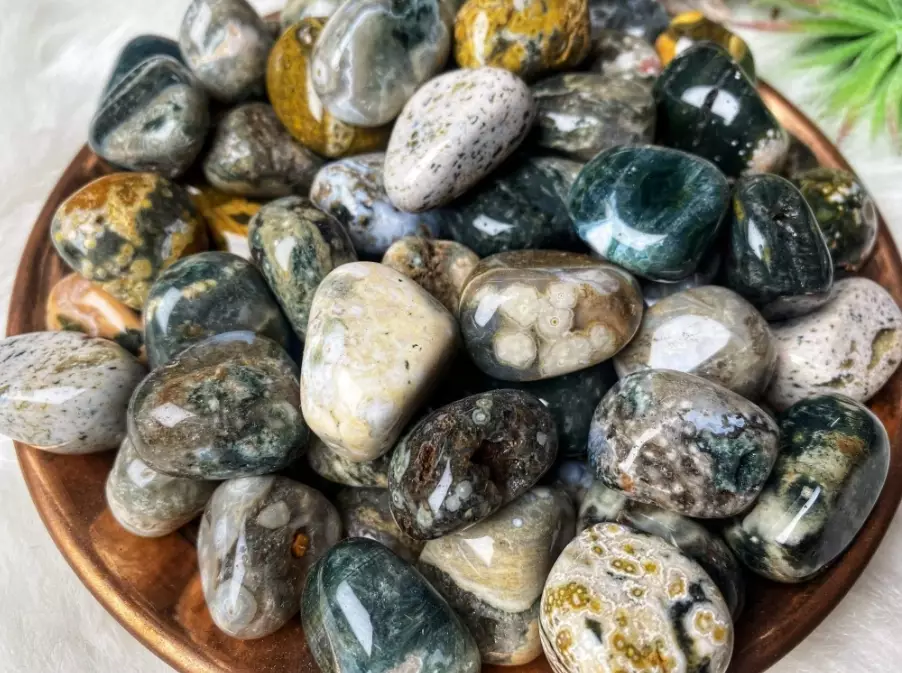
1. The Imposter Stones (Other Dyed Minerals)
This is the most frequent scam. Sellers take a cheap, porous stone (like howlite or magnesite) or a plain agate, dye it green and pink, and stamp on some circular patterns. How to catch it? The dye job is often sloppy. Look at the underside or a drill hole (in beads)—you'll often see white, un-dyed interior. The "orbs" lack all depth and look like a bad sticker.
2. The Plastic/Resin Composite
Higher-end fakes might use resin mixed with stone dust. These can feel surprisingly solid but often get the luster wrong—too glossy, like plastic. The hot pin test is a last-resort, destructive method (never use on a piece you might return). Heat a needle or pin until very hot and press discreetly on an inconspicuous area (like the bottom of a carving). Real stone won't melt or smell. Resin will melt and give off a sharp, chemical plastic smell. (Use extreme caution and only if you own the piece and accept damaging it).
3. The "Enhanced" or Mislabeled Stone
Sometimes it's not a total fake but a severe misrepresentation. This could be a different type of orbicular jasper from another locale (like Oregon or Australia) sold as "Ocean Jasper." While still a real stone, it's not the classic Madagascar material. Or, it could be a low-grade Ocean Jasper that's been heavily dyed to improve its color. Ask the seller directly: "Is this from Madagascar, and have any colors been enhanced?" A trustworthy seller will answer.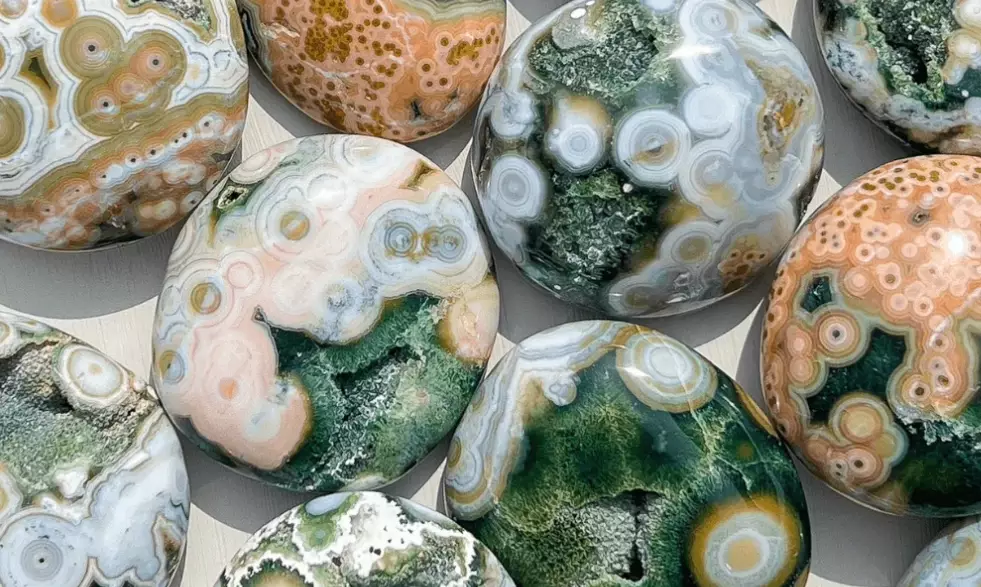
Putting It Into Practice: Buying Online & In-Person
Buying Online: Your Digital Detective Kit
This is where most get tripped up. Photos can lie.
Scrutinize the photos: Ask for multiple angles, close-ups of the pattern, and a video under natural light. A seller with nothing to hide will provide them. Be wary of stock photos or overly filtered images that boost saturation.
Read the description like a lawyer: Phrases like "Ocean Jasper type," "similar to," or "patterned jasper" are red flags for imitation. Genuine sellers proudly state "Madagascar Ocean Jasper."
Check the seller's reputation: Do they specialize in minerals? Read reviews not just for shipping, but for product accuracy. A gemologist friend always checks if the seller is a member of industry groups like the Gemological Institute of America (GIA) alumni network or mentions sourcing from reputable wholesalers.
Buying at a Gem Show or Store: The Hands-On Test
You have the advantage of touch and sight.
Bring a loupe: A 10x jeweler's loupe is cheap and invaluable. Examine the orbs for layers and integration.
Feel the weight and temperature: Compare it to a known quartz piece (like a clear quartz point) of similar size. They should feel similarly cool and dense.
Ask informed questions: "Which vein in Madagascar is this from?" (There are known veins like the "Kabamby" vein). A blank stare or vague answer is telling. A knowledgeable dealer might discuss the mining locality in detail.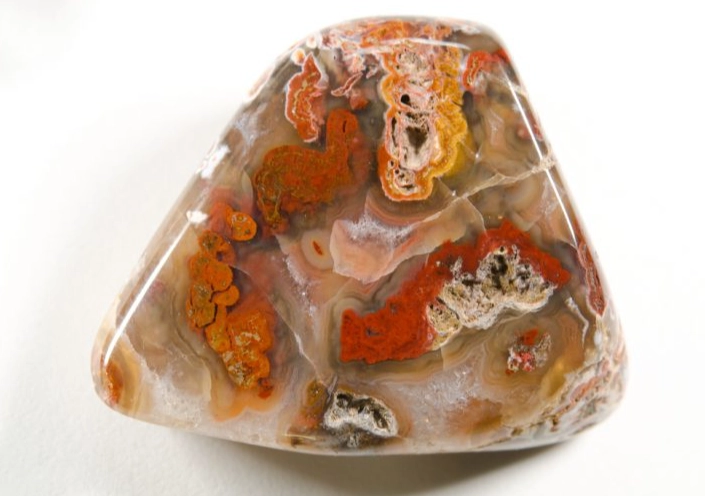
Expert FAQ: Your Tough Questions Answered
Can I use the water test to see if colors run?
Are certificates of authenticity (COAs) from online sellers reliable?
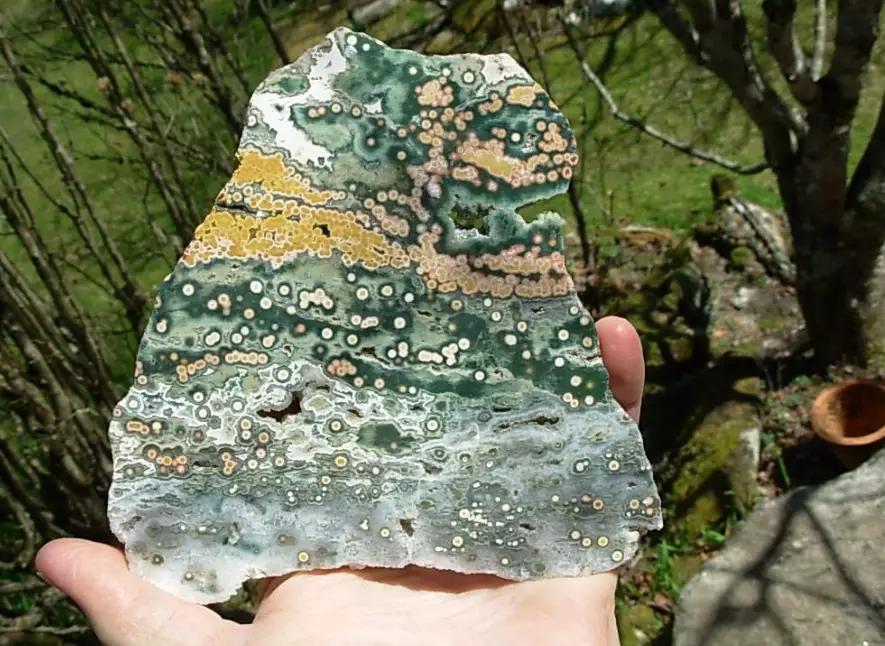 I see "Ocean Jasper" from Indonesia or Mexico. Is that real?
What's one subtle mistake even experienced buyers make when checking for fakes?
Spotting fake Ocean Jasper boils down to a mix of knowledge and healthy skepticism. Know the non-negotiable traits of the real thing: layered, variable orbs, earthy colors, and a substantial feel. Compare relentlessly. Ask pointed questions. Buy from sellers who educate, not just sell.
When you find a genuine piece, the connection is different. You're holding a piece of a specific, remote coastline with a unique geological history. That's worth the extra effort to verify. Your collection—and your wallet—will thank you for it.
Related Articles
Nuummite: The Rarest Gemstone's Properties, Value & Myths

Huawei: China's semiconductor will be reborn under sanctions.
Ultimate Guide to Clear Quartz Properties & Healing Benefits
Pink Quartz Benefits: Love, Healing & How to Use It

Antares and Star Meaning: Unraveling the Heart of the Scorpion