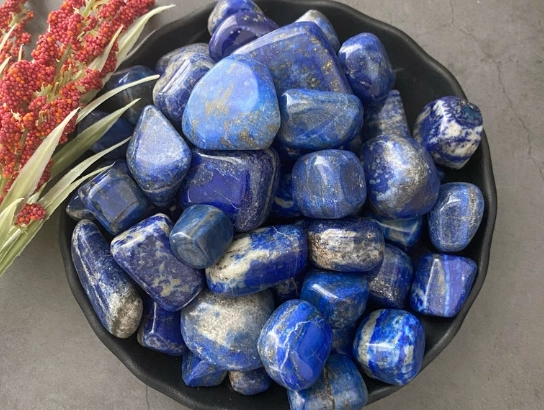
You've probably seen it floating around on design blogs or in upscale home stores – that soft, serene blue-green that feels both modern and timeless. That's blue jade color. It's not just a passing trend; it's a shade with depth, history, and a surprising amount of versatility. Most people think of green when they hear "jade," but the blue variant carries a completely different, often overlooked, energy. It's the color of a shallow tropical lagoon at noon, a piece of rare gemstone under museum light, or the perfect accent wall in a room that desperately needs to breathe. Let's cut through the vague descriptions and get into what blue jade color really is, where it comes from, and most importantly, how you can actually use it without your space looking like a themed spa from 2005.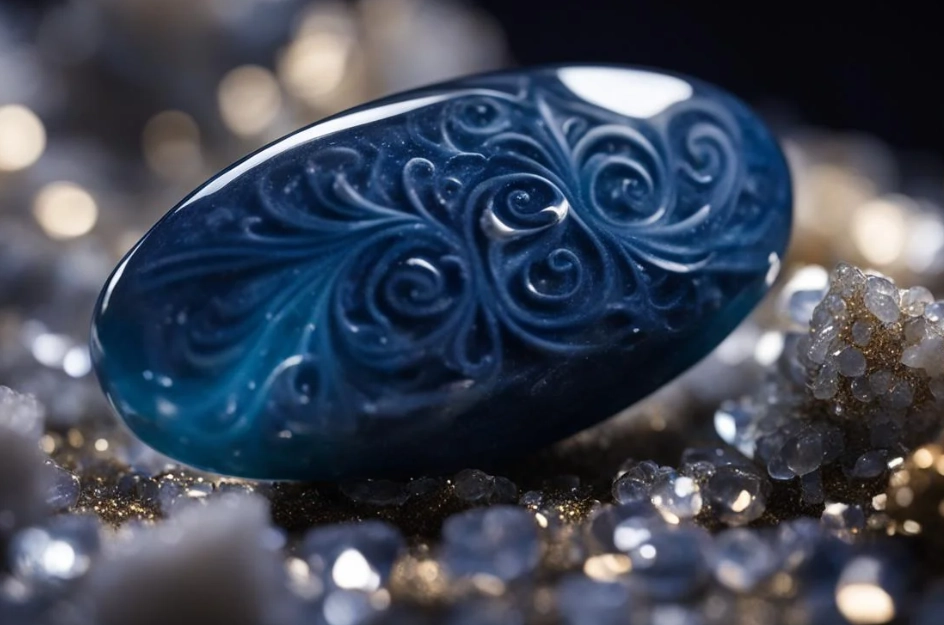
What You'll Discover in This Guide
What is Blue Jade Color?
Defining blue jade color is trickier than you'd think. Ask three designers, and you might get three different hex codes. At its core, it's a mid-tone, slightly desaturated blend of blue and green. Think teal's more sophisticated, calmer cousin. It's not as bold as emerald, not as gray as sage, and not as aquatic as turquoise.
The Blue Jade Color Profile
Primary Feel: Calm, balanced, serene, refreshing, stable.
Undertones: This is where people get tripped up. True blue jade has a subtle gray or slightly earthy undertone that keeps it from feeling neon or childish. If it looks like it belongs on a Miami beach towel, it's probably too saturated to be classic blue jade.
Best For: Creating tranquil spaces (bedrooms, studies, bathrooms), adding a refreshing pop without aggression, pairing with natural materials like wood and stone.
I remember a client who insisted on "jade blue" for her living room. She showed me a paint chip that was practically cerulean. We had a long chat about undertones. The final color we picked (a Benjamin Moore shade called "Smoky Azurite") had that crucial gray note. She later told me it was the only color in the house that never felt "too much," no matter the time of day. That's the power of getting the right tone.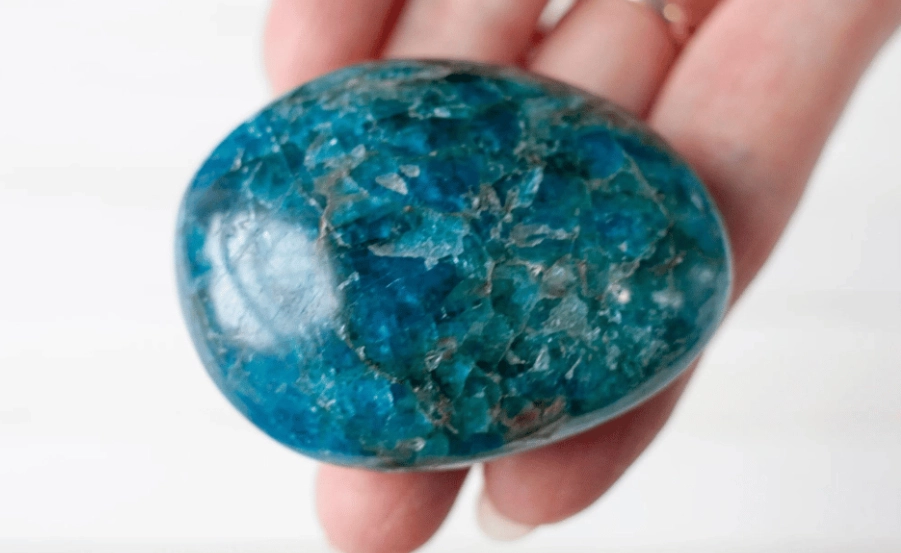
The Gemstone Connection: Is Blue Jade Real?
This is a major source of confusion. When you search for blue jade, you're hit with a mix of color inspiration and gemstone listings. So what's the deal?
Yes, blue jade is a real thing in the gem world, but it's exceptionally rare and often misunderstood. The most common and traditional forms of jade are jadeite (usually vibrant green, white, or lavender) and nephrite (often in creamy greens and browns). According to the Gemological Institute of America (GIA), a true, naturally vibrant blue in jadeite is one of the rarest and most valuable varieties. Much of what's sold as "blue jade" online or in tourist shops is one of three things:
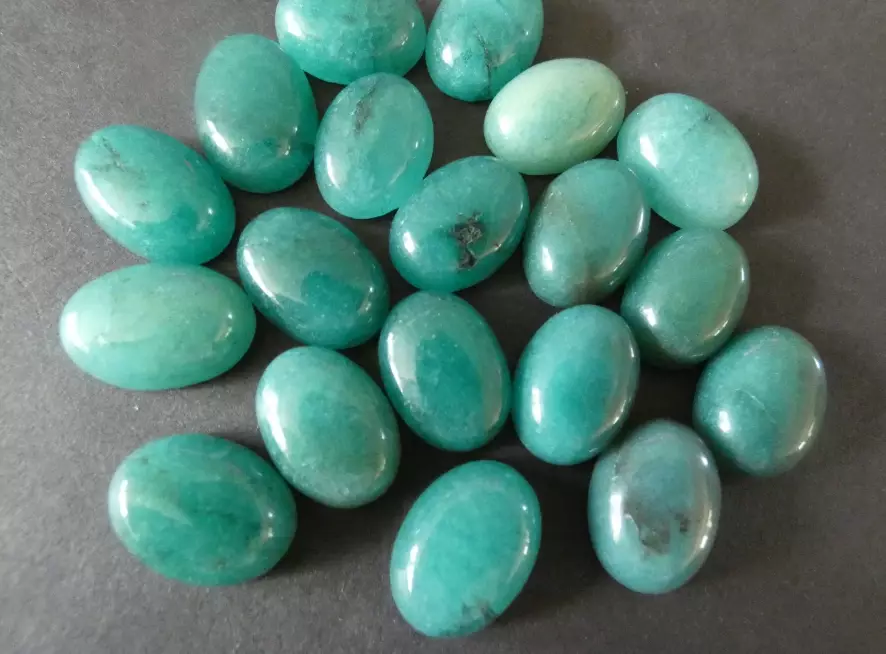
- Dyed jade: Lower-quality white or gray jade that's been artificially colored. The color can be uneven and may fade.
- Other minerals: Stones like amazonite or chrysocolla, which are naturally blue-green, being mislabeled as jade.
- Glass or resin imitations: Straight-up fakes.
The color of the genuine, rare blue jadeite gemstone is what the design world tries to capture. It's not a screaming blue. It's a tranquil, oceanic hue with depth and subtle variation – that's the feeling we're borrowing for our walls and decor.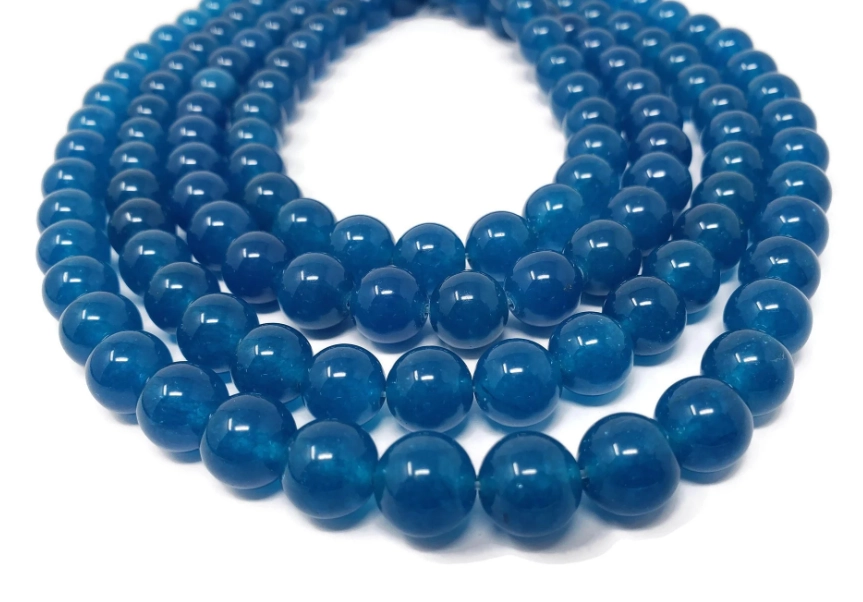
A quick heads-up: If you're buying jade jewelry and see a cheap, uniformly bright blue piece, be skeptical. Real, untreated blue jadeite commands high prices. The color inspiration is free, but the real deal costs a fortune.
How to Use Blue Jade Color in Your Home Decor
This is where the rubber meets the road. You love the color, but how do you bring it home without regret? The key is to think of blue jade as a neutral with personality. It's strong enough to stand out but calm enough to play well with others.
Start Small (The No-Commitment Method)
Don't dive into painting an entire room. Test the waters.
Throw pillows are your best friend. Look for textured fabrics like velvet or linen in a blue jade shade. A single ceramic vase on a bookshelf can add that perfect hint of color. I often suggest changing out the lampshade on a neutral base to a blue jade colored one – it casts a beautiful, serene light in the evening.
Go Big with an Accent Wall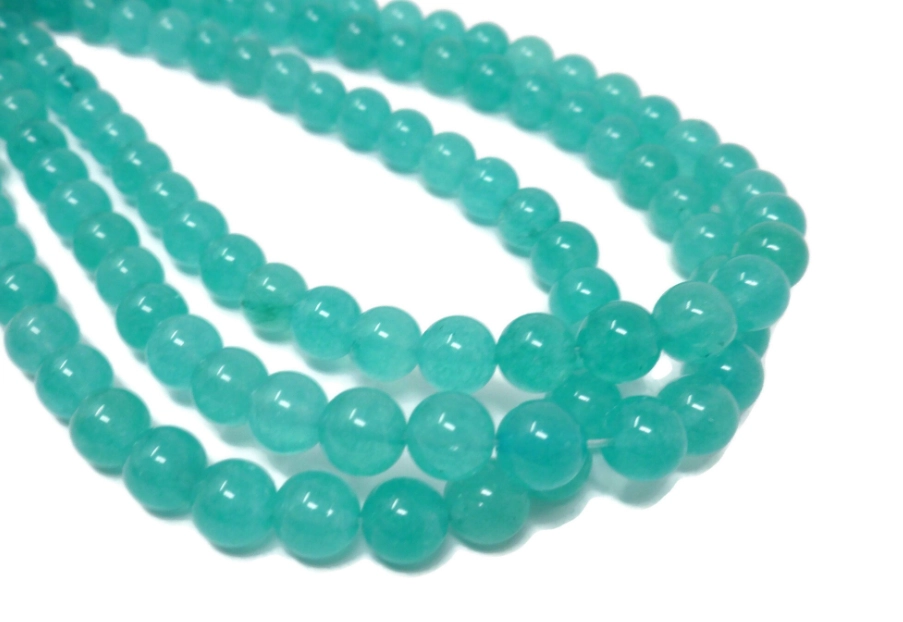
This is the most popular and effective use. Choose a wall that naturally draws the eye, like behind your bed or sofa. The beauty of blue jade as an accent is that it recedes visually, creating a sense of depth rather than shouting for attention. Pair it with crisp white trim and plenty of natural wood tones. It makes the wood look richer and warmer.
The Perfect Color Partners
Blue jade doesn't exist in a vacuum. Its magic happens in combination.
| Color Pairing | Why It Works | Best Use Case |
|---|---|---|
| Blue Jade + Warm White | The white keeps the look clean and airy, preventing the blue-green from feeling dark or heavy. | Kitchens, bathrooms, hallways. Use white for cabinets/walls and blue jade for tiles or accessories. |
| Blue Jade + Warm Taupe/Greige | Earth meets water. This is a deeply calming, natural, and sophisticated combination. | Living rooms, bedrooms. Paint walls greige and use blue jade in upholstery, art, and rugs. |
| Blue Jade + Terracotta / Burnt Orange | Surprising but brilliant. Complementary colors that create vibrant, energizing contrast. | Home offices, sunrooms, eclectic spaces. Use orange as a much smaller accent (a pot, a book spine). |
| Blue Jade + Sage Green | A tonal, monochromatic scheme that's layered and restful, like a forest pond. | Bedrooms, spa-like bathrooms. Use different textures (matte paint, glossy tile, nubby towels). |
| Blue Jade + Blush Pink | Soft, romantic, and contemporary. The cool-warm balance is incredibly pleasing. | Nurseries, dressing areas, master suites. Keep the pink pale and dusty. |
Common Mistakes to Avoid with Blue Jade
After seeing hundreds of rooms, certain patterns emerge. Here’s how to sidestep the classic pitfalls.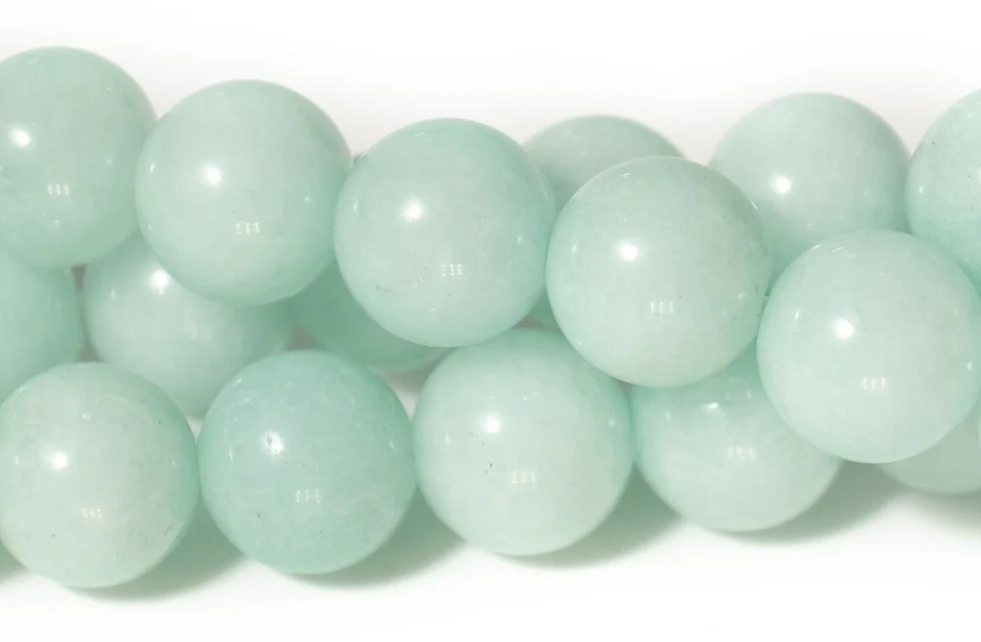
Mistake 1: Ignoring the Lighting. Blue jade can look radically different under warm incandescent light vs. cool north-facing daylight. In a room with little natural light, it can read as a flat, dull gray-green. Always test a large swatch on the wall and observe it for 48 hours at different times of day. If your room is dark, choose a shade with slightly more blue and less gray to keep it from feeling murky.
Mistake 2: Over-matching. A blue jade wall, sofa, curtains, and rug is a surefire way to create a sensory-deprivation tank, not a living space. Let the color be the unifying thread, not the entire fabric. Break it up with plenty of neutrals, metallics, and other materials.
Mistake 3: Pairing it with the Wrong Wood. Orange-toned, honey oak can clash with blue jade, creating a dated 90s feel. Opt for woods with cooler or more neutral undertones: walnut, white oak, or ash. If you're stuck with orange-toned floors or furniture, layer a large neutral rug (jute, sisal, beige wool) between them to act as a buffer.
Your Questions Answered
Can blue jade color work in a small, dark room?
I see "blue jade" plants for sale. Is that related?
 What's the biggest difference between blue jade and similar colors like teal or seafoam?
Is blue jade color considered cool or warm?
Blue jade color is more than a trend code from a paint fan deck. It's a tool. A tool to create calm, to add depth, and to connect your indoor space to those serene, natural feelings we all crave. Whether you buy a $30 throw pillow or commit to an accent wall, the goal is the same: to bring a piece of that tranquil, gem-like quality into your everyday life. Start with a small item. Live with it. See how the light hits it in the morning. You might find, as I have, that it's a color you never get tired of.
Related Articles
Purple Jade Meaning: Healing Properties, Uses & Buying Tips
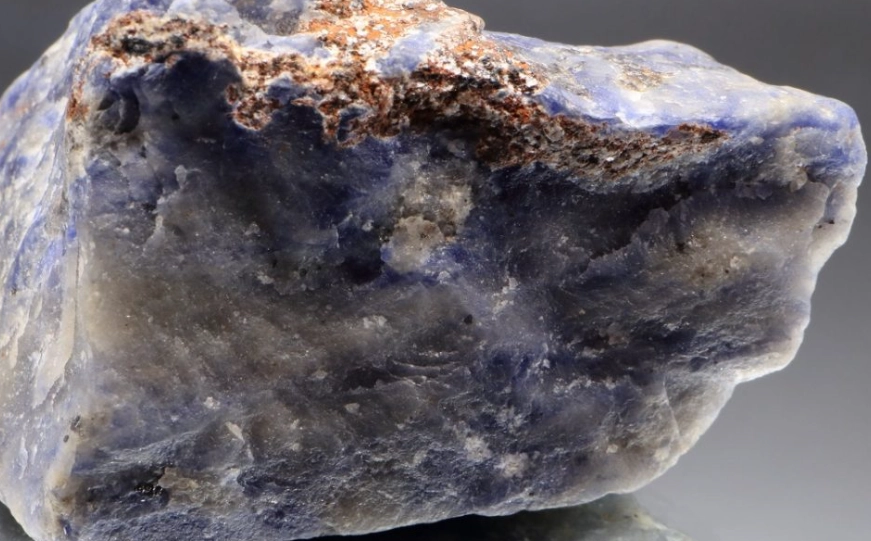
Sodalite: The Ultimate Guide to Meaning, Uses, and How to Spot Fakes
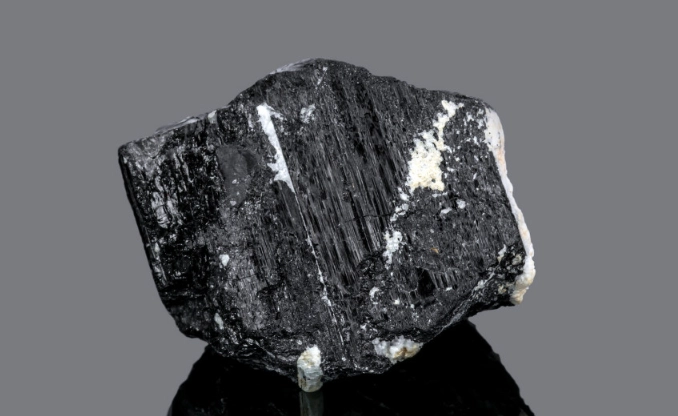
Black Tourmaline Meaning: Protection, Healing & How to Use It
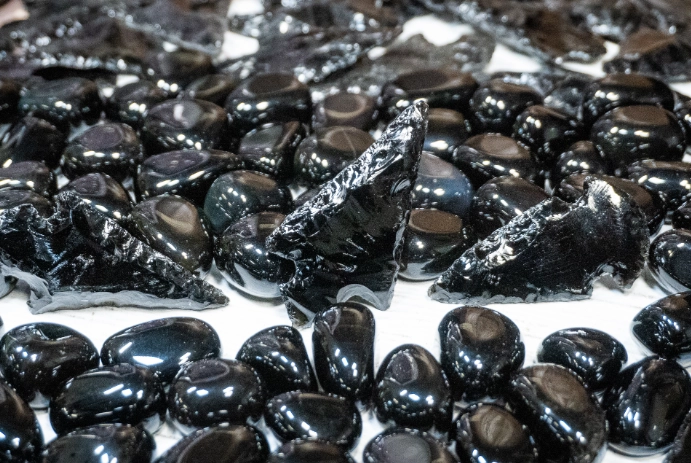
Obsidian Crystal Meaning: Healing, Protection & Practical Uses
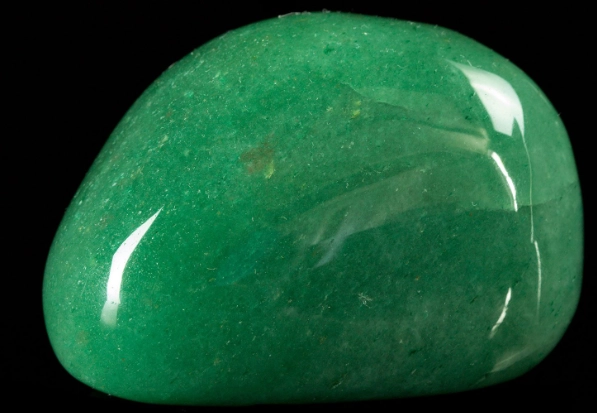
Aventurine Crystal: Meaning, Benefits, and How to Use It