If you're curious about aventurine, you've probably heard it's a luck stone or a healing crystal. But there's more to it—like why some pieces glow with a shimmer called aventurescence, or how to avoid buying fakes. I've collected crystals for over a decade, and aventurine is one I always recommend for beginners because it's affordable and versatile. Let's dive straight in: aventurine is a quartz mineral with tiny inclusions that give it a sparkly effect, and it's commonly used for promoting prosperity, calm, and physical well-being. Whether you're into crystal healing or just love its green hues, this guide covers everything from types to practical tips.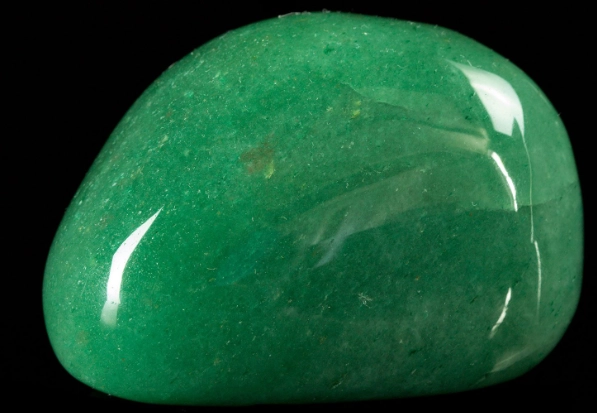
What You'll Discover
- What is Aventurine? A Quick Breakdown
- Types and Colors of Aventurine: Beyond Green
- Where Aventurine Comes From: Key Sources
- Healing Properties and Metaphysical Uses Explained
- How to Use Aventurine in Daily Life: Practical Steps
- How to Choose and Buy Quality Aventurine
- Caring for Your Aventurine: Dos and Don'ts
- Common Myths and Misconceptions Debunked
- Frequently Asked Questions (FAQ)
What is Aventurine? A Quick Breakdown
Aventurine is a type of quartz—specifically, a variety of quartz that contains mineral inclusions like fuchsite or hematite, which create its signature glittery appearance. This effect is called aventurescence, and it's what sets it apart from other green stones like jade. According to the Gemological Institute of America, aventurine forms in metamorphic rocks and is often confused with similar materials, but true aventurine has a granular structure. Historically, it's been used for centuries; for example, in ancient China, it was carved into seals and ornaments for emperors, believed to attract wealth. Today, it's popular in jewelry and decor because it's durable (hardness of 7 on the Mohs scale) and comes in various colors.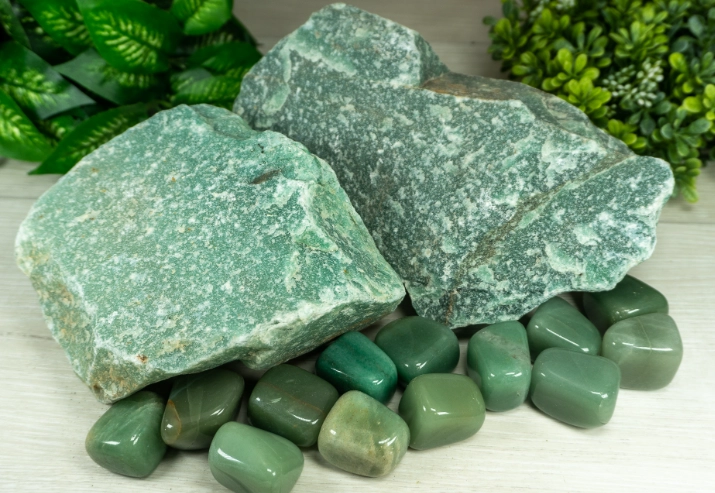
One thing beginners miss: not all sparkly green stones are aventurine. I've seen sellers label dyed glass as aventurine, which lacks the natural inclusions. Real aventurine feels cooler to the touch and has an uneven sparkle under light.
Types and Colors of Aventurine: Beyond Green
Most people think of green aventurine, but it comes in other shades depending on the inclusions. Here's a quick table to break it down:
| Color | Key Inclusions | Common Uses | Price Range (per piece) |
|---|---|---|---|
| Green Aventurine | Fuchsite (mica) | Luck, prosperity, heart healing | $10 - $50 |
| Blue Aventurine | Dumortierite or other minerals | Calm, communication, throat chakra | $15 - $60 |
| Red or Orange Aventurine | Hematite or goethite | Energy, creativity, root chakra | $20 - $70 |
| Yellow Aventurine | Limonite or other iron oxides | Confidence, solar plexus chakra | $12 - $55 |
Green aventurine is the most common and affordable—you can find tumbled stones for under $10 online. Blue aventurine is rarer; I once bought a piece from a local shop that turned out to be dyed, so always check for natural color variations. Red aventurine is often marketed as "sunset aventurine" and is great for boosting motivation, but it's harder to find genuine pieces.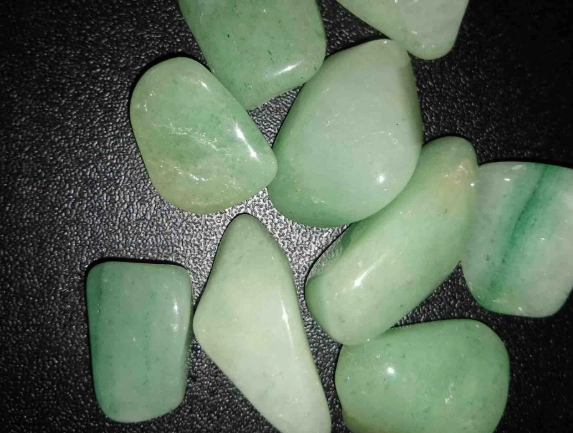
Where Aventurine Comes From: Key Sources
Aventurine is mined in several countries, with India being the largest producer. Major sources include:
- India: Specifically, the states of Tamil Nadu and Karnataka yield high-quality green aventurine. Mines here often supply bulk material for global markets.
- Brazil: Known for vibrant blue and green varieties, Brazilian aventurine is popular in jewelry due to its clarity.
- Russia: The Ural Mountains produce aventurine with unique reddish hues, though it's less common in commercial sales.
- Other regions: Smaller deposits exist in China, Tanzania, and the United States (like in North Carolina).
When buying, I prefer Indian aventurine for its consistent quality, but Brazilian pieces tend to have more sparkle. A common mistake is assuming all aventurine is ethically sourced—some mines have poor labor practices. Look for sellers who disclose origin or support fair trade, even if it costs a bit more.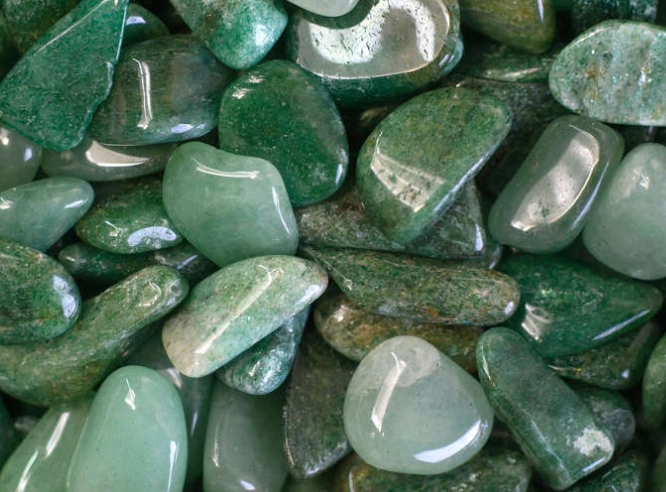
Healing Properties and Metaphysical Uses Explained
In crystal healing, aventurine is associated with multiple benefits, though it's important to note these are based on traditional beliefs, not scientific proof. Here's what users often seek:
Emotional and Spiritual Benefits
Green aventurine is called the "stone of opportunity" because it's believed to attract luck and abundance. People use it for reducing anxiety—I keep a piece on my desk during stressful workdays, and it helps me feel grounded. Blue aventurine is linked to calmness and better communication; I've given it to friends who struggle with public speaking.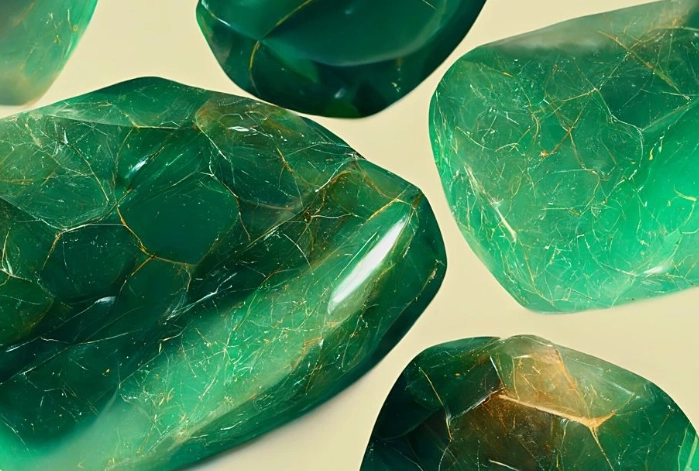
Physical Healing Claims
Some practitioners suggest aventurine can aid with heart issues or skin conditions, but there's no medical evidence. I think it's more about the placebo effect or mindfulness. For example, holding a stone during meditation might promote relaxation, which indirectly benefits health.
A nuanced point: many guides overhype aventurine as a cure-all. In reality, it works best as a complementary tool. Don't rely on it for serious health problems—always consult a doctor.
How to Use Aventurine in Daily Life: Practical Steps
You don't need to be a crystal expert to use aventurine. Here are simple, actionable ways:
- Wear it as jewelry: Aventurine necklaces or bracelets keep the stone close. I wear a green aventurine pendant when I need a confidence boost—it's subtle and stylish. Prices vary: a simple bracelet costs $15-$30, while artisan pieces can go up to $100.
- Place it in your home or office: Put a tumbled stone near your workspace to encourage prosperity, or in the bedroom for calm. I have a blue aventurine sphere on my bookshelf; it catches light and adds a decorative touch.
- Use in meditation: Hold a piece during mindfulness sessions to focus on intentions. Start with 5-10 minutes daily—no special ritual needed.
- Carry it in your pocket: A small palm stone can serve as a tactile reminder of your goals. I've found this helps with decision-making throughout the day.
One tip beginners overlook: cleanse your aventurine regularly to "reset" its energy. I'll cover that in the care section.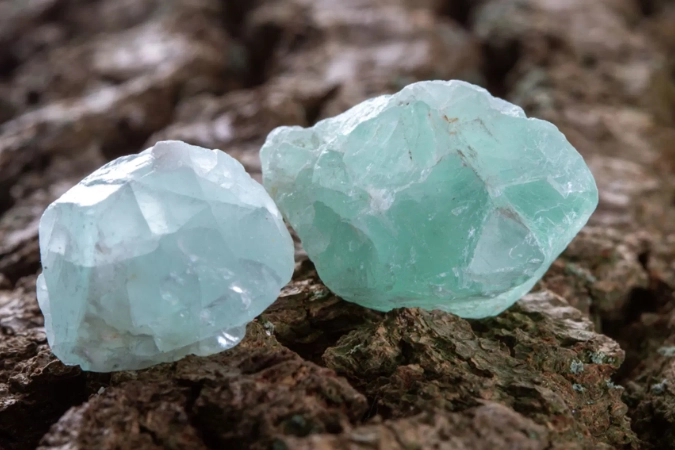
How to Choose and Buy Quality Aventurine
Buying aventurine can be tricky with so many fakes online. Follow this checklist:
- Color: Natural aventurine has uneven color distribution. Avoid pieces that look too uniform or bright—they might be dyed.
- Sparkle: Genuine aventurine shows aventurescence under light. Tilt it; the glitter should shift subtly.
- Texture: It should feel smooth but not glassy. Rough edges in raw stones are normal.
- Price: If it's too cheap (like $5 for a large piece), be skeptical. Mid-range prices ($20-$50) often indicate better quality.
- Seller reputation: Buy from trusted sources like local crystal shops or online stores with reviews. I recommend shops that provide origin details.
For online shopping, sites like Etsy have artisan sellers, but read descriptions carefully. I once bought from a vendor who used stock photos—the actual stone was dull. Always ask for real pictures if possible.
Caring for Your Aventurine: Dos and Don'ts
Aventurine is relatively hardy, but it can scratch or lose luster if mishandled. Here's how to maintain it:
- Cleaning: Use mild soap and water, then dry with a soft cloth. Avoid harsh chemicals or ultrasonic cleaners—they can damage inclusions.
- Storage: Keep it separate from harder stones like diamonds to prevent scratches. A fabric pouch works well.
- Energetic cleansing: Many users cleanse crystals with moonlight or sage. I prefer placing aventurine under running water for a minute—it's quick and effective.
- Avoid prolonged sun exposure: Direct sunlight might fade the color over time. I learned this the hard way with a green aventurine left on a windowsill.
Don't overthink it; simple care extends its life. If you wear it daily, clean it weekly to remove oils and dirt.
Common Myths and Misconceptions Debunked
After years in the crystal community, I've seen myths that mislead beginners. Let's clear them up:
- Myth 1: All green aventurine is the same. Actually, quality varies by source. Indian aventurine tends to be more opaque, while Brazilian pieces are translucent.
- Myth 2: Aventurine guarantees wealth. It's a tool for mindset, not a magic ticket. I've met people who bought expensive stones expecting instant riches—disappointment follows. Use it to foster opportunities, not replace action.
- Myth 3: Fake aventurine is harmless. Dyed glass or plastic lacks the mineral properties. It might not harm you, but it won't provide the same experience. Test by checking weight (real stone is heavier) and temperature (cooler).
- Myth 4: You need to charge it under a full moon every time. While charging is popular, it's not mandatory. I often just set an intention while holding it—that works for me.
These nuances matter because they help you use aventurine more effectively without falling for hype.
Frequently Asked Questions (FAQ)
Related Articles

Larimar Stone Benefits: A Complete Guide to Healing Properties & Uses
Clear Quartz Crystal: Ultimate Guide to Uses, Benefits & How to Cleanse
Unveiling Onyx Stone Benefits: What Does It Help With?
What chip is Jim Keller doing?
Dalmatian Jasper Chakra Guide: Healing Properties, Uses & Benefits