That deep, celestial blue with flecks of gold. It's hypnotic. Lapis lazuli isn't just another crystal on the shelf; it's a piece of human history, a geological marvel, and for many, a powerful tool for insight. I've been working with stones for over a decade, and lapis still commands a unique respect. It's not a gentle beginner's stone. It's the wise, sometimes stern, professor of the mineral kingdom.
Most guides just tell you it's good for the third eye. They miss the nuance, the history, the practical pitfalls. Let's fix that.
What's Inside?
From Pharaohs to Frescoes: A Stone of Power
Forget modern crystal shops. Lapis lazuli's story starts in the arid mountains of modern-day Afghanistan, specifically the Sar-e-Sang mines in Badakhshan. These mines have been operational for over 6,000 years, making them one of the oldest known commercial gemstone sources on the planet. That's staggering.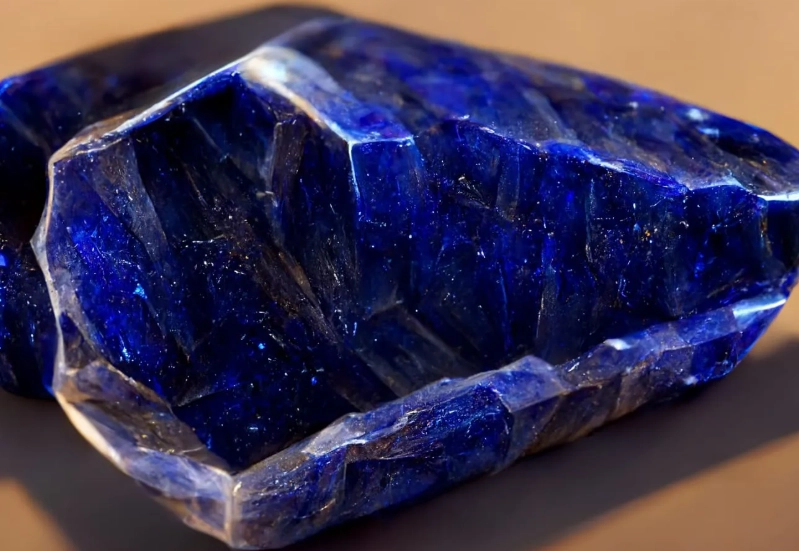
The ancient Egyptians didn't just like it; they revered it. They associated its blue with the heavens and the night sky. Cleopatra used powdered lapis as eyeshadow. Tutankhamun's burial mask famously inlaid the stone for the eyebrows and beard. But here's a detail often missed: they believed it offered protection in the afterlife. It wasn't decorative; it was functional, spiritual armor.
Trade routes, later dubbed the Silk Road, were essentially lapis lazuli highways for centuries. It moved from Afghanistan to Mesopotamia, Egypt, and eventually Europe. During the Renaissance, artists ground the finest, most expensive lapis into pigment to create ultramarine blue. This color was reserved for the most important figures in a painting, like the Virgin Mary's robes. Look at Michelangelo's Sistine Chapel ceiling or Vermeer's Girl with a Pearl Earring—that captivating blue is powdered lapis. The British Museum has excellent examples of Egyptian lapis work that show this historical journey.
This history matters because it tells us something inherent about the stone. Across cultures and millennia, humans instinctively linked lapis to divinity, truth, and profound inner vision. That's a powerful pedigree no marketing team can invent.
The Blueprint: Science & Metaphysics Explained
Let's break down what you're actually looking at. Lapis lazuli is a rock, not a single mineral. This is key. It's a metamorphic rock composed primarily of three minerals: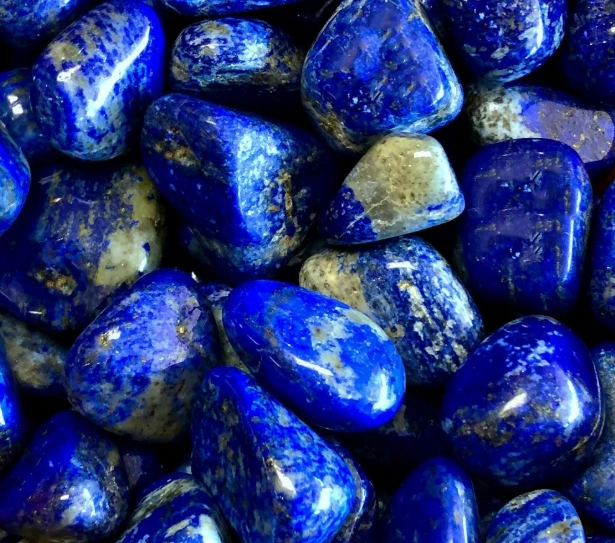
- Lazurite: Provides the iconic royal to violet-blue color.
- Calcite: Creates white veins or streaks. Too much calcite makes the stone look washed-out and cheaper.
- Pyrite: The "fool's gold" that gives those brilliant metallic flecks.
The most prized specimens have a rich, even blue with elegant, scattered pyrite inclusions. A completely uniform, cheap dark blue stone is a major red flag—it's likely dyed.
A Non-Consensus View: Many newcomers think the pyrite is a flaw. In the trade, it's often called "the signature of authenticity." The interplay between the deep blue and the gold is what gives high-quality lapis its character and value. A piece with no pyrite at all might be synthetic or a different mineral entirely.
Metaphysically, lapis is the ultimate stone for self-awareness and truth. It's called the "Stone of Total Awareness." It doesn't just gently open your third eye; it can feel like it's prying it open, demanding you see things you've been avoiding.
I've seen clients have major breakthroughs with lapis, but I've also seen it cause headaches and intense dreams if they weren't ready for its energy. It's not a casual wear-and-forget stone. It's for when you're serious about inner work. It's linked to throat chakra energy too, promoting honest, clear communication—especially speaking your personal truth.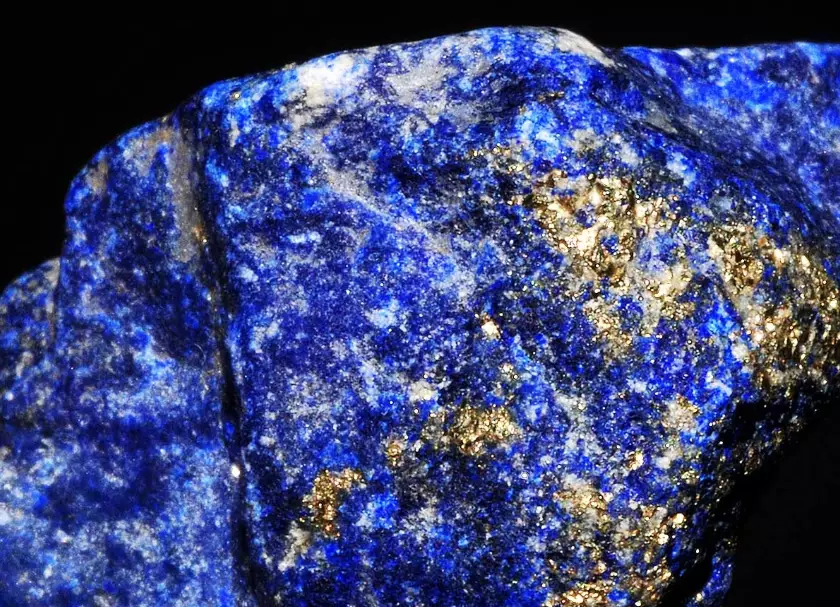
How to Spot Fake Lapis Lazuli (The Expert Method)
This is where most buyers get tripped up. The market is flooded with imitations. Let's get practical.
Common Fakes:
- Dyed Howlite or Magnesite: The most common fake. It's white stone dyed blue. The dye often concentrates in cracks, so look for spider-web patterns of darker blue. It feels chalky and lacks pyrite, or has pyrite painted on (scratch it with a pin).
- Dyed Jasper ("Swiss Lapis"): Has a more granular texture and often a very uniform, unnatural dark blue.
- Synthetic/"Reconstituted" Lapis: Made from crushed lapis dust and resin. It looks too perfect, the color is flat, and it feels warm or plasticky to the touch, not cool like stone.
- Sodalite: A genuine blue stone but lacks pyrite and is usually a lighter, grayer blue with white streaks, not gold.
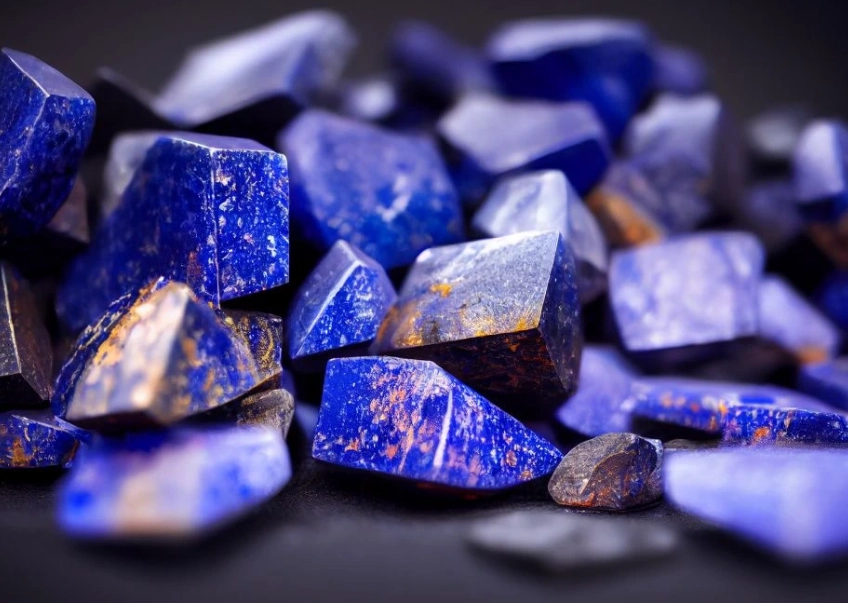
Here’s a quick comparison table to keep on your phone when shopping:
| Feature | Genuine Lapis Lazuli | Common Fake (Dyed Howlite) |
|---|---|---|
| Color Distribution | Often uneven; white calcite veins, gold pyrite flecks. | Too uniform; dye pools in cracks. |
| Pyrite Flecks | Integrated into the stone, 3D, metallic shine. | Absent or painted on (scratches off). |
| The Touch Test | Feels cool, dense, and hard. | Can feel chalky, lighter, or warmer. |
| The Water Test* | Water beads up. Prolonged exposure risks damage. | Dyed stone may leach color. |
| Price Point | Higher, especially for deep Afghan blue. | Suspiciously low. |
*Note: I don't recommend the water test as it can damage real lapis. It's a last resort.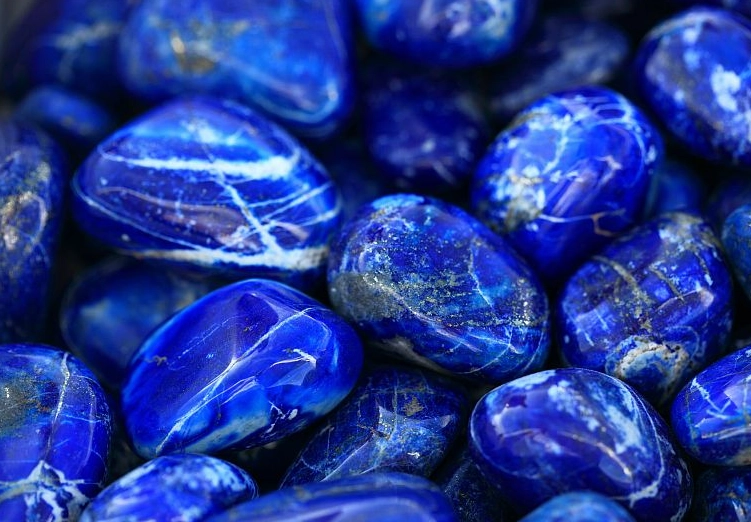
Pro Tip: Ask the seller for the origin. Reputable dealers will know if it's from Afghanistan, Chile, or Russia. Afghan is typically the most valued. If they can't tell you or say "it's all the same," walk away.
Bringing Lapis Into Your Modern Life
So you have a real piece. Now what? Don't just let it sit.
For Meditation & Journaling
Hold a tumbled stone or place a palmstone on your forehead (third eye) during meditation. Be prepared for vivid imagery or memories surfacing. Keep a journal nearby. For journaling prompts, place lapis on your desk to encourage brutally honest self-reflection.
As Decorative Power
This is underrated. A large, raw chunk of lapis on your desk or a polished sphere in your living room isn't just decor. It acts as an energy anchor for the space, promoting clarity and honest communication among everyone there. I have one on my home office desk—it's a conversation starter and a subtle focus aid.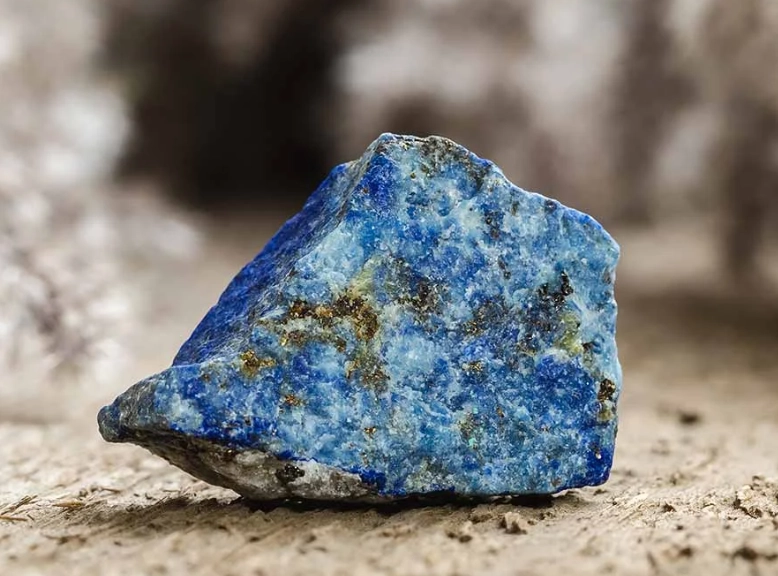
In Jewelry
Wearing lapis as a pendant keeps its truth-enhancing energy close to your throat and heart. Rings and bracelets are beautiful but prone to knocks. Remember, it's a 5-5.5 on the Mohs scale (softer than quartz). It can scratch. Choose protective bezel settings for daily wear pieces.
A Personal Take: I'm not a fan of mass-produced, tiny lapis chip braceies. The energy feels fragmented. I always recommend one solid, well-chosen piece over ten small, low-quality ones. Save up for a good cabochon or bead you connect with.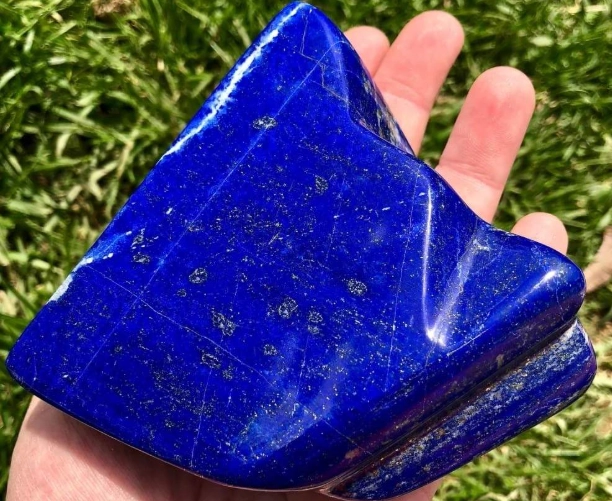
Your Lapis Lazuli Questions, Answered
Lapis lazuli isn't a trend. It's a cornerstone. Its journey from ancient tombs to modern meditation cushions is a testament to its enduring power. Whether you're drawn to its history, its metaphysical properties, or simply that breathtaking blue, understanding it deeply changes how you interact with it. It demands respect and offers profound clarity in return. Choose it wisely, care for it properly, and let it be a tool for seeing your own truth more clearly.
Related Articles
Brown Jasper Crystal Guide: Healing Properties, Uses & Expert Tips
How to Tell if Your Larimar is Real: 7 Authenticity Tests
How to Use Selenite Crystals: A Practical Guide to Cleansing, Charging, and Decor