Mookaite isn't just another pretty crystal—it's a grounding powerhouse that connects you to the earth's energy. If you've ever held a piece, you know it feels different. Dense, warm, with colors that shift from red to yellow like a sunset. But what does Mookaite really mean? In this guide, we'll cut through the fluff and dive into its true significance, from geological roots to spiritual uses. I've worked with crystals for over a decade, and Mookaite is one of those stones that beginners often misunderstand. Let's fix that.
What You'll Learn in This Guide
- What Is Mookaite? A No-Nonsense Overview
- The True Meaning of Mookaite: Beyond the Surface
- Mookaite Healing Properties: A Detailed Breakdown
- How to Use Mookaite in Your Daily Life
- How to Identify Authentic Mookaite: Expert Tips
- Common Myths About Mookaite Debunked
- FAQ: Your Burning Questions Answered
What Is Mookaite? A No-Nonsense Overview
Mookaite is a type of chalcedony, specifically a variety of jasper, found only in Western Australia. The name comes from Mooka Creek in the Kennedy Ranges, where it's mined. Geologically, it's a sedimentary rock formed from ancient marine deposits—think fossilized radiolaria skeletons. That's why it has such a unique, earthy vibe.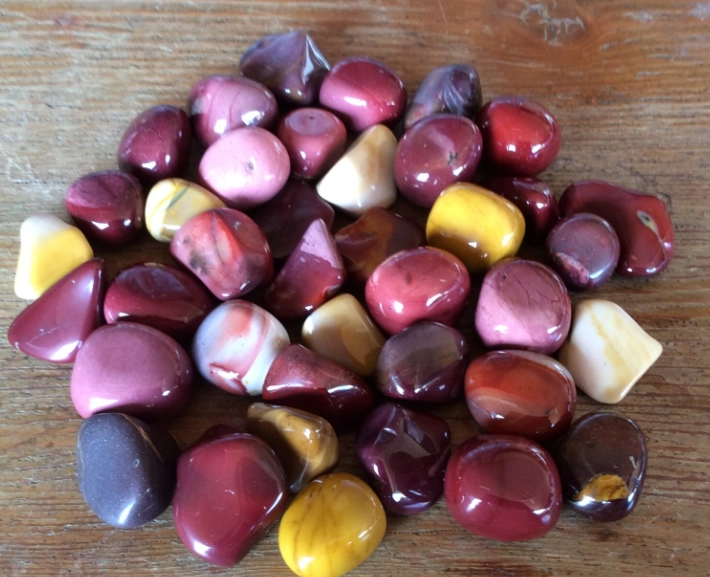
Colors range from deep reds and burgundies to creamy yellows and browns. Sometimes you'll see streaks of white or purple. Each color variation ties back to mineral impurities like iron oxides. But here's a thing most guides miss: the color isn't just cosmetic. It subtly influences the stone's energy. Red Mookaite tends to be more energizing, while yellow hues promote clarity. I've seen collectors focus solely on aesthetics and end up with a stone that doesn't resonate.
Geological Origins and Rarity
Mookaite deposits are limited to a specific region in Australia, making it relatively rare compared to other jaspers. According to the Geological Survey of Western Australia, these formations date back to the Cretaceous period. That's over 65 million years old. This antiquity contributes to its grounding properties—it's literally ancient earth energy solidified.
When I first started, I assumed all Mookaite was the same. Not true. The mining location affects quality. Stones from the main outcrops near Mooka Creek are often more vibrant and structurally sound. Cheaper versions from peripheral sites can be brittle or faded.
The True Meaning of Mookaite: Beyond the Surface
So, what's the core meaning of Mookaite? It's often called the "Earth Stone" for a reason. It symbolizes stability, connection to nature, and personal growth. Indigenous Australian cultures have used it for centuries in rituals, valuing its protective and healing qualities. But in modern crystal healing, its meaning extends to emotional resilience and decision-making.
Mookaite meaning isn't just about spirituality—it's practical. It encourages you to stay grounded while pursuing goals. Imagine you're feeling overwhelmed by life changes. Holding Mookaite can anchor you, reminding you of your roots and strengths. I've used it during stressful career shifts, and it helped me avoid impulsive decisions.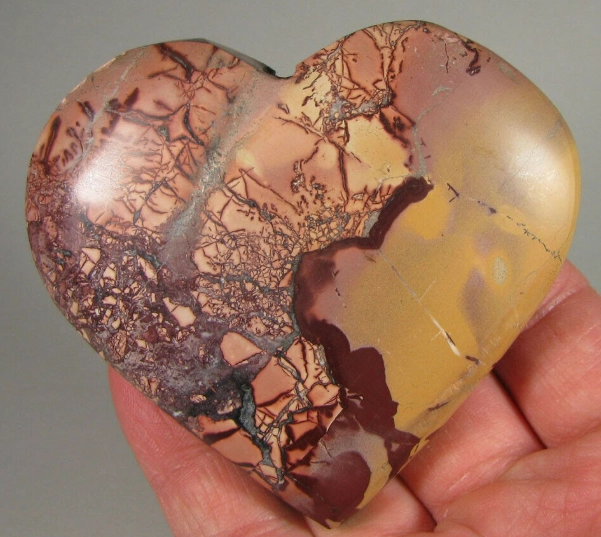
Spiritual Significance in Different Traditions
In New Age practices, Mookaite is linked to the root and sacral chakras. It's believed to enhance intuition and connect you with earth energies. But don't just take my word for it. Many crystal healers, like those cited in resources from the International Crystal Therapy Association, emphasize its role in past-life regression and shamanic journeys.
Personally, I think the spiritual meaning is overhyped sometimes. Mookaite won't magically solve problems. But it serves as a tangible reminder to stay present. That's its real power.
Mookaite Healing Properties: A Detailed Breakdown
Let's get specific. Mookaite healing properties span physical, emotional, and spiritual realms. Here's a table that breaks it down without the vague jargon you often see online.
| Aspect | Key Properties | How It Manifests |
|---|---|---|
| Physical Healing | Supports immune system, aids digestion, boosts vitality | Often used in layouts on the abdomen or during recovery from illness. I've found it helpful for seasonal fatigue—place it on your desk to combat afternoon slumps. |
| Emotional Healing | Reduces anxiety, promotes courage, enhances self-esteem | Carry a small tumble stone in your pocket during stressful meetings. It grounds nervous energy without sedating you. |
| Spiritual Healing | Grounds spiritual energy, connects to earth, aids meditation | Use it as a meditation anchor. Hold it while focusing on breath—it prevents "spacing out" too much. |
One nuance beginners overlook: Mookaite's healing works best when combined with action. It's not a passive cure. For example, if you're using it for anxiety, pair it with deep breathing exercises. I've seen people expect miracles and then dismiss the stone when nothing happens. That's a mistake.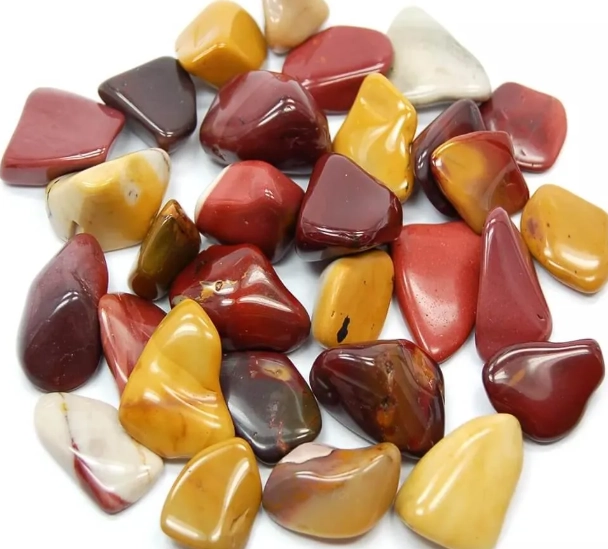
Pro Tip: The color of your Mookaite can tailor its effects. Red-dominant stones are great for physical energy, while yellow ones sharpen mental focus. Mix and match based on your daily needs.
A Case Study: Using Mookaite for Decision-Making
Let me share a personal story. Last year, I was torn between two job offers. One was high-paying but stressful, the other was fulfilling but less lucrative. I kept a piece of Mookaite on my nightstand for a week. Each morning, I'd hold it and reflect. It didn't "tell" me what to do. Instead, it helped quiet the noise—the fears about money, the societal pressures. I realized I valued peace over prestige. I chose the fulfilling job and haven't regretted it. Mookaite's meaning here was about clarity, not magic.
How to Use Mookaite in Your Daily Life
Integrating Mookaite into your routine is straightforward. Here are actionable ways, not just vague suggestions.
As Jewelry: Wear a Mookaite pendant or bracelet. It keeps the energy close to your skin. I prefer pendants for heart-level grounding. Avoid cheap wire wraps that can damage the stone—opt for bezel settings.
In Meditation: Place a palm-sized piece on your root chakra (base of spine) during sessions. It stabilizes your energy. Start with 5-10 minutes daily. If your mind wanders, the stone's weight brings you back.
For Home Decor: Put a large Mookaite specimen in your living room or office. It acts as a grounding focal point. I have one on my desk, and visitors often comment on the calm vibe.
Cleansing and Charging: Don't overcomplicate this. Rinse Mookaite under lukewarm water monthly—it's water-safe due to its silica composition. Charge it by placing it in sunlight for an hour. Moonlight works too, but sunlight enhances its earthy properties. Avoid salt baths; they can erode the surface over time.
I see many people obsess over cleansing rituals. Honestly, Mookaite is robust. A quick rinse and intention-setting are enough. Don't fall for gimmicky charging devices.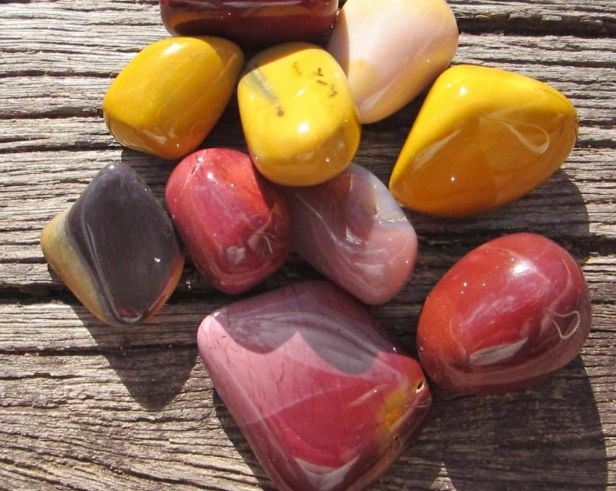
How to Identify Authentic Mookaite: Expert Tips
The market is flooded with fakes. Here's how to spot real Mookaite, based on my years of buying and selling crystals.
Look at the Color Patterns: Authentic Mookaite has blended, organic patterns—not sharp lines or uniform colors. Think of swirling sunsets. Fakes often look too perfect or have garish dyes.
Check the Weight and Texture: Real Mookaite feels dense and slightly waxy. It's hard (6.5-7 on Mohs scale) but not glassy. If it feels lightweight or plasticky, it's likely resin or dyed agate.
Examine Under Light: Hold it up to a bright light. Genuine Mookaite may show subtle translucency at thin edges. Opaque stones throughout could be imitations.
Source Verification: Buy from reputable dealers who disclose origins. Australian-based sellers or those affiliated with the Gemological Institute of America (GIA) are safer. I once bought a "Mookaite" online that turned out to be reconstituted stone—lesson learned.
A common pitfall: assuming all red jasper is Mookaite. Mookaite has a unique matrix that includes yellows and browns. If it's purely red, it might be regular jasper from elsewhere.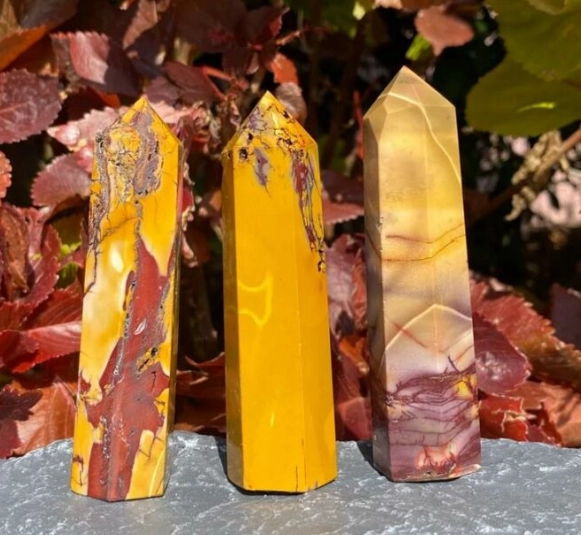
Common Myths About Mookaite Debunked
Let's clear up misconceptions that even seasoned crystal users believe.
Myth 1: Mookaite works instantly for all issues. Nope. It's a support tool, not a quick fix. Consistency matters. Use it daily for at least a week to notice effects.
Myth 2: All Mookaite has the same energy. As mentioned, color variations matter. Red Mookaite is more stimulating, yellow is calming. Choose based on your intent.
Myth 3: It's only for spiritual people. Not true. Even skeptics can benefit from its grounding physical presence. Think of it as a stress-relief stone, like a worry stone.
Myth 4: Bigger stones are always better. Size isn't everything. A small, high-quality piece outperforms a large, low-grade one. Focus on texture and color saturation.
I've met collectors who hoard massive pieces but never use them. A palm-sized stone is practical for most needs.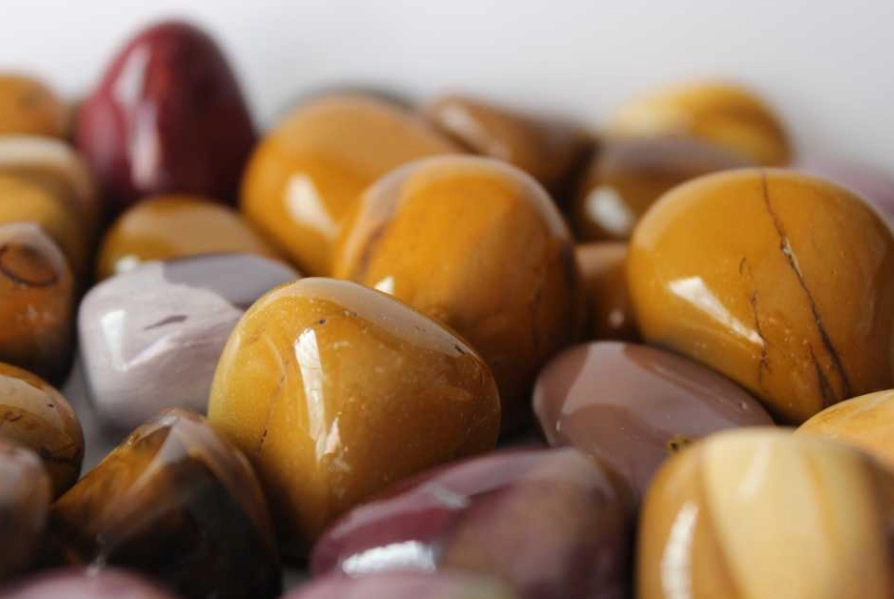
FAQ: Your Burning Questions Answered
Mookaite's meaning is rooted in practicality and earth connection. It's not a mystical cure-all, but a reliable tool for grounding and growth. Whether you're a crystal newbie or a seasoned collector, understanding its nuances—from color variations to identification tricks—can transform how you use it. Start with a small, authentic piece, integrate it into daily rituals, and observe the shifts. Remember, the real magic lies in your intention and action.
Got more questions? Drop a comment—I read them all.
Related Articles
Red Jasper Spiritual Meaning: Grounding, Protection & Vitality Explained
Sun Stone: A Guide to Meaning, Uses & Healing Properties

The three giants of MCU, three choices
Top 10 Benefits of Ruby Stone: Healing & Spiritual Guide