Explore This Guide
You've probably seen it – that stunning deep blue stone shot through with golden flecks. It's in jewelry stores, on spiritual blogs, and maybe even on a friend's wrist. Lapis lazuli. It's gorgeous, no doubt. But beyond its beauty, people keep talking about its power. Its benefits. You're left wondering: is this just pretty folklore, or is there something more to it?
I wondered the same thing. A few years back, I was given a small, tumbled piece. Honestly, I just liked the color. But as I started carrying it around, reading about it, and honestly, just paying more attention to how I felt, I began to notice things. It wasn't magic, not in the fairy-tale sense. It was subtler. A bit more focus here, a slightly easier time speaking my mind there. It piqued my curiosity.
So I dug in. I looked past the marketing fluff and the vague mystical claims. I talked to longtime crystal users, read historical accounts, and even sifted through some of the limited scientific perspectives on minerals and well-being. What I found was a fascinating story that spans thousands of years, connecting pharaohs, Renaissance painters, and modern-day seekers.
This guide is that deep dive. We're not just going to list the benefits of lapis lazuli. We're going to understand them. Where do these ideas come from? How can you realistically use the stone? And what should you watch out for? Let's get into it.
The Core Idea: Think of lapis lazuli less like a "cure-all pill" and more like a tool for awareness. Its primary proposed benefit is enhancing clarity and truth – in your thoughts, communication, and self-understanding. Everything else, from calming nerves to boosting creativity, tends to flow from that central point.
Where the Mystique Begins: A Rock Star History
To get why people believe in the benefits of lapis lazuli, you have to know its backstory. This isn't some new-age fad. This stone has a resume.
Ancient Egyptians prized it above almost all other gems. They associated it with the night sky and the heavens. Tutankhamun's burial mask famously features inlaid lapis lazuli. For them, it was divine. They also ground it into ultramarine powder, a pigment so expensive it was often reserved for depicting the robes of the Virgin Mary in Renaissance art – a literal connection to the sacred. The Gemological Institute of America (GIA) has a great page detailing this rich history, noting its use in seals, jewelry, and cosmetics across Mesopotamia, Egypt, Greece, and Rome.
In places like Afghanistan (home to the oldest and most famous mines), Persia, and even pre-Columbian America, it was a symbol of royalty, honor, and the gods themselves. That's a powerful legacy to attach to a stone. When something is cherished for millennia, across wildly different cultures, it makes you pause. Maybe they were all just obsessed with blue? Possibly. But the consistency of its association with truth, wisdom, and power is striking.
It makes modern claims about its benefits feel less invented and more like a continuation of a very old human conversation with this particular piece of the Earth.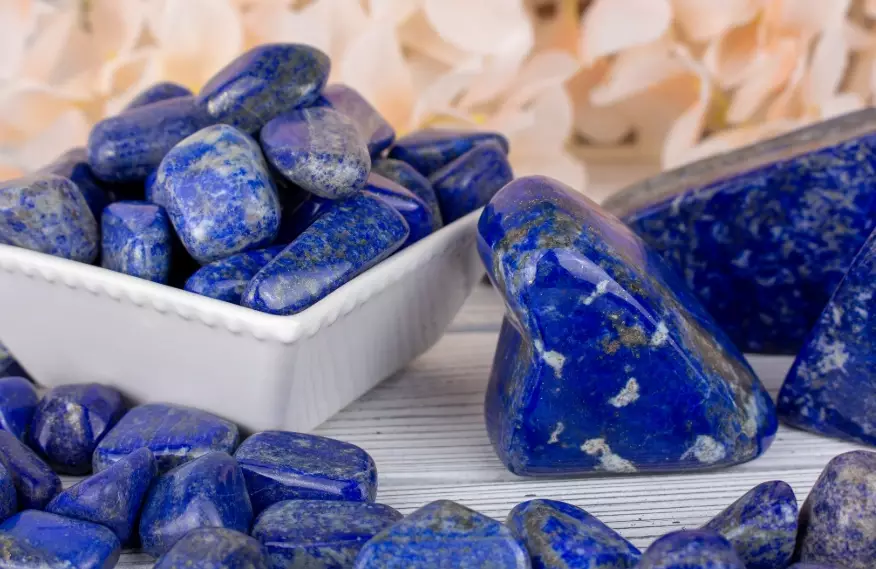
Breaking Down the Benefits: Mind, Spirit, and Body
Alright, let's get to the heart of the search query. When people ask "what are the benefits of lapis lazuli?", they're usually hoping for a breakdown. It's helpful to categorize them, even though in practice these areas constantly overlap.
Mental & Emotional Perks (Where It Really Shines for Me)
This is the arena where I, and most people I've spoken to, feel lapis has the most noticeable impact. It's not about suddenly becoming a genius. It's about removing static.
- Clarity and Objective Thought: This is the big one. Lapis is called the "stone of truth" for a reason. It's not about some external truth, but about seeing your own situation clearly, without the fog of ego, fear, or wishful thinking. Stuck in a messy emotional loop? Holding a piece of lapis and taking a few deep breaths can sometimes help you step back and see the patterns more dispassionately. It's like a mental declutter.
- Speaking Your Truth with Confidence: Linked directly to clarity is communication. Many call it a "throat chakra" stone. The idea is it helps you articulate your thoughts and feelings honestly and calmly, especially in difficult conversations. I'm not a naturally confrontational person, and I've found having it nearby when I need to have a tough talk does help me stay centered and say what I mean without getting flustered or aggressive.
- Calming an Overactive Mind: The deep blue color is inherently soothing. If your brain is a browser with 50 tabs open at 2 AM, lapis can be like gently closing a few. It doesn't sedate you; it just helps quiet the noise. This is one of the key benefits of lapis lazuli for those dealing with anxiety or stress—it’s thought to promote mental serenity without drowsiness.
- Boosting Creative Problem-Solving: By cutting through confusion and encouraging new perspectives, it can be a great ally for writers, artists, or anyone facing a creative block. It doesn't give you the idea, but it might help you clear the debris so your own ideas can surface.
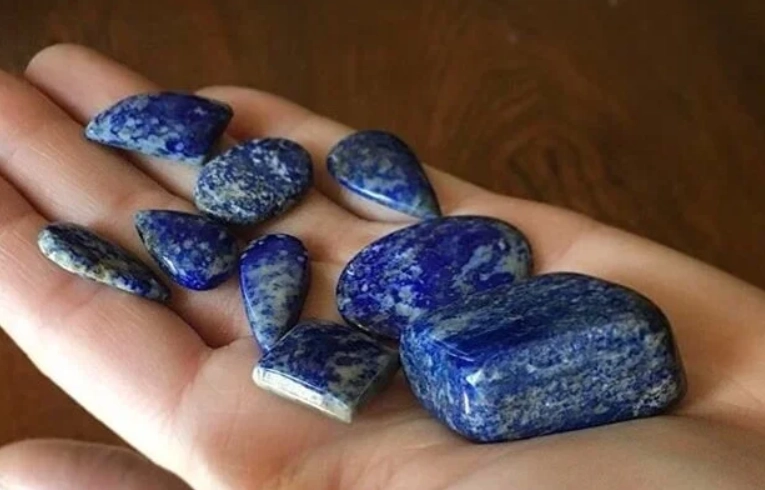
Personal take: The mental clarity aspect is what sold me. I remember a specific time I was trying to write a complicated email, going in circles. I put my laptop down, held my lapis palm stone for a minute, and just stared out the window. The "right" way to phrase things didn't magically appear, but the frantic, scattered feeling did. I went back and finished it simply and directly. Was it the stone? Was it the 60-second mindfulness break? Honestly, I don't care. The combination worked.
Spiritual & Energetic Benefits
This gets more abstract, but it's a huge part of why people seek out lapis. Even if you're skeptical, understanding this context is key.
- Deepening Meditation & Self-Discovery: Lapis is a classic meditation aid. Gazing into its blue can help focus the mind, but its deeper role is in facilitating journeys inward for self-discovery. It's said to connect you to inner truth and wisdom you might be ignoring.
- Enhancing Intuition: Not in a "predict the lottery" way, but in a gut-feeling, deeper-knowing way. By quieting the logical, chattering mind, it may create space for intuitive hits to be heard.
- Stimulating Spiritual Awakening: In many traditions, lapis is considered a high-vibration stone that can accelerate spiritual growth and open the mind to higher levels of guidance and insight. It's often linked to the "third eye" chakra, associated with intuition and foresight.
- Protection (Energetic): Historically, it was carried as a protective talisman. In a modern context, think less about blocking physical harm and more about shielding against negative energy, psychic drains, or environmental stress. It's thought to create a sort of calm, truthful bubble around the wearer.
See the theme? Truth, insight, inner connection.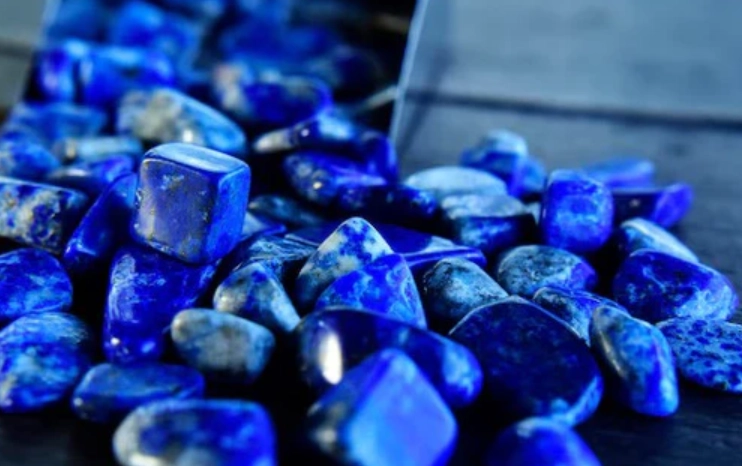
Physical Wellness Associations
Important disclaimer right up front: Lapis lazuli is not a medical treatment. It should never replace professional medical advice, diagnosis, or treatment. Any physical benefits are considered complementary, holistic, and based on traditional or metaphysical belief systems.
That said, in crystal healing traditions, different stones are associated with supporting different physical systems, often based on color or historical use. For lapis, the deep blue links it to areas of the throat, head, and overall calm.
- Throat & Respiratory System: Given its strong link to communication and the throat chakra, it's traditionally used in attempts to support throat health, soothe sore throats, or help with thyroid issues. (Again, support, not cure).
- Nervous System Calm: Its soothing energy is believed to help calm the nervous system, which may indirectly support relief from tension headaches, migraines, or stress-related skin conditions.
- Sleep Support: A calmer mind often leads to better sleep. Placing a piece on a nightstand or under a pillow is a common practice for those seeking to quiet racing thoughts at bedtime.
- Immune System & Purification: Some traditions associate it with cleansing the body and boosting immune function, likely stemming from its historical use as a purifying pigment and ornament.
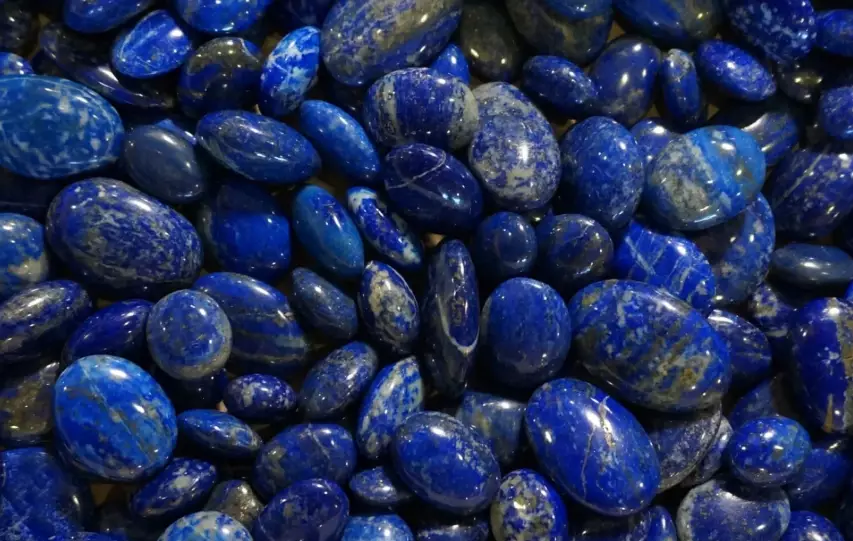
Let's be real: The physical claims are the hardest to verify and the easiest to oversell. I'm including them for completeness because you'll see them everywhere. My personal stance? Any physical benefit likely comes from the profound mental relaxation and stress reduction it can promote. Stress messes with the body in countless ways. If a stone helps reduce stress, the body often thanks you for it. That's the most logical pathway I see.
How to Actually Use It: Moving Beyond Theory
Knowing the benefits of lapis lazuli is one thing. Getting those benefits is another. It's not a passive thing. You have to interact with it. Here’s a practical, no-nonsense guide.
First, Get the Right Stone: A Quick Quality Check
Not all lapis is equal. A poorly dyed, fake, or super-low-grade piece might not have the same… presence. You don't need a museum piece, but you want the real deal. Here’s what to look for:
| Feature | What to Look For (The Good Stuff) | What to Avoid |
|---|---|---|
| Color | Rich, uniform royal blue to deep violet-blue. The famous "ultramarine." | Dull, grayish, or uneven blue. Overly bright "cornflower" blue (often dyed). |
| Pyrite (Gold Flecks) | Brassy-gold flecks or veins distributed evenly or in pleasing patterns. They should sparkle a little. | No pyrite at all (can be fine, but less classic). Or, large, blotchy, dull yellow patches. |
| Calcite (White Streaks) | Some white calcite veins are normal and can add character. A moderate amount is okay. | Dominant white streaks or a chalky, white-mottled appearance. This lowers durability and intensity. |
| Feel & Weight | It should feel relatively dense and cool to the touch. Polished surfaces are smooth but not glassy-slick. | Feels lightweight, warm, or has a plastic-like texture. Bubbles under magnification (indicates glass imitation). |
The Natural History Museum (London) Gem Vault has stunning examples of high-quality lapis if you want to train your eye visually. Afghan lapis is typically the benchmark.
Your Daily Lapis Toolkit: Methods That Work
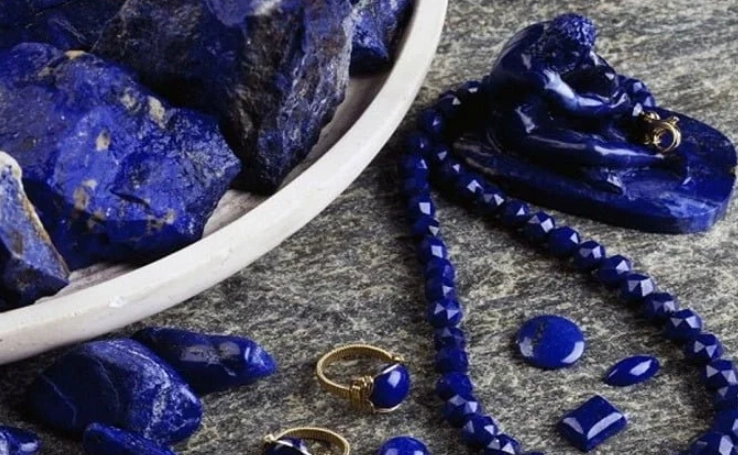
- Wear It: The simplest method. A necklace places it near the throat (ideal for communication). A bracelet or ring keeps it on your person. The constant, subtle contact is the point.
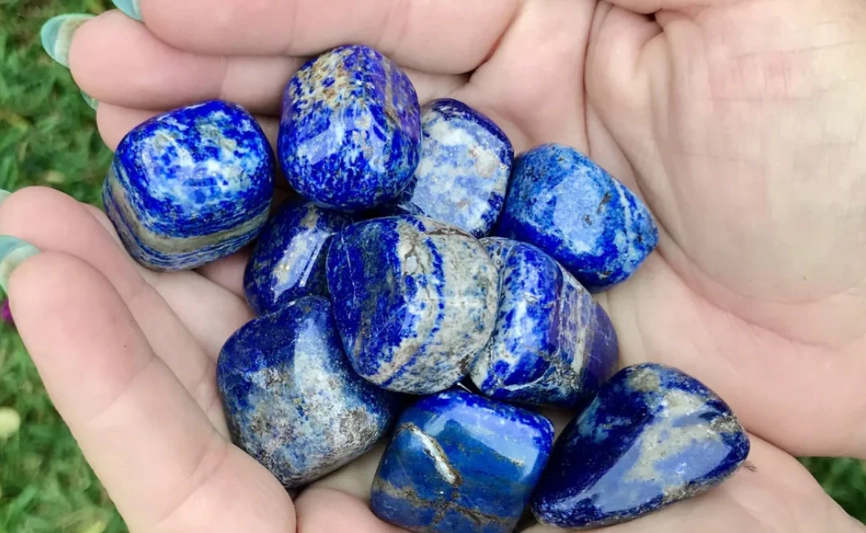
- Carry a Tumble Stone: Keep a smooth, palm-sized piece in your pocket or purse. Reach for it during stressful moments, meetings, or when you need to think. I do this constantly.
- Meditate With It: Hold it in your receiving hand (usually left) or place it on your forehead (third eye) or throat during meditation. Set a simple intention like "clarity" or "truthful speech." Don't force it; just let it be there.
- Place It in Your Environment: Put a larger piece on your desk for focus, on your nightstand for peaceful sleep, or in your living room to promote honest communication in the home.
- Elixirs? Use Caution. Some make crystal elixirs by placing a stone in water. I do not recommend this with lapis lazuli. It can contain trace elements (like the pyrite) that may not be safe to ingest. If you want an "elixir," place the stone next to a glass of water, not in it.
Answering Your Burning Questions (The Real SEO Gold)
Putting It All Together: A Realistic Expectation
After all this, what can you really expect? Let's be brutally honest to avoid disappointment.
Lapis lazuli is not going to solve your life problems overnight. It won't magically get you a promotion, fix a relationship, or cure an illness. If anyone sells it that way, walk away.
What it can do, in my experience and that of countless others over centuries, is act as a profound catalyst and reminder.
- It's a catalyst for self-honesty. When you're lying to yourself, its energy can feel almost uncomfortable—a nudge to look deeper.
- It's a reminder to speak your truth, kindly and clearly, when you'd rather stay silent or get angry.
- It's a tool to focus your meditation when your mind is a runaway train.
- It's a tangible anchor for intention. Holding it while you set a goal or affirm a truth makes that mental act more physical, more real.
The benefits of lapis lazuli are subtle, cumulative, and deeply personal. Some days you'll feel nothing. Other days, its presence will be strikingly supportive. A lot depends on you—your openness, your intention, and your willingness to do the inner work it encourages.
My final piece of advice? Don't overthink it. Get a genuine piece that speaks to you. Cleanse it. Carry it, wear it, or just have it somewhere you'll see it. Let it be a beautiful object that, on your best days, helps you be a little more clear, a little more truthful, and a little more calm. That, in itself, is a profound benefit. And in our noisy, distracted world, that's no small thing.
Want to explore the mindfulness aspect that pairs so well with lapis work? Resources like Mindful.org offer fantastic, secular grounding in the practice that makes using any tool like this more effective.
So, there you have it. Not just a list, but the story, the context, the practicalities, and the honest expectations surrounding what are the benefits of lapis lazuli. I hope this deep dive gives you exactly what you needed to know.
Related Articles
Iolite: The Viking's Compass Stone for Intuition & Clarity
Green Moss Agate Benefits: More Than Just a Pretty Stone
Ocean Jasper: 7 Healing Benefits & How to Use This Stone
Ocean Jasper Guide: Meaning, Properties, and How to Identify Real Stones