Explore the Sections
I remember the first time I held a piece of rough, unpolished jasper. It was a chunk of red jasper I'd picked up on a hike, nothing fancy. It felt heavy, solid, almost warm in my hand. The color was this deep, rusty red with streaks of darker brown, and it had a kind of earthy, unpretentious beauty. I wasn't sure what to do with it, but I kept it. That's the thing about natural jasper stones – they have a way of grabbing your attention without screaming for it. They're the quiet, interesting characters in the vast world of rocks and minerals.
If you've found yourself down a rabbit hole looking at pictures of stunning patterned stones labeled as jasper, or if you've been gifted a jasper bracelet and wondered what it's all about, you're in the right place. This isn't going to be a dry, textbook lecture. Think of it as a long chat with someone who's spent too much time (and probably too much money) learning about these stones the hard way. We'll talk about what jasper really is, the insane variety of types out there, what people actually use it for, and – crucially – how to navigate buying it without getting duped.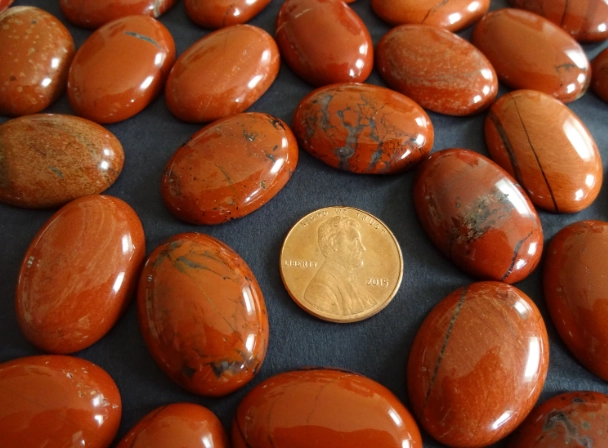
What Exactly Are We Talking About?
At its core, natural jasper is a form of chalcedony, which itself is a variety of microcrystalline quartz. That's a mouthful, I know. In plain English, it means it's a very hard, durable stone made of teeny-tiny crystals packed tightly together. What makes jasper special, and what gives it those wild patterns and colors, is that it's almost always opaque and contains a significant amount of other minerals and impurities – usually clay, iron oxides, or organic materials. These aren't flaws; they're the source of its personality. The stone forms primarily from silica-rich sediments or volcanic ash that gets cemented together over millions of years, often in places with a lot of hydrothermal activity. The U.S. Geological Survey has loads of accessible info on how sedimentary and volcanic processes create various minerals, which is a great starting point if you're into the hardcore geology side of things.
One of the biggest points of confusion? Jasper vs. agate. They're cousins, both being chalcedony. But while agate is typically translucent or transparent with banding, jasper is opaque and can have just about any pattern imaginable – spotted, striped, flamed, landscaped, you name it. The line can sometimes blur (there's something called "jasp-agate"), which is why buying from reputable sources matters.
The Mind-Boggling Variety: A Tour of Jasper Types
Okay, this is where it gets fun. When people say "jasper," they're referring to a massive family. Calling a stone "jasper" is like calling an animal a "dog" – it's accurate, but it doesn't tell you if you're looking at a Chihuahua or a Great Dane. The variety in color and pattern is directly tied to the specific mineral impurities and the conditions where it formed. I've seen some lists that name over 50 types, which feels a bit excessive even for a enthusiast. Let's focus on the ones you're most likely to encounter and fall in love with.
| Jasper Type | Key Colors & Patterns | Notable Sources (A sampling) | What It's Often Used For |
|---|---|---|---|
| Red Jasper | Deep brick red to rusty brown; solid, striped, or spotted. | India, Brazil, Uruguay, USA (Oregon) | Tumbled stones, cabochons for rings/pendants, worry stones. The classic. |
| Picture Jasper | Landscape-like scenes in beige, brown, tan. Looks like a desert panorama. | USA (Idaho, Utah), Morocco | Showcase cabochons, statement pendants, display pieces. Each is a one-of-a-kind "painting." |
| Ocean Jasper | Orbicular patterns (little circles) in greens, pinks, whites, yellows. Exceptionally cheerful. | Madagascar (only one known source) | High-end jewelry, collector spheres, polished palms stones. Often pricey due to scarcity. |
| Dalmatian Jasper | White or cream base with black or brown spots. Looks exactly like the dog's coat. | Mexico, India | Beads, carvings, decorative items. Very popular for its playful look. |
| Bumblebee Jasper | Vibrant yellow, orange, and black banding. Striking and bold. | Indonesia (Java) | Statement jewelry, small carvings. A word of caution: it contains sulfur and arsenic compounds, so handle polished pieces, not raw, and wash hands. |
| Mookaite Jasper | Rich yellows, burgundies, creams, and mauves, often in swirling patterns. | Australia (Western Australia) | Cabochons, tumbled stones, fossil-like specimens. Prized for its earthy color palette. |
| Leopard Skin Jasper | Yellowish-brown with darker ringed spots resembling leopard print. | Mexico, USA | Beads, cabochons, decorative spheres. Has a wild, organic feel. |
| Rainforest Jasper (aka Rhyolite) | Mossy greens, earthy browns, and creams with orbicular or speckled patterns. | Australia, Mexico, USA | Polished slabs, worry stones, pendants. The name evokes its colors perfectly. |
Looking at that table, you start to get the picture. The diversity is insane. I have a soft spot for Picture Jasper – I once spent an hour at a gem show just sifting through a tray of them, each one telling a different silent story of mountains and skies. But I'll be honest, I find the hype around some of the rarer types, like certain Ocean Jasper from specific "veins," can get a bit over-the-top and drive prices to silly levels. It's a beautiful stone, but it's still a stone.
What Do People Actually Do With Jasper Stones?
This is where intention meets the object. People bring natural jasper stones into their lives for all sorts of reasons, ranging from the purely practical to the deeply personal.
The Decorative & Artistic Angle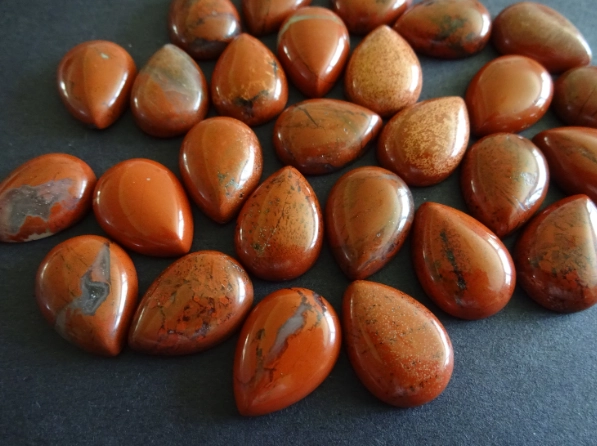
First and foremost, jasper is stunning to look at. Its durability (it's a 6.5-7 on the Mohs scale) makes it perfect for a range of uses beyond just sitting on a shelf.
- Jewelry: This is the big one. Jasper is cut into cabochons (polished, domed shapes without facets) for rings, pendants, and bracelets. Its opacity and patterns shine in this form. A well-cut picture jasper pendant can be a real conversation starter. Tumbled jasper beads are also hugely popular for making earthy, natural-looking necklaces and bracelets.
- Carving & Ornamentation: Because it's tough yet workable with the right tools, jasper has been used for centuries for seals, cameos, small figurines, and inlay work. You'll find beautiful jasper spheres, pyramids, and eggs sold as display pieces for their aesthetic appeal.
- Home Decor: Polished jasper slices or bookends add a unique, organic touch to a room. A slab of vibrant brecciated jasper (which looks like fragmented pieces cemented back together) can be a stunning natural work of art.
The Collector's Drive
For many, myself included, the hunt is part of the joy. Collecting natural jasper stones can be about completing a set of different types, finding the most exquisite example of a particular pattern, or sourcing specimens from specific locations around the world. There's a satisfaction in holding a piece of the earth from Madagascar, Australia, or Oregon and appreciating its unique history. The Gemological Institute of America (GIA) provides a fantastic, scientifically-grounded resource for gem and mineral identification, which is invaluable for serious collectors who want to verify what they have.
The Metaphysical & Personal Significance
Here's where we step into territory that's important to acknowledge, even if you're a skeptic like I tend to be. Across many cultures and throughout history, stones like jasper have been attributed with various meanings, properties, and energies.
You'll commonly hear things like:
- Red Jasper: Often associated with stability, vitality, and grounding. Called a "stone of endurance."
- Picture Jasper: Linked to journeying, connection to the earth's history, and gaining a broader perspective.
- Ocean Jasper: Tied to joy, patience, and releasing stress.
Whether you view these associations as historical folklore, psychological tools for focus, or something more, they form a significant part of why people are drawn to these stones. Many use them as meditation aids, focusing objects, or simply as personal talismans that represent a certain quality they want to cultivate. The key is that the value is personal, not intrinsic to the stone's chemical makeup.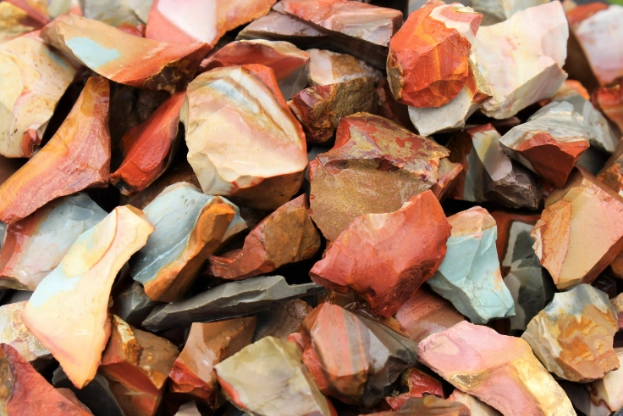
Buying Guide: How to Not Get Ripped Off
This might be the most useful section here. The market is flooded with both gorgeous genuine pieces and disappointing fakes or misrepresentations. Let's talk brass tacks.
Real vs. Fake: A Few Red Flags
Genuine natural jasper has certain characteristics. Fakes (often dyed howlite, marble, or even plastic/resin) usually trip up on a few points.
- Temperature: Real stone feels cool to the touch and takes a moment to warm up. Plastic feels room temperature or warm immediately.
- Imperfections: Look closely. Real jasper will have natural variations, tiny pits, and color zones that aren't perfectly uniform. If the pattern is too perfect, repetitive, or looks "painted on," be suspicious.
- Weight: It should feel denser, heavier than a similarly sized piece of plastic or glass.
- The Acid Test (for dyed stone): A cotton swab with acetone (nail polish remover) rubbed gently on an inconspicuous spot might pick up dye if the stone is fraudulently colored. Be very careful and ask permission if it's not your stone!
Where to Buy? This depends on what you want.
- Local Rock/Gem Shops: Often the best. You can see and feel the stones, ask questions, and build a relationship. The prices might be higher than online, but the ability to inspect is worth it.
- Gem & Mineral Shows: Paradise. You get to see a massive variety, often directly from miners or importers. Prices can be great, and expertise is high.
- Online Marketplaces (Etsy, eBay, Specialty Sites): Huge selection, but you must vet the seller. Read reviews meticulously. Look for sellers who provide clear, high-resolution photos of the actual piece (not stock photos), state the source or locality if known, and have a reasonable return policy. Beware of listings with prices that seem too good to be true for the size and type described.
A Word on "Healing" Claims
This is crucial for staying on the right side of both ethics and the law (like FDA regulations in the U.S.). While you can discuss historical and cultural meanings, it is imperative to avoid making direct medical or health claims. No natural jasper stone can diagnose, treat, cure, or prevent any disease. Reputable sellers will talk about a stone's "traditional associations" or "metaphysical properties" but will never promise health outcomes. If a website is claiming a stone will cure your arthritis or lower your blood pressure, view everything else they say with extreme skepticism.
Price Ranges: What's Reasonable?
It's all over the map. A small, tumbled red jasper stone might cost $2-$5. A medium-sized, high-quality picture jasper cabochon ready for a pendant could be $20-$60. A large, exceptional sphere of rare Ocean Jasper could run into the hundreds. Size, rarity of type, quality of pattern/color, and polish all factor in. Don't be afraid to shop around and compare.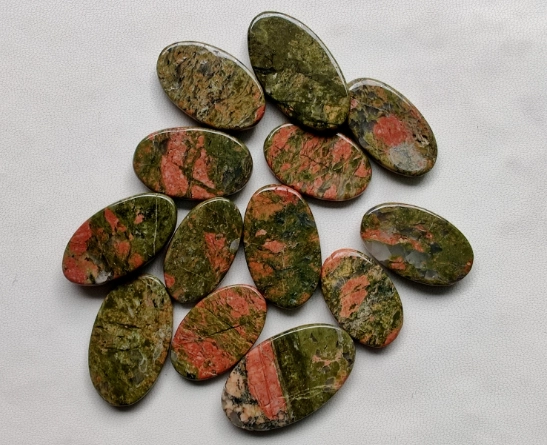
Caring for Your Jasper Collection
You've got some beautiful pieces now. How do you keep them that way? Luckily, jasper is low-maintenance, but not indestructible.
Cleaning: Warm water, mild soap, and a soft brush (like an old toothbrush) are perfect. Rinse and dry thoroughly. Avoid harsh chemicals, ultrasonic cleaners (they can crack stones with internal fractures), and steam cleaners.
Storage: Keep your stones separate, especially from harder gems like diamonds, sapphires, or topaz that can scratch them. A soft cloth pouch or a compartmentalized box is ideal. Don't just throw them all in a jar where they can clack against each other.
Sunlight: While most jasper is colorfast, prolonged direct sunlight can, over years, potentially fade some stones. It's best to display them in indirect light if possible.
It's simple, really. Treat them like the durable but appreciative natural artifacts they are.
Your Jasper Questions, Answered
I've gotten a lot of the same questions from friends and readers over the years. Here's a shot at clearing up the common ones.
Is jasper a rare stone?
It depends on the type. Red jasper? Very common and widely available. High-quality Picture Jasper from a specific famous locale in Idaho? Much rarer. Certain patterns of Ocean Jasper from a depleted vein in Madagascar? Extremely rare and collectible. So, the family as a whole is not rare, but specific, top-tier specimens of certain types definitely are.
How can I tell if my jasper is real?
We covered the red flags above. The best single piece of advice is to get familiar with the real thing. Visit a museum with a mineral collection, go to a local rock shop, or handle known genuine pieces. Your eyes and hands will learn the difference faster than any list of tips. When in doubt, consult a gemologist or an experienced lapidary artist.
What's the difference between jasper and agate again?
The quick and dirty rule: Transparency and pattern. Agate is generally translucent (light passes through) with concentric bands. Jasper is opaque (light does not pass through) and can have swirling, spotted, or landscape patterns. If you hold it up to a bright light and can't see any light coming through, it's leaning towards jasper.
Can jasper go in water?
For cleaning, brief immersion is fine, as mentioned. But I wouldn't recommend leaving natural jasper stones submerged for long periods (like in an aquarium) or wearing them in the shower constantly. Water can eventually seep into tiny microfractures and potentially weaken the stone or loosen glue in settings over a very long time. It's a "better safe than sorry" thing.
Where is the best jasper found?
There's no single "best." Different locales are famous for different types. The western United States (Idaho, Oregon, Utah) is famous for its Picture Jaspers and scenic material. Madagascar is the sole source of true Ocean Jasper. Australia has incredible Mookaite. Mexico produces fantastic Dalmatian and Leopard Skin jasper. Brazil, India, and Russia are also major sources for various forms. The "best" is the one whose appearance speaks to you.
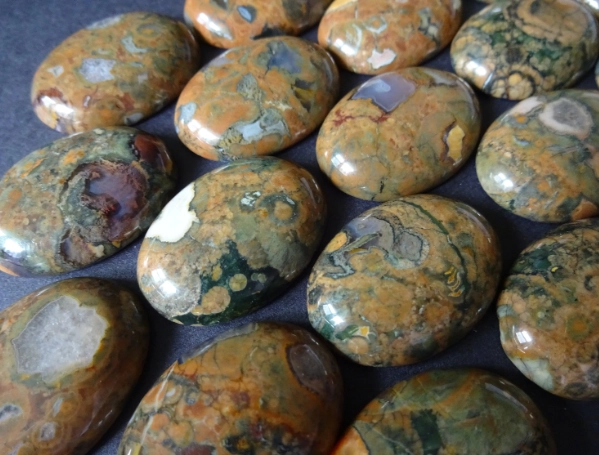
Look, at the end of the day, natural jasper stones offer a tangible connection to the artistry of geology. They're a reminder of the incredible, slow-motion forces that shape our planet, resulting in something we can hold in our hands. Whether you're drawn to them for their beauty, their purported meanings, or simply the fun of the hunt, there's a world of variety to explore.
Start simple. Pick up a tumbled piece of red or yellow jasper from a reputable shop. Feel its weight. Examine its patterns under a lamp. See what you think, without any pressure. That's how it started for me, with that one rough piece on a hike. Now, my windowsill is a bit more crowded, and my understanding of the earth's quiet creativity has grown immensely. And really, that's the point of it all.
Related Articles
Selenite Crystal Meaning: A Complete Guide to Its Uses & Healing Properties
Orange Sapphire Names: A Complete Guide to Padparadscha and Other Varieties
Who Should Avoid Tiger Eye Stone? Key Precautions Explained
Kunzite Value: Is This Pink Gemstone a Good Investment?
Rhodonite: Meaning, Healing Properties & How to Use It Effectively
