Quick Navigation
- What Exactly is an Orange Sapphire?
- The Allure of Orange: Beyond Just a Pretty Color
- Top Benefits of Orange Sapphire (The Real Deal)
- How to Spot a Quality Orange Sapphire: A Buyer's Eye
- Caring for Your Orange Sapphire
- Orange Sapphire vs. Other Orange Gems
- Your Questions Answered: Orange Sapphire FAQ
- Final Thoughts: Is an Orange Sapphire Right for You?
Let's talk about orange sapphires. You've probably seen the classic blue ones everywhere, but the orange variety? That's a different story. It's like finding a slice of a permanent sunset trapped inside a stone. I remember the first time I held one up to the light – the color wasn't just orange; it was a mix of ripe mango, burning embers, and honey all at once. It felt warm, literally and figuratively. That's when I started digging deeper into the real orange sapphire benefits, beyond just its looks.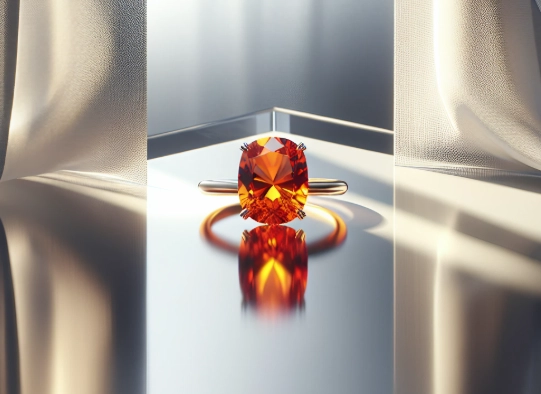
Most people search for "orange sapphire benefits" because they're curious. Maybe they saw a piece of jewelry, or someone mentioned it has "good energy." But what does that even mean? Is it just hype, or is there something more to this stone? I spent a good amount of time talking to gemologists, reading old texts (some get pretty mystical), and just observing the market. What I found is that the benefits of orange sapphire aren't a single thing; they're a whole package deal that touches on how you feel, how you think, and even how you present yourself to the world.
The Core Idea: The primary orange sapphire benefit isn't just one magic property. It's a combination of its exceptional durability (it's a 9 on the Mohs scale, second only to diamond), its stunning and rare color that speaks of vitality, and a historical and cultural weight that associates it with creativity, success, and personal power. It's a gem you wear for resilience as much as for beauty.
What Exactly is an Orange Sapphire?
Before we dive into the good stuff, let's clear the air. A sapphire is a variety of the mineral corundum. Blue gets all the fame, but any corundum that isn't red (that's a ruby) is a sapphire. So yes, pink, yellow, purple, and our star today – orange.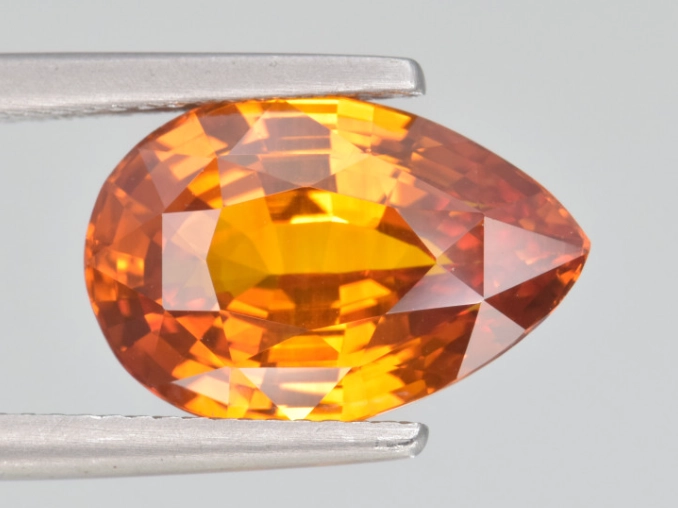
The color comes from trace elements. For orange, it's usually a delicate dance between iron and chromium impurities. Sometimes it's a pure, bright orange. Other times, it leans towards a pinkish-orange (padparadscha, the ultra-rare and expensive one) or a more brownish, earthy tone. Each shade has its own character, and frankly, its own price tag. The Gemological Institute of America (GIA) has extensive resources on corundum color origins if you want to get really technical.
I've seen dealers get into heated arguments over whether a stone is "true orange" or "orangy-pink." It matters, especially for value. But for you, the wearer, the benefit is in finding a color that resonates with you. Does it make you feel happy? Energized? That's the starting point.
The Allure of Orange: Beyond Just a Pretty Color
Orange isn't a shy color. It's the color of citrus fruit, autumn leaves, and a crackling fire. Psychologically, it's linked to enthusiasm, fascination, happiness, and stimulation. In many Eastern traditions, it's the color of sacral chakras – the center of creativity, pleasure, and emotion.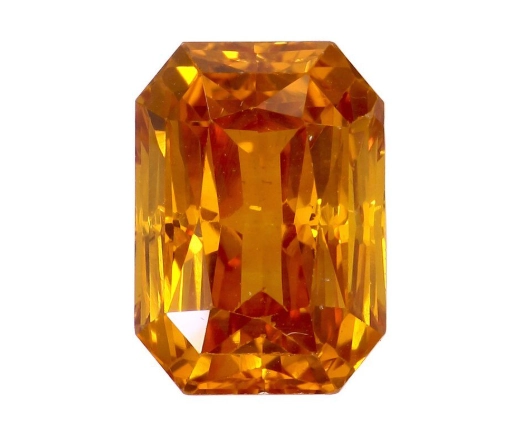
So when you take that inherently powerful color and encase it in one of the hardest natural substances on the planet, you get something with presence. An orange sapphire doesn't whisper; it has a quiet, confident hum. This is a key part of understanding orange sapphire benefits – it's a durable vehicle for a very potent color symbolism.
Top Benefits of Orange Sapphire (The Real Deal)
Let's break down the specific orange sapphire benefits. I'm separating these into practical, emotional, and symbolic categories because people look for different things.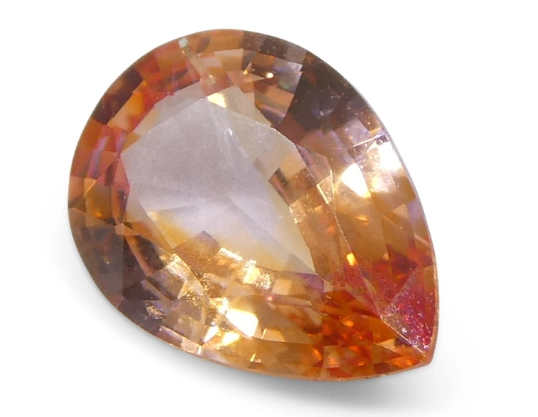
A Physical and Energetic Powerhouse
This is where a lot of the "crystal healing" talk comes in, and I'll be straight with you – there's zero hard scientific proof that a gemstone can cure illnesses. Anyone who tells you otherwise is selling something. However, the mind is powerful.
Many people who believe in gemstone therapy associate orange sapphire with vitality and stamina. The idea is that its vibrant energy can help combat fatigue and lethargy. It's often linked to the reproductive system and digestion in these metaphysical frameworks. Again, this is folklore and belief, not medicine. But the placebo effect of wearing something you believe gives you energy? That's real psychology.
The undeniable physical benefit? Its hardness. At Mohs 9, an orange sapphire is incredibly scratch-resistant. You can wear it every single day – in a ring, a bracelet – without worrying about it getting dulled by life. That's a massive practical benefit over softer stones like opal or emerald. You're investing in something that lasts.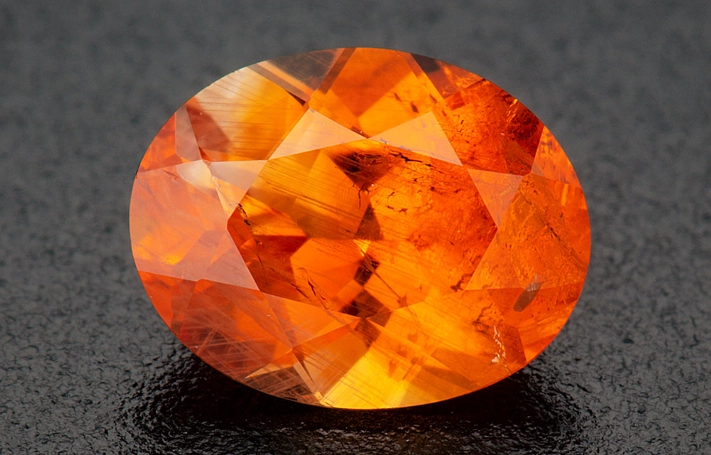
An Emotional Anchor and Confidence Booster
This is where I've heard the most consistent feedback. Orange is a social, extroverted color. Wearing an orange sapphire can feel like a little secret boost of confidence. It's not overwhelming like red can be; it's friendly and approachable.
People report feeling more optimistic and open when they wear it. It's associated with dispelling apathy and rejuvenating your interest in life's pleasures. If you're going through a phase where everything feels a bit grey or routine, the bright warmth of an orange sapphire can serve as a visual reminder to seek out joy and connection.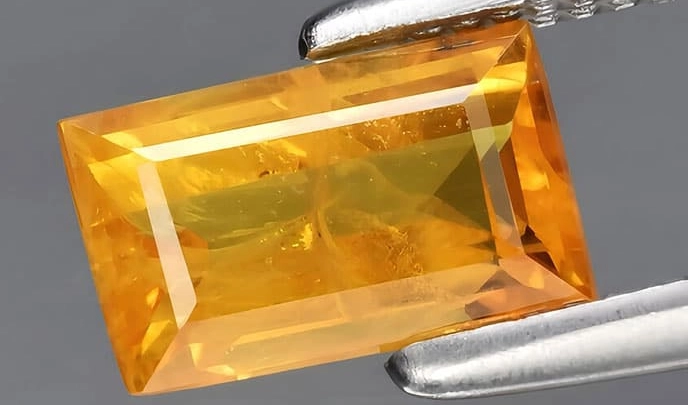
I knew someone who bought a small orange sapphire pendant before starting a big, scary career change. For her, it wasn't a magic charm. It was a tangible touchstone. When she felt doubt, she'd hold it. It reminded her of her intention to be bold and creative. That's a powerful emotional benefit.
A Spark for Creativity and Mental Clarity
Stuck in a creative rut? Many artists, writers, and musicians are drawn to orange sapphires. The stone is historically linked to the planet Jupiter (representing expansion, wisdom, and abundance) in Vedic astrology. The belief is that it can help clear mental fog, aid in concentration, and stimulate new ideas.
Whether you subscribe to astrology or not, there's a logic here. Surrounding yourself with inspiring, beautiful objects can influence your mindset. Having a gem on your desk that captures the light in such a vibrant way might just be the nudge your brain needs to look at a problem from a new angle. The orange sapphire benefits for your mind are about association and inspiration more than any direct psychic link.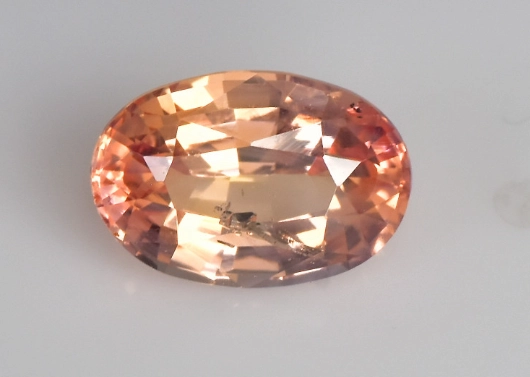
A Stone of Spiritual Warmth and Connection
In many spiritual practices, orange is the color of the Sacral Chakra (Svadhishthana), located below the navel. This energy center is linked to emotion, sensuality, creativity, and relationships. An orange sapphire is often used as a tool for meditation focused on balancing this chakra.
The idea is to promote a healthy flow of creative and emotional energy, breaking down barriers to intimacy and self-expression. It's seen as a stone that encourages commitment – to projects, to people, and to your own personal growth. For those on a spiritual path, exploring the orange sapphire benefits can be part of a deeper practice of self-awareness.
A Personal Aside: I'm a bit skeptical of overly elaborate spiritual claims about any gem. But I can't deny that certain stones have a "vibe." My orange sapphire feels active and warm, while my blue one feels calm and cool. It's subtle, but it's there. Maybe it's all in my head, but if it works, does it matter?
How to Spot a Quality Orange Sapphire: A Buyer's Eye
Understanding the benefits is one thing. Getting a good stone is another. Not all orange sapphires are created equal, and a poor-quality stone won't give you any of the visual or emotional satisfaction you're after. Here's what to look for, stripped of jargon.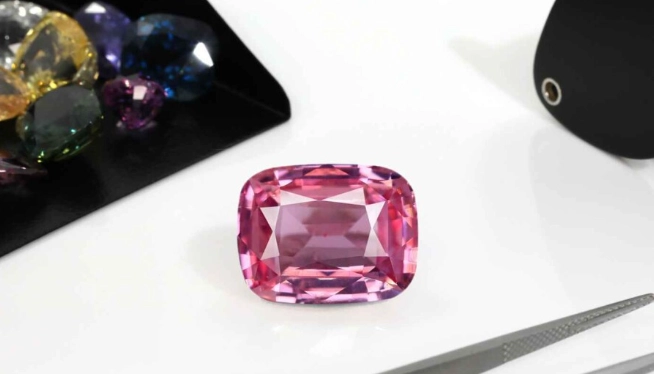
Color, Color, Color: This is king. The most valued orange is a pure, vivid, medium-toned orange with high saturation. No brown or grey modifiers muddying it up. The famous padparadscha is a exquisite pinkish-orange sunset color. Lighter stones can be beautiful but are usually less valuable. Dark, almost brown stones have a different, earthy appeal but won't have that "pop."
Clarity: Sapphires typically have some inclusions (internal features). You don't want a stone that's so included it looks cloudy or dulls the color. But a few tiny silk-like inclusions or crystals are normal and can even prove it's natural. Avoid stones with large, distracting cracks or inclusions near the surface that could threaten durability.
Cut: A good cut makes all the difference. It's not just about shape (oval, cushion, round). It's about how well the cutter has oriented the stone to maximize its color and brilliance. A badly cut sapphire can look dead or show a weird color zone right in the middle. Look for a stone that looks lively and bright from different angles.
Carat Weight: Orange sapphires in larger sizes (over 2 carats) with great color are rare, so price jumps significantly. A stunning 1-carat stone is often a better buy than a mediocre 3-carat one.
The Treatment Talk: This is critical. Most sapphires on the market are heat-treated. This is a standard, accepted practice that enhances color and clarity. It's permanent and stable. A reputable seller will always disclose this. What you want to avoid are stones treated with beryllium diffusion (which adds color only to the surface) or fracture-filled with glass or leaded glass to hide cracks. These treatments are not stable and can be damaged by cleaning or repairs. Always ask for a lab report from a major lab like GIA or AGL for any significant purchase. The FTC Guides for the Jewelry Industry mandate disclosure of treatments, so a seller hiding this is breaking the rules.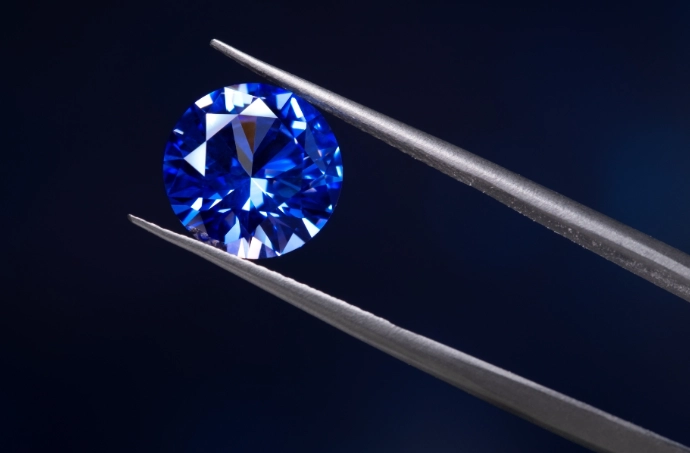
Buyer Beware: If a deal on an orange sapphire seems too good to be true, it almost always is. You're likely looking at a synthetic stone (lab-created, which is fine if you know that's what you're buying), a heavily treated stone, or a completely different gem like orange garnet or citrine being misrepresented.
To give you a rough idea of the landscape, here's a simplified comparison of orange sapphire to its cousins. This isn't about which is "better," but about understanding the field.
| Gemstone | Typical Orange Color | Hardness (Mohs) | Key Difference & Note | General Price Point (for good quality) |
|---|---|---|---|---|
| Orange Sapphire | Vivid yellow-orange to reddish-orange | 9 | Extremely durable, high luster, rare in fine quality. | $$$ to $$$$ (Padparadscha: $$$$$) |
| Spessartite Garnet | Vivid mandarin orange | 7-7.5 | Often has higher brilliance (more sparkle), slightly softer. | $$ to $$$ |
| Fire Opal | Transparent fiery orange to red | 5.5-6.5 | Softer, requires protective settings, unique play-of-color in some. | $ to $$ |
| Citrine | Pale yellow to amber-brown | 7 | Quartz variety, widely available, often heat-treated amethyst. | $ |
| Padparadscha Sapphire | Delicate pinkish-orange (sunset) | 9 | The rarest and most prized sapphire color variety. | $$$$$+ |
Caring for Your Orange Sapphire
One of the great orange sapphire benefits is easy care. But don't be lazy.
- Cleaning: Warm water, mild dish soap, and a soft brush (an old toothbrush works) are perfect. Ultrasonic cleaners are usually safe for heat-treated stones without fracture filling, but if you're unsure, stick to the manual method. Steam cleaners are also generally fine.
- Storage: Don't just throw it in a jumbled jewelry box. Keep it separate from other gems and metals to prevent scratches. A soft pouch or a compartment in a lined box is ideal.
- Activities: While it's tough, take it off for heavy manual labor, gardening, or gym workouts. It's more about protecting the setting (prongs can bend) and avoiding harsh chemicals than hurting the sapphire itself.
Orange Sapphire vs. Other Orange Gems
You might wonder why choose an orange sapphire over, say, a stunning spessartite garnet. It comes down to priorities.
Garnet can have more fire (dispersion) and often comes in a more intense, pure orange. It's also usually less expensive per carat for a comparable color. But it's not as hard. For a ring you'll wear daily, the sapphire's hardness is a huge plus. The sapphire also carries a different prestige – there's a weight to the word "sapphire" that garnet, unfortunately, doesn't have in the broader market, even if gem lovers adore it.
Fire opal is gorgeous but fragile. Citrine is affordable but lacks the rarity. The orange sapphire benefits position it as the ideal balance: durable enough for heirlooms, rare enough to feel special, and beautiful enough to stop conversation.
Your Questions Answered: Orange Sapphire FAQ
I get a lot of the same questions. Here are the straight answers.
Final Thoughts: Is an Orange Sapphire Right for You?
Look, an orange sapphire isn't for everyone. If you love classic, understated looks, you might find it too bold. If you're on a tight budget, a high-quality one might be out of reach (though small stones or those with slight color modifiers can be more accessible).
But.
If you're drawn to warmth, if you want a gem that feels both ancient and modern, if you need a little reminder to embrace your creativity and confidence, then exploring the world of orange sapphire benefits is worth your time.
It's more than just a pretty orange rock. It's a piece of the earth that captures a specific, joyful light. It's a tool for self-expression. And yeah, it's a solid investment in something beautiful that can literally last for generations without losing its spark.
The real benefit? Finding a gem that feels like it was made for you. Sometimes, that's worth more than any list of metaphysical properties could ever describe. Start by looking at some stones in person. See how the light plays in them. See how they make you feel. That's the only test that truly matters.
Related Articles
Bloodstone Crystal Guide: Healing Properties, Uses, and Buying Tips
Indigo Gabbro Composition: A Complete Guide to Blizzard Stone Minerals & Properties
Kyanite Properties: Healing Benefits, Uses, and How to Harness Its Power

Selenite Symbolism: Spiritual Meanings & How to Use This Crystal
Blue Jade Color: Meaning, Uses & How to Decorate with It