If you're into crystals or natural stones, you've probably heard whispers about Mookaite Australia. It's that gorgeous, earthy jasper from Down Under that pops up in healing circles and home decor shops. But here's the thing—most guides just scratch the surface. I've been collecting and using Mookaite for over a decade, and I've seen too many people get duped by fake pieces or miss out on its real benefits. Let's cut through the noise. This guide dives deep into what Mookaite Australia actually is, how to use it, and the pitfalls to avoid. By the end, you'll know exactly why this stone is worth your attention.
Jump Straight to What Matters
What is Mookaite Australia? The Real Story
Mookaite is a type of jasper found only in Australia, specifically in the Kennedy Ranges of Western Australia. The name comes from "Mooka Creek," the area where it's mined. Geologically, it's a silicified radiolarite—fancy talk for ancient sea creatures fossilized into colorful silica. What sets it apart? Those vibrant reds, yellows, and purples that look like a sunset captured in stone.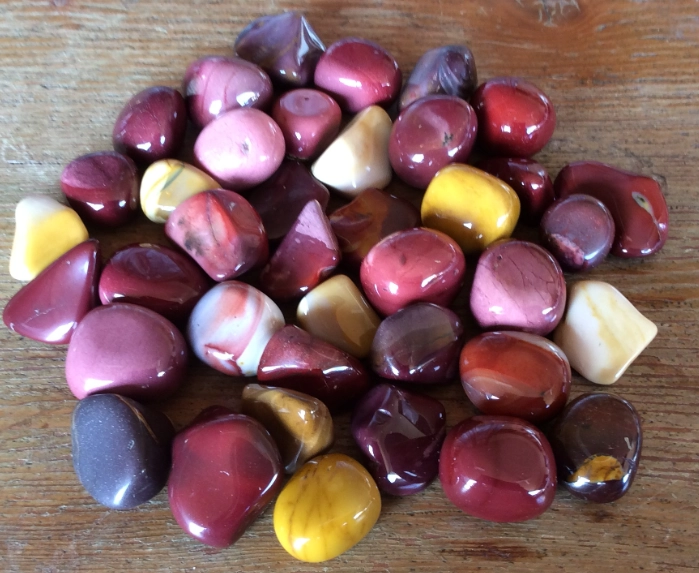
I remember my first trip to the region back in 2015. The locals warned me that not all "Mookaite" sold online is real. Some sellers slap the label on any multicoloredjasper from elsewhere. True Mookaite has a distinct, creamy texture and often includes patterns from its marine origins. If you're serious about this stone, knowing its source matters. According to the Australian Museum, Mookaite deposits are limited, which adds to its value and authenticity concerns.
Properties Breakdown: Physical and Metaphysical
Let's break down what Mookaite brings to the table. I'll keep it practical—no fluffy jargon.
Color and Appearance: More Than Just Pretty
Mookaite isn't a single color. It ranges from deep burgundy to mustard yellow, often with streaks or spots. The color depends on mineral impurities like iron oxides. In my collection, I've got pieces that shift hue under different lights. That's a sign of quality. But here's a tip beginners miss: the most expensive pieces aren't always the most useful. A muted, earthy chunk can be better for grounding than a flashy red slab.
Hardness and Durability: Will It Last?
On the Mohs scale, Mookaite sits around 6.5 to 7. That means it's decently hard but can scratch if you're rough. I've seen people use it in jewelry without sealing it, only to find it dulls over time. For rings or bracelets, consider a protective coating. In decor, it's fine as a bookend or display piece—just don't drop it.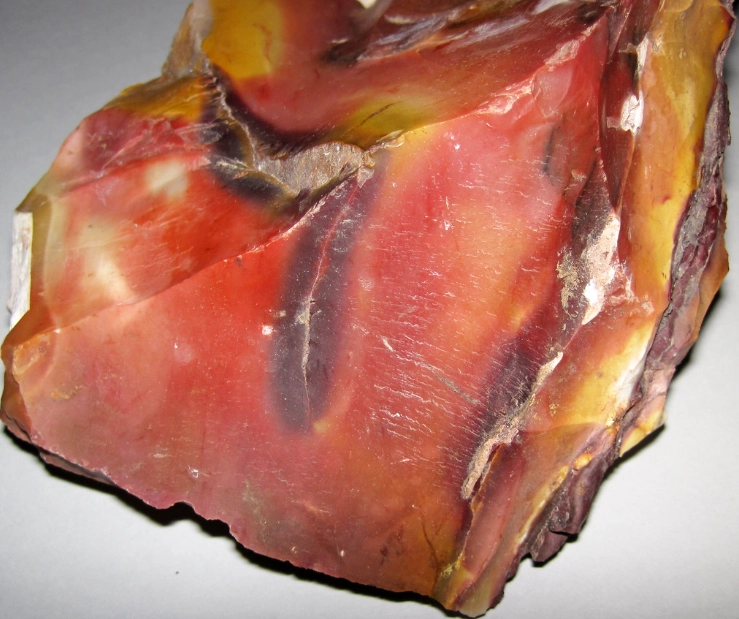
Healing Properties Explained (Without the Hype)
In crystal healing, Mookaite is touted for boosting vitality and emotional balance. I'm skeptical of overblown claims, but from personal use, I find it helps with decision-making. It's like a gentle nudge when you're stuck. Many healers link it to the root and sacral chakras, promoting stability. But don't expect miracles—it's a tool, not a cure. A common mistake is using it alone; pairing it with clear quartz can amplify effects, something I learned from a seasoned practitioner in Sydney.
Key Takeaway: Mookaite's properties stem from its unique formation. Its colors aren't just aesthetic; they reflect mineral content that influences its energetic vibe. Always cross-check with reliable sources like the International Gem Society for technical details.
Practical Uses for Mookaite in Daily Life
How do you actually use Mookaite? Here are real-world applications I've tested.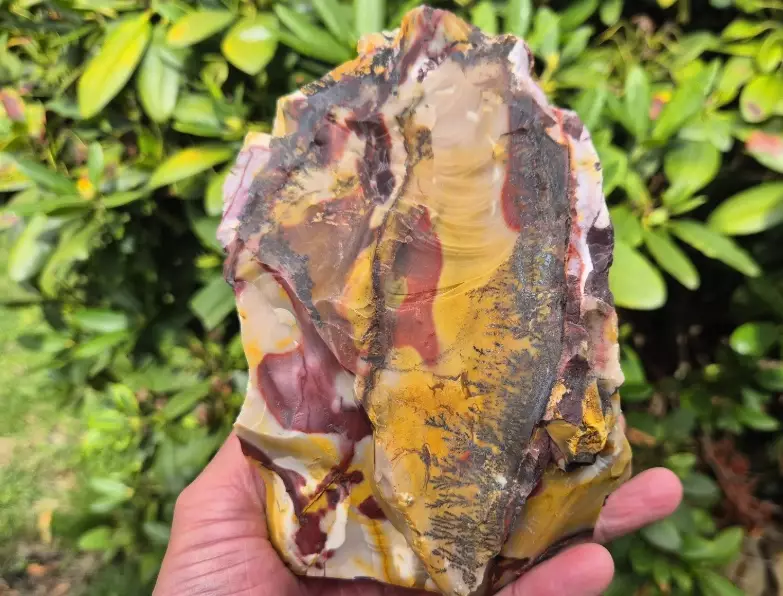
For Crystal Healing: Simple Routines That Work
Skip the complicated rituals. Place a small Mookaite palm stone on your desk during work—it's subtle but can reduce stress. I've used it during meditation, holding it while focusing on grounding. Some friends swear by placing it under their pillow for better sleep. The key is consistency. A five-minute daily touchpoint beats an hour-long session once a month.
For Home Decor: Adding Earthy Vibes
Mookaite slabs make stunning coasters or centerpieces. I've got one on my coffee table, and guests always ask about it. It's a conversation starter. In feng shui, position it in the living room for stability. But avoid direct sunlight; colors can fade over years. I learned that the hard way when a prized piece turned pale after a summer by the window.
In Jewelry Making: Balancing Beauty and Function
Mookaite beads are popular for necklaces and bracelets. When buying, look for well-polished pieces without cracks. I once bought a cheap strand online, and it broke within weeks—lesson learned. For DIY, pair it with silver or leather to complement its rustic feel. A local jeweller in Melbourne told me that Mookaite's porosity means it can absorb oils, so clean it gently with water.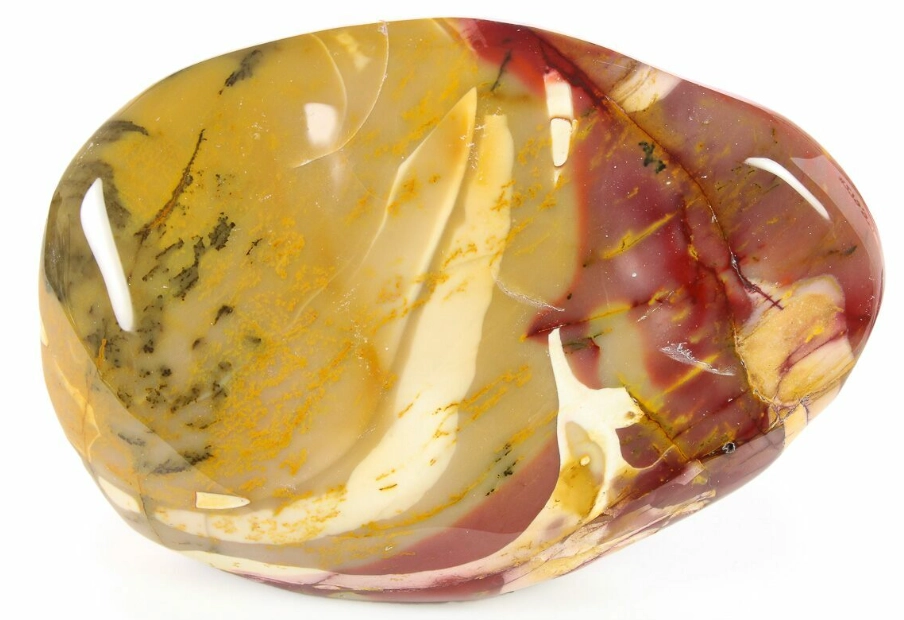
Buying Guide: How to Choose Authentic Mookaite
This is where most people get tripped up. Let's make it straightforward.
Where to Buy: Reputable sellers include Australian-based gem shops or mineral shows. Online, check reviews and return policies. I trust stores that provide origin certificates. Avoid random eBay listings with stock photos.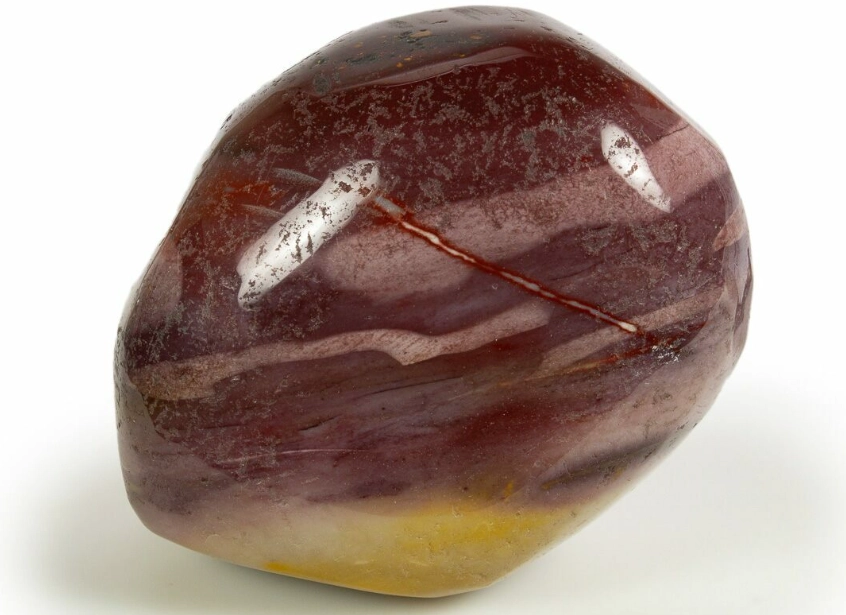
Price Ranges: Mookaite isn't cheap, but it shouldn't break the bank. Here's a quick table based on my experience:
| Item Type | Average Price (USD) | What to Expect |
|---|---|---|
| Small tumbled stone | $5 - $15 | Good for beginners, pocket-sized |
| Medium slab (decor) | $30 - $80 | Showpiece quality, 3-5 inches |
| Jewelry-grade bead strand | $20 - $50 | Polished, uniform colors |
| Large raw specimen | $100+ | Collector's item, unique patterns |
Red Flags to Avoid: If the seller can't confirm it's from Western Australia, walk away. Too-perfect colors might indicate dyeing. I once tested a piece with acetone—color rubbed off, revealing it was fake. Also, watch for overly glossy surfaces; natural Mookaite has a matte to waxy luster.
For authority, refer to resources like the Gemological Institute of America's guidelines on jasper identification. They don't cover Mookaite specifically, but the principles apply.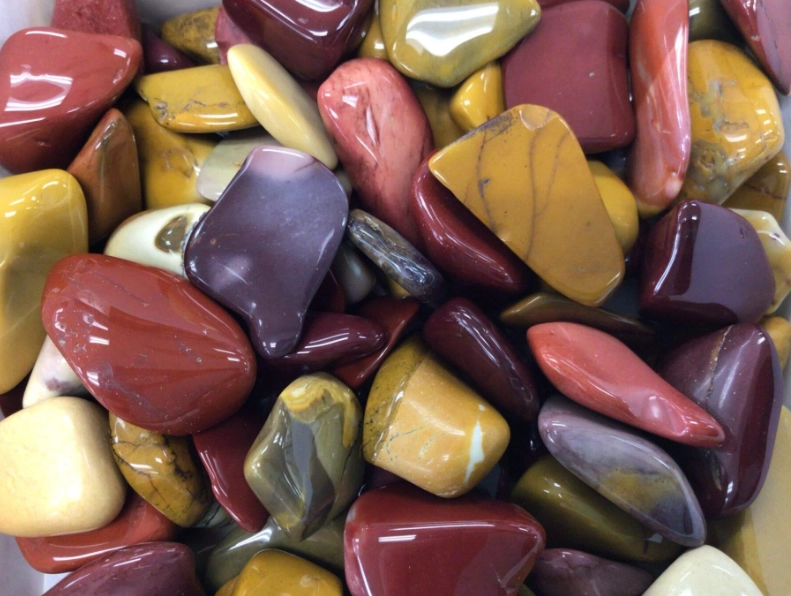
My Personal Take on Mookaite
I'll be honest—Mookaite isn't my all-time favorite crystal. Sometimes, the hype overshadows its actual utility. On a trip to Perth, I visited a mine and saw how extraction impacts the land. It made me more mindful about sourcing. That said, when used right, it's a reliable ally. I keep a chunk in my car for long drives; it seems to ease road anxiety. But I've also had duds—pieces that felt inert no matter what I did. That's the gamble with natural stones.
My advice? Don't buy into the "one stone fixes all" myth. Mookaite works best when you align it with your intentions. If you're after quick fixes, you might be disappointed. But for steady, grounding energy, it's worth a try.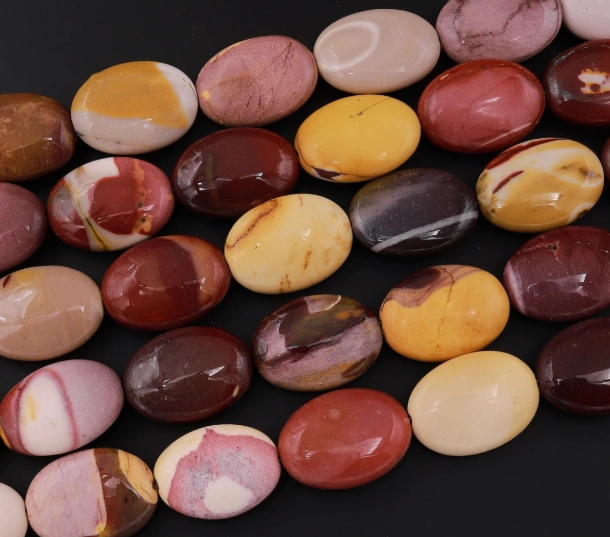
Your Burning Questions Answered
Related Articles
Jade Stone Meaning: Healing, Luck & How to Use It
Crazy Lace Agate Chakra Guide: Healing, Placement & FAQ
Jasper Stone: The Ultimate Guide to Its Colors, Uses & Healing Properties
Blue Crystals Raw: A Complete Guide to Types, Uses, and Buying Tips
Saturn in Astrology: Meaning, Lessons & How to Work With It