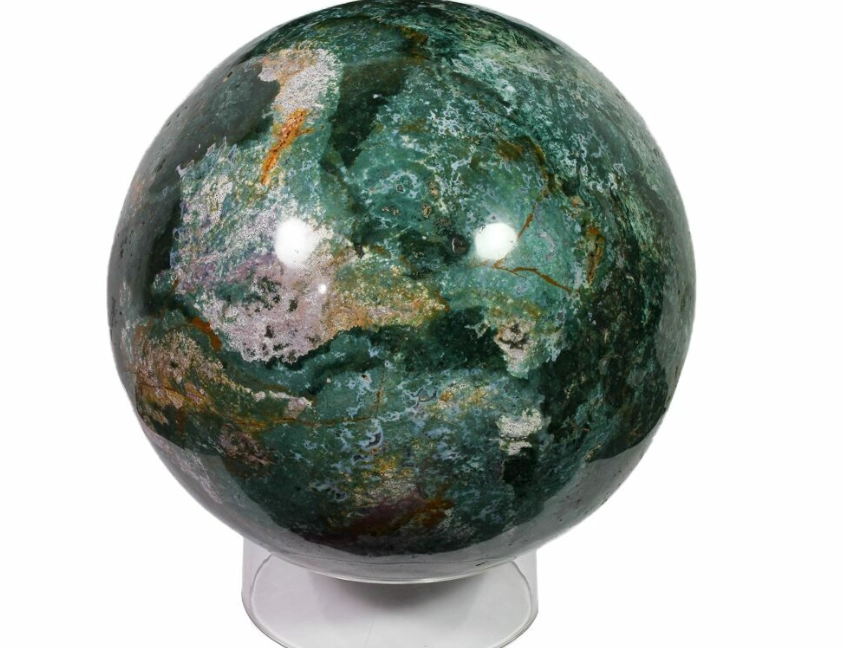
Ever held a raw diamond? Probably not. But a raw white sapphire? That's a different story. This natural, uncut crystal is having a major moment, and it's not just for hardcore gem collectors anymore. People are buying raw white sapphire for rings, necklaces, home decor, and meditation. But here's the thing most guides won't tell you: the market is flooded with mislabeled, overpriced, or just plain ugly stones. I've been collecting and working with raw crystals for over a decade, and I've seen too many beginners get burned by a cloudy, fractured piece sold as "premium." This guide is different. We're going beyond the basic "it's a natural stone" spiel. I'll show you how to spot a truly great raw white sapphire, where to buy without getting ripped off, and how to use it in ways that actually make sense.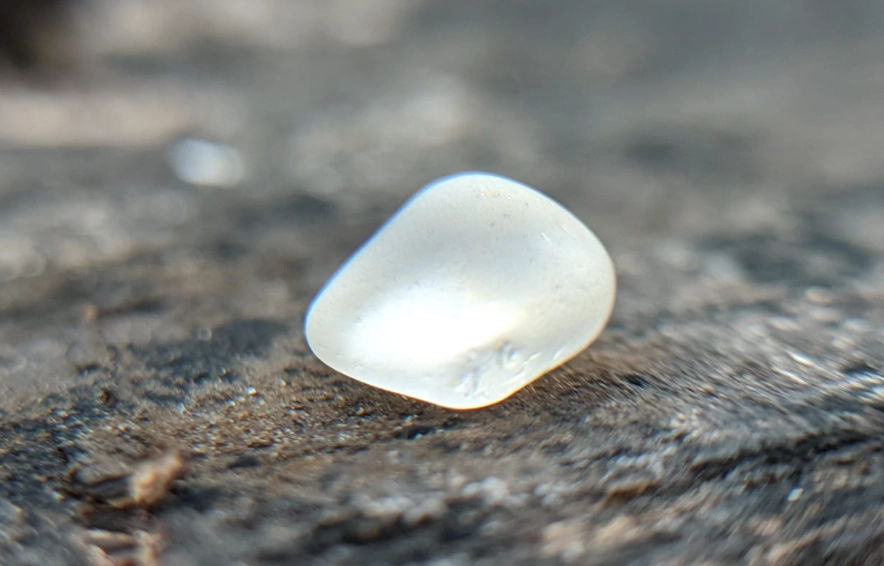
Your Quick Navigation Map
- What Exactly Is Raw White Sapphire?
- How to Evaluate Raw White Sapphire Quality (The Real Metrics)
- Where to Buy Raw White Sapphire: A No-Nonsense Breakdown
- Creative Uses for Raw White Sapphire: Beyond the Obvious
- Raw vs. Faceted White Sapphire: A Clear-Cut Comparison
- Your Raw White Sapphire Questions, Answered
What Exactly Is Raw White Sapphire?
Let's strip away the mystery. A raw white sapphire is a corundum crystal (aluminum oxide, if you want the chemistry) that hasn't been cut or polished by human hands. It comes out of the ground looking like a rough, often hexagonal, barrel-shaped or tabular chunk. Its pure form is technically colorless, but most stones have subtle hints of gray, silver, pale yellow, or even a very light blue. That's not a flaw—it's a fingerprint of the earth where it formed.
The biggest misconception? That "white" means brilliant, diamond-like sparkle. In its raw state, it doesn't. A raw sapphire has a vitreous (glassy) to almost greasy luster on its natural crystal faces. Its beauty is subdued, textural, and organic. It's about the shape, the natural terminations, and the way it catches light in a soft, diffuse glow, not a blinding flash. If you're expecting a disco ball, you're looking at the wrong stone.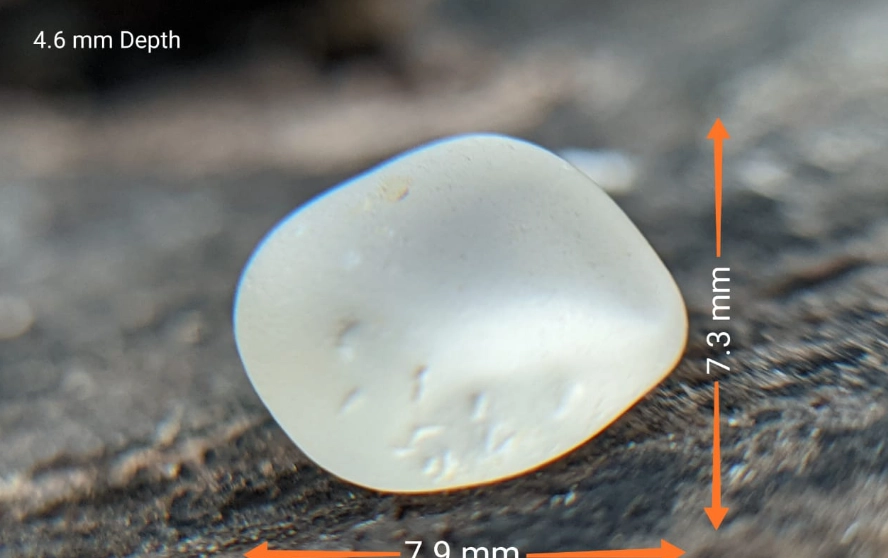
Key Insight: The value of a raw white sapphire isn't in its perfection, but in its character. A perfectly clean, colorless raw stone is exceptionally rare and commands a high price from collectors. For most jewelry and decorative uses, stones with slight inclusions or soft color tones are not only acceptable but often preferred for their unique, natural look.
How to Evaluate Raw White Sapphire Quality (The Real Metrics)
Forget the 4Cs designed for faceted diamonds. Judging a raw crystal requires a different eye. Here’s what you should actually care about, in order of importance.
1. Color & Clarity (The Honest Look)
You want a stone that is predominantly white or colorless. Heavy gray or yellow tones can make it look dirty. Clarity is tricky. Internal feathers or silk (rutile inclusions) are common and can create a soft, milky haze that some people love. But large, black inclusions or surface-reaching fractures that threaten the stone's durability are a red flag. A good raw sapphire should look clean to the naked eye from a normal viewing distance.
2. Crystal Form & Shape
This is where personality shines. A complete, undamaged crystal with sharp, defined natural faces (called "terminations") is more desirable and valuable than a broken piece or a water-worn pebble. Look for the classic hexagonal prism shape. A flat, tabular crystal can be stunning for a pendant. The shape dictates how you can set it or display it.
3. Size & Weight
Raw sapphire is sold by weight (carats or grams) and dimensions (mm). For a solitaire ring, a 1-3 carat stone is typical. For a statement pendant, you might go 5-10 carats or more. Larger, cleaner crystals are exponentially rarer and more expensive. Don't just buy the biggest stone; buy the right size for your purpose.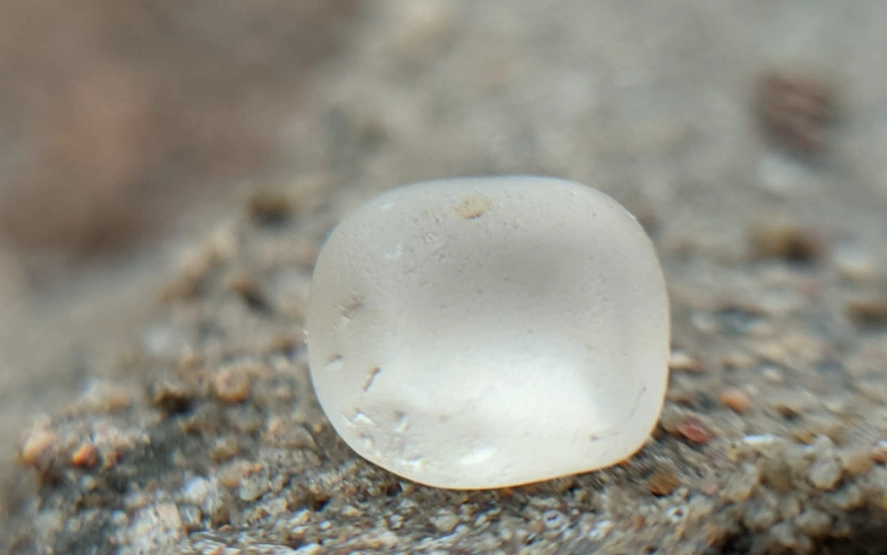
4. Surface Condition
The natural surface should be intact. Avoid stones that look like they've been sanded down or "pre-polished" to hide flaws. That gritty, natural texture is part of the charm. Some dealers do this to make lower-grade stones look more appealing—it's a pet peeve of mine.
| Quality Factor | What to Look For (Good) | What to Avoid (Bad) | Why It Matters |
|---|---|---|---|
| Color | Clear, white, pale silver. Even tone. | Muddy gray, strong yellow/brown patches. | Affects visual appeal and perceived purity. Strong off-colors are harder to style. |
| Clarity | Eye-clean. Minor silk or feathers are fine. | Large black inclusions, obvious cracks (cleavages). | Cracks compromise durability. Black spots distract from the stone's natural beauty. |
| Form | Well-defined crystal faces. Intact terminations. | Broken fragments, heavily abraded/worn shapes. | Defines the stone's character and value. Good form is a sign of a robust crystal. |
| Surface | Natural, unaltered crystal faces. Vitreous luster. | Artificially polished or sanded surfaces. | Preserves the authentic, raw aesthetic. Alteration often masks flaws. |
Where to Buy Raw White Sapphire: A No-Nonsense Breakdown
You can find raw white sapphire everywhere from Instagram to high-end gem shows. The platform you choose dictates the risk and reward.
Online Marketplaces (Etsy, eBay): The Wild West. You'll find the widest variety and price range here. Pros: Endless choice, often direct from small-scale sellers. Cons: Photo editing is rampant. That "sparkling white" stone might be dull gray in person. My rule: Only buy from sellers who show multiple unedited photos on a neutral background, provide exact dimensions in mm, and have detailed return policies. Read reviews mentioning "as described."
Specialist Gem & Mineral Dealers: Your safest bet for quality. Websites of established mineral dealers or lapidaries (like The Arkenstone or specialized sapphire sellers in Montana or Sri Lanka) are reliable. Pros: Accurate descriptions, expert knowledge, better quality stock. Cons: Higher prices, less "bargain" hunting.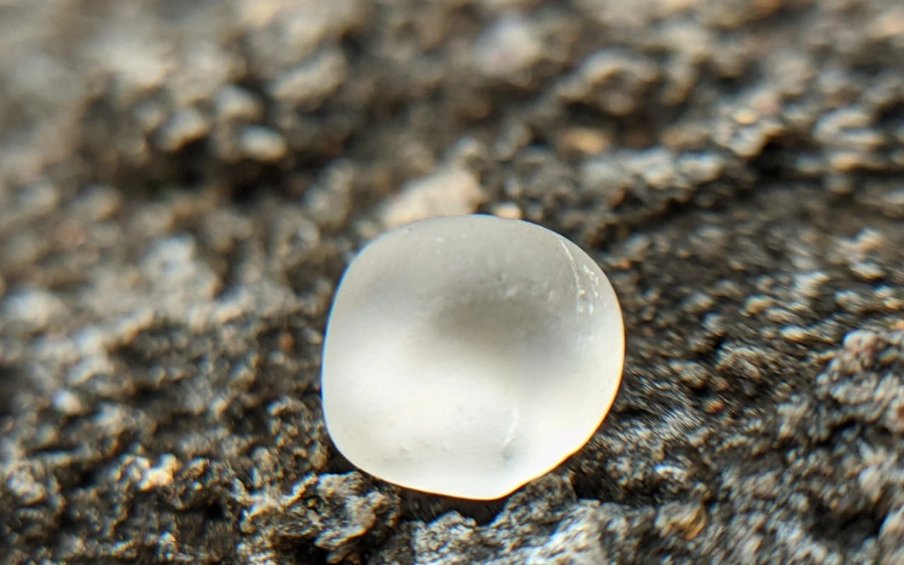
Gem & Mineral Shows: The best hands-on experience. You can hold the stone, examine it under a loupe, and talk to the dealer. Tucson Gem Show, Denver Gem & Mineral Show—these are meccas. You develop relationships with miners and importers. I've gotten my best pieces this way.
Price Reality Check: A decent, small (1-2 carat) raw white sapphire for jewelry can cost $20-$100. A fine, larger collector specimen with excellent form can run into the hundreds or thousands. If a price seems too good to be true, it usually is. You're likely getting a piece of quartz or a heavily included, fractured sapphire.
Creative Uses for Raw White Sapphire: Beyond the Obvious
Sure, you can wire-wrap it. But let's think bigger.
Jewelry with Intent: The raw, organic shape works best in simple settings that cradle the stone, not hide it. Bezel settings or open-back claw settings that let light through are ideal. I had a client who wanted a raw sapphire engagement ring—we designed a low-profile bezel that protected the stone while showcasing its natural form. It was unique and deeply personal, far from a traditional solitaire.
Home Decor & Altar Pieces: A cluster of small raw white sapphires in a glass bowl catches light beautifully. A single large specimen on a desk or meditation altar acts as a focal point. Its energy is said to be clarifying and calming—whether you believe in metaphysics or just appreciate the aesthetic, it works.
The Overlooked Option: Men's Jewelry. The rugged, natural look of a raw stone is perfect for men's rings, cufflinks, or pendants. It's understated but interesting. A raw white sapphire set in brushed tungsten or sterling silver makes a fantastic statement piece that isn't flashy.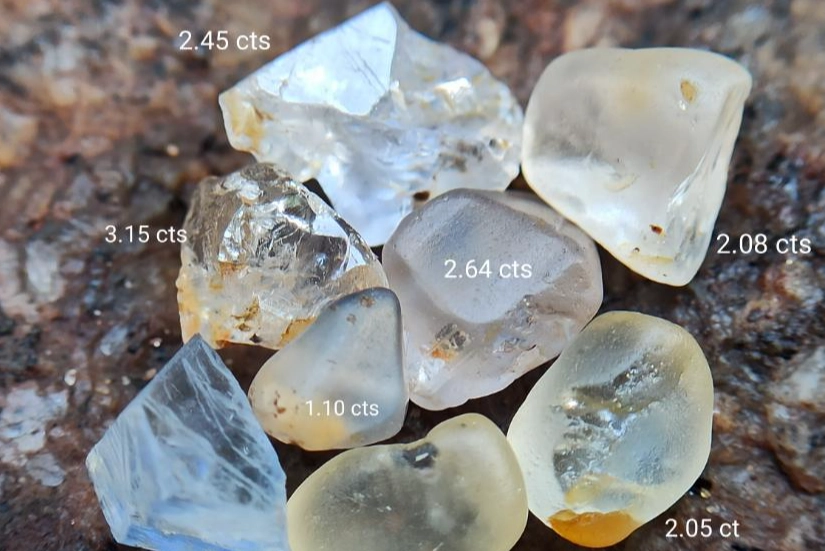
Raw vs. Faceted White Sapphire: A Clear-Cut Comparison
This is the core decision. They're the same mineral, but serve completely different purposes.
A faceted white sapphire is cut and polished to maximize brilliance and fire. It's a direct, budget-friendly diamond alternative for traditional jewelry. It's about sparkle, precision, and formal beauty.
A raw white sapphire is about connection, texture, and natural art. It's a conversation starter. It's bohemian, earthy, and individualistic. It won't compete with a diamond's sparkle in a dark room, but in daylight or soft lighting, its subtle, glow has a depth that a faceted stone can't replicate.
Choose faceted for an engagement ring where you want traditional brilliance. Choose raw for a piece that expresses a love of nature, uniqueness, and organic form.
Your Raw White Sapphire Questions, Answered
Raw white sapphire vs. diamond: Which sparkles more?
A faceted diamond will always out-sparkle a raw white sapphire, and even a faceted white sapphire. Sparkle (brilliance and fire) comes from precise cutting. A raw stone's beauty is in its shape, luster, and natural texture, not its scintillation. Comparing them on sparkle is like comparing a mountain landscape to a laser light show—they're different forms of beauty.
Is raw white sapphire durable enough for an everyday ring?
Yes, but with crucial caveats. Sapphire is a 9 on the Mohs hardness scale (diamond is 10), so it's very scratch-resistant. However, raw stones often have natural inclusions and internal stress points. A sharp knock on a table edge can chip a termination point more easily than it would damage a smoothly faceted gem. For an everyday ring, choose a stone with no obvious surface cracks, and set it in a protective bezel that covers the edges. Avoid high, prong-like settings that leave the stone exposed.
Can raw white sapphire be cleaned?
Gently. Use warm water, mild dish soap, and a soft toothbrush. Avoid ultrasonic cleaners and steamers—the vibrations and sudden heat can exacerbate existing tiny fractures. Don't use harsh chemicals. Pat dry with a soft cloth. The natural surface won't ever get a high-gloss polish, and that's okay.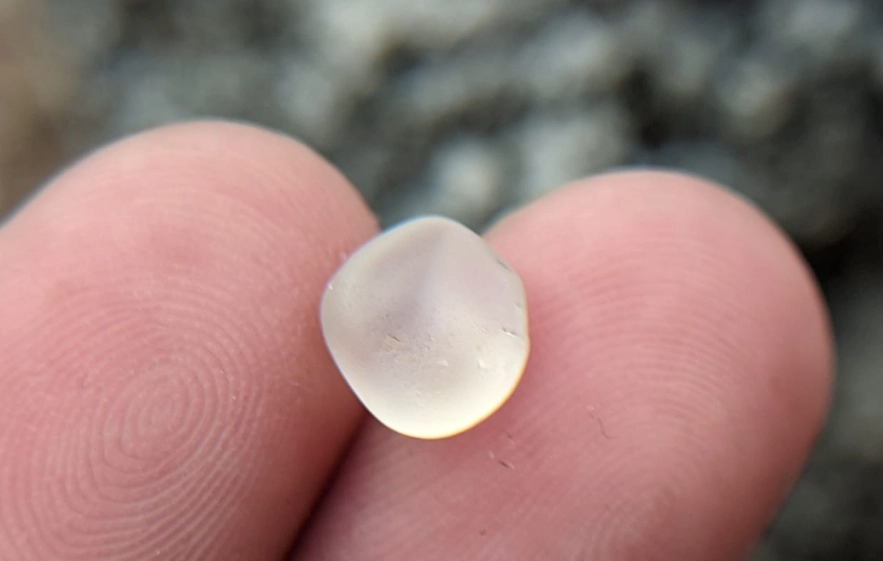
I see "lab-created raw white sapphire" for sale. Is that real?
It's chemically identical, but it's not a natural geological formation. Labs can grow corundum crystals that are then broken or left uncut to mimic a raw look. They're often flawless, cheap, and lack the character and unique inclusions of a natural stone. For crystal healing or collecting, most people want the natural earth-grown energy. For pure aesthetics on a budget, lab-created is an option, but sellers must disclose it. Ask directly if it's natural.
What's a fair price per carat for a good raw white sapphire?
There's no standard per-carat price like with faceted gems because shape and form weigh so heavily. A small, average-quality piece might be $10-$30 per carat. A larger, well-formed, clean specimen could be $50-$200+ per carat. Focus on the total price for the stone you want. A stunning $150 stone is a better value than a mediocre $50 stone you'll never wear.
Related Articles
Types of Jasper Stone: A Complete Guide to Patterns, Colors & Meanings
Unlocking Sodalite Meaning: Healing, Uses & Key Differences
Lapis Lazuli Benefits for Women: Spiritual, Emotional & Physical Healing
Mookaite Crystal: Australia's Stone of Wholeness & Grounding
Ruby Crystal Healing: Properties, Uses, and Expert Care Guide