I still remember the first time I picked up a piece of dalmation jasper. It was at a flea market, tucked between some quartz and amethyst. The seller called it a "happy stone," but I was skeptical. Fast forward ten years, and I've seen how this spotted gem can shift energy in subtle ways most guides gloss over. If you're curious about dalmation jasper beyond the basic descriptions, you're in the right place. This isn't just another crystal article—it's a deep dive from someone who's made the mistakes so you don't have to.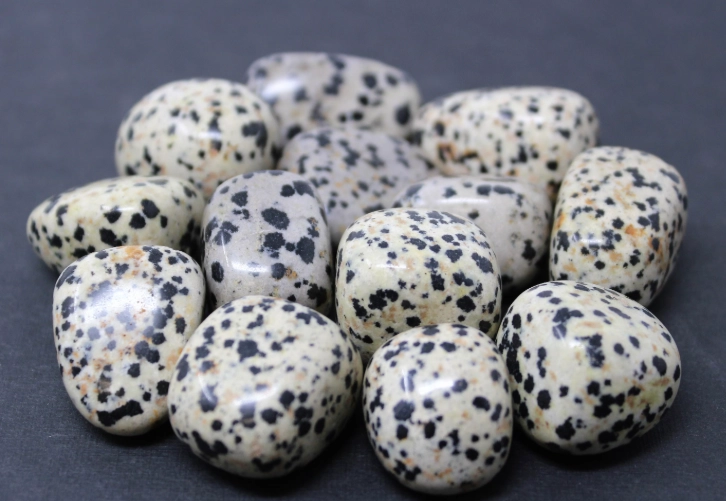
Your Quick Navigation
What Is Dalmation Jasper Really?
Dalmation jasper isn't just a pretty stone with black and white spots. Geologically, it's a type of chalcedony, which falls under the quartz family. The spots? Those are usually black tourmaline or iron oxide inclusions. Most sources, like the International Gem Society, note its origins in places like Mexico and India, but here's something they rarely mention: the quality varies wildly based on where it's mined. I've bought pieces from online stores that turned out to be dyed—yes, fake dalmation jasper exists. A real one feels cool to the touch and has a matte finish, not too glossy.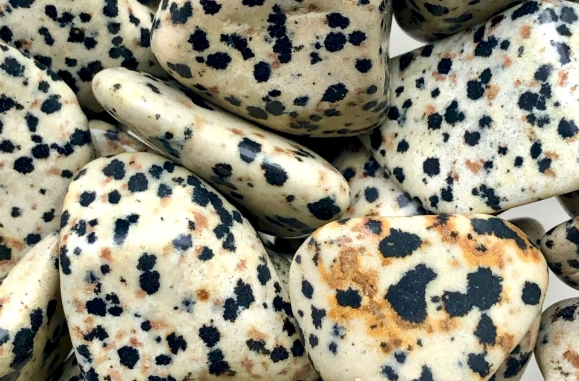
Why does this matter? If you're using it for healing or decor, authenticity affects energy. I once used a fake piece for meditation and felt nothing; switching to a genuine one made a noticeable difference. It's like comparing decaf coffee to the real deal—subtle but there.
How to Spot Authentic Dalmation Jasper
Look for uneven spots. Natural stones have random patterns, while fakes often show uniform dots. Price is a clue too; if it's dirt cheap, be suspicious. A decent tumble stone costs around $5 to $15, depending on size. For larger decor pieces, expect $20 to $50. I recommend buying from reputable crystal shops or gem shows where you can inspect it personally.
Healing Properties and Meanings Demystified
Everyone says dalmation jasper is grounding. Sure, it is—but that's oversimplified. Based on my experience and discussions with other crystal practitioners, its properties go deeper. It's often called a "stone of joy" because it can lighten moods, but I've found it works best for people dealing with repetitive stress or monotony. Think office workers or parents stuck in routines.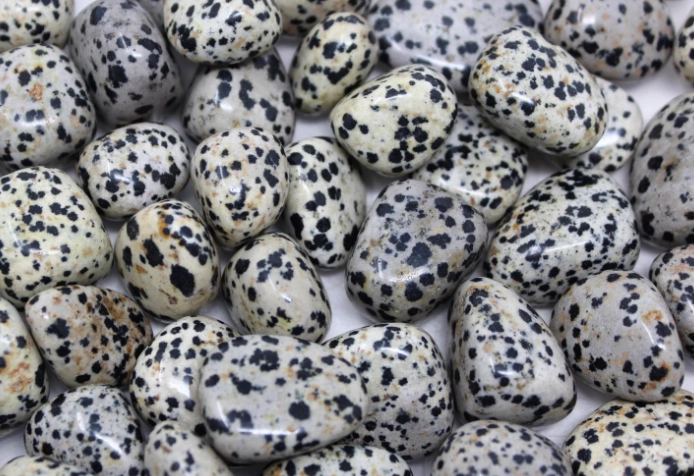
Metaphysically, it's linked to the root chakra, promoting stability. But here's a non-consensus view: many beginners use it solely for grounding, ignoring its creativity boost. When placed in a workspace, it can foster playful ideas. I tested this with a friend who's a graphic designer; after keeping a piece on her desk for a week, she reported more spontaneous brainstorming sessions. It's not magic, but a tool to shift mindset.
Key Healing Aspects Often Overlooked: Dalmation jasper isn't just for calm—it can help with decision-making by reducing overthinking. I use it during client consultations to stay focused without getting rigid. Also, it's gentle enough for kids; my niece carries a small piece for school anxiety, and it seems to ease her nerves better than some louder crystals like tiger's eye.
Practical Uses in Daily Life
How do you actually use dalmation jasper? Most guides list generic ideas, but let's get specific. I've broken it down into scenarios based on real-life applications.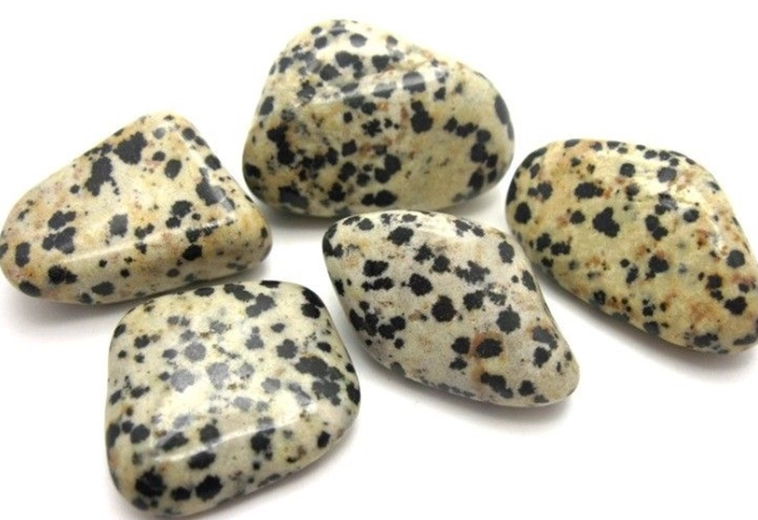
For Home Decor and Vibe
Place it in entryways or living rooms. The spots add a natural, earthy touch. I have a bowl of dalmation jasper stones near my front door—guests often comment on the warm energy. Cost-wise, a decorative bowl with assorted sizes runs about $30 to $60. Avoid direct sunlight; it can fade the colors over time. Clean it monthly with lukewarm water and a soft cloth.
In Meditation and Mindfulness
Hold a stone during meditation. Focus on its texture. I find it works well for breathwork; imagine inhaling stability and exhaling chaos. A common mistake: using it right after a stressful event without cleansing. Always cleanse it first—I prefer moonlight overnight or a quick smoke cleanse with sage.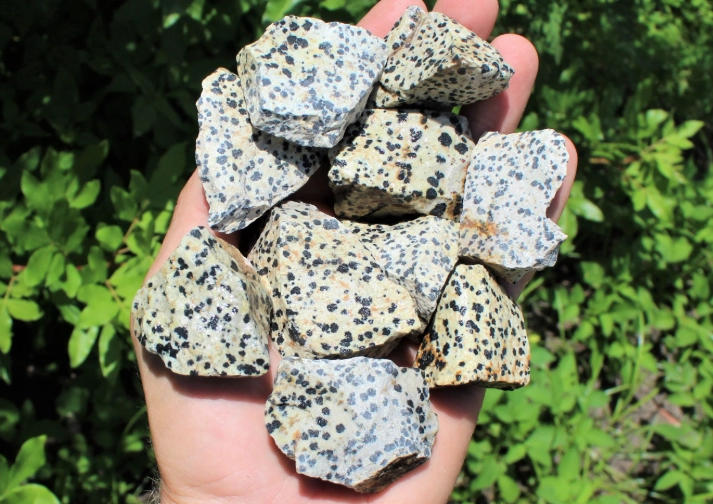
As a Personal Talisman
Carry a small piece in your pocket or wear it as jewelry. I've seen necklaces priced from $25 to $80. But beware: some people assume it's a cure-all. It's not. Use it as a reminder to stay present, not as a shield against life's messes.
Here's a quick table I put together based on my trials:
| Use Case | How to Do It | Expected Effect | My Rating (1-5) |
|---|---|---|---|
| Stress Relief at Work | Keep a stone on your desk, touch it during breaks | Reduces tension, boosts focus | 4 |
| Sleep Improvement | Place under pillow or on nightstand | Promotes deeper sleep, fewer nightmares | 3 (works for some, not all) |
| Creative Projects | Hold while brainstorming or place in studio | Encourages playful ideas | 5 |
Common Mistakes and Expert Tips
After a decade, I've seen folks mess up with dalmation jasper. Let's fix that. Biggest error: treating it like a battery that never drains. Crystals absorb energy; if you don't cleanse yours, it might feel heavy or ineffective. I cleanse mine every two weeks, more often if used intensively.
Another pitfall—using it for high-energy situations. Dalmation jasper is grounding, not stimulating. Don't bring it to a party expecting a boost; try citrine instead. Also, pairing it with other stones? Many combine it with black tourmaline for extra protection, but that can over-ground you, leading to lethargy. I prefer pairing it with clear quartz to amplify its joy aspect.
My top tip: set an intention. When I buy a new piece, I hold it and whisper a simple goal, like "help me stay calm during deadlines." It sounds woo-woo, but it programs your mind to notice shifts.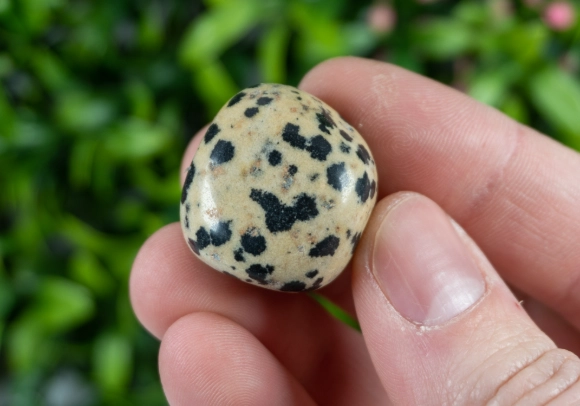
Your Burning Questions Answered
Wrapping up, dalmation jasper is more than a trendy crystal. It's a versatile tool for grounding, creativity, and daily balance. Start with one piece, observe how it fits into your life, and don't be afraid to experiment. Remember, the best use comes from personal connection, not rigid rules. Happy exploring!
Related Articles
Rose Quartz Meaning: More Than Just a Pretty Pink Stone
Unlock the Power: Black Onyx Benefits for Women Explained

Larimar: The Complete Guide to the Caribbean Gemstone
Ocean Jasper: 7 Healing Benefits & How to Use This Stone
Blue Jadeite: The Complete Guide to Meaning, Value & Care