In This Guide: Exploring Jasper
- What Exactly Is Jasper, Anyway?
- The Core Healing Properties of Jasper Stones: A Multi-Layered Look
- A Rainbow of Support: Different Types of Jasper and Their Unique Twists
- How to Actually Use Jasper in Your Daily Life (No Woo-Woo Required)
- Your Jasper Questions, Answered (The Real Stuff People Ask)
- Wrapping It Up: Is Jasper Right for You?
Let's be real. You've probably seen pictures of these beautiful, earthy stones all over Instagram or Pinterest, nestled next to a cup of herbal tea, looking all peaceful and powerful. And you're wondering: is this just another pretty rock, or is there something more to it? I was in your shoes a few years ago, skeptical but curious. After diving deep into the world of crystals (and amassing a collection that now requires its own shelf), I can tell you that for many people, the healing properties of jasper stones are a very real source of comfort and grounding.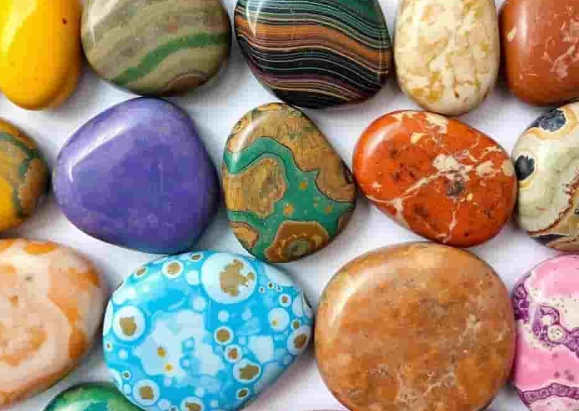
This isn't about magic spells or instant fixes. Think of it more like a supportive tool, like a good pair of running shoes or a calming playlist. Jasper's energy is often described as nurturing, stable, and profoundly connected to the Earth. It's the friend that tells you to take a deep breath when everything feels chaotic.
What Exactly Is Jasper, Anyway?
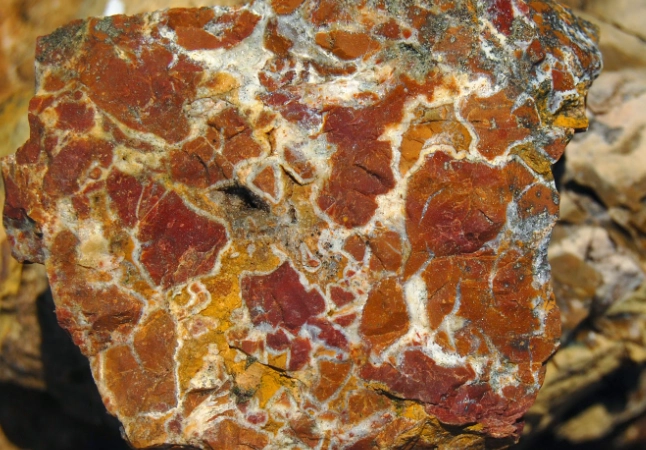
Before we get into what it does, let's talk about what it is. Jasper is a type of chalcedony, which is itself a form of quartz. But unlike clear quartz, jasper is opaque and packed with minerals and impurities like iron oxides and clay. That's what gives it those incredible, often banded or spotted patterns and its vast range of colors—from deep reds and browns to yellows, greens, and even blues.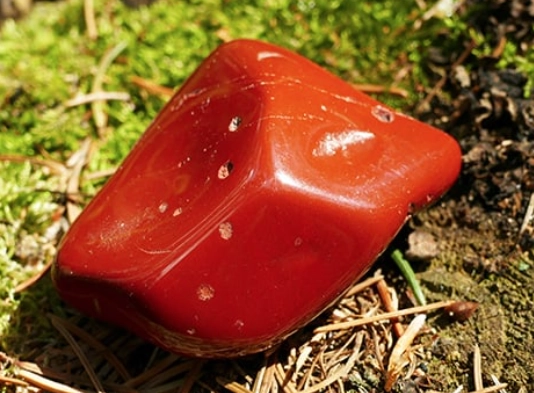
Geologically speaking, it forms in cracks and voids in volcanic rock, slowly depositing over immense periods. You can find some solid scientific info on chalcedony and quartz varieties from sources like Mindat, a trusted mineral database. This slow, patient formation is key to understanding its energy. It's a stone of patience and endurance.
I remember picking up my first piece of red jasper. It wasn't the most glamorous stone in the shop, but it felt... warm. Substantial. Like holding a piece of the desert. That tangible, earthy feel is a big part of its appeal.
The Core Healing Properties of Jasper Stones: A Multi-Layered Look
People talk about jasper's benefits in a few different layers—physical, emotional, and spiritual. It's important to note that these uses come from centuries of tradition, folklore, and contemporary crystal healing practices, not mainstream medicine. I don't use jasper instead of seeing a doctor, and you shouldn't either. Think of it as complementary support.
Physical Grounding and Vitality
This is where jasper's earth connection really shines. It's often associated with providing physical support during times of stress or exhaustion. The idea is that its stabilizing energy can help you feel more present in your body. Some common themes in traditions and crystal healing books include:
- Supporting stamina and reducing fatigue: That "nurturing" label makes sense here. It's like the stone version of a hearty, wholesome meal.
- Aiding with digestion and elimination: This ties back to its connection with the root or sacral chakras in energy work, which are linked to basic survival and physical processes.
- Providing a sense of warmth and comfort: Literally and figuratively. Many people report the stone feeling physically warm to the touch, which can be soothing.
Again, a reminder: this is about energetic support from a holistic perspective. For any physical health concern, your first stop is always a qualified healthcare professional.
Emotional Stability and Courage
This, for me, is where the healing properties of jasper stones get really interesting. We live in a world that's constantly buzzing. Phones pinging, deadlines looming, news cycles spinning. It's easy to feel scattered and anxious.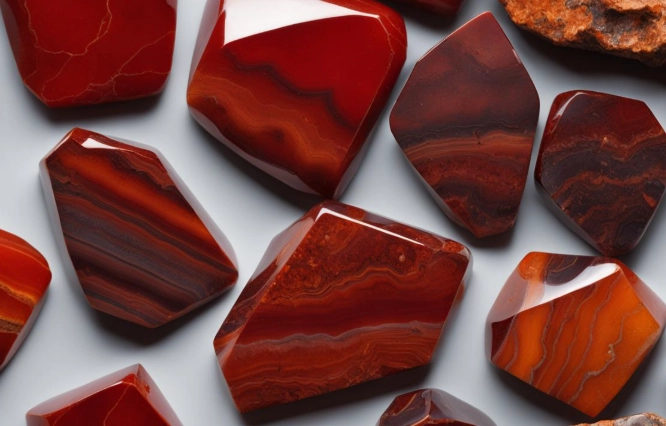
Jasper is like an anchor. Its energy is said to absorb negative emotional vibrations and promote a sense of calm determination. If you're feeling wobbly, insecure, or overwhelmed, holding a piece of jasper can be a simple ritual to remind yourself, "I am here. I am grounded. I can handle this."
It's also linked to courage—not the dramatic, sword-wielding kind, but the quiet courage to get through a difficult day, to speak your truth in a meeting, or to stick with a challenging task. I keep a piece of picture jasper on my desk for this exact reason. When I'm facing a creative block or a tough email, fiddling with it helps me center myself.
Spiritual Connection and Nurturing
On a spiritual level, jasper is seen as a stone of protection and connection to the Earth's history. Its patterns are like a snapshot of geological time, which can foster a sense of perspective. Your big problem today might feel smaller when you're holding something that took millions of years to form.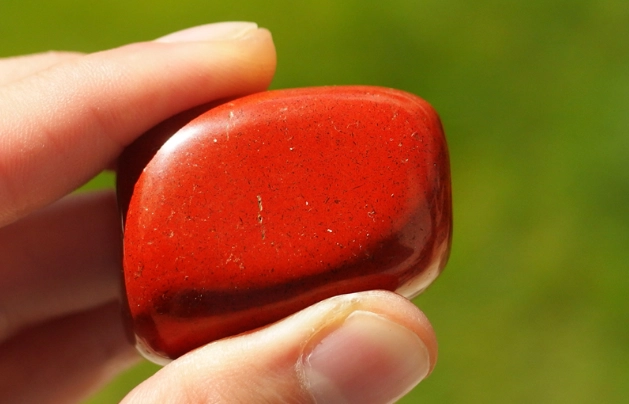
It's also considered a nurturing stone for the spirit, encouraging compassion, kindness, and a sense of wholeness. In meditation, it can be used to feel more connected to nature and the physical world, especially if you spend too much time in your head (guilty as charged).
A Rainbow of Support: Different Types of Jasper and Their Unique Twists
Here's where it gets fun. Not all jasper is the same. The different colors and patterns aren't just for show—they bring slightly different nuances to those core jasper stones healing properties. Think of them as specialists within the same supportive family.
This table breaks down some of the most popular and accessible varieties. It's not an exhaustive list (there are so many!), but it covers the heavy hitters you're likely to encounter.
| Type of Jasper | Key Colors & Appearance | Focused Healing Properties & Associations | My Personal Take & Best Use |
|---|---|---|---|
| Red Jasper | Deep brick red, brownish-red, often solid or striped. | The ultimate grounding stone. Linked to vitality, physical stamina, and survival instincts. Often called the "stone of endurance." | My go-to when I'm physically tired or need a boost of motivation for a workout. It feels very "primal." |
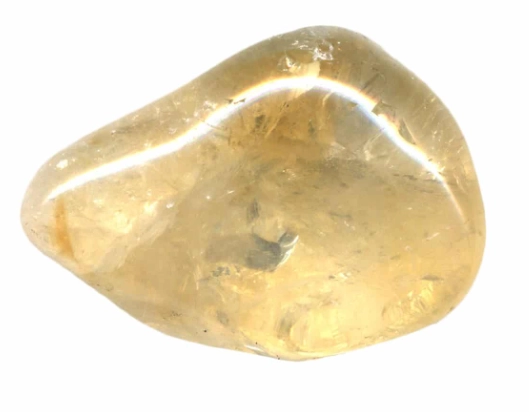
| Yellow Jasper | Mustard yellow, ochre, golden tones. | Connects to solar plexus energy (confidence, personal power). Said to aid digestion and bring a sense of optimism and clarity. | Great for days when you need to present ideas or tackle administrative tasks. It feels sunny and organized. |
| Green Jasper (sometimes called Plasma Jasper) | Various shades of green, often mossy or speckled. | Heart-centered and connected to nature. Associated with healing, restoration, and attracting abundance. A very gentle, nurturing energy. |
Let's continue with a few more that are incredibly popular for their specific jasper healing properties.
| Type of Jasper | Key Colors & Appearance | Focused Healing Properties & Associations | My Personal Take & Best Use |
|---|---|---|---|
| Picture Jasper | Landscape-like patterns in beige, brown, tan. Looks like a desert scene. | Strongly connected to Earth and journeying. Used for problem-solving, gaining perspective, and connecting to past wisdom or different places. | Perfect for meditation or when you're feeling lost. Gazing at the patterns can spark creativity. My favorite for desk decoration. |
| Dalmatian Jasper | White or cream base with black or brown spots (like a Dalmatian dog!). | Playful, joyful energy. Said to dispel negativity, encourage loyalty in relationships, and reconnect us with a sense of fun and innocence. | A wonderful stone if you have kids or work in a high-stress environment. It's lighthearted and protective. Some people find the spotted pattern a bit silly, but I think it's charming. |
| Ocean Jasper | Orbicular patterns in greens, pinks, whites, and blues. Often has "eyes" or circles. | A nurturing, motherly energy. Linked to emotional healing, releasing old patterns, and cultivating patience and joy. It's quite a cherished and sought-after type. | This one can be pricey. Its energy is very soothing and complex. I use it less for quick grounding and more for deeper emotional work during meditation. |
You can learn more about the geological diversity of these silica minerals from resources like the U.S. Geological Survey, which provides context for how these beautiful formations come to be.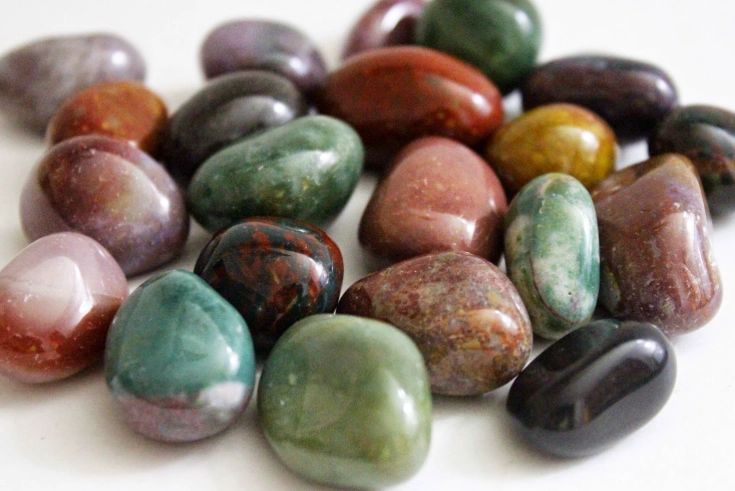
So, how do you actually use a stone with all these potential jasper stones healing properties? It's not complicated.
How to Actually Use Jasper in Your Daily Life (No Woo-Woo Required)
The beauty of jasper is that it doesn't require elaborate rituals. Its energy is straightforward and accessible. Here are the most common, practical ways people incorporate it. Pick what feels right to you.
Simple Wear and Carry
The easiest method. When jasper is in contact with your skin, you're in constant, subtle connection with its energy.
- Jewelry: A jasper bracelet, necklace, or ring. This is highly effective and stylish. A red jasper pendant can sit near your heart or solar plexus all day.
- Pocket Stone: Carry a tumbled stone in your pocket. Reach for it whenever you feel stressed, anxious, or need a moment to ground yourself. I've worn out a few pockets this way.
The tactile act of holding it is half the benefit. It brings your focus back to the present moment.
Placement in Your Environment
Jasper is a fantastic stone for creating a supportive atmosphere.
- Home: Place a larger piece in your living room or entryway to promote a stable, welcoming, and protective vibe for the whole household.
- Workplace: A piece of yellow or picture jasper on your desk can help with focus, confidence, and managing work stress. It's a subtle reminder to stay grounded amid deadlines.
- Bedroom: Some people place a gentle green or ocean jasper on a nightstand to encourage peaceful sleep and restorative energy. I haven't found it makes me sleep deeper, but it does make the room feel calmer.
Meditation and Mindfulness Practice
This is where you can be more intentional. Hold a piece of jasper in your hand during meditation. Focus on its weight, temperature, and texture. Set a simple intention related to its properties—like "I am grounded" or "I welcome stability." Don't force anything; just let the stone be a focal point.
You can also place it on the corresponding part of your body if you're familiar with chakra work (e.g., red jasper near the base of your spine for root chakra grounding).
Your Jasper Questions, Answered (The Real Stuff People Ask)
- Temperature: Real stone feels cool to the touch initially and warms slowly in your hand. Plastic feels light and stays warm.
- Weight: It should have a good, substantial weight for its size.
- Imperfections: Natural patterns, inclusions, and variations in color are good signs. Perfect, uniform patterns can be a red flag.
- Vendor Reputation: Buy from reputable crystal shops, either local or online with good reviews. Ask questions!
- Water: Most jasper is fine under running water (just pat dry). Avoid this for stones with iron inclusions that might rust.
- Sun/Moonlight: A few hours of gentle light. Be careful with prolonged direct sun, as some colors can fade over years.
- Earth: Burying it in soil for a day is a powerful reset, connecting it back to its source.
- Sound: Using a singing bowl or bell. My personal favorite—it's easy and feels thorough.
Wrapping It Up: Is Jasper Right for You?
Exploring the healing properties of jasper stones isn't about subscribing to a belief system. It's about experimenting with a natural tool for mindfulness, grounding, and emotional support. If you're feeling unrooted, anxious, or in need of a gentle boost of nurturing energy, jasper is arguably one of the best stones to start with.
Its energy is uncomplicated, sturdy, and forgiving. You don't need to be an expert. Just pick up a stone that speaks to you, give it a cleanse, set a simple intention (like "help me feel calm today"), and carry it with you. See how it makes you feel. Pay attention to any shifts in your mood or mindset.
So, go find a piece. Hold it. See if its ancient, patient, earthy vibe resonates with you. You might just find the steady friend you didn't know you were looking for.
Related Articles
Kyanite Formula: Your Guide to Crystal Energy & Healing
Natural Blue Jade: The Rarest Color & How to Spot the Real Deal
Automotive chip giants are expanding production on a large scale.
Unlocking Jasper Stone Meaning: Healing, Colors & Uses
Selenite: The Ultimate Guide to Meaning, Uses, and Care